REVIEW · BIRMINGHAM
Birmingham : Must-see Attractions Private Walking Tour
Book on GetYourGuide →Operated by Guydeez Tours · Bookable on GetYourGuide
Two hours in Birmingham, guided on foot. You start in the center and move through a tight set of sights that show how the city thinks and builds, from the canals to squares to street art. It’s a private walking tour that feels like having a local friend with good shoes and a good plan.
What I like most is the freedom of the private format. You can customize the pace and focus, and you’ll also get loads of practical advice for what to do next beyond the stops. I also appreciate that the route mixes big-name places with neighborhoods like the Jewellery Quarter and Digbeth, so you don’t just “see,” you start to understand.
One thing to consider: this is still a walking tour. You’ll be on your feet for about two hours, there’s no food or drinks included, and some moments are short photo stops, so comfortable shoes matter more than you’d think.
In This Review
- Key takeaways before you go
- Starting at 1 Church St: Birmingham center, easy to meet up
- The Mailbox, Gay Village, The Bull, and Victoria Square in one smart loop
- The Mailbox: a quick photo stop with a purpose
- Gay Village: street life and culture at walking pace
- The Bull by Laurence Broderick: public art you can’t miss once you spot it
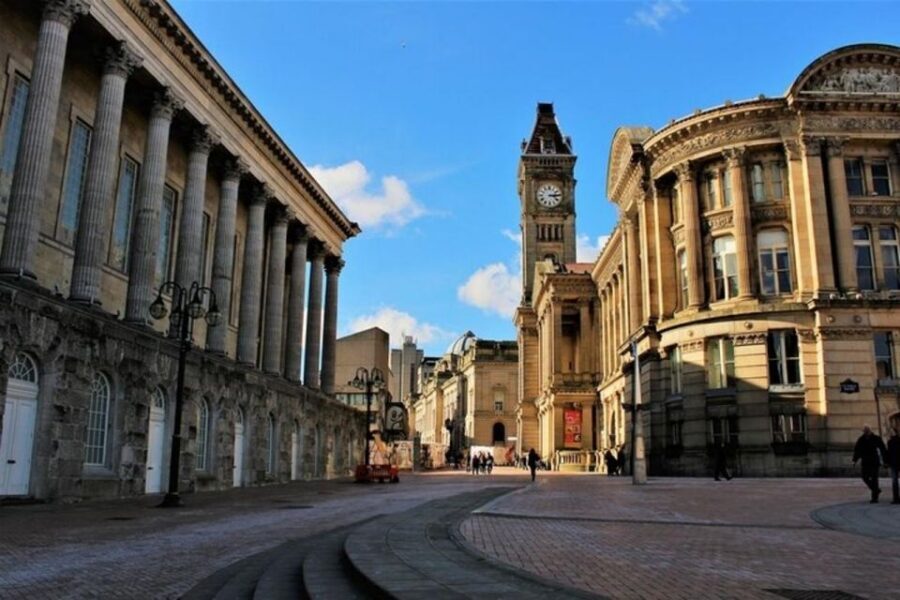
- Victoria Square: where people gather and buildings frame the view
- Jewellery Quarter: Victorian cemeteries, jewelry making, FA Cup legacy, and street art references
- What makes the Jewellery Quarter worth your time
- FA Cup and Banksy: how pop culture fits local place
- A realistic drawback here
- Digbeth Coach Station: independent shops, street art energy, and a modern edge
- Why Digbeth works well on a short tour
- Centenary Square: Birmingham Library and the Hall of Memory
- A small consideration
- Roundhouse Birmingham: canal-side stories you can see right away
- Why this makes a strong ending
- What you actually get for $82 per person
- How the 2-hour pace feels on the ground
- Is this the right tour for you?
- Should you book Birmingham: Must-see Attractions Private Walking Tour?
- FAQ
- How long is the Birmingham private walking tour?
- What is the price per person?
- Where does the tour start?
- Is the tour private?
- Can I customize the tour?
- What language is the live guide?
- Is the tour wheelchair accessible?
- What’s included in the tour?
- Is food or drink included?
- Is there free cancellation?
Key takeaways before you go
- Private by default: it’s just your group, so you can ask questions and adjust on the fly
- Customizable route: you shape what you spend time on, not the guide
- Icon + neighborhood combo: landmarks plus areas like Jewellery Quarter and Digbeth
- Street art and character: you’ll see references to Banksy and public art by Laurence Broderick
- Practical city advice: you come away with ideas for the rest of your trip
- Tickets support: the team can help with booking tickets for visits you want to add
Starting at 1 Church St: Birmingham center, easy to meet up
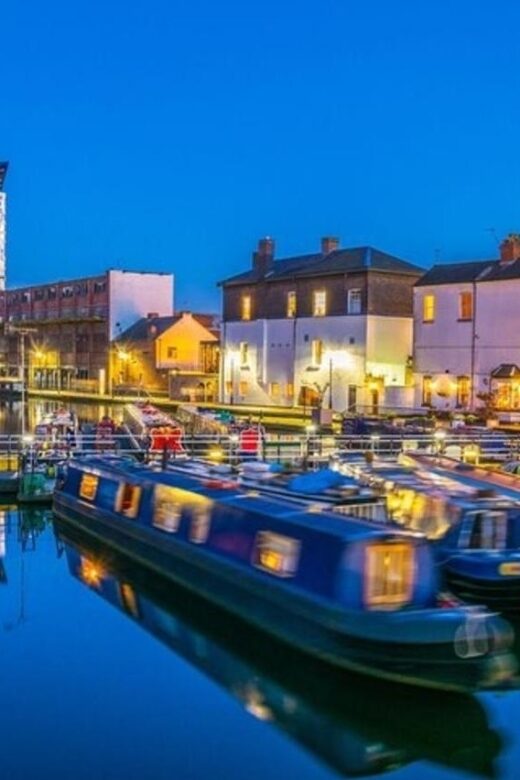
Your tour starts at 1 Church St, Birmingham B3 2FE. It’s a handy pick because it’s right in the city center, with good access to major sights like the Birmingham Museum and Art Gallery and Birmingham Cathedral. Translation: you’re not stuck meeting in some remote corner. You can also build your day around it without losing time to transit.
In the first minutes, you’ll meet your English-speaking guide and set expectations. Since this is private and customizable, I like that you can tell the guide what you care about most—architecture, street art, local neighborhoods, or just getting your bearings fast.
The first benefit of starting here is mental. You get oriented early, then the rest of the walk makes sense as you move outward through different “Birmingham worlds.”
You can also read our reviews of more walking tours in Birmingham


The Mailbox, Gay Village, The Bull, and Victoria Square in one smart loop
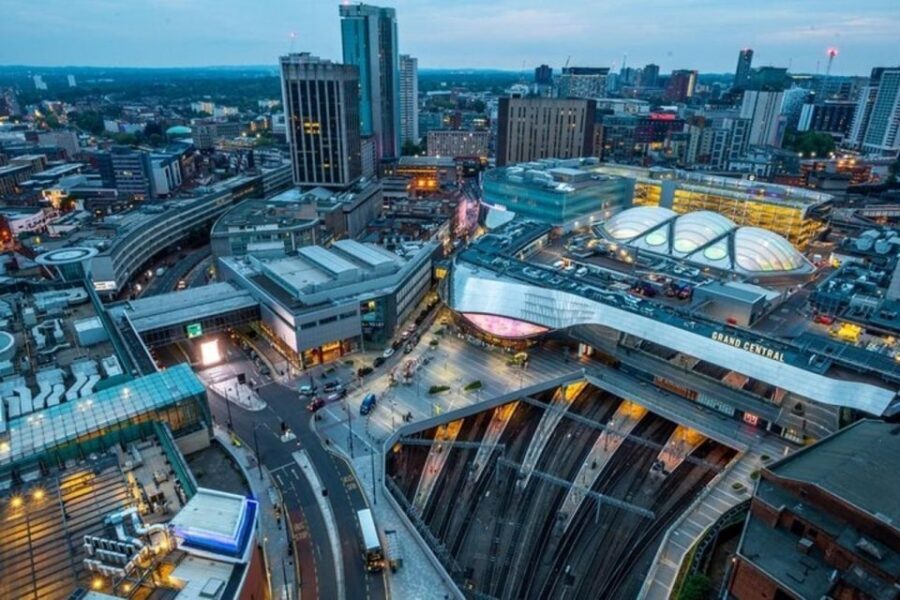
This part of the walk is about contrast. You go from modern development to creative street life and back to big public space.
The Mailbox: a quick photo stop with a purpose
You’ll stop at The Mailbox for about 15 minutes. Expect photos, a guided orientation, and a short stroll around the area. Even if you don’t plan to shop, it’s a useful waypoint because it shows a more contemporary Birmingham face—clean lines, river-adjacent energy, and an easy place to reset before the more character-heavy neighborhoods.
Gay Village: street life and culture at walking pace
Next comes Gay Village. Think of this as a lively slice of the city where you’ll see local color and keep your eyes open for details your guide points out during the walk. This is one of those stops where the guide’s familiarity matters: you’re not just passing through, you’re learning what the area is known for and why it has that vibe.
The Bull by Laurence Broderick: public art you can’t miss once you spot it
Then you’ll see The Bull by Laurence Broderick. It’s a photo stop, guided, then back on your feet. Public art is great when it’s more than decoration, and this kind of landmark works well on a short tour because it gives you a memorable anchor point. You’ll also get context so it doesn’t feel random.
You can also read our reviews of more private tours in Birmingham
Victoria Square: where people gather and buildings frame the view
Finally in this section, you hit Victoria Square for another guided stop. This is the kind of place that helps you “read” the city. Even on a brief visit, you’ll notice how the space is organized for foot traffic, views, and social life. The stop is short, but it’s valuable because it connects the earlier urban scenes to the larger institutional feeling you’ll get later at Centenary Square.
Practical tip from the way this tour is paced: keep your camera handy, but also keep your eyes up. The guide tends to point out what to watch for while you walk between stops.
Jewellery Quarter: Victorian cemeteries, jewelry making, FA Cup legacy, and street art references
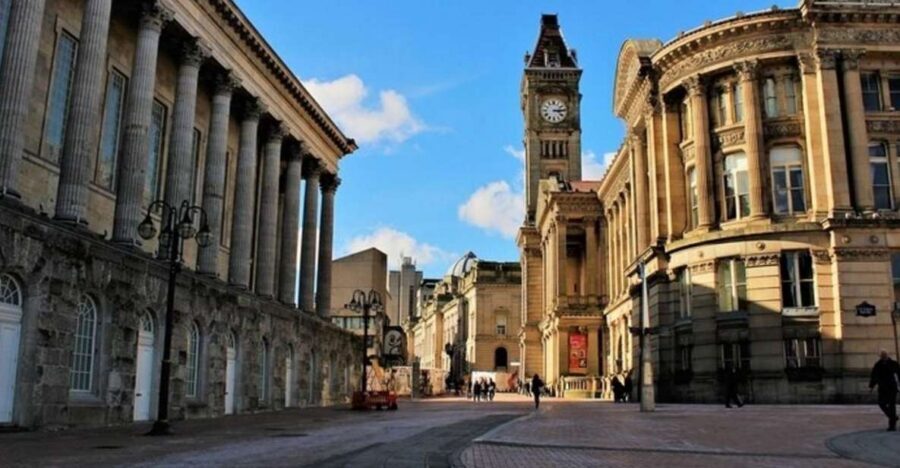
If Birmingham had a single neighborhood that screams identity, it’s the Jewellery Quarter. You’ll spend time here with photo stops and guided walking.
What makes the Jewellery Quarter worth your time
The area is known for its Victorian cemeteries and old residential apartments. That mix matters. It’s not only industry. It’s also where people lived, families built routines, and the city’s working life took shape in architecture you can still read today.
And yes, jewelry production is part of the story. As you walk, you’ll notice how the craft connects to the street-level feel—like the neighborhood is built around its own output.
FA Cup and Banksy: how pop culture fits local place
The tour also includes references to the FA Cup’s legacy and the allure of a Banksy street art mural tied to the area’s narrative. This is one of the best parts of short tours: the guide links pop culture and art back to geography, so you understand why the references matter rather than treating them like trivia.
A realistic drawback here
Because this tour is only two hours, the Jewellery Quarter stop has to be efficient. You’ll get highlights and context, but you won’t have unlimited time for deeper exploration inside any one building. If jewelry workshops, cemeteries, or street art are your top priority, tell the guide early so they can spend your time accordingly.
Digbeth Coach Station: independent shops, street art energy, and a modern edge
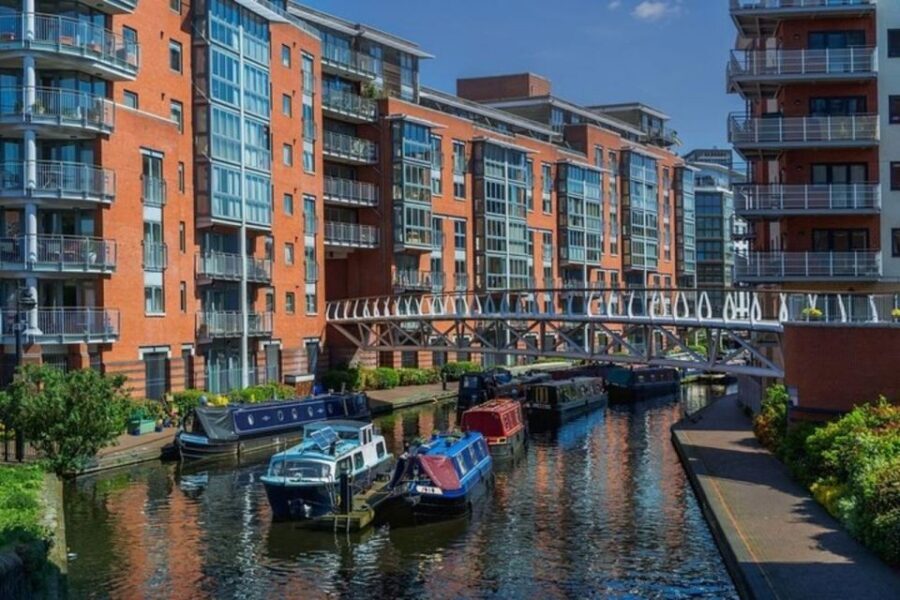
After the Jewellery Quarter, you move into Digbeth Coach Station. This stop is about showing you Birmingham’s newer “creative and independent” rhythm.
You’ll get a photo stop and guided tour for about 15 minutes, plus walking time. Digbeth is celebrated for its independent shops and street art, and this is the part of the tour where the city feels more like it’s in motion—shops changing, people moving, art showing up in unexpected places.
Why Digbeth works well on a short tour
Digbeth helps you balance what you saw earlier. The Jewellery Quarter is about industrial craft and older layers. Digbeth is more about contemporary street culture and the DIY spirit.
And because your guide is tailoring what matters, you can steer this section. Want more art talk? Ask. Want neighborhood context? Ask. This is a good spot to ask for “what to do after this” because it often sparks ideas.
Centenary Square: Birmingham Library and the Hall of Memory
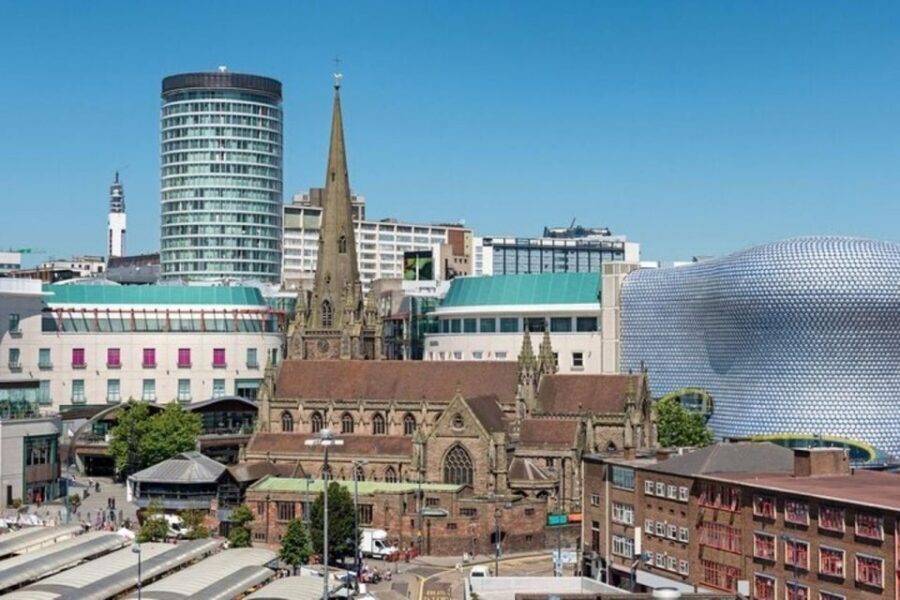
Next up is Centenary Square, another quick-but-meaningful stop with guided explanation. Here you’ll see architectural highlights including the Birmingham Library and The Hall of Memory.
Why I like this stop on a short walking tour: it gives you a sense of civic ambition. Even if you aren’t an architecture expert, you can feel how the buildings are meant to shape public life—space for gathering, space for learning, and space for collective memory.
It also helps with pacing. After neighborhoods like Digbeth and the Jewellery Quarter, Centenary Square gives you a wider-air, more formal feeling. You can look around, reset, and absorb how the city represents itself in stone and structure.
A small consideration
This section is still time-limited. The guide will hit key points, but if you’re the type who wants to linger for photos or read every plaque, you’ll probably want to come back later on your own.
Roundhouse Birmingham: canal-side stories you can see right away
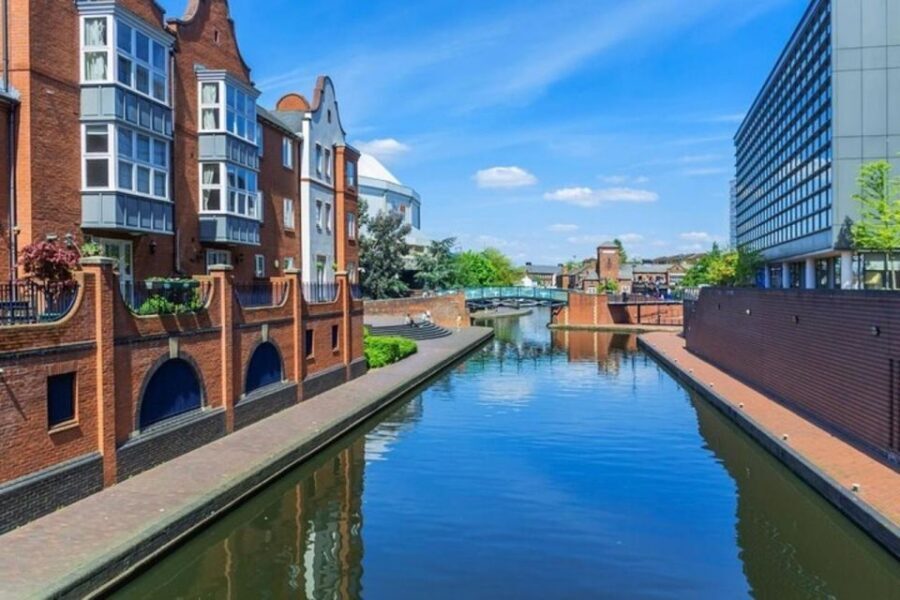
You finish this loop with Roundhouse Birmingham. It’s known for being along the canals, and your guide will connect what you see to the area’s history and purpose.
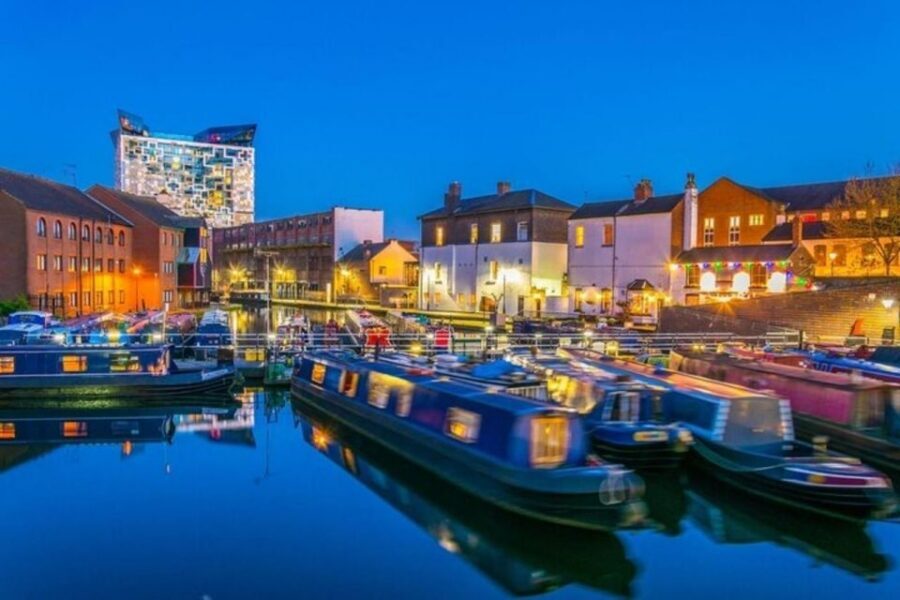
This stop is great because canals naturally invite slower looking. Even in a short visit, you can spot how water, industry, and city development connect. The guide’s context turns the scene from scenery into story.
Why this makes a strong ending
A walking tour ending near the canals feels satisfying for two reasons:
- It’s a visual break from streets and plazas.
- You end with a sense of movement, like Birmingham continues beyond the route.
By the time you reach Roundhouse Birmingham, you’re not just done sightseeing. You’re ready to make plans because your guide will have likely pointed out other places to aim for next.
What you actually get for $82 per person
Let’s talk value. At $82 per person for a 2-hour private tour, you’re paying for three things that matter in real travel:
1) Private time with a guide
You’re not sharing attention. You can ask questions, get clarifications, and request small course changes. That’s especially helpful in a city like Birmingham, where local context makes certain stops click.
2) Customizable focus
Customization isn’t just marketing when the tour covers multiple neighborhoods and themes. If you care more about street art, or you want a stronger architecture thread, you can steer the guide rather than power through someone else’s checklist.
3) Local advice beyond the route
The tour includes lots of guidance about other things to do in the city. On a short trip, that can be worth almost as much as the sightseeing itself, because it prevents decision fatigue later.
What isn’t included is also part of the math: no food or drinks. So budget for a snack or a proper meal after. This isn’t a deal-breaker, but it changes how you plan your timing.
Who gets the best value? I’d say people who:
- are short on time but want a well-paced overview,
- want a quick “what to do next” plan from a local,
- prefer private, question-friendly tours over group logistics.
How the 2-hour pace feels on the ground
This tour is built from short blocks—photo stops, guided walking, and small viewing moments—so you’re constantly moving but not sprinting. Each stop gets roughly 15 minutes, and you’ll cover a set of neighborhoods that represent different sides of the city.
Here’s the practical way to think about it: at the end of two hours, you’ll have enough context to navigate Birmingham better. You won’t necessarily have the time to go deep into every site. The trade is speed plus clarity.
If you’re prone to slow museum browsing, you might feel slightly rushed during the stops. If you’re okay with “see the key things, learn what they mean, and then come back later,” this fits well.
Is this the right tour for you?
This private walking tour is a strong match if you want:
- a tight, structured overview of Birmingham’s main highlights,
- neighborhood context for areas like Jewellery Quarter, Digbeth, and Gay Village,
- public art and street art references tied to place, not just Instagram captions,
- a guide who can give advice for what to do next.
It may be less ideal if you:
- want a long, slow, sit-down type of tour,
- need plenty of time inside buildings (the stops are short),
- plan to eat during the tour (food and drink aren’t included).
Should you book Birmingham: Must-see Attractions Private Walking Tour?
I’d book it if you want an efficient, private way to understand Birmingham in a couple hours. The best part isn’t only the sights. It’s the way the guide ties together landmarks, neighborhoods, and culture so you leave with a mental map and a list of where to go next.
Book it with comfortable shoes, a bit of curiosity, and an open mind. Then let the guide steer the conversation.
FAQ
How long is the Birmingham private walking tour?
The tour duration is 2 hours.
What is the price per person?
The price is $82 per person.
Where does the tour start?
The meeting point is 1 Church St, Birmingham B3 2FE, UK.
Is the tour private?
Yes. It’s private and exclusive, so there won’t be anyone else in your group.
Can I customize the tour?
Yes. Customization is included.
What language is the live guide?
The live tour guide is available in English.
Is the tour wheelchair accessible?
Yes, it is wheelchair accessible.
What’s included in the tour?
It includes a private and exclusive walking tour, customization, and help from the team to book tickets for the visits you want.
Is food or drink included?
No. Drinks or food are not included.
Is there free cancellation?
Free cancellation is available up to 24 hours in advance for a full refund.