REVIEW · BIRMINGHAM
Digbeth, Public art and Peaky Film Guided Walking Tour
Book on GetYourGuide →Operated by Positively Birmingham · Bookable on GetYourGuide
Street art turns Digbeth into a living map. This 2-hour guided walk links the Bullring to bohemian Digbeth & Deritend, with public art and Peaky Blinders-style film spots built into the route.
I like how the tour explains Birmingham’s shift from a market hamlet into a proper city, then ties that growth to what you see on the walls. I also really like that it’s guided by Jonathan Berg, an author and photographer behind top-rated Positively Birmingham walking tours, with a clear focus on the street art of Digbeth. One possible drawback: the route is not suitable for people with mobility impairments, since you’ll be walking over pavements, footpaths, and towpaths.
In This Review
- Key things to look forward to
- Bullring to Digbeth: a short walk with big street-level payoff
- Walking with Jonathan Berg: how the guide changes what you notice
- Digbeth & Deritend: understanding Birmingham’s shift from market hamlet to city
- Public art on the walls: street art you can actually read
- Peaky Blinders film spots: where the murals meet real production areas
- Custard Factory and Red Brick Market: a smart break during the walk
- Price and time: what $20 gets you (and how to judge value)
- Practical tips so you enjoy every minute
- Who this Digbeth and Peaky Blinders walk fits best
- Should you book the Digbeth, public art, and Peaky film walking tour?
- FAQ
- Where does the tour start?
- How long is the Digbeth, public art, and Peaky film guided walking tour?
- How far do you walk?
- What’s included for hearing the guide?
- Is the tour guided in English?
- What areas do you visit?
- Is this tour suitable for mobility impairments?
- How much does it cost?
- Can I cancel or change plans?
Key things to look forward to
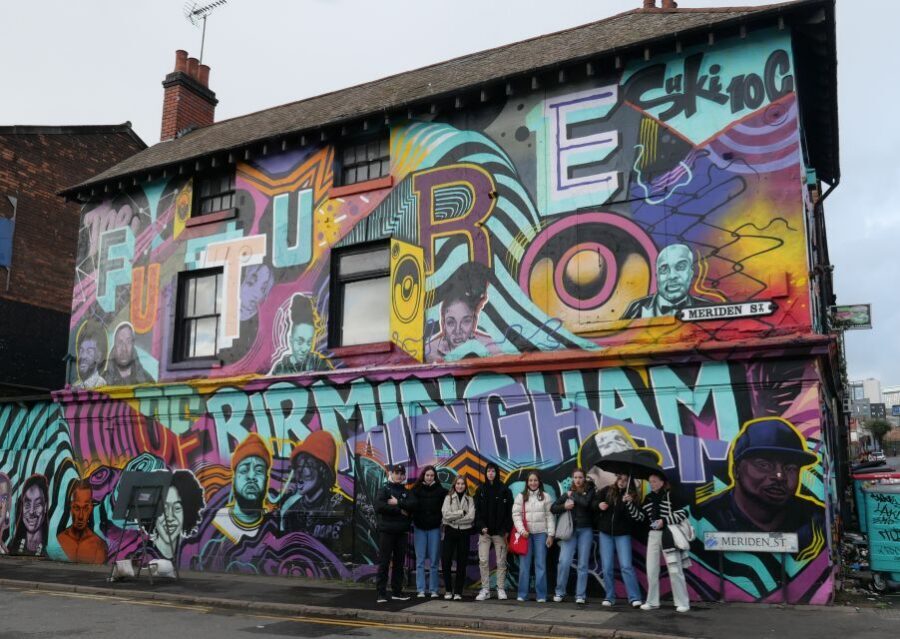
- Bull statue start: Meet by the bronze Bull at the Bullring Shopping Centre, then head straight into Digbeth’s world.
- Digbeth & Deritend context: You’ll get the story of how Birmingham grew beyond a market hamlet.
- Public art focus: The guide zeroes in on street art and public works in Digbeth.
- Peaky-related photo moments: You’ll visit areas tied to Peaky Blinders feature film production and murals for selfies.
- Real places, not just photos: Custard Factory and Red Brick Market add a practical break in the middle of the walk.
Bullring to Digbeth: a short walk with big street-level payoff
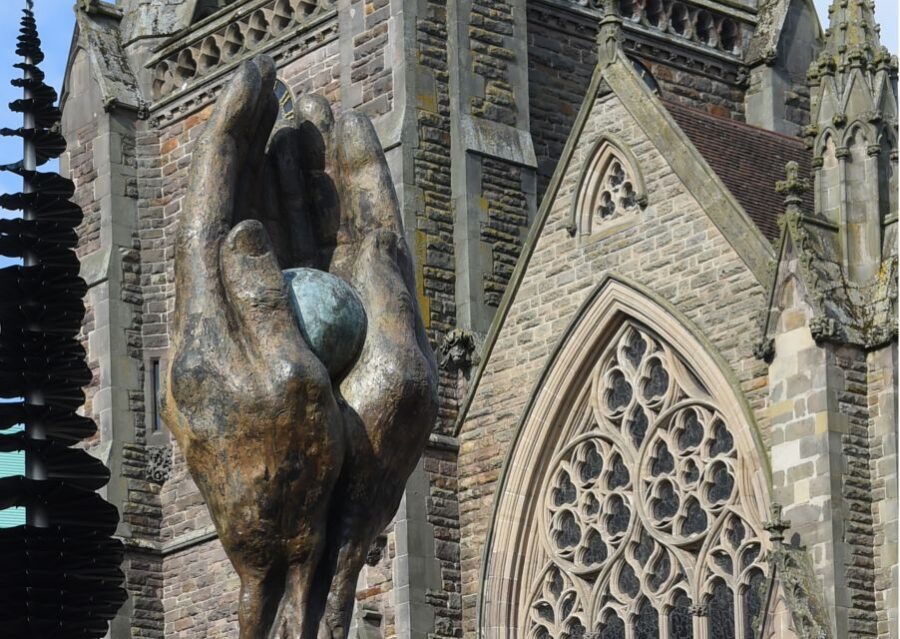
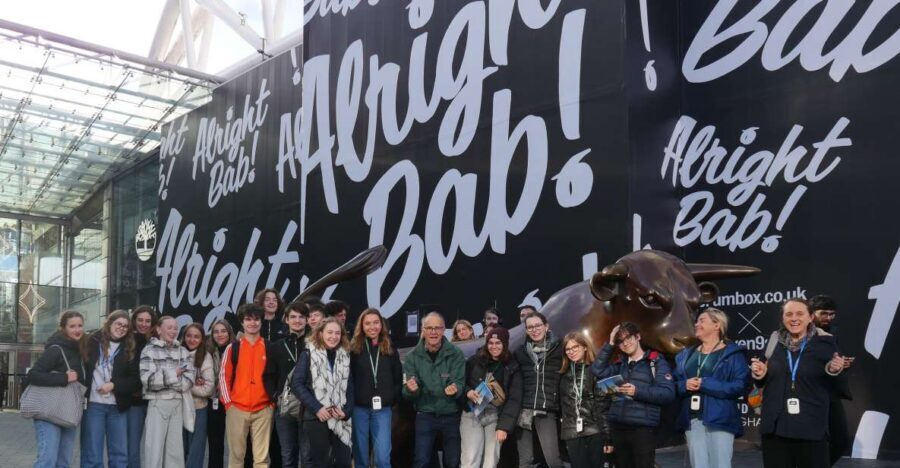
This is one of those Birmingham walks where the start matters. You meet at the bronze Bull statue by the Nike Superstore inside the Bullring Shopping Centre, right in the thick of the city centre’s energy. The tour doesn’t waste time. You step off the main shopping streets and begin moving toward Digbeth & Deritend, and the area’s tone shifts quickly.
That shift is the point. In about two hours you’ll go from big-city centre rhythms to a part of town that feels more creative and slightly scruffy—in a good way. The route is just over 4 km, which is short enough to feel doable, but it’s long enough that you’ll actually “feel” the neighbourhoods changing as you walk.
Along the way, you’ll use pavements, footpaths, and towpaths. That means you’re not just doing a flat, city-side stroll—you get a mix of urban streets and riverside/canal-style paths that make the walk more interesting than a straight line down one road.
You can also read our reviews of more walking tours in Birmingham

Walking with Jonathan Berg: how the guide changes what you notice
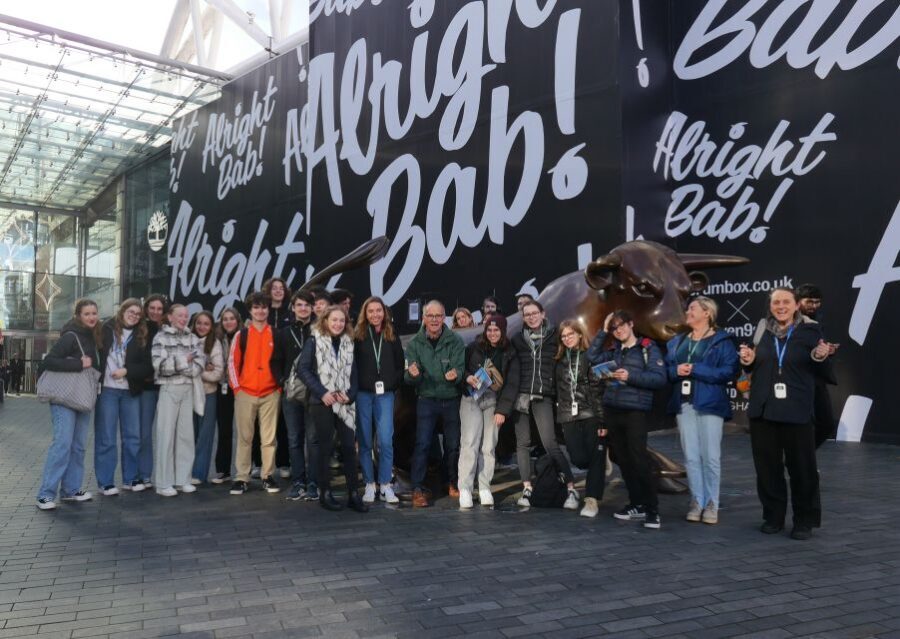
What makes this tour work best is the guide. Jonathan Berg runs Positively Birmingham walking tours, and he also writes about Birmingham’s public art. That matters because this isn’t a generic “look at that mural” kind of walk. The talk has a purpose: you’re learning how and why Digbeth’s public art shows up the way it does, and how the area fits into Birmingham’s larger story.
You can hear everything thanks to included headsets. If you bring a pair of earphones with a 3.5 mm jack, great—but if you don’t, you’ll be supplied a headset. For a street-art tour, this is a smart detail. Murals are visual, but the real “aha” moments come when the guide explains what you’re seeing and connects it to the city.
The most useful part, in practical terms, is this: Jonathan keeps pulling you back to observation. Instead of treating the walls like wallpaper, you learn how to read them—style, placement, and what the art signals about the people who live and work around it.
Digbeth & Deritend: understanding Birmingham’s shift from market hamlet to city
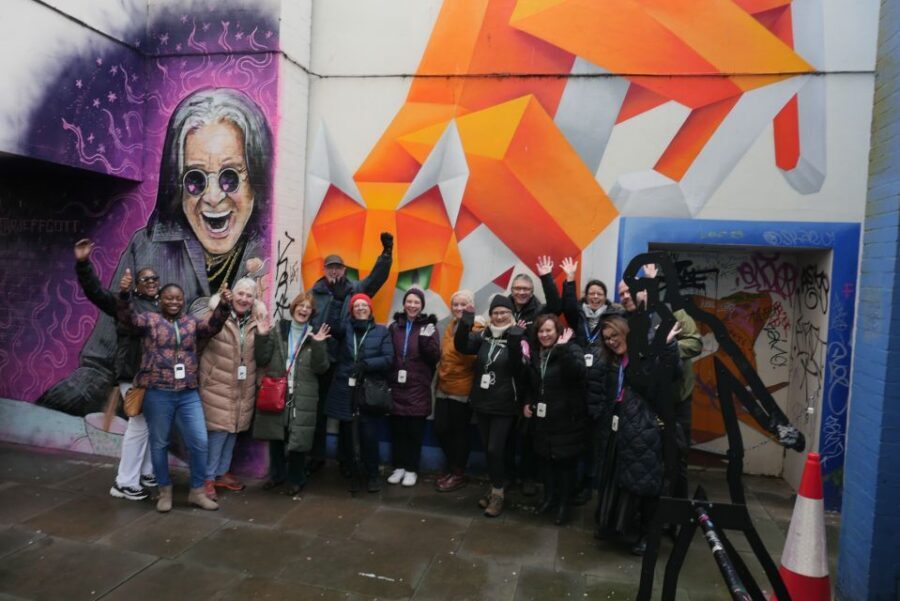
One of my favorite things on this walk is that you’re not only looking at street scenes—you’re learning the timeline underneath them. The tour explains how Birmingham developed from a market hamlet into a city, and you see that growth reflected in where you’re walking and what surrounds you.
You’ll start from the city centre, where Birmingham feels official and modern. Then you move into Digbeth & Deritend, where older industrial edges and creative energy overlap. That creates a useful contrast: it’s easier to understand a city’s identity when you physically move from one “era” to another.
This is also where the HS2 and Metro tram storyline comes in. The guide frames the current modernization—HS2 and the tram—so you don’t feel like the tour is stuck in the past. It’s more like: you’re watching the city update in real time, while the street art and film locations hint at how people want Digbeth to be remembered and used.
Public art on the walls: street art you can actually read
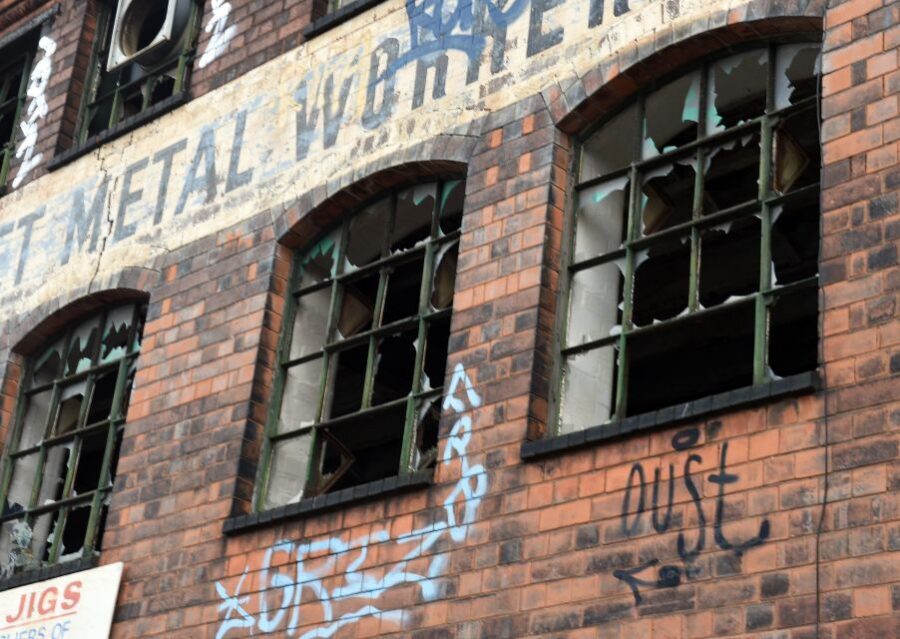
If you’ve ever walked past a mural without knowing why it matters, this tour fixes that problem. You’ll focus on Digbeth’s public art, especially street art, and the guide’s perspective helps you see beyond the image.
Here’s what I found helpful to think about before you go: street art isn’t just decoration. It’s a kind of public communication. On this walk, you’ll learn how that communication works in Digbeth, and you’ll notice how art can show up in different ways—large pieces meant for photos, smaller works that feel more like local signatures, and public art that’s part of the area’s day-to-day look.
The tour is also built for seeing patterns. As you move along the 4 km route, you’ll start to understand how the street art environment becomes a map of the neighbourhood itself. Even when you’re just walking between the “big” spots, the guide helps you keep your eyes open.
And yes, the photos will happen. But the best part is that you’re taking them with context, not just because the wall looks good on your camera.
Peaky Blinders film spots: where the murals meet real production areas
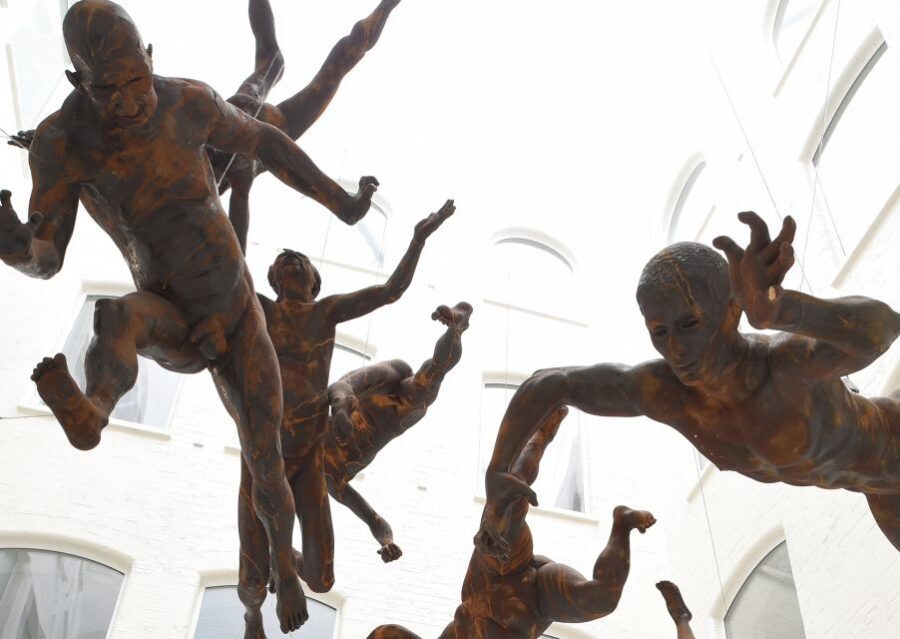
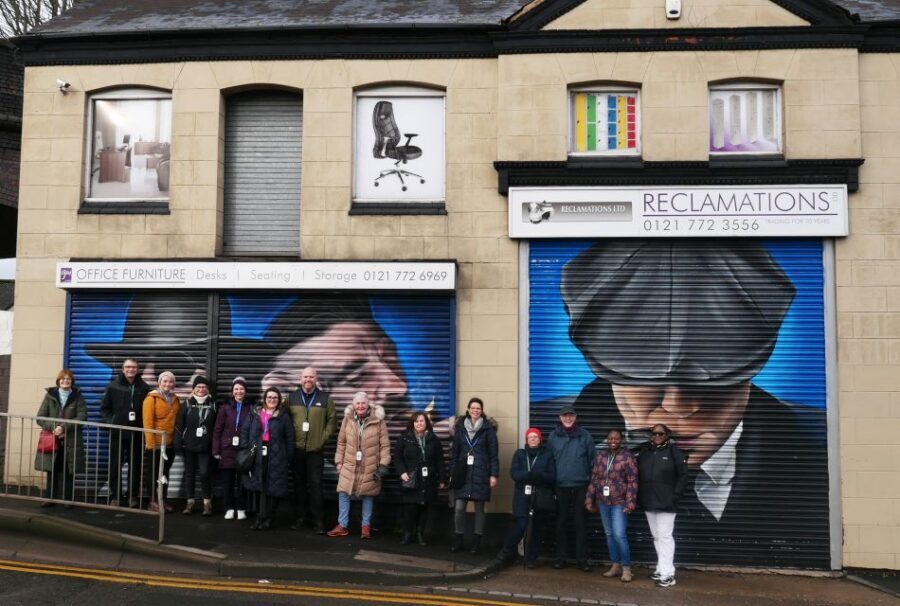
Peaky Blinders is the kind of pop-culture hook that can either feel forced or genuinely useful. Here, it’s treated like a way to guide your attention through the area.
You’ll learn how the tour’s Peaky-related focus connects with the Digbeth film world, including possible locations for the Peaky Blinders feature film. And you’ll visit areas connected to production underway at Digbeth LOC studios, where there are striking murals made for people to spot and photograph.
If you’re a fan, this is where you’ll enjoy the day most. The walk helps you notice the difference between a random street corner and a film-friendly location. You get pointed toward spots that make sense visually and practically for production—where the look of the streets supports the story.
If you’re not a fan, it still works, because the film angle is really a spotlight on the street-level identity of Digbeth. The murals are the headline, but the point is the neighbourhood’s aesthetic: grittier textures, bold visual styles, and that strong sense of place.
One practical note: keep your phone handy, but don’t stop too often. The walk is paced so you can hear the guide and still get photos. Think of photos as quick stops, not long parking sessions.
You can also read our reviews of more guided tours in Birmingham

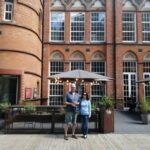
Custard Factory and Red Brick Market: a smart break during the walk
A good walking tour avoids making you feel like you’re sprinting between murals. This one includes two places that help you reset: the Custard Factory and Red Brick Market.
These stops do two valuable things for you. First, they anchor the tour in real Birmingham, not only on walls. Second, they give you a natural place to regroup—stretch your legs, grab a drink if you want, and look around without having to keep moving.
Custard Factory is the sort of area that tends to attract creative businesses and the kind of crowd that lingers. Red Brick Market is the opposite vibe: it feels more like a practical market space where you can browse and grab something simple. Together, they balance the more narrative parts of the tour with a sense of everyday life in Digbeth.
Even if you just use these as breaks, they make the whole experience feel more worth your time. A street art tour can be emotionally “loud.” These stops give your eyes and brain a chance to breathe.
Price and time: what $20 gets you (and how to judge value)
At about $20 per person for a 2-hour walk, this isn’t a bargain-price freebie. But it also isn’t priced like a museum ticket. It lands in that middle zone where value depends on what you want.
Here’s how I’d judge it if I were booking for the day:
- You’re paying for a focused guide who connects Birmingham’s development, Digbeth’s public art, and Peaky-related film locations into one storyline.
- You’re paying for the headset system, which makes the narration easier and reduces the “couldn’t hear a thing” problem common on street walks.
- You’re getting a compact route that covers city-centre-to-neighbourhood change and then lands you at recognisable stops like Custard Factory and Red Brick Market.
If you love street art, public art, or you want a grounded, local take on Digbeth beyond the obvious places, $20 for two hours can feel like a solid deal. If you want lots of sitting time or you hate walking distances, it might feel like too much effort for the amount of time.
The nice compromise is that the distance is only just over 4 km. You’re not committing to an all-day trek. You’re getting a well-paced sampler of Digbeth’s look and story.
Practical tips so you enjoy every minute
This is a walking tour, and it covers enough ground that you’ll feel it. Wear shoes you’re comfortable in for repeated stops and starts. The route includes towpaths and footpaths, so footing matters more than it does on a smooth indoor setting.
Bring layers. Birmingham weather likes to switch moods. A light jacket often beats a full raincoat because you might run warm during the walk and then cool quickly when you stop.
If you care about hearing details for the art explanations, use the headset. The guide’s narration is part of the experience, not background noise. If you already own earphones with a 3.5 mm jack, bring them and plug in. If not, you’ll get equipment.
Also, plan your schedule around the 2-hour length. This tour is designed as a tight arc: meet at the Bullring, move through Digbeth & Deritend, hit film-mural moments, and finish with Custard Factory and Red Brick Market.
And one important fit note: the tour is not suitable for people with mobility impairments.
Who this Digbeth and Peaky Blinders walk fits best
This tour is best for you if you like:
- Street art and public art, especially when someone explains the why behind what you see
- Film-fan sightseeing that feels grounded in real locations, not staged hype
- A focused, short walking window that goes beyond the usual city-centre checklist
- A local guide style that blends neighbourhood storytelling with street-level details
It’s also a great pairing if you’re already exploring Birmingham and want one day segment to feel more characterful. The walk format makes it feel like you’re being shown around by someone who actually pays attention.
If you’re someone who hates walking and prefers long seated time, you may find the two hours more tiring than you’d like. But if you can handle a quick city-to-neighbourhood walk and you like your travel with context, you’ll likely enjoy it.
Should you book the Digbeth, public art, and Peaky film walking tour?
If your idea of a good day includes murals, street-level stories, and Peaky Blinders-related photo stops, I’d say book it. This tour has a clear point of view, guided by Jonathan Berg, and it uses Digbeth’s public art as the thread that ties everything together—history, modern change, and film-location energy.
If you’re chasing nightlife, big-ticket landmarks, or long museum-style rooms, this may not be the right fit. But if you want an efficient, memorable way to understand Birmingham through the streets—then yes, this is the kind of walk you’ll remember when you get home.
FAQ
Where does the tour start?
You meet at the bronze Bull statue by the Nike Superstore in the Bullring Shopping Centre.
How long is the Digbeth, public art, and Peaky film guided walking tour?
It lasts 2 hours.
How far do you walk?
The route is just over 4 km.
What’s included for hearing the guide?
Headsets are included. If you bring earphones with a 3.5 mm jack, you can use them, and if not, a headset will be supplied.
Is the tour guided in English?
Yes, the tour is in English.
What areas do you visit?
You walk from the city centre into Digbeth & Deritend, visit Digbeth LOC studios (with Peaky-related murals), and stop at the Custard Factory and Red Brick Market.
Is this tour suitable for mobility impairments?
No, it is not suitable for people with mobility impairments.
How much does it cost?
The price is $20 per person.
Can I cancel or change plans?
Free cancellation is available up to 24 hours in advance for a full refund.