REVIEW · BRISTOL
Bristol: Bristol Zoo Project Entry Ticket
Book on GetYourGuide →Operated by Bristol Zoological Society · Bookable on GetYourGuide
A day at Bristol Zoo Project feels like walking into a wildlife mission. I like the fact that you’re in open green space, not shut in with bland cages, and the Lemur Walkthrough is genuinely memorable. I also really enjoy the Bear Wood raised walkway because it mixes animals with a sense of how woodland habitats matter. The main thing to plan for is walking time, since the zoo sits across nature trails and foresty areas, so wear comfy shoes.
You’ll come for the stars, but stay for what they’re doing. Bristol Zoo Project focuses on conservation work across nine countries, and the zoo experience is built to connect what you see with why it matters. One consideration: animal activity can vary by day and enclosure layout, so if you’re chasing a specific animal moment, keep expectations flexible and spend time in each area.
In This Review
- Key things to know before you go
- Arrival, tickets, and getting oriented fast
- Lemur Walkthrough: overhead action you can actually plan around
- Bear Wood raised walkway: England’s wild past, in 10,000 years
- Giraffe House: head-height feeding and the super-long tongue moment
- Cheetahs, zebras, meerkats, and the bird set
- Animal talks, feeds, and what conservation education feels like
- Play areas, Barefoot Trail, and Fun Fort breaks
- Snacks, Courtyard Cafe, Base Camp Pizzeria, and Tower Meadow picnic
- Parking and getting around: make your day fit
- Red pandas and the summer adventure play area update
- Price and value: is $22.04 worth it?
- Who this fits best
- Should you book Bristol Zoo Project?
- FAQ
- How long is the Bristol Zoo Project entry ticket valid?
- What animals can I expect to see?
- What is the best-known attraction for lemurs?
- Is parking included?
- Are pets allowed?
- Can I feed the animals?
- Where do I present my voucher?
Key things to know before you go
- Lemur Walkthrough overhead action: five lemur species, including ring-tailed and blue-eyed black lemurs.
- Bear Wood is the show: a raised walkway with bears, wolves, lynxes, and wolverines in an ancient woodland setting.
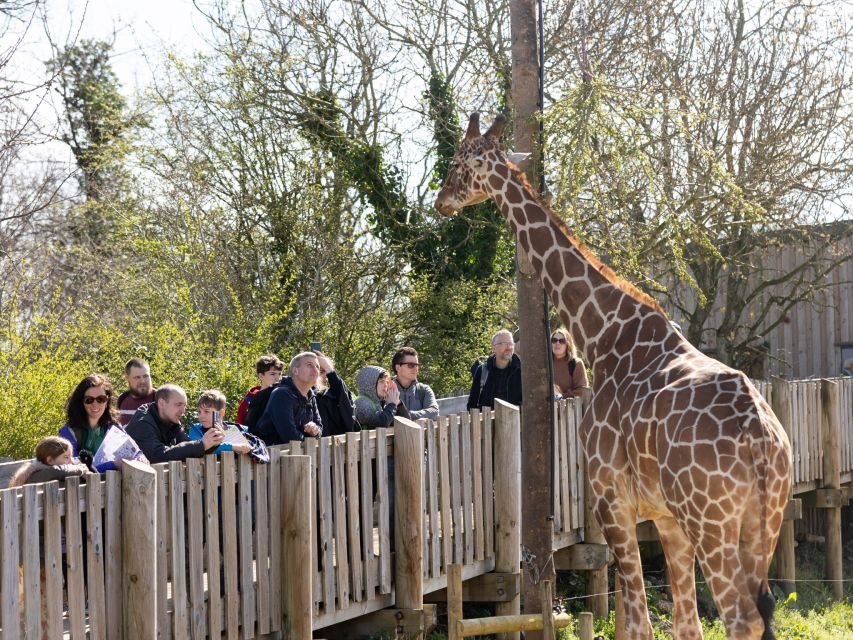
- Giraffes at head height: see three giraffes at the Giraffe House, with feeding and play.
- Conservation mission matters: animals are part of a global effort, with species classified as threatened, even extinct in the wild.
- Snacks and breaks built in: multiple spots to eat, plus picnic space at Tower Meadow.
- You cannot feed animals: it’s conservation-focused, so keep distance and follow staff guidance.
Arrival, tickets, and getting oriented fast

Bristol Zoo Project is easy to reach by car. The zoo sits just off Junction 17 of the M5 motorway, and you get free parking, which makes a big difference for a day outing.
On arrival, you’ll present your voucher at the admissions area. After that, you’re free to explore at your own pace, and the ticket is valid for one day. Starting times depend on availability, so it’s worth checking what time slots are open when you book.
The layout is built around nature. Think woodland paths, raised walkways, and animal areas designed so you feel like you’re moving through habitats, not corridors. If you like to “wander with purpose,” this is a great match.
A few more Bristol tours and experiences worth a look



Lemur Walkthrough: overhead action you can actually plan around

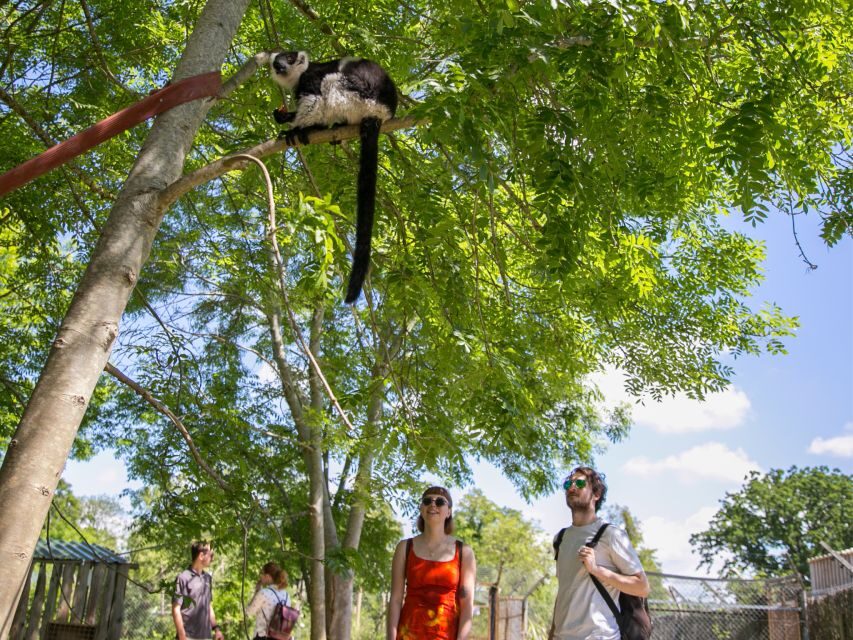
If you’re the type who wants an up-close animal moment without a ton of waiting, the Lemur Walkthrough is the highlight. This is where you get to watch lemurs in a way that feels natural and slightly dramatic, because you’re not just looking straight ahead. You can look up too, and that matters here.
You’ll see five species of lemurs, including the always-curious ring-tailed lemurs. The Lemur Walkthrough also includes blue-eyed black lemurs. The description you’ll hear on site includes a useful detail: the female is brown. There are also gentle lemurs in the mix, and overall it’s a great way to compare species without hopping between far-flung sections.
Practical tip: slow down. When you rush, you tend to miss the overhead movement and you end up watching only the ground-level activity. Use the walk path as your viewing platform, and take a minute to scan upward when you hear the animals moving.
One more small but important point: feeding animals isn’t allowed, so the best chance to see natural behavior is to rely on patience and good viewing positions rather than expecting baited encounters.
Bear Wood raised walkway: England’s wild past, in 10,000 years
Next up, and for many people the emotional payoff, is Bear Wood. You enter an area designed to make you feel the passage of time. The zoo’s own description frames it as an experience journeying through over 10,000 years, and you can feel that through the woodland setting and the way the walkway is designed for viewing.
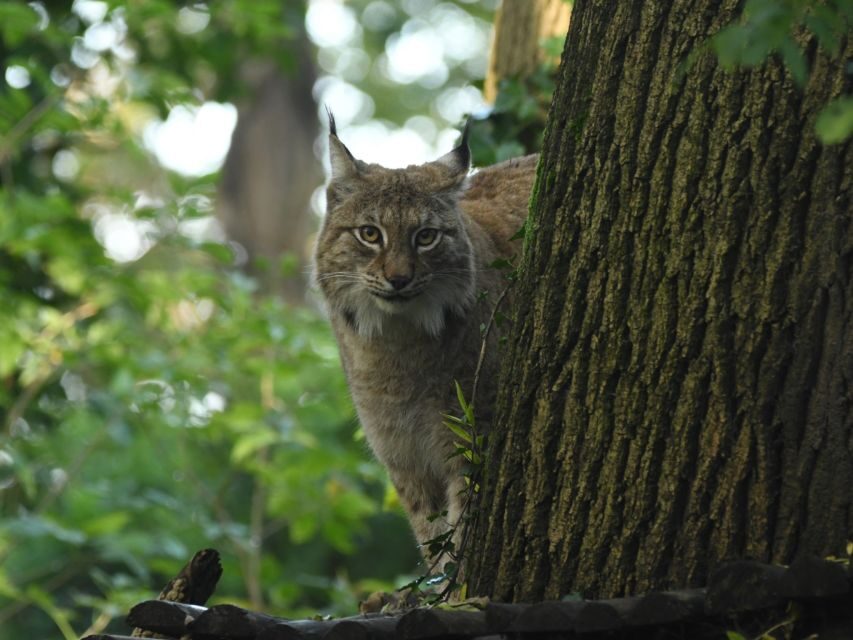
Bear Wood uses a raised walkway, which changes the viewing angles. You see animals from a comfortable height, instead of craning your neck from one spot or constantly checking fences. This is where you’ll spot bears, wolves, lynxes, and wolverines.
What I like about this section is the connection it makes between animals and habitat. It’s not just a collection of enclosures; it’s presented as a way to learn about threatened woodland habitats. Even if you don’t get every education panel, the structure of the area pushes you to think about habitat protection while you’re watching.
What to watch for:
- Bears: at play, climbing, relaxing in their pool, or interacting with wolves.
- Wolves: often more active when you’re settled in one viewing area long enough.
- Lynx: keep your eyes up toward treetops and also watch the undergrowth edges.
- Wolverines: look for movement patterns that can be subtle compared to bigger, more obvious animals.
Possible drawback: it can be a lot of “same environment” walking if you’re trying to hit every animal fast. If you get tired, build in breaks so you can watch properly. This is one of those sections where slowing down improves the experience.
Giraffe House: head-height feeding and the super-long tongue moment
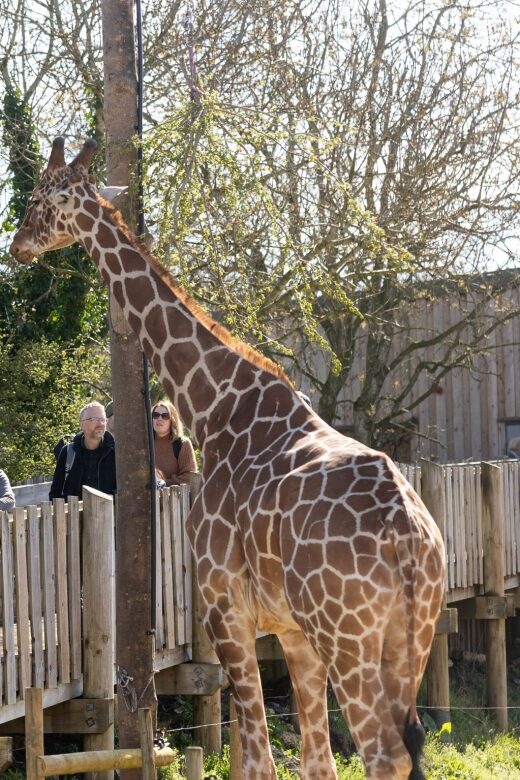
The Giraffe House is your head-height reset. You’ll come face-to-face with one of the three giraffes here, and the experience is built around feeding and play. When a giraffe leans in, it’s instantly real in a way that photos don’t fully capture.
The most memorable detail is their feeding behavior. You’ll get a clear look at those super-long tongues as they reach in. It’s a simple moment, but it’s the kind that makes kids laugh and adults go quiet for a second.
Practical tip: position yourself early rather than sprinting in. Feeding activity can last long enough for you to settle, watch, and then catch the giraffe’s change in posture as it tries again.
Also, since feeding animals isn’t allowed, you’ll be watching staff-managed feeding or natural feeding routines rather than trying to create your own interaction. That keeps the experience safer for animals and people.
Cheetahs, zebras, meerkats, and the bird set

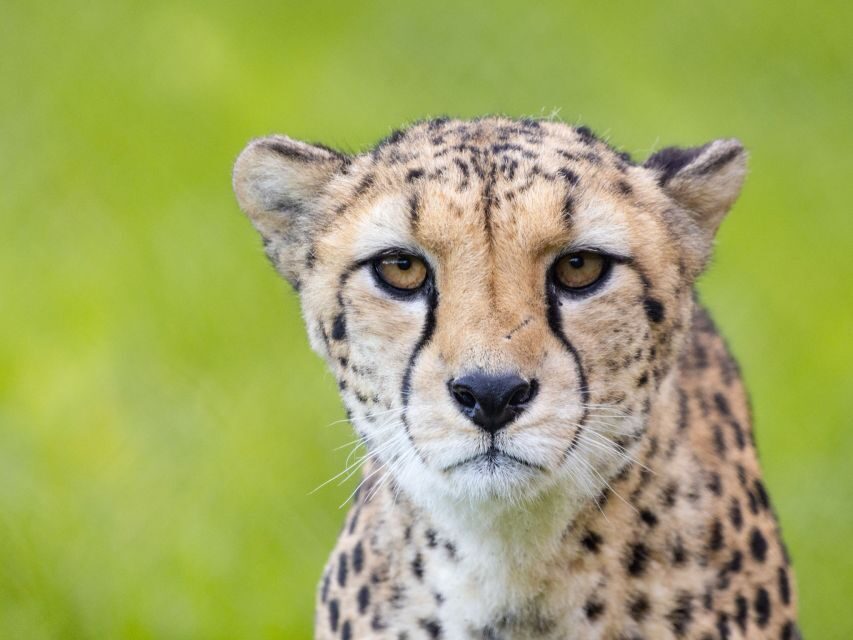
Bristol Zoo Project does a good job of spreading animal variety across the day, so you’re not stuck with only big mammals. You’ll also see cheetahs, zebras, and meerkats, plus other species such as ostrich, gelada baboons, and a range of bird species.
Birdwatchers will like the range. There’s mention of hornbill, noisy weaver birds, and the Sumatran laughing thrush. Even if you’re not an expert, it’s fun to slow down and match the sounds to the spot where you think the birds are moving.
Meerkats are usually the “little pause” in a day full of bigger animals. You tend to notice their quick changes in posture—standing, scanning, settling—while you keep walking between sections. Zebras help with that strong “habitat impression” feeling, especially because they fit the open-space style of the zoo.
A small note for pacing: it’s tempting to treat this like a checklist. Instead, pick two or three zones and spend extra time there. That’s how you get more than passing glimpses and actually see behavior.





Animal talks, feeds, and what conservation education feels like
One of the best parts of a conservation zoo is not only what you see, but how the day is structured around learning. Bristol Zoo Project runs animal talks and feeds throughout the year, which means there’s often an easy reason to pause and re-group your day around schedule moments.
You can learn about the zoo’s global mission, including its work saving wildlife in nine countries. The zoo also works with species classified by the IUCN as threatened, and even species described as extinct in the wild. That’s not small talk. It’s a clear signal that this isn’t just about entertainment.
How to use this on your visit:
- Check what’s happening when you arrive so you don’t miss the areas you care about most.
- Plan a short rest period before a talk or feed, not after. If you’re tired, you’ll miss details.
You don’t need a degree to get the value. The best learning happens when you watch an animal first, then hear staff explain what you’re looking at. That order tends to make the conservation message stick.
Play areas, Barefoot Trail, and Fun Fort breaks
Not every stop is about animals. Bristol Zoo Project has a strong kid-friendly rhythm, with many play areas to break up the walking.
One standout is the Barefoot Trail. It’s a fun idea because it forces you to slow down and engage with the ground underfoot, not just watch over a fence. If you’re an adult who enjoys small silly challenges, you might actually have fun here too.
There’s also undercover Fun Fort. This is the kind of spot that helps if the weather changes, because you can take refuge while still keeping your energy up.
Practical tip: bring or wear comfortable layers. Even in mild weather, woodland areas can feel cooler, and it’s easier to enjoy the day if you can adjust without stress.
Snacks, Courtyard Cafe, Base Camp Pizzeria, and Tower Meadow picnic
A zoo day needs food that doesn’t turn into a major mission. Bristol Zoo Project gives you options.
For a sit-down or quick grab, there’s the Courtyard Cafe and the Base Camp Pizzeria. You can also expect ice cream and cakes, which is always a solid strategy when you want to keep the day running smoothly.
If you prefer eating outside, Tower Meadow is described as the perfect picnic spot. Picnic-friendly areas are worth their weight in gold, especially when you’re visiting for a full day and don’t want to spend time waiting in line.
My advice: plan one snack “checkpoint” rather than guessing. If you know you’ll need a break halfway through, you’ll enjoy the animals more and you’ll keep your pace under control.
Parking and getting around: make your day fit
This is a self-paced entry ticket, so timing is about your own rhythm. The ticket is valid for one day, and the zoo is open with starting times based on availability.
Because much of the experience is outdoors with woodland sections, good shoes matter. The raised walkway in Bear Wood is great for viewing, but you’ll still spend plenty of time walking between sections.
Also, keep your expectations realistic around animal behavior. Even with the best planning, animals are living creatures. That’s part of the deal, and it’s also why revisiting an area for a second look can pay off.
Red pandas and the summer adventure play area update
Bristol Zoo Project keeps adding new experiences. A notable update for spring 2024 is red pandas. If you’re visiting around that period, that’s an easy reason to build extra time into your plan.
And in summer, Bristol Zoo Project is opening a new adventure play area inspired by Ankarafa Field Station in Madagascar. It’s the kind of thematic link that connects play to conservation messaging, which can make family visits smoother because it gives kids a reason to keep moving through the day.
If you’re going with younger travelers, this is worth asking about when you arrive, since the exact opening details can affect where you’ll spend your time.
Price and value: is $22.04 worth it?
At $22.04 per person, this entry ticket sits in a reasonable range for a full-day zoo experience, especially because parking is included. That matters. For many families, parking costs can turn a “cheap” outing into a medium-priced one fast.
The value here isn’t only the lineup of animals. It’s the structure: raised viewing walkways, a dedicated Lemur Walkthrough, and a full day of animal-focused learning tied to conservation work across nine countries. You also get plenty of built-in breaks with cafes, dessert options, picnic space, and play areas.
If you’re visiting for a short trip and want a day that feels both fun and meaningful, it’s a strong option. If you’re someone who hates walking, you might find the day takes more effort than you’d like. But for most people, the payoff is in seeing animals from the right angles and taking your time in the woodland sections.
Who this fits best
This ticket is a great match for:
- Families who want animal highlights plus play spaces
- Nature lovers who like woodland settings and raised viewing paths
- People who enjoy animal talks and want conservation education in plain language
- Anyone planning a day around car travel, since parking is included
Should you book Bristol Zoo Project?
Yes, if you want a conservation zoo day that mixes big animal moments with real outdoor walking and learning. The Lemur Walkthrough, the Bear Wood raised walkway, and the Giraffe House are three highlights that give you high-impact viewing, not just a quick pass.
I’d book it especially if your group includes kids, because the play areas and break points make the day feel manageable. The only real reason to hesitate is if your group wants minimal walking or you’re only in it for a very specific animal. If that’s you, plan to spend extra time in each featured zone rather than rushing.
FAQ
How long is the Bristol Zoo Project entry ticket valid?
The ticket is valid for 1 day. Starting times depend on availability.
What animals can I expect to see?
You can see animals including giraffes, bears, wolves, lynxes, wolverines, cheetahs, zebras, lemurs (five species in the Lemur Walkthrough), meerkats, ostrich, hornbill, weaver birds, and the Sumatran laughing thrush, along with other species such as gelada baboons.
What is the best-known attraction for lemurs?
The Lemur Walkthrough is the focused area for lemurs, where you can see five lemur species up close, including ring-tailed lemurs and blue-eyed black lemurs.
Is parking included?
Yes. Free parking is available, and the ticket information includes parking.
Are pets allowed?
Pets are not allowed. Assistance dogs are allowed.
Can I feed the animals?
No. Feeding animals is not allowed.
Where do I present my voucher?
Present your voucher at Bristol Zoo Project admissions on arrival. The zoo is located just off Junction 17 of the M5 motorway.