REVIEW · BRISTOL
Bristol City Highlights Tour with a Local
Book on GetYourGuide →Operated by Walking Tours In · Bookable on GetYourGuide
Bristol changes tone fast on a short walk. On a 90-minute Bristol City Highlights Tour with a local guide, you’ll hear how the city grew from a medieval trading hub into a centre of the British transatlantic slave trade, then lands in modern culture with pirate legends and street art like Banksy. I love the way the route turns landmarks into stories you can actually remember, and I love the finish at Bristol Cathedral, which helps everything click into place. The only real drawback to consider: it’s largely a facts-and-stories style walk, so if you want lots of back-and-forth, come prepared to ask questions.
You’ll meet outside the Old Council House on Corn St., and your guide wears a bright orange jacket so you won’t waste time hunting. And yes, it runs rain or shine, so bring comfortable shoes and weather-appropriate clothing.
One more plus I really appreciate is the personal touch. Guides I’ve seen named for this tour include Rob and Joanne/Joanna, and the energy tends to be part history lesson, part local perspective, with questions answered easily.
In This Review
- Quick hits I’d plan around
- Starting at the Old Council House on Corn St.
- Old City Bristol: medieval trade, darker chapters, and protest tales
- Pero’s Bridge: a short stop that links stories to the waterfront
- Queen Square and the civic feel of Bristol City Hall
- Llandoger Trow, Anchor Square, and the floating harbour in walking form
- Bristol Cathedral: why ending here makes the rest click
- Your local guide: storytelling style, question time, and local pride
- How the 90 minutes flow (and how to get the most out of it)
- Price check: why $16 for a local walk can feel like a deal
- Who should book this Bristol City Highlights Tour
- Should you book it or pass?
- FAQ
- How long is the Bristol City Highlights Tour?
- Where do I meet the guide?
- What sights are included on the tour?
- Is the tour a walking tour and how much of it is outdoors?
- Does the tour run in rain?
- What should I bring?
- Is it suitable for children?
- Is there free cancellation?
- Is the tour in English, and can I book a private group?
Quick hits I’d plan around
- A story-led route, not a checklist: trade, protest, pirates, artists, and modern street art linked to real streets.
- Pero’s Bridge gets proper context: it’s short, but it matters for understanding how Bristol connects land and water.
- Queen Square is more than a stop: it’s a scale-and-era moment for how the city is laid out.
- Floating Harbour clues show up in conversation: you’ll hear what makes it feel different from other waterfronts.
- Llandoger Trow and the harbour vibe: you get the pub-and-waterfront feel without turning it into a night out.
- Bristol Cathedral as a thoughtful finish: you end with a strong sense of place and meaning.
Starting at the Old Council House on Corn St.
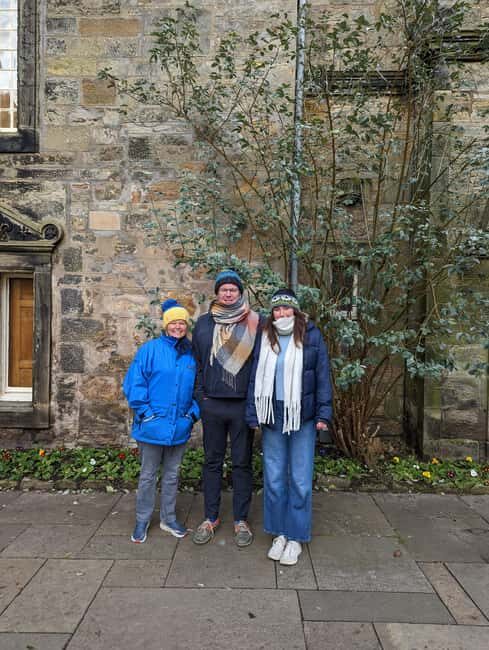
If you want to understand Bristol quickly, starting at the Old Council House makes sense. Corn St. puts you right in the thick of old civic power and busy pedestrian flow, so the walk doesn’t feel like you’re travelling to a set of disconnected photos.
This tour is built for direction and context. In the first stretch through the Old City, you’re not just told what’s there; you’re given a framework for why it’s there. That matters because Bristol’s identity isn’t one thing—it’s layered.
Also, the meeting setup is easy: you find your guide outside the Old Council House on Corn St., and they wear a bright orange jacket. For a 90-minute walk, that time-saving detail is bigger than it sounds.
Finally, if you’re the type who hates slipping into “photo mode” too early, this start helps. You get grounded in the city first, and then the sights feel like parts of a single story.
You can also read our reviews of more city tours in Bristol

Old City Bristol: medieval trade, darker chapters, and protest tales
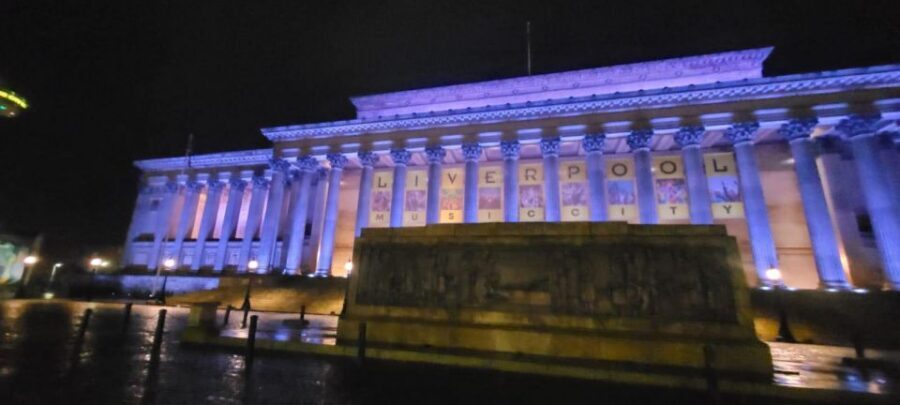
The heart of the walk is the Old City section—about 30 minutes—where you get the big turning points in how Bristol became Bristol. You’ll hear about how the city grew from an important medieval trading hub into one of the centres of the British transatlantic slave trade. That’s heavy material, but the format keeps it connected to streets and landmarks rather than abstract lectures.
Then the tone shifts in a useful way. The tour brings in pirates and protest, artists and adventurers, so you’re not only learning dates. You’re learning what people in Bristol were doing—resisting, creating, sailing, surviving.
One of the most memorable parts is how the guide ties together legends and evidence. You’ll hear Blackbeard’s legend and how it fits Bristol’s myth-making culture, plus Banksy’s graffiti as an example of modern street art and voice. Even if you don’t care about street art normally, the way it’s explained helps you see it as part of the city’s ongoing conversation.
A practical note: this section can include a lot of information. If you prefer quieter, slower storytelling or lots of audience participation, you may want to ask questions early. One review mentioned that some participants had limited chances to jump in, which is useful to know.
Pero’s Bridge: a short stop that links stories to the waterfront
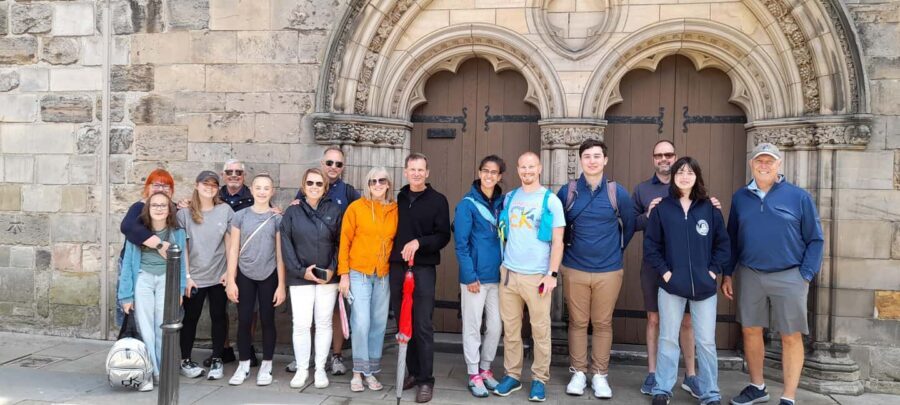
Pero’s Bridge takes about 15 minutes, but it’s one of those “small distance, big meaning” moments. The tour specifically focuses on Pero’s Bridge and the story behind it, which helps you connect what you see above ground with the city’s water-based history.
Why this stop is worth your time: Bristol’s waterfront isn’t just scenery. It’s part of how the city operated—trading, transporting, and also profiting from the darker routes that came with empire. When you’re standing near the bridge, you can better understand why this kind of geography mattered.
This is also where the walk starts to feel more physical in a good way. You’re moving between major points with the sense that you’re tracing how people once crossed, worked, and watched the harbour. Even if you’ve read about Bristol before, you’ll often find that seeing the bridge in context helps the story make sense.
Drawback to consider again: because the guide is telling a lot in a short span, it can feel like you’re listening more than chatting. If you want interaction, ask for one clarification as you arrive, not after you’ve already moved on.
Queen Square and the civic feel of Bristol City Hall
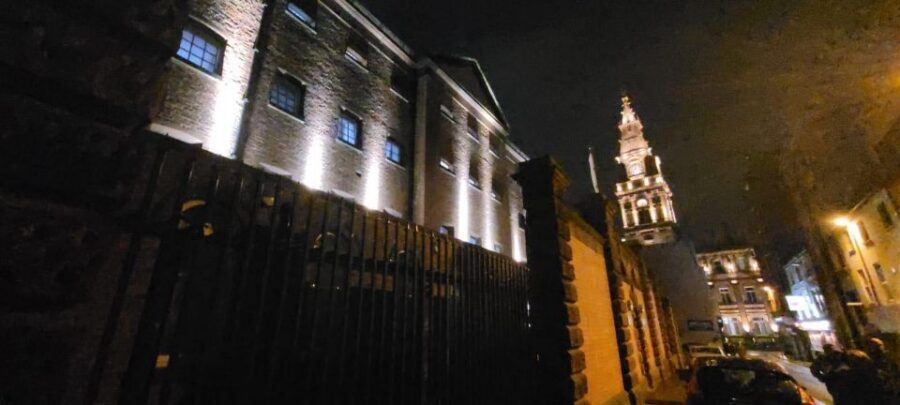
Queen Square is another 15-minute highlight, and it helps you understand Bristol’s civic identity. The tour brings you through the idea of city planning and public space, with key sights like Bristol City Hall and the atmosphere around the area.
Then, right in the same general sweep, you’re also set up to notice commerce and everyday life. The Bristol Corn Exchange is part of the tour experience, and it matters because it shows how Bristol’s trading energy turned into organised business and public architecture. This is one of those places where the building looks like a snapshot of a working city, not a museum set.
What you’ll likely appreciate here is pacing. Queen Square isn’t only a place to stand for a photo—it’s a viewpoint for how the city’s centres connect. If you’re a first-timer, this is where you start building your mental map: where you’ve been, where you’re going next, and why the guide is moving you in this specific pattern.
If you’re already a Bristol regular, you might still enjoy it. Even local-friendly walks often manage to point out details people have stopped noticing, like the way the public squares relate to the commerce and administration behind them.
Llandoger Trow, Anchor Square, and the floating harbour in walking form
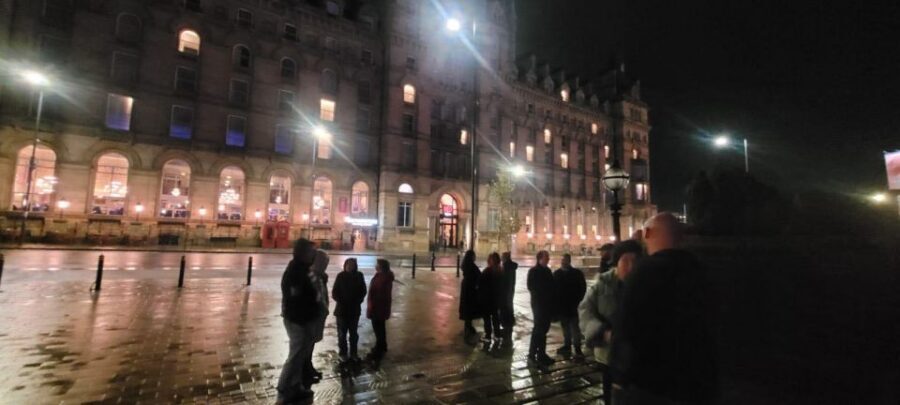
At some point on the way, you’ll pick up the harbour story in a more sensory way. The tour includes Llandoger Trow, plus stops linked to the secrets of the floating harbour and the atmosphere around Anchor Square.
This is where Bristol stops being a list of attractions and becomes a city with a working waterfront identity. The guide’s explanations help you understand the harbour as more than a pretty feature. You learn why people trusted it, used it, and built the city around it.
Llandoger Trow adds a distinct feel because it’s tied to the kind of social rhythm a harbour city has. Even without turning this into a bar stop, the tour uses it to anchor the story in lived experience—how visitors and locals moved through the area, how stories circulated, and why pubs and public meeting points matter in city history.
One more thing I like about this part: it gives you modern-to-old continuity. You can hear about pirate legends and protest history, but then you’re also shown how the waterfront still influences how the city feels today. That link is useful if you’re short on time and don’t want to do separate museum stops.
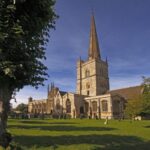



Bristol Cathedral: why ending here makes the rest click
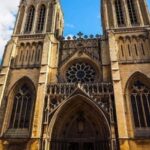
You’ll spend about 30 minutes at Bristol Cathedral, and the walk finishes there. Ending with the Cathedral is smart because it gives you a strong visual and emotional anchor after all the talk of trade, slavery, protest, and legends.
The tour doesn’t treat the Cathedral as a random landmark. Instead, it uses the finish to wrap up the themes. When you’re leaving the Old City and heading toward the Cathedral, you can feel the difference between earlier civic-and-commerce spaces and a place that has long served as a landmark for meaning and community.
This ending also helps with practical travel planning. If you want a next step after the tour, the Cathedral area gives you an easy waypoint. You know where you are, and you’re not stuck far from major sights.
Rain can be a factor here. The route runs rain or shine, and you’ll be outside for plenty of the walk. If the weather turns properly wet, keep your expectations realistic: you’ll still enjoy it, but bring clothing that lets you stay comfortable while listening.
Your local guide: storytelling style, question time, and local pride
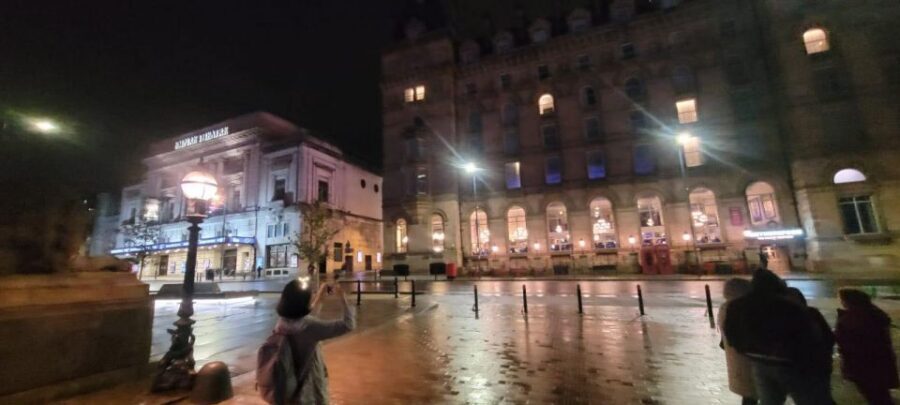
The tour is led by a live English-speaking guide, and that human factor is a big reason people rate this so highly. Names that show up in guide references for this route include Rob and Joanne/Joanna, and the overall style described is confident and energetic—history framed with personal perspective.
What to expect from the guide’s approach:
- Clear links between what you see and what it represents
- Stories that connect the city’s past to its modern personality
- Answers that are practical when you ask
This is also where you can manage your own experience. If you like tours that stay mostly in listen mode, you’ll be fine. If you want to contribute, don’t wait for a perfect moment—ask a question at the start of a stop while you’re standing still.
One review noted that a small group setup still left little room for participants to jump in. That doesn’t mean the guide won’t answer questions—it just means the structure is set up for guidance more than debate. If you want a conversation, be ready to steer it with curiosity.
How the 90 minutes flow (and how to get the most out of it)
With a 90-minute total duration, this tour is designed to be efficient. You start at the Old Council House, spend the largest chunk in the Old City, then move through a sequence of focused landmark moments: Pero’s Bridge, Queen Square, and finally Bristol Cathedral.
That timing matters because it prevents the common problem of “too much time, not enough clarity.” Here, each segment is short enough that you remember the reason for the next stop.
Here’s how I’d plan to enjoy it:
- Wear shoes you can walk in without thinking about them
- Keep your phone charged if you’ll use it for photos at Cathedral and Queen Square
- Bring a question to prompt better conversation, especially about the darker chapters and what the city looks like today
Because it runs rain or shine, your comfort affects your attention. If you’re cold or soaked, you’ll miss the details. If you’re comfortable, the guide’s pacing feels like a helpful narrative instead of a rushed lecture.
And because this is a walking tour, the experience is partly about movement. The guide’s stories land best when you’re actually walking between places, not when you’re standing in one spot for too long.
Price check: why $16 for a local walk can feel like a deal
At $16 per person for 90 minutes, the value is all about what you get beyond sightseeing. You’re not just paying for access to sights like Queen Square and Bristol Cathedral. You’re paying for a local storytelling lens that ties together trade, slavery, protest history, pirates, and modern street art.
If you’re doing Bristol in a short trip, this can save money versus piecing together multiple separate experiences. It gives you a framework, so later museum visits or self-guided wandering make more sense. Even if you don’t do anything else that day, you leave with a better sense of where the city’s themes show up on the streets.
Also, the price includes the local guide fee. That matters because the guide is the product. With a tour this short, you want a guide who can keep you moving and keep the narrative clear, and the strong rating suggests that’s what many people experienced.
One word of caution: this is best for people who enjoy walking and listening. If you hate guided narration, or if you want a slower pace with lots of independent exploration, you may feel like $16 is paying for something you wanted less of.
Who should book this Bristol City Highlights Tour
This tour makes the most sense if you:
- Are in Bristol for a short time and want key sights with context
- Like history that connects to real streets, not just facts on a page
- Enjoy stories that mix the famous with the local, including pirate legends and Banksy’s presence
- Want a structured route ending at Bristol Cathedral
It may not fit if you:
- Need something targeted for children under 12, since it’s not suitable for that age group
- Want a highly interactive experience where you talk most of the time
- Get miserable in wet weather and can’t manage rain with the right clothing
If you’re visiting as a couple or with friends, the route is a good “first day in Bristol” activity because it helps you decide where to go next. And if you want privacy, private group availability means you can tailor the pace more closely to your style.
Should you book it or pass?
I’d book it if you want a smart introduction to Bristol in a short window. The route covers major anchors like Bristol Cathedral, plus key city-feel stops like Queen Square, the Corn Exchange, and harbour-linked spots such as Llandoger Trow and Anchor Square. More importantly, the guide’s storytelling approach ties the city’s shifts over time into something you can actually picture later.
I’d think twice if you hate walking tours in light rain or if you dislike listening-heavy formats. Still, you can reduce that risk by bringing a question to ask and by dressing for the weather. Since the tour runs rain or shine, your clothing choice is the real make-or-break.
If you’re curious about pirates and protest alongside the heavier history tied to Bristol’s past, this is a strong match. It’s also a decent value at $16 for a live local guide over 90 minutes.
FAQ
How long is the Bristol City Highlights Tour?
It lasts 90 minutes.
Where do I meet the guide?
Please meet your guide outside the Old Council House on Corn St. The guide will be wearing a bright orange jacket.
What sights are included on the tour?
The tour includes stops and/or coverage around Bristol Corn Exchange, Bristol City Hall, Bristol Cathedral, Llandoger Trow, Queen Square, Pero’s Bridge, Anchor Square, and more.
Is the tour a walking tour and how much of it is outdoors?
Yes, it is a walking tour, and you should expect to be outside during the experience.
Does the tour run in rain?
Yes, the tour will take place rain or shine.
What should I bring?
Bring comfortable shoes and weather-appropriate clothing.
Is it suitable for children?
It is not suitable for children under 12.
Is there free cancellation?
Yes. You can cancel up to 24 hours in advance for a full refund.
Is the tour in English, and can I book a private group?
The tour is in English, and private group options are available.
If you want, tell me your travel dates and whether you’re visiting with kids or only adults, and I’ll suggest a simple Bristol “day plan” that pairs well with this 90-minute walk.