REVIEW · BRISTOL
Bristol: Dog Life Drawing led by local Artist Cai Burton
Book on GetYourGuide →Operated by Cai Burton Design · Bookable on GetYourGuide
A good sketch starts with movement, not perfection. This Dog Life Drawing session in Bristol turns that idea into a friendly, real-time art workout with multiple dogs in front of you. You’ll draw snorting flat faces, long legs, tight curls, and waggy tails, all while local artist Cai Burton guides you through techniques.
What I like most is how close you get to the dogs. You are not just looking at a photo reference; you’re adjusting your lines while they shift, sniff, and rotate. I also love the warm-up structure Cai uses to get you drawing faster and looser, even if you think you are not an artist.
One consideration: the class style is fun and relaxed, not rigidly lecture-heavy. If you want nonstop, step-by-step correction for every mark, you might need to speak up during the session or come in with a bit of confidence that you’ll learn by doing.
In This Review
- Key things to know before you book
- KIT FORM at Jamaica Street Studios: your entry point to Stoke’s Croft creativity
- Cai Burton’s warm-ups: drawing faster, not better later
- Rotating dogs and timed exercises: how to sketch while they wiggle
- The break with owners and pups: meeting the dogs behind the sketches
- Value for money: what $21 really buys you (and what it doesn’t)
- Stoke’s Croft timing: when to pair the class with a neighborhood stroll
- Who should go, and who should skip the dogs today
- Practical tips to get more out of your sketching session
- Should you book Dog Life Drawing in Bristol?
- FAQ
- Where does the class take place?
- How much does Dog Life Drawing cost?
- How long is the workshop?
- What language is the instructor?
- Are art materials included?
- Are drinks included?
- How many dogs will I draw?
- Can I bring a pet or feed the animals?
- Is the workshop suitable for children?
- Is it wheelchair accessible?
Key things to know before you book
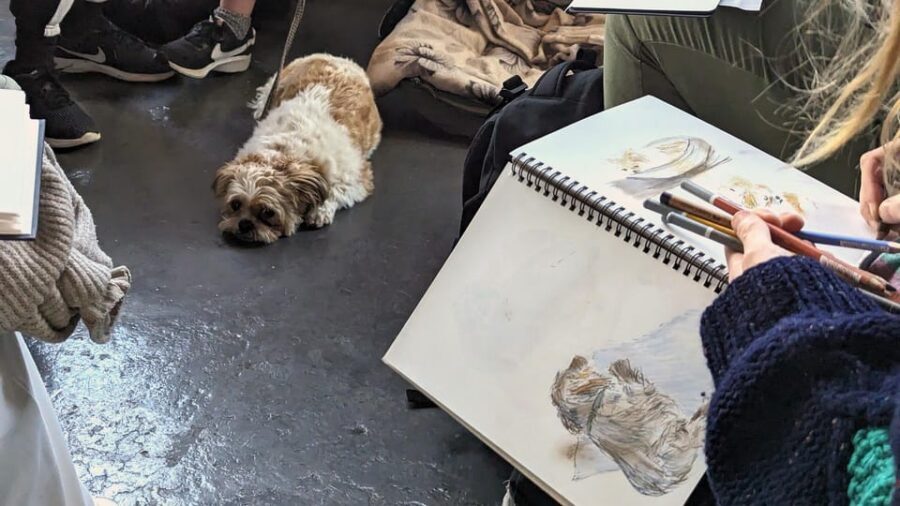
- Cai Burton leads the session with warm-ups and drawing prompts designed to build skill without pressure
- Multiple dog breeds in one class means you’ll practice different shapes, coats, and poses
- You can move around and rotate so you’re always working from a fresh angle
- Timed exercises and free sketch time let you choose between speed practice and slower details
- The break includes human conversation with owners and time to play with the pups
- Stoke’s Croft is part of the experience if you add a neighborhood walk before or after
KIT FORM at Jamaica Street Studios: your entry point to Stoke’s Croft creativity
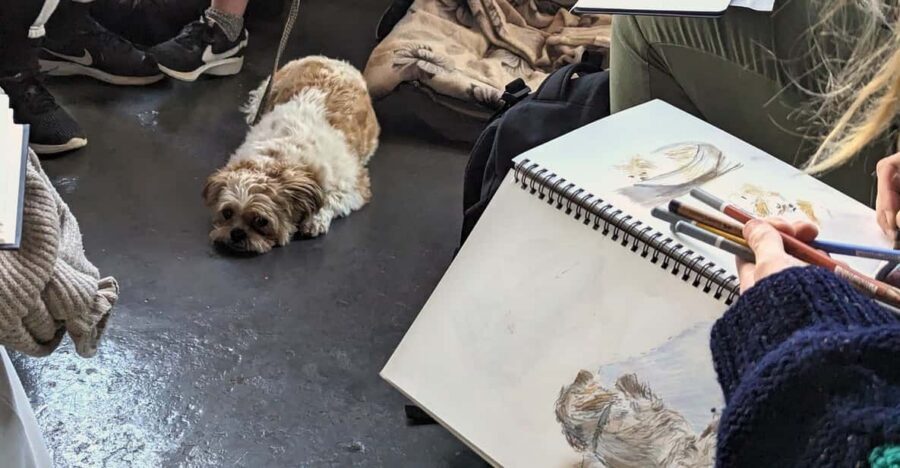
The workshop meets at KIT FORM, Jamaica Street Studios on Jamaica Street in Bristol, and the neighborhood around it (Stoke’s Croft) is the kind of place where art feels normal, not precious. Even before the drawing starts, that matters. You’re in a studio setting, not a stiff classroom, so you can focus on the dogs and the page.
The space is set up for moving around. That sounds small, but it changes everything. If you’ve ever tried to sketch from one fixed chair, you know how quickly a subject disappears behind bad angles or awkward posture. Here, you can reposition, rotate, and keep your viewpoint aligned with what the dog is doing at that moment.
Another smart part of the setup: the class uses chilled music while you draw. Low-pressure background sound helps you stay in rhythm. It also makes the session feel more like a shared creative afternoon than a test of your talent.
If you’re someone who gets stressed when you feel judged, this vibe is a big plus. People are there to practice, not perform.
You can also read our reviews of more tours and experiences in Bristol.



Cai Burton’s warm-ups: drawing faster, not better later
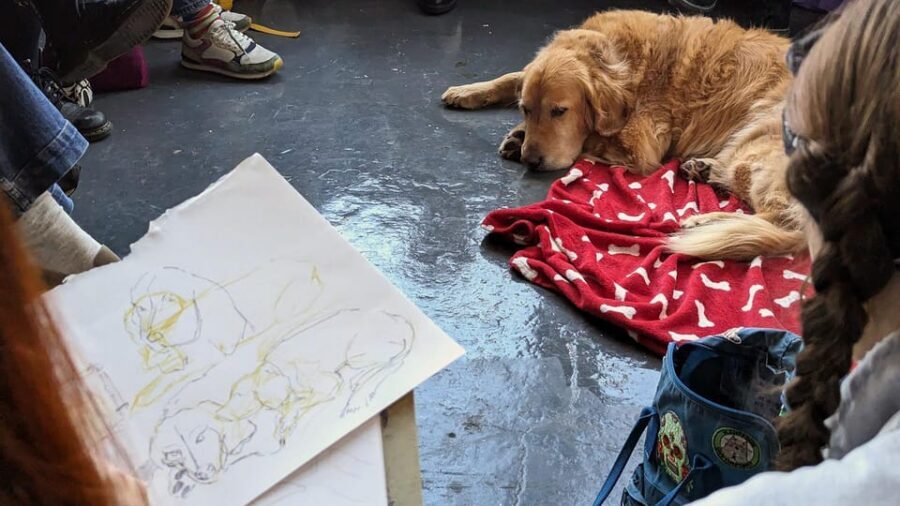
Cai Burton is the engine of this class. The session begins with structured warm-ups, then moves into exercises that keep you sketching rather than waiting for motivation.
Warm-ups are not filler. In this format, they’re training wheels for your hand and your eyes. You start with simpler tasks so you can loosen up before you face the tricky stuff: the shift from a dog’s still pose to its sudden head turn, or the moment a curled tail suddenly becomes a flowing S-shape.
You’ll also get prompts that steer you toward observation. Think less about copying every detail and more about capturing the big forms first. That’s especially useful with dogs, because the character is in the proportions: the spread of paws, the set of the ears, the length of the legs, and the way fur clumps where it bends.
One thing I appreciate from the feedback is that Cai’s coaching is both encouraging and clear. The warm-ups help people get moving, and Cai takes participants out of their comfort zone in a way that feels optional, not demanding. If you want to try a new technique, you can. If you’d rather refine what you already know, you still get something useful out of the class.
Rotating dogs and timed exercises: how to sketch while they wiggle
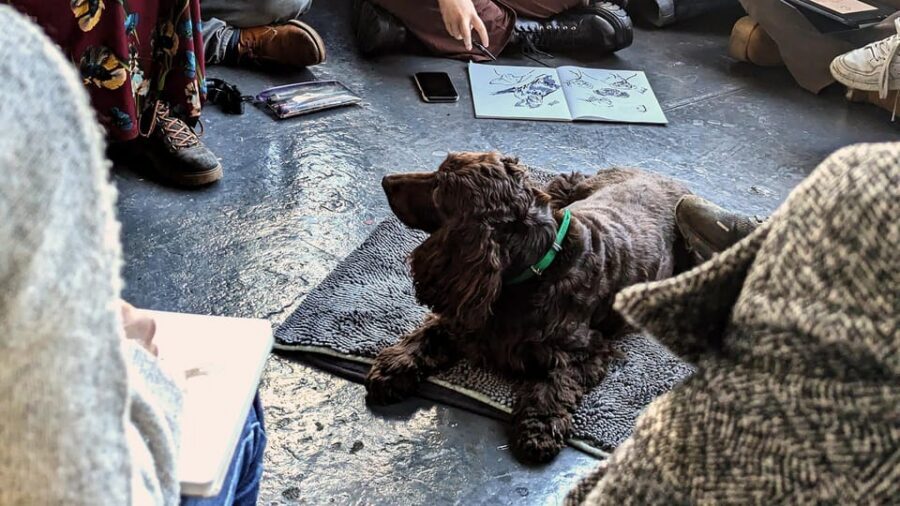
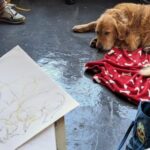
The core of the experience is straightforward: you draw real dogs that are right there with you. The workshop features a variety of dog breeds, multiple dogs per session, and you can expect a mix of shapes and coats. That variety is the hidden value. You’re not just learning one anatomy pattern. You’re practicing change.
You also have the chance to capture multiple sketches across the class. Sometimes you’ll be working through timed exercises led by Cai. Other times you can spend longer on what catches your attention. This balance works well because dogs rarely hold a pose for long. Timed prompts teach you to keep going even when the subject shifts.
Here’s what to expect in practical terms:
- Dogs may move quickly, so you’ll learn to keep your lines expressive rather than fragile.
- Different breeds mean different challenges, from flat-faced snouts to curly coats.
- Rotating stations keeps the session from feeling repetitive and helps you avoid drawing from a single boring angle.
This is also where the class becomes unexpectedly social. When you rotate, you’re surrounded by other people drawing alongside you. You can see how beginners and more confident artists approach the same dog. That’s a great reset if you tend to overthink your own work.
And yes, the dogs are cute in the way that makes you grin at your own sketch. But the point is bigger than cuteness. You’re learning a way to draw that works with living movement.
The break with owners and pups: meeting the dogs behind the sketches
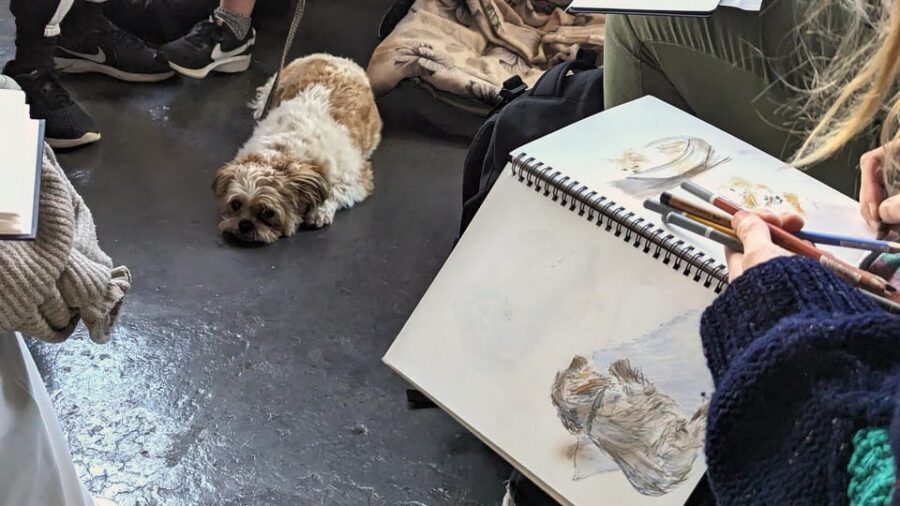
A life-drawing session with animals can stay purely transactional. This one doesn’t. During a break, you get the chance to meet the owners and interact with the pups. You can play with the dogs in that downtime, which helps break the concentration loop and makes the whole afternoon feel warmer and more human.
For a lot of people, this is where the experience clicks. You stop treating the dog as a subject and start seeing the individual: how it reacts to sound, how it chooses to sit, what it wants when it’s relaxed. Then you return to the page with better instincts, not just better eyesight.
There are also clear boundaries. You can play and interact during the break, but feeding animals isn’t allowed, and pets are not allowed during the session. Those rules keep things safe and fair for the dogs, staff, and participants.
If you’re worried about finding your courage, the break helps. You’re not trapped silently sketching. You get to ask questions, talk to other dog lovers, and see how everyone else is handling the same wiggly challenge.
Value for money: what $21 really buys you (and what it doesn’t)
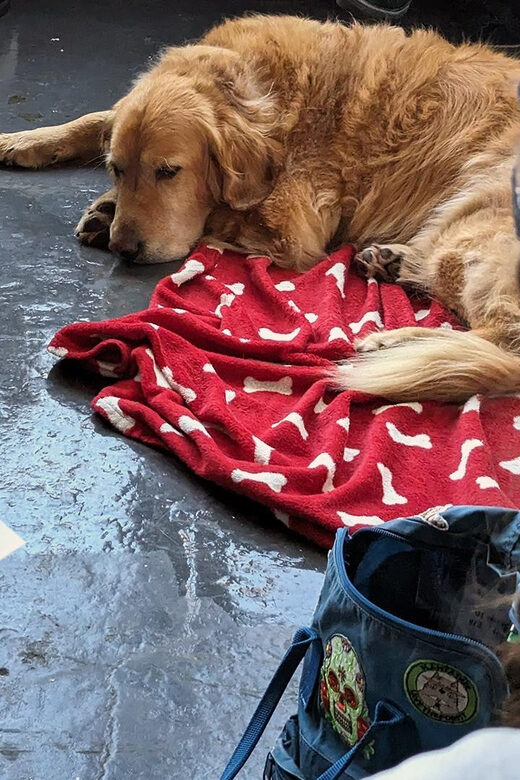
At around $21 per person for a 1.5 to 2 hour class, this is priced like an accessible local workshop, not a fancy art event. You’re paying for:
- A guide (Cai Burton) who leads warm-ups and exercises
- A workshop space and setup for drawing from real dogs
- Basic art materials like paper and pens/pencils
- Music during the session
- A variety of dog breeds right in front of you
- Time to play with the dogs during breaks
What you should not expect is high-end materials or a full-service drink package. Drinks and refreshments are available to purchase from the bar, but they are not included. Also, you may want more advanced supplies if you already have a personal sketching setup you love. This class gives you the basics so you can focus on drawing, not shopping.
Why the pricing works: the “subject” is the real cost driver. Multiple dogs, coordination, and a dedicated instructor take real effort. For the money, you’re getting more than a single photo-op drawing session. You’re practicing live observation with structure and support.
And if you’re bringing a friend or teen who likes animals, it’s a nice shared activity that doesn’t require prior art experience.




Stoke’s Croft timing: when to pair the class with a neighborhood stroll
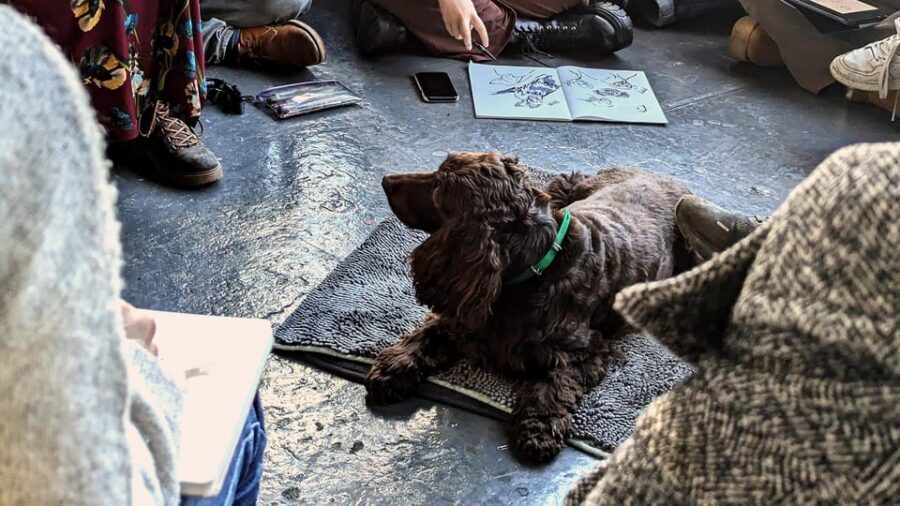
The class location in the Stoke’s Croft area makes it easy to stitch your afternoon into a bigger Bristol plan. You’ll likely finish with time to wander nearby, and this neighborhood is ideal for that. It’s creative, a bit eclectic, and generally good for casual strolling where you can reset your brain after sketching.
A simple game plan:
- If you want to explore without rushing, arrive a touch early so you can get oriented and settle in.
- After the class, take an unhurried walk. Look for street details, shopfronts, and anything that sparks form or texture. Those visual habits come back to help your drawing later.
Staying flexible also matters because dogs can change the pace. The class is fun and relaxed, with time to move around and see different dogs. If you schedule something too tight right after, you risk feeling stressed when you’d rather be wandering.
Who should go, and who should skip the dogs today
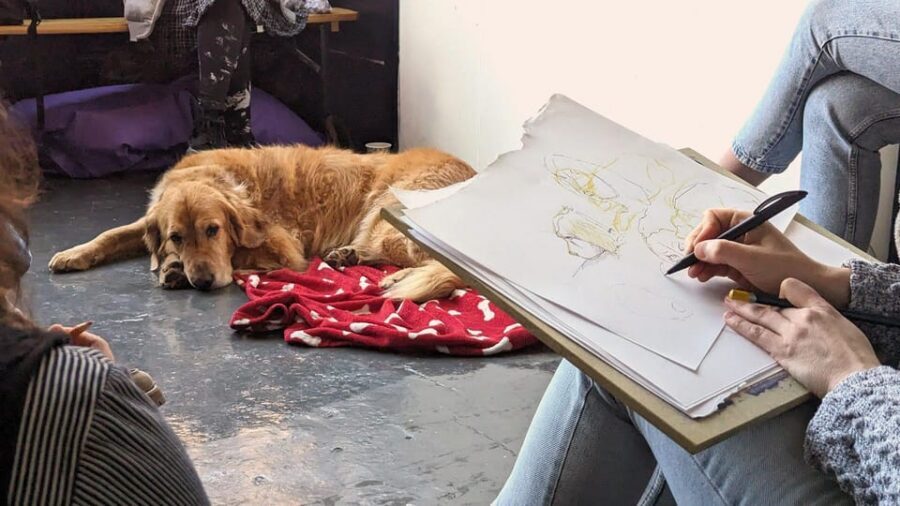
This experience is best for people who like learning through doing. If you love dogs and you want a hands-on creative activity that still feels laid-back, you’ll probably have a great time.
It also fits well if you’re:
- A beginner who wants instruction plus a gentle way to practice
- Someone who draws already and wants a new challenge with living subjects
- A dog lover who enjoys meeting owners and seeing dogs up close
It is not suitable for children under 12, and it is not recommended if you have animal allergies. Those are not small details. Dog life drawing is still an animal experience first, art experience second.
One more practical point: feeding animals isn’t allowed, so come with the understanding that your interaction will be focused on drawing and brief play, not treats or snacks.
Finally, this workshop is wheelchair accessible, which is a real plus. If mobility is a factor for you, you’ll want to look at the specific room layout when you arrive, but the activity is designed to accommodate.
Practical tips to get more out of your sketching session
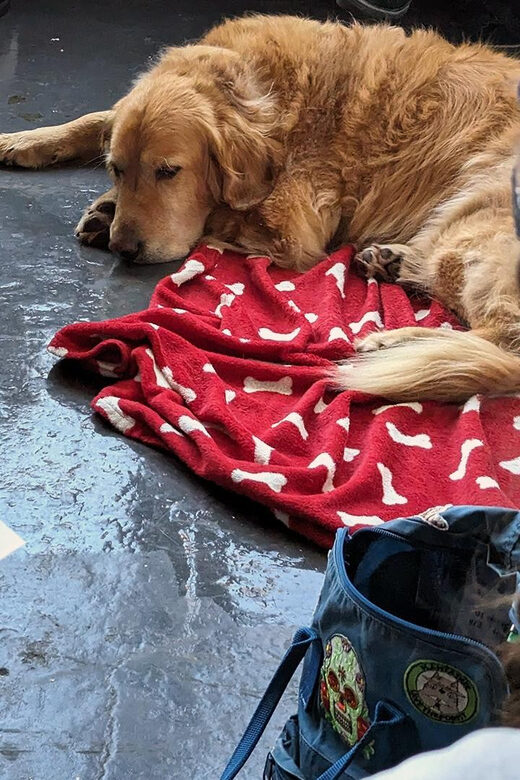
You don’t need to be good at drawing to enjoy this. You do need the right expectations: the goal is observation and practice.
Here’s how to set yourself up for success:
- Arrive ready to loosen up. A dog will move. Your sketch should move too.
- Focus on big shapes first: head shape, body length, leg angles, tail curve.
- Use the timed exercises as training. Don’t fight the clock; let it sharpen your instincts.
- Rotate and change your angle. Staying in one spot too long makes the assignment harder than it needs to be.
- If you want more direct instruction than the relaxed pace offers, ask Cai during warm-ups or when there’s a natural pause. The class has structure, so there are moments to check in.
Also, bring the right attitude about materials. Basic paper and pens/pencils are included. If you typically work with specific tools, you can still follow along, but don’t expect advanced supplies to appear on your table.
Should you book Dog Life Drawing in Bristol?
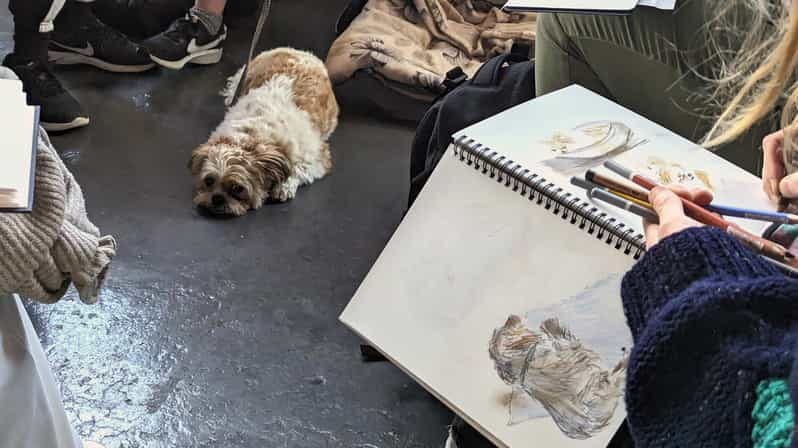
If you want a friendly, real-world art class where the subject is alive and the teaching is practical, I think you should book it—especially if you’re a dog person. Cai Burton’s warm-ups and coaching style seem to help people break out of their usual habits, and the rotating dog format keeps your practice fresh. The break time with owners and pups adds warmth that many workshops lack.
Skip it if you have animal allergies, if you’re bringing a child under 12, or if you strongly prefer highly technical, tightly scripted instruction. This is relaxed learning by watching, trying, and repeating.
If your idea of a great afternoon is simple: meet lovable dogs, sketch what you see, and leave with a page full of character, this is a solid bet in Bristol.
FAQ
Where does the class take place?
The class is led by artist Cai Burton at KIT FORM, Jamaica Street Studios in Bristol. The exact meeting point may vary depending on the option you book.
How much does Dog Life Drawing cost?
The price is listed at about $21 per person.
How long is the workshop?
The duration is typically 1.5 to 2 hours.
What language is the instructor?
The instructor speaks English.
Are art materials included?
Yes. Basic art materials and supplies such as paper, pens, and pencils are included.
Are drinks included?
No. Drinks are available to purchase from the bar, and refreshments are not included.
How many dogs will I draw?
Each class features multiple dogs of all shapes and sizes.
Can I bring a pet or feed the animals?
No. Pets are not allowed, and feeding animals is not permitted.
Is the workshop suitable for children?
It is not suitable for children under 12.
Is it wheelchair accessible?
Yes, the workshop is wheelchair accessible.