REVIEW · LONDON
British Museum Tour: Rosetta Stone, Parthenon, Mummies
Book on GetYourGuide →Operated by Move Venezia · Bookable on GetYourGuide
One museum, five big stories, all in two hours. The British Museum has a “too much to do” problem, so a guided hit list like this is a smart way to get value fast. I like that the tour stays focused instead of making you sprint across galleries, and I also like the mix of cultures on the same route. One catch: it’s on foot in a huge museum, so if you don’t love crowd noise, plan to struggle a bit with hearing during peak times.
The tour is built around major objects with real context, not random rooms. You’ll see the Great Court glass roof at the start, then move to the Rosetta Stone, the Parthenon sculptures, and a set of Egyptian and neighboring ancient finds that connect history across regions. A possible drawback is group logistics: it’s not private, and the guide may be easy to miss if the room is crowded.
Still, this is the kind of British Museum experience that makes you leave feeling oriented, not overwhelmed. For the price, you’re paying for a licensed guide’s story-telling and for someone to point you to the right works quickly, especially when the museum is at its busiest.
In This Review
- Key highlights worth your time
- A focused 2-hour plan in the British Museum
- Entering the Great Court glass roof moment
- The Rosetta Stone: why this object changed everything
- Parthenon sculptures and the Lord Elgin controversy
- Ancient Egyptian mummies: burial goods and everyday life clues
- Sutton Hoo treasures and Anglo-Saxon elite burial
- Winged Bulls from Khorsabad: Assyrian guardians in full scale
- How the guide makes a huge museum feel manageable
- Price and value: what $84.69 buys you
- What to pack, what to wear, and what to expect on your feet
- Who this tour suits best
- Should you book this British Museum tour?
- FAQ
- How long is the British Museum guided tour?
- Where do I meet the guide?
- What time should I arrive?
- Is the tour on foot?
- What languages is the tour offered in?
- Is this tour private?
- Is hotel pickup included?
- Are food and drinks included?
- What should I bring?
- Is the tour suitable for wheelchair users?
Key highlights worth your time
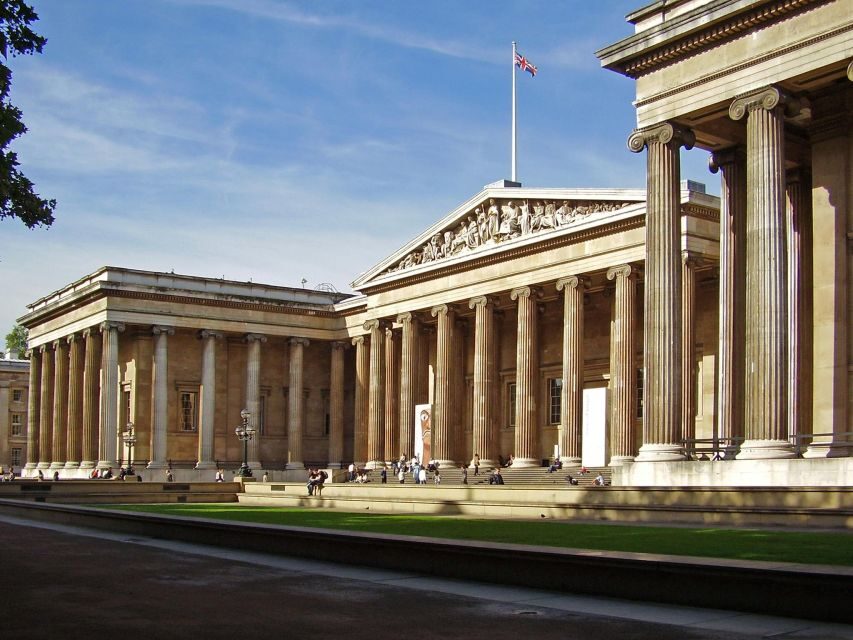
- Rosetta Stone clarity: see why this slab mattered for reading Egyptian hieroglyphs.
- Parthenon sculptures with a real backstory: understand the Lord Elgin removal controversy.
- Ancient Egyptian mummies and burial goods: learn what funerary setups suggest about belief and daily life.
- Sutton Hoo artifacts: get an Anglo-Saxon burial window, not just a quick glance.
- Khorsabad Winged Bulls: spot the scale and craft of Assyrian palace guardians.
A focused 2-hour plan in the British Museum
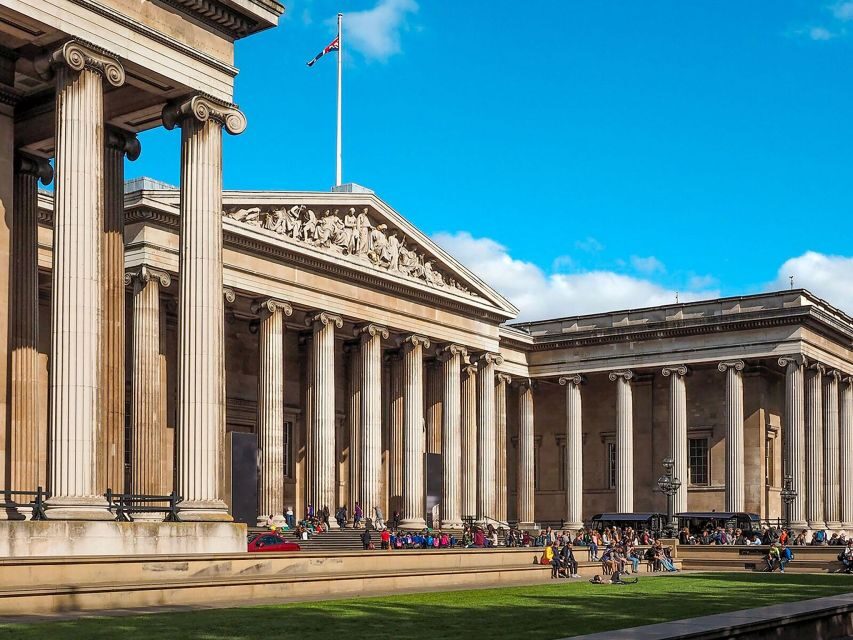
The British Museum can swallow your whole day if you let it. This tour solves that with a tight timeline (about 2 hours) and a clear route across galleries that the museum is famous for. You’re not trying to “see everything.” Instead, you’re learning how several headline artifacts fit into bigger historical puzzles.
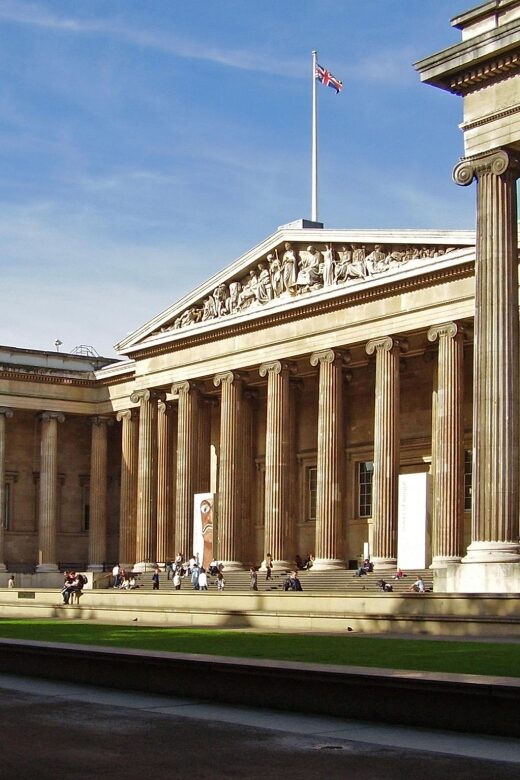
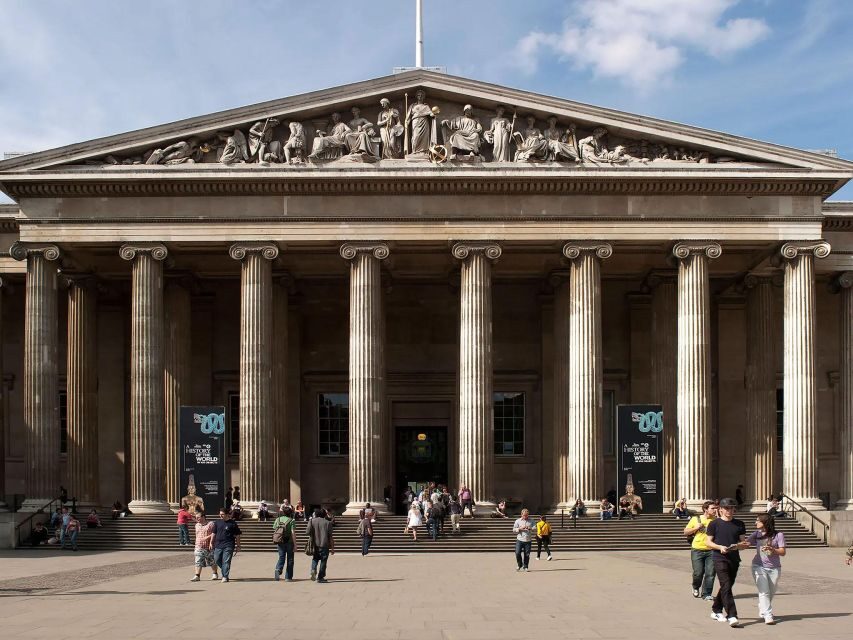
The meeting setup is simple: meet your guide on the stairs at the main entrance, after security checks. You’ll want to arrive at least 15 minutes early so you’re not rushing. The tour is on foot, and comfortable shoes matter because the museum is big and you’ll be walking.
Also note: it’s English and not private, so expect other people around you. That’s great for saving money, but it can make hearing harder in busy rooms.
You can also read our reviews of more museum experiences in London


Entering the Great Court glass roof moment
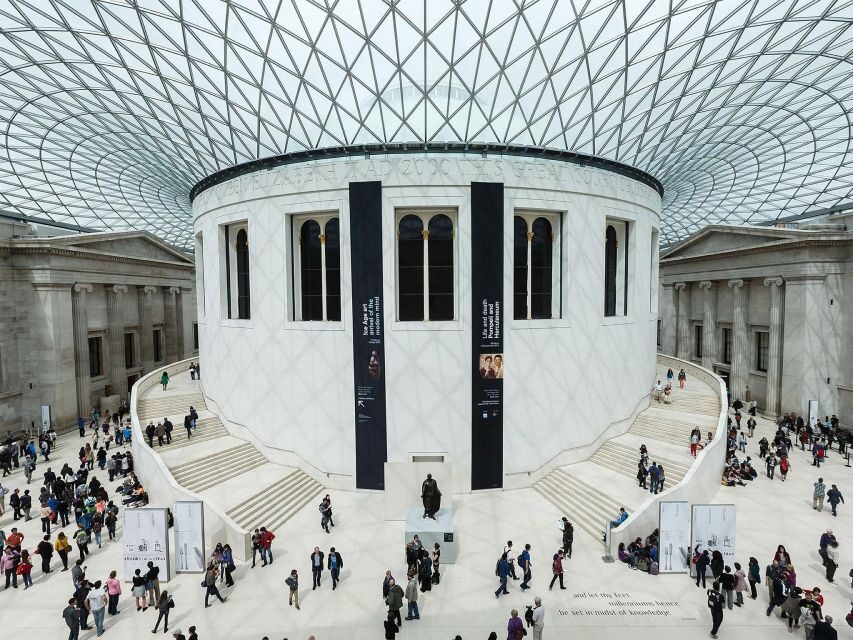
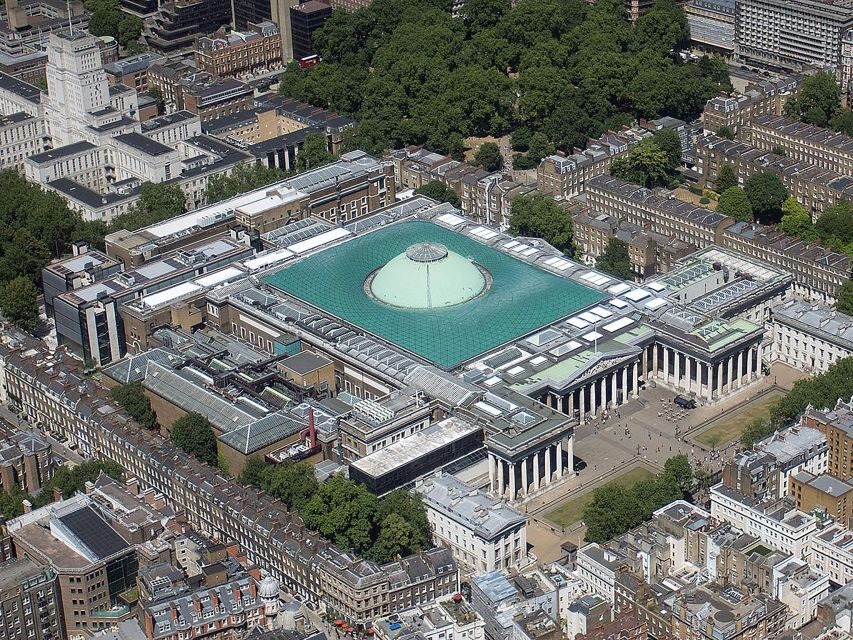
Before you get “object time,” you get a sense of place. The start point includes the museum’s architectural centerpiece: the Great Court’s glass roof. It’s a strong orientation tool because it helps you understand the museum as a designed experience, not just a warehouse of artifacts.
This is more than a pretty ceiling. It frames the visit: you’re about to move between worlds—Egyptian, Greek, Mesopotamian, and Anglo-Saxon—inside one of London’s most iconic public spaces. If you’re the kind of person who likes a quick mental map early, this intro is helpful.
One practical tip: in the Great Court, sound can bounce and groups can tighten up around photo spots. Stay aware of where your guide is standing so you don’t get separated.
The Rosetta Stone: why this object changed everything
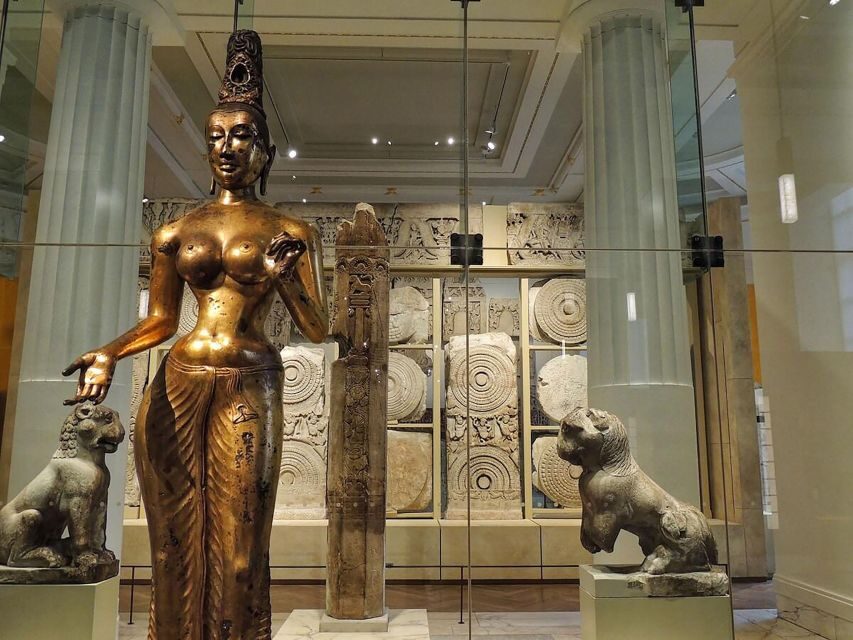
You’ll stop at one of the British Museum’s most famous pieces: the Rosetta Stone. Even if you know it by reputation, seeing it in person hits differently. It’s not just “a rock with writing.” It’s a key that helped people crack a writing system that had been out of reach for centuries.
The guide’s job here is important. Egyptian hieroglyphs are not usually intuitive at a glance. With an explanation, you can understand why the Rosetta Stone matters: it provided a way to connect Egyptian script to other languages and meanings known to scholars. That makes the object feel like a doorway, not a display label.
Value check: this stop is one reason guided tours make sense. The artifact is famous, but the meaning is what you’re really buying.
Parthenon sculptures and the Lord Elgin controversy
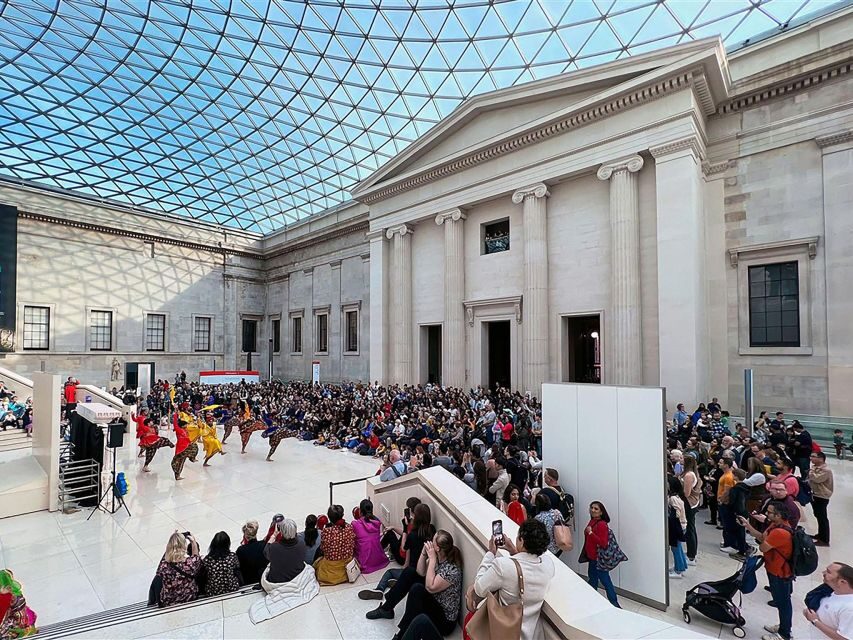
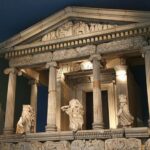
Next up is the Parthenon sculptures, and this is where the tour shows it’s not afraid of uncomfortable history. These sculptures were removed from the Parthenon in Athens by Lord Elgin, who was the British ambassador to the Ottoman Empire, and they ended up in the British Museum.
That story is a big part of why this stop can feel more like a debate than a museum glance. You’re not just looking at stone figures. You’re looking at how 19th-century politics, empire, and cultural collecting shaped what the world sees today.
If you care about ethics and context, you’ll likely enjoy this portion because the guide can connect artistry with the human story of acquisition. It’s a controversial piece of history, and it deserves more than silence from a gallery crowd.
Ancient Egyptian mummies: burial goods and everyday life clues
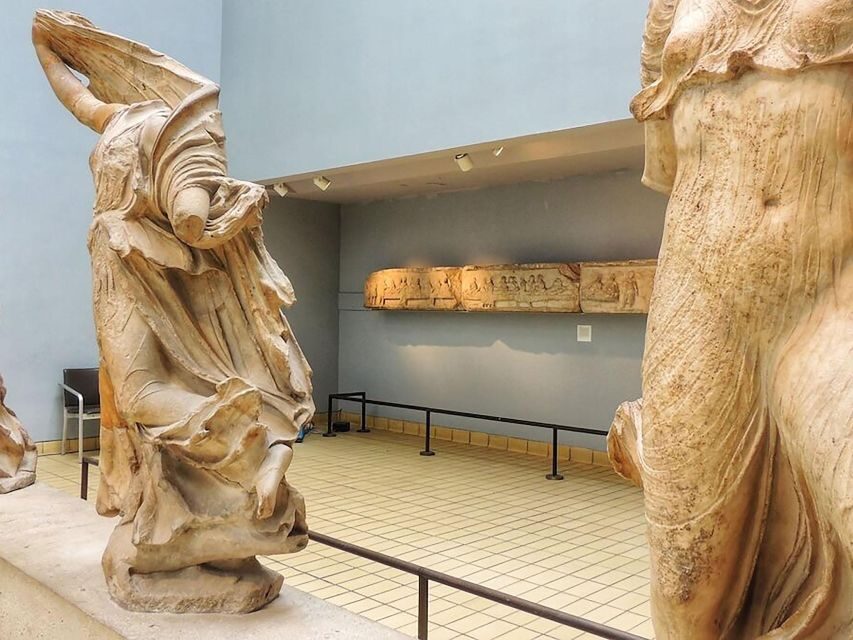
Then the tour shifts into the Egyptian galleries for mummies and burial artifacts. Seeing mummies in person is striking, but the better takeaway is what burial setups can tell you about beliefs and priorities.
The tour format helps here. Instead of treating mummies like a spooky sideshow, the guide frames them as part of a system: funerary practice, craftsmanship, and the spiritual ideas Egyptians attached to the afterlife. The artifacts can also hint at daily life indirectly, through the objects that were valued enough to accompany someone in death.
This stop can be emotional for some people, and quiet for others. Either way, the key is to listen for the explanation of what you’re seeing, because that’s what turns “wow, a mummy” into “I understand the purpose behind the display.”
Practical note: Egyptian galleries can be dimmer than the Great Court, and crowds can linger. Go at your guide’s pace so you don’t miss the object’s “why.”




Sutton Hoo treasures and Anglo-Saxon elite burial
After Egypt, you’ll move to something very different: Sutton Hoo. This is the Anglo-Saxon burial site known for high-status grave goods, and it’s a great way to widen your time period range without leaving the museum.
What I like about including Sutton Hoo is the contrast. The museum is often approached as a strict “ancient world” experience, but here you get early medieval Britain and a sense of power, ritual, and status. Even a short guided stop can make the artifacts feel connected rather than random.
You should expect a guided interpretation of the burial treasures and what they suggest about the people buried there. If you’ve never studied Anglo-Saxon culture closely, this is one of the fastest ways to get oriented.
Winged Bulls from Khorsabad: Assyrian guardians in full scale
The tour’s final major stop features the Winged Bulls from Khorsabad. These aren’t decorative wall pieces. They’re monumental forms that once functioned as guardians tied to the grandeur of an ancient palace setting.
The guide’s commentary matters a lot with this one. Without context, Winged Bulls can read like “big ancient art.” With context, you understand why their size and detail were meant to command attention and signal authority.
Khorsabad’s story helps connect Mesopotamian architecture and Assyrian power through sculpture. It’s a satisfying closer because you end on something that feels architectural, not just archival. You’re walking away with a clearer mental picture of how art worked in a society, not just how art survives.
How the guide makes a huge museum feel manageable
This tour’s biggest strength is how the guide shapes your attention. The museum is huge, and one of the smartest choices you can make is accepting that you can’t “do it all.” This tour pushes you toward a focused area so you can actually absorb what you see.
In particular, the guide’s historical and mythological background can make the objects snap into meaning. A strong explanation can also clarify why these collections exist where they are today, not only what they are.
One caution: hearing can be tough in busy rooms, especially if the guide speaks softly. If you’re sensitive to audio, pick a spot where you’re near the front of the group and keep your eyes up so you catch the narrative. Bring patience for crowds. This museum attracts them.
Price and value: what $84.69 buys you

At $84.69 per person for about 2 hours, the value depends on what you want from the British Museum. If your goal is a quick hit at famous objects, you might be tempted to self-tour and save money.
But here’s what you’re paying for:
- A licensed guide who connects the dots between Greek, Egyptian, Anglo-Saxon, and Mesopotamian pieces
- Time savings because the route is planned and you don’t have to hunt
- Interpretive context that makes famous artifacts less like trivia and more like understanding
For many people, this is a good deal because the museum’s biggest obstacle isn’t price. It’s time and overwhelm.
You also avoid some stress: no hotel pickup (so you’re not coordinating a meeting at your door), and your start is clear at the main entrance stairs. Food and drinks are not included, so you don’t overpay for a tour package that would otherwise leave you hungry or distracted.
What to pack, what to wear, and what to expect on your feet
This is an on-foot tour and the British Museum is enormous. Plan for a lot of walking, and wear comfortable shoes. Bring an ID or passport, because you’ll go through security at the start.
Weather matters in London. You’ll likely be inside most of the time, but you’re still moving from gallery to gallery and arriving at the meeting point after security checks. A light layer helps.
You should also know the tour is not suitable for wheelchair users, so if accessibility matters, look for alternatives.
Who this tour suits best
This works especially well if you:
- Want a tight, high-impact route through the museum’s top-name artifacts
- Prefer guided context over reading labels alone
- Like a mix of civilizations in one sitting, rather than one subject for hours
It’s not ideal if you:
- Need a private tour with guaranteed quiet and guaranteed audio control
- Are sensitive to crowds and find it hard to hear in busy spaces
- Are relying on wheelchair accessibility
Should you book this British Museum tour?
If you’re visiting the British Museum for the first time (or you only have a short window), I’d book it. The strongest reason is focus: you see major highlights like the Rosetta Stone, Parthenon sculptures, Egyptian mummies, Sutton Hoo, and the Winged Bulls from Khorsabad without trying to swallow the whole museum.
If you hate group settings or you know you’ll struggle to hear in crowded rooms, consider booking at a calmer time of day or choosing a smaller-format option elsewhere. Otherwise, this is a solid value way to leave with real context, not just photos.
FAQ
How long is the British Museum guided tour?
The tour lasts about 2 hours.
Where do I meet the guide?
Meet your guide on the stairs at the main entrance of the British Museum, after security checks.
What time should I arrive?
Arrive at the museum entrance at least 15 minutes before your scheduled start time.
Is the tour on foot?
Yes. The tour is on foot, and comfortable shoes are recommended.
What languages is the tour offered in?
The live tour guide provides the tour in English.
Is this tour private?
No, it is not private.
Is hotel pickup included?
No. Pick up from hotel is not included.
Are food and drinks included?
No. Food and drinks are not included.
What should I bring?
Bring your passport or an ID card.
Is the tour suitable for wheelchair users?
No, it is not suitable for wheelchair users.