REVIEW · LONDONDERRY DERRY
Derry: Peacemakers Museum Entry Ticket
Book on GetYourGuide →Operated by Peacemakers Museum Derry · Bookable on GetYourGuide
Right in the Bogside, this museum turns facts into feelings. I like how the experience is built around an oral archive and how the galleries move through time from August 1972 to May 2007. I also love the practical way it’s set up to guide you on your own, with interactive and video sections that help you make sense of what happened. The main thing to consider is tone: parts of the exhibition are intense, and this is not a light, quick stop.
You’ll walk through a full-scale riot scene, then into a replica H-Block prison cell, and later into a timeline of negotiations that leads toward the Good Friday Agreement. It’s designed so you can follow the story at your pace, using oral versions (including English) and the museum’s written text options. If you’re short on time, plan for at least a solid chunk of the day so you don’t end up speed-reading trauma and politics.
In This Review
- Key things to know before you go
- Peacemakers Museum in Derry’s Bogside: what makes it worth your time
- Price and what you actually get for $10
- Getting there: The Gasyard Centre, Free Derry Corner, and an easy start
- Gallery order that helps you understand the Troubles
- Start with the 1970s street-level reality
- Move into an H-Block prison cell and the emotional weight of details
- Follow the negotiations timeline with names you can anchor to
- Finish with the peace process and what community change looks like
- Oral archives and multilingual text: how to use them well
- A realistic time plan for a 1-day self-guided visit
- Where this museum fits in your Derry itinerary
- Should you book? A direct call
- FAQ
- How long is the Peacemakers Museum ticket valid for?
- Is the tour self-guided or guided?
- What is the price per person?
- Where is the museum located?
- How far is it from Free Derry Corner?
- What language options are available?
- What does the museum cover?
- What’s included with the ticket?
- Is food or drinks included?
- Is the museum wheelchair accessible?
- Can I cancel my booking?
Key things to know before you go
- Oral-based archive: the core material is people’s stories from the era, not just dates and names
- Full-scale reconstructions: you’ll see a riot scene designed to put you in the street-level reality of the Troubles
- H-Block cell replica: letters, personal belongings, and murals bring prisoner experiences into focus
- Negotiations timeline: key roles highlighted through rare photographs, documents, and interviews, including John Hume, Martin McGuinness, and Mitchel McLaughlin
- Peace-process closing gallery: the final section shifts to community change and the power of dialogue
Peacemakers Museum in Derry’s Bogside: what makes it worth your time
The Peacemakers Museum sits in Derry and Strabane, right in the Bogside area. That matters more than you might think. This isn’t a history exhibit that floats above its subject. The Troubles unfolded in these streets and communities, and the museum’s layout keeps that grounded feeling as you move from room to room.
I like that the museum takes a steady approach to time. The exhibition covers the period from August 1972 to May 2007, so you’re not just looking at isolated events. Instead, you’re following the arc from escalating conflict to political negotiation and, eventually, the peace process. For you, that helps a lot if Irish history and Northern Ireland politics are new or fuzzy. It’s easier to understand patterns when the story is staged in sequence.
Another reason this ticket feels like good value: for a self-guided visit, you’re getting a lot of content designed to be experienced rather than skimmed. You’ll encounter soundscapes, dramatic lighting, authentic artefacts, and multiple ways to process the information (oral and written text options). At $10 per person, it’s priced like an entry ticket, but it functions like a full afternoon of learning.
The one drawback I’d flag upfront: the subject matter is emotional and political. Even with the “self-guided” format, you may want to pace yourself—stop when you need to, and don’t force it if you find a section too heavy.
You can also read our reviews of more tours and experiences in Londonderry Derry.

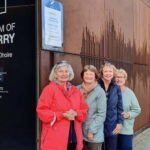
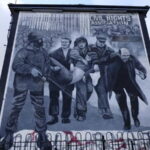
Price and what you actually get for $10
At $10 per person, you’re paying for entrance to the museum, and that’s it: the ticket covers admission, not meals or drinks. So think of this as a “time and attention” purchase. The price makes sense if you plan to spend real time with the exhibitions rather than treating it like a quick photo stop.
Why it’s good value: the museum doesn’t rely only on text panels. It uses an oral-based archive, plus media like video installations and interactive displays. You’re paying for a format that helps you understand context—especially helpful for a topic where terms and timelines can feel overwhelming.
If you’re deciding between this museum and a pub stop (yes, both are possible in Derry), I’d suggest matching your mood. If you want atmosphere and human stories, this is the choice. If you want only light entertainment, save it for another day.
Getting there: The Gasyard Centre, Free Derry Corner, and an easy start
You’ll find Peacemakers Museum in The Gasyard Centre. It’s about 0.3 miles away from Free Derry Corner, roughly a 6-minute walk.
That’s an advantage if you’re already doing the Free Derry / Bogside area in one loop. Start at the corner, walk over, and you’ll build a natural flow from street-level commemoration into museum-level storytelling. Also, because it’s a short walk, you can adjust your plan without burning time.
When you arrive, expect an English-speaking host or greeter. That’s handy if you want help understanding how to choose the English oral version or any other available options for full museum text.
Gallery order that helps you understand the Troubles
Because the visit is self-guided, there’s no strict group schedule. But the museum is arranged like a guided route: you move from reconstructions of lived experience, to prison-era material, to political negotiation, and finally to peace outcomes.
Here’s a practical way to think about your walkthrough. Imagine the museum as four acts, and you’ll get more out of it than if you bounce randomly from room to room.
Start with the 1970s street-level reality
The museum opens by placing you in 1970s Derry, beginning with a full-scale riot scene reconstruction. This part is built to do more than show you what it looked like. It uses lifelike soundscapes, dramatic lighting, and authentic artefacts to recreate the chaos and emotion of that time.
For you, this is a useful entry point because the Troubles weren’t just political arguments; they were experienced by people in public space. If you’ve ever read about events that felt like bullet points, this kind of reconstruction helps you connect the dots back to human scale.
Practical note: this is one of the places where pacing matters. If you tend to read and absorb slowly, don’t feel rushed through the first room. If you prefer action and motion, you’ll likely want to linger less—but still take in the audio and light cues, because that’s part of how the museum communicates.
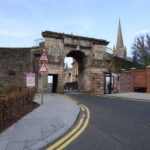
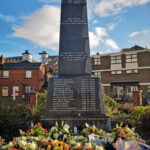



Move into an H-Block prison cell and the emotional weight of details
Next comes a replica H-Block prison cell. This section shifts the focus from public conflict to the controlled, harsh realities faced by republican prisoners.
What makes this meaningful isn’t just the setting. The museum includes personal and human-scale items like belongings, letters, and murals. Those details do something big: they turn the prison story from an abstract concept into a set of individual voices, routines, and responses.
If you’re trying to understand why prisoners and their communities became so central to the politics of the period, this gallery gives you context you can’t get from a single summary. The letters and visual material are especially useful because they show how people carried identity and resistance under pressure.
Consideration: if you’re sensitive to confinement themes, allow yourself a breather after this cell area. You can’t always “unsee” certain emotional cues in a museum like this, even when it’s presented thoughtfully.
Follow the negotiations timeline with names you can anchor to
After the prison section, the museum moves into a timeline of political negotiations. This part uses rare photographs, documents, and interviews, so you can trace how dialogue and decision-making evolved over time.
The museum highlights local leaders including John Hume, Martin McGuinness, and Mitchel McLaughlin. Even if you don’t know Northern Ireland politics well, seeing these names anchored to documents and interviews helps you build mental handles for the story.
For readers who like structure: this is the section where you’ll feel the “timeline” concept click. Instead of absorbing multiple eras at once, you’ll be able to spot connections—how events influenced negotiation and how negotiation changed what people expected next.
The Good Friday Agreement is a major endpoint you’ll work toward here. You’ll also see video installations and interactive displays that support the narrative, so you’re not only looking at static panels.
Finish with the peace process and what community change looks like
The final gallery focuses on the peace process and the power of community. It’s a deliberate change in tone from the earlier conflict-heavy rooms. The museum uses this ending to make a point: that real change requires more than signed statements—it depends on people working together even after deep division.
I like this conclusion because it avoids the trap of turning history into only tragedy. It doesn’t erase the hard parts, but it leaves you with a sense of what came after, and why that mattered to the people inside the story.
If you’re visiting with someone who’s not into politics, this final room is often the most relatable part, because it’s about everyday community strength rather than negotiation mechanics.
Oral archives and multilingual text: how to use them well
One of the museum’s standout features is its oral-based archive. Instead of relying only on text, it centers stories from the people who lived through the era.
You’ll also find that the museum offers oral versions including English, and additional language options are available for the full museum text. The key for you is to choose what helps you absorb without tiring out.
A smart approach:
- If reading makes you slow down, use the oral option so you keep the flow.
- If you prefer precision, stay with the written text and treat the audio as reinforcement.
- When you’re tired, switch modes rather than forcing yourself to push through everything in one way.
This matters because the topic includes complex relationships and political terms. The audio approach can help you keep context as you move through time.
And yes, you can also rely on the museum staff. In my experience of how well-run the place feels, the on-site help makes a difference when you want to confirm language options or figure out the best way to navigate the galleries.
A realistic time plan for a 1-day self-guided visit
The ticket is valid for 1 day, and you’ll likely want a full museum pacing rather than a “stop at two rooms” plan. Because it’s self-guided and content-heavy, your best bet is to decide your target intensity: quick read vs slow absorption.
If you want the most value from the ticket, aim to:
- Spend time in the riot reconstruction area long enough to process the sound and lighting cues
- Take your time with the H-Block cell replica and its items like letters and murals
- Give the negotiations timeline enough attention to connect names to developments
- Don’t rush the closing peace-process gallery
You don’t need to do it all in one sitting, but this is the type of museum where “half-paying attention” reduces the impact. Even at self-guided pace, the museum is doing purposeful storytelling, not just displaying objects.
Where this museum fits in your Derry itinerary
This is a strong choice when you want more than walking tours. Derry’s streets tell part of the story, but the Peacemakers Museum gives you the inside view—how people experienced conflict, how they coped, and how negotiation eventually changed lives.
It pairs well with the nearby Free Derry Corner area because the geography is close. You can connect street memory to museum context in one day without spending hours getting between stops.
Who it suits best:
- You want political and social history with human voices
- You like museums that use audio and interactive elements
- You’re okay with emotionally heavy material and prefer thoughtful learning over quick entertainment
Should you book? A direct call
Book it if you want a structured, self-guided way to understand the Troubles from 1972 through 2007, using oral stories, reconstructions, and a negotiation timeline that names major figures like John Hume, Martin McGuinness, and Mitchel McLaughlin.
Skip or postpone if you’re looking for a light, casual museum visit. The content is serious, and the prison and conflict sections can hit hard. Also, if you only have a tight schedule and can’t spare real time, you may end up skipping the audio and interactive parts—the bits that make the ticket feel worth it.
If your day in Derry is flexible, this is one of the best places to center your understanding of the region, not just its landmarks.
FAQ
How long is the Peacemakers Museum ticket valid for?
The ticket is valid for 1 day.
Is the tour self-guided or guided?
It’s a self-guided experience.
What is the price per person?
The price is $10 per person.
Where is the museum located?
The Peacemakers Museum is located in The Gasyard Centre in Derry and Strabane.
How far is it from Free Derry Corner?
It’s about 0.3 miles, a roughly 6-minute walk from Free Derry Corner.
What language options are available?
The museum entry lists English. It also notes oral versions in English and multi-lingual oral options for the full museum text, where available.
What does the museum cover?
The exhibition period runs from August 1972 to May 2007, including key events that lead toward the Good Friday Agreement.
What’s included with the ticket?
The ticket includes entrance to the museum.
Is food or drinks included?
No. Food and drinks are not included.
Is the museum wheelchair accessible?
Yes, it is listed as wheelchair accessible.
Can I cancel my booking?
It offers free cancellation up to 24 hours in advance for a full refund, and it also supports a reserve & pay later option.