REVIEW · GLASGOW
Glasgow: Must-See Attractions Guided Walking Tour
Book on GetYourGuide →Operated by Guydeez Tours · Bookable on GetYourGuide
Glasgow rewards slow walking. I like how this 3-hour route ties major sights together with real street-level stories, so you get your bearings fast and don’t just collect photos. I also love the finish at the Gallery of Modern Art, because you walk out with a feel for Glasgow’s attitude, not only its landmarks.
One thing to consider: the experience depends heavily on the guide. When the guiding is strong, you’ll get clear history plus small human details; when it isn’t, the walk can feel more like sightseeing than storytelling.
In This Review
- Key points to know before you go
- Starting at George Square and Getting Glasgow’s Main Idea
- Glasgow Cathedral and the Necropolis: Architecture With a Big Shadow
- Merchant City Murals and Tolbooth Steeple: Spot the Stories in Plain Sight
- St Andrew’s In The Square, Then People’s Palace and Winter Gardens
- River Clyde Shipbuilding: Why Glasgow’s Skyline Makes Sense
- Buchanan Street’s Victorian Swagger
- Finishing Outside GOMA and the Duke of Wellington Cone
- Price and Value: What $35 Buys You in Real Terms
- Private vs Shared: How the Tour Shape Changes
- Guides and Language: Why It Can Make or Break the Walk
- Who This Walk Suits Best
- Should You Book This Glasgow Walking Tour?
- FAQ
- How long is the Glasgow guided walking tour?
- What is the price per person?
- Is this tour shared or private?
- Where is the meeting point?
- What language will the guide speak?
- What’s included in the tour price?
- Are food or drinks included?
- Is the tour wheelchair accessible?
- What areas are covered during the walk?
Key points to know before you go
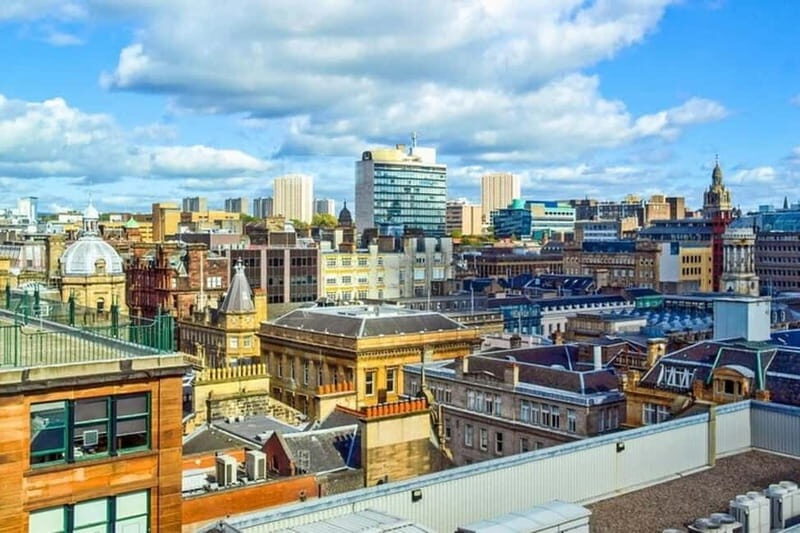
- George Square start, powered by People Make Glasgow: you begin where locals point when they explain the city.
- Glasgow Cathedral and Necropolis on foot: architecture and cemetery-scale views make the “big history” feel tangible.
- Merchant City murals plus Tolbooth Steeple: street art and civic landmarks sit side by side.
- People’s Palace and Winter Gardens: a quick reset with a distinctly Glasgow twist.
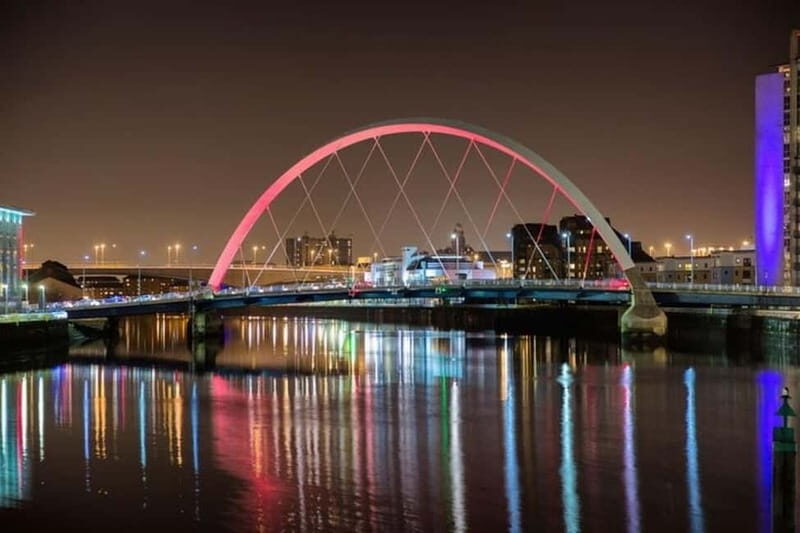
- River Clyde shipbuilding talk: you’ll connect the skyline you see now to the industry that built the city’s confidence.
- GOMA and the Duke of Wellington cone statue: a funny, memorable punctuation mark to the walk.
Starting at George Square and Getting Glasgow’s Main Idea
The tour meets at George Square, the city’s loud center where the slogan People Make Glasgow actually makes sense. From your first steps, you’ll hear why locals talk about the city like it’s a team sport. That framing matters, because Glasgow is easier to understand when you treat it as a place made by people, not just a list of buildings.
Expect a steady walking rhythm. This is not a “stop for every 30 seconds” tour, but it also isn’t a speed-walk where you miss details. The guide sets the pace, and you’ll spend most of your time outdoors, so bring shoes you trust and a layer for weather that changes its mind.
The practical upside for you: you’ll get orientation in a short window. If it’s your first day, this helps you stop second-guessing neighborhoods and start planning what you want to see next.
You can also read our reviews of more walking tours in Glasgow
Glasgow Cathedral and the Necropolis: Architecture With a Big Shadow
Glasgow Cathedral is the first major anchor of the walk, and it’s a great choice for a guided start. Even if you’re not a church buff, the place communicates scale and time. The guide points out details so you understand what you’re looking at instead of guessing.
Then comes the Necropolis, which adds a different mood entirely. You get the sense that Glasgow isn’t only about work and industry—people here also cared intensely about remembrance, status, and how a city presents itself to future generations. Walking between these spaces teaches you something important: Glasgow’s story is layered, not linear.
A small tip: look up as you go. The angle of streets and the way buildings and stonework appear at different heights make this stretch far more interesting than it sounds on paper.
Merchant City Murals and Tolbooth Steeple: Spot the Stories in Plain Sight
After the cathedral area, the route moves into the Merchant City, where the city’s visual language shifts. You’ll see murals on walls that also work as history boards if you know what to read. The guide’s job here is to turn what looks like decoration into context—who painted it, why it matters, and how it fits Glasgow’s personality.
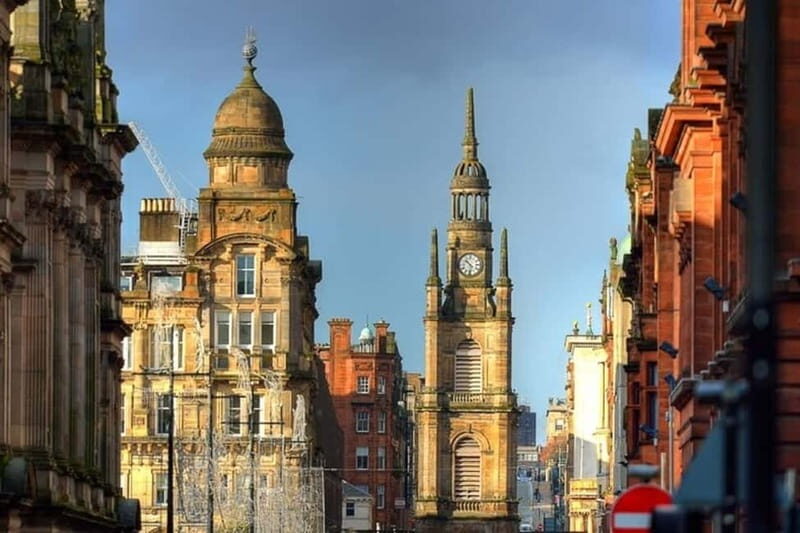
Tolbooth Steeple is another strong stop. It’s the kind of landmark that can look like a random piece of architecture unless someone connects it to civic life. With a guide, it turns into a reference point: trade, governance, and the everyday machinery of the city.
If you like walking tours that mix culture with architecture (rather than pure chronology), this is where you’ll probably start feeling the tour’s value.
St Andrew’s In The Square, Then People’s Palace and Winter Gardens
St Andrew’s In The Square is another “outside and interpret” kind of stop. You’ll see it in the flow of the streets, which is a good reminder that Glasgow’s landmark buildings aren’t staged in empty squares. They live among commuters, shoppers, and daily life.
Next up is People’s Palace and Winter Gardens. This is a smart inclusion because it changes the atmosphere. Instead of only stone and shadows, you get a more public-facing feel—spaces tied to community identity and how Glasgow imagined its future. The guide’s explanation helps you see the buildings as part of the city’s social story, not just a pretty façade.
This is also a good spot to pause your brain. After several “big” architectural moments, you’ll appreciate a break that still feels meaningful.
River Clyde Shipbuilding: Why Glasgow’s Skyline Makes Sense
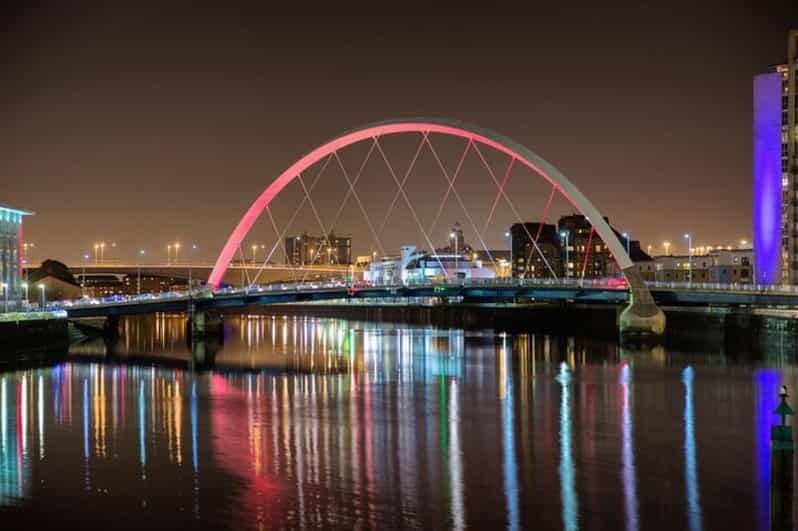
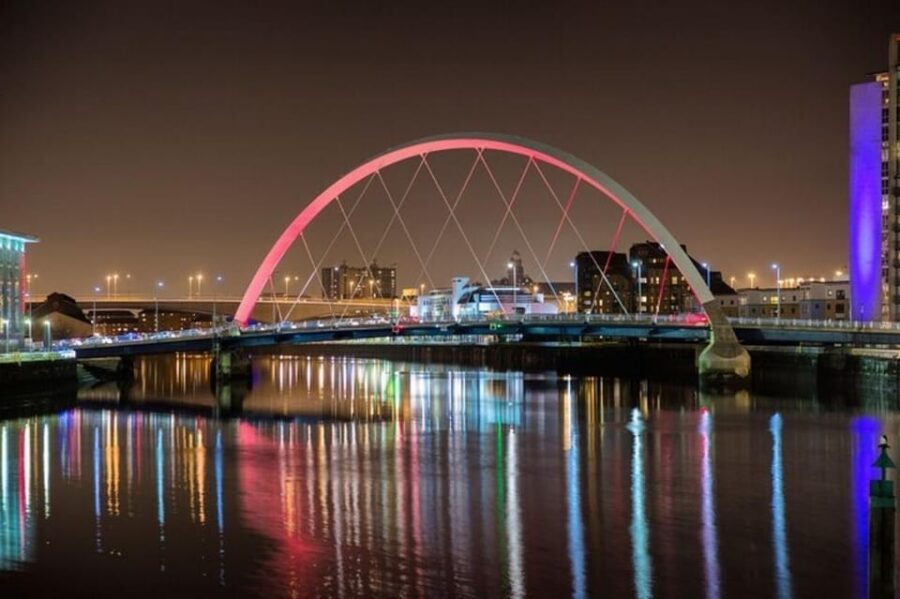
Then the tour turns toward the River Clyde and Glasgow’s shipbuilding heritage. This part is valuable because it connects physical geography to economic reality. Once you hear the shipbuilding angle, a lot of the city’s confidence (and some of its character) starts clicking.
You’ll also get a sense of why certain areas developed when they did and why the city’s layout and monuments feel the way they do. It’s one thing to see impressive buildings; it’s another to understand what powered the money and ambition behind them.
If you’re the type who likes “why is the city like this?” questions, you’ll want to lean in here. The guide’s framing turns the Clyde from a nice water feature into a central chapter.
You can also read our reviews of more guided tours in Glasgow


Buchanan Street’s Victorian Swagger
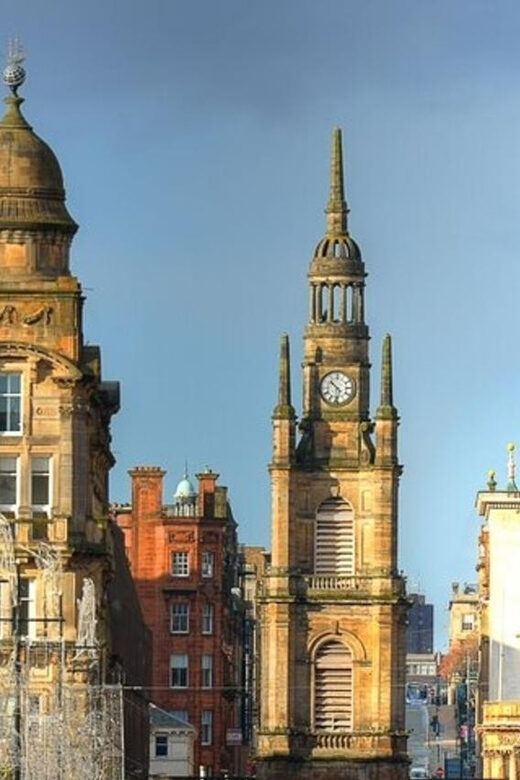
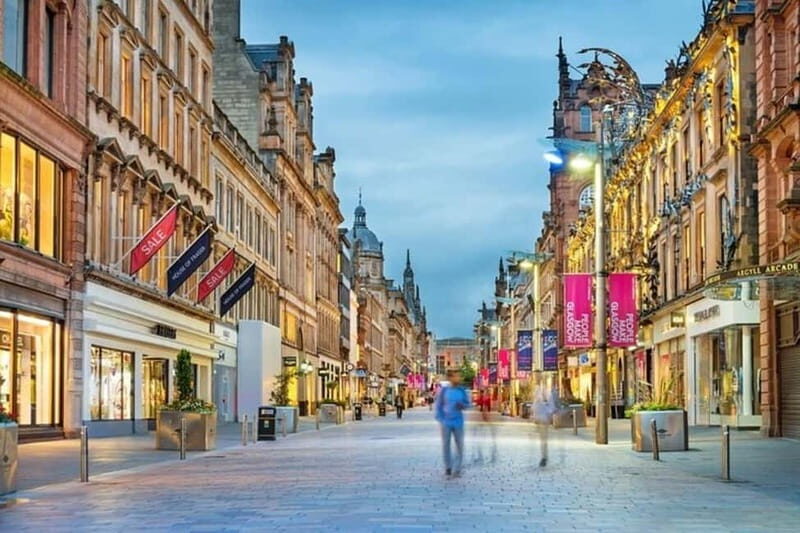
The walk continues toward Buchanan Street, known for its Victorian-style grandeur. This stop works well because it slows down the story and shifts it into how Glasgow presented itself to the world—shopping streets, monumental facades, and the kind of urban theater that cities use to signal success.
For you, this is a good moment to compare impressions: how the Merchant City street life and public art feel different from the cathedral-and-necropolis scale, and how the city’s commercial center tells a separate part of the same story.
Don’t be surprised if you end up spending an extra minute here on your own. When you understand what you’re seeing, you start noticing the small details.
Finishing Outside GOMA and the Duke of Wellington Cone
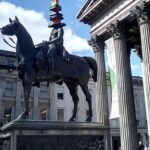
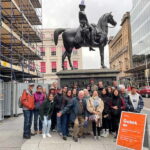
The tour ends outside the Gallery of Modern Art, where you’ll find the Duke of Wellington statue wearing its cone. If you don’t laugh, you’re doing it wrong. The cone has become a symbol of playful rebellion—an easy way to remember that Glasgow isn’t always solemn. It can be serious, sure, but it also likes to poke at itself.
Ending at GOMA is a clever move. It links back to what you heard about identity: Glasgow’s creativity isn’t separate from its streets. It’s part of the same habit of expression.
From here, you can decide how to continue based on your mood. If you want more art, you’re already in position. If you want pubs, you’ll likely find plenty nearby once your feet are back under you.
Price and Value: What $35 Buys You in Real Terms
At around $35 per person for about three hours, you’re paying for guided route planning and interpretation of the city’s major clusters. That’s the core value here.
What you get for that money:
- A structured walk that covers multiple landmarks without you figuring out a puzzle route
- Explanations that connect architecture, civic life, and industry
- Advice from your guide on other things to do in Glasgow
What you should not expect (based on what’s provided): food and drinks are not included. So I’d plan a meal before or after, and keep water with you if you’re walking on a warm day.
Is it a bargain? For a guided orientation that hits several top stops in a short time, it can be good value—especially if you’re traveling with limited time and want to avoid guesswork.
Private vs Shared: How the Tour Shape Changes
You can choose a private or shared group walking tour. That choice matters more than people think.
A shared group tends to work best if:
- You want a social vibe
- You’re fine hearing stories that fit the group’s pace
- You mainly want a solid overview and practical direction
A private tour can be better if:
- You want the route adjustable to what you care about most
- You prefer slower stops or more Q&A
- You’re traveling with someone who has strong interests (history, art, architecture, or street culture)
One useful clue from past experiences: at least one solo booking reportedly ended up feeling like a private visit. So if you’re going alone, you might still get a more personal feel than you’d expect in a “shared” label.
Guides and Language: Why It Can Make or Break the Walk
This tour runs with live guides in English, Spanish, or French, and that’s a big deal if language comfort affects how much you absorb. It’s also why the guide matters so much for your experience.
In the guide names associated with this tour, you’ll see examples like Michael, Robert, Brendan, Valentin, and Mada. Some people describe guides who explain history clearly and patiently, answer lots of questions, and tailor the conversation to what the group wants to know. Others point out the opposite: if the guide doesn’t provide enough context, you can come away feeling like you paid for a stroll rather than a story.
My advice: if you want the strongest historical interpretation, consider booking a private option (so you can set expectations) or choose the guide style you prefer when that’s available. The tour is only as good as the explanations in the moment.
Who This Walk Suits Best
This tour is a great match if you:
- Want a first-day overview that covers several “must-see” areas without crisscrossing the city
- Like walking tours that connect buildings to people and industries
- Want practical city advice from someone who lives there
- Enjoy a mix of architecture, public spaces, and modern art culture
You might want to pass or adjust expectations if you:
- Need very deep history at every stop and are picky about details
- Don’t like walking outdoors for about three hours
- Want entrances to museums or a full food-and-drink experience (that isn’t included)
Should You Book This Glasgow Walking Tour?
If you’re short on time and want a logical route through Glasgow’s highlights, I’d book it. The stops are well chosen: Cathedral and Necropolis for big atmosphere, Merchant City for culture-on-the-walls, People’s Palace for civic identity, the Clyde for industrial context, and GOMA for the city’s modern attitude.
Book with confidence if you value guided interpretation and don’t want to plan every turn yourself. Just keep one eye on the guide fit—because the difference between a great walk and an average one is often the quality of storytelling in real time.
FAQ
How long is the Glasgow guided walking tour?
The tour lasts about 3 hours.
What is the price per person?
The price is listed as $35 per person.
Is this tour shared or private?
You can choose either a shared group walking tour or a private group option.
Where is the meeting point?
The meeting point may vary depending on the option booked, but the tour description indicates George Square as the meeting place.
What language will the guide speak?
The live tour guide is available in English, Spanish, and French.
What’s included in the tour price?
The tour includes the walking tour and a guide.
Are food or drinks included?
No. Food or drinks are not included.
Is the tour wheelchair accessible?
Yes, the experience is listed as wheelchair accessible.
What areas are covered during the walk?
You’ll see major landmarks and key areas such as Glasgow Cathedral, the Necropolis, the Merchant City, Tolbooth Steeple, St Andrew’s In The Square, People’s Palace and Winter Gardens, the River Clyde, Buchanan Street, and you finish near the Gallery of Modern Art.