REVIEW · LIVERPOOL
Liverpool: 1980s Music Walking Tour with Guitarist “Nasher”
Book on GetYourGuide →Operated by Brit Music Tours · Bookable on GetYourGuide
One small walk takes you back to 1980s Liverpool. On this Liverpool music walking tour, Nasher (Brian Nash, guitarist from Frankie Goes to Hollywood) tells personal stories and points out places that shaped the bands you actually know. I especially love the small group size (max 12), because you get real conversation instead of rushing through stops.
Do keep one thing in mind: this is not a straight Frankie Goes to Hollywood tour. You’ll hear Frankie’s era, sure, but the tour aims to show Liverpool through the wider music scene that formed Nasher and the bands around him.
In This Review
- Key things I’d mark on your map
- Why Brian Nasher Nash’s 1980s Liverpool Tour Hits Different
- Starting at LIPA: The Suitcases Where the Tour Begins
- The Walk Through Music Venues and Hangouts You’d Miss on Your Own
- Probe Records and the Second Wave of Liverpool Groups
- Ministry Rehearsal Rooms: Where Multiple Bands Played and Tested Ideas
- The First UK Superclub and Why Dance Music Changed the Scene
- Timing, Pace, and What the 2.5 Hours Really Means
- Ending at a Central Pub: Q&A, Selfies, and Signings
- Price and Value: Is $80.82 Worth It?
- Who This Tour Is Best For (and Who Might Want Something Else)
- Should You Book This Liverpool 1980s Music Walking Tour?
- FAQ
- How long is the Liverpool 1980s Music Walking Tour with Nasher?
- What is the group size?
- Who guides the tour?
- Where do I meet the tour?
- How far is the meeting point from Lime Street Station?
- What should I bring?
- What language is the tour?
- Does the tour include a selfie?
- FAQ
- Is this tour only about Frankie Goes to Hollywood?
- Can I cancel for a refund?
- What if it rains at the meeting point?
- Are there multiple starting times?
Key things I’d mark on your map
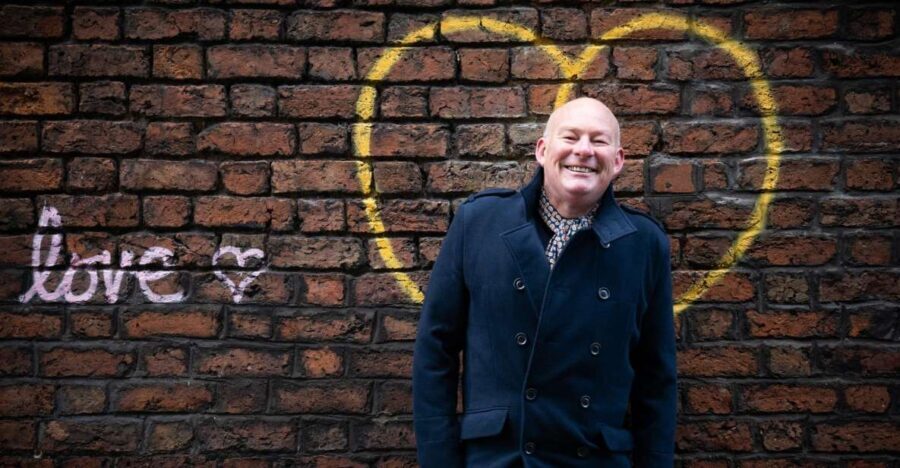
- Nasher as the guide: Brian Nash brings firsthand anecdotes tied to his hometown
- Max 12 people: the walk stays slow enough for questions and stories
- Ministry Rehearsal Rooms stop: you’ll see the rehearsal setting linked to several major bands
- Probe Records location: a key pointer to Liverpool’s second wave in the 1970s and 1980s
- A dance-music superclub reference: you’ll spot the site of the first UK superclub that shifted club culture
- End-of-tour selfie and Q&A: you finish with time for pictures, questions, and possible memorabilia signings
Why Brian Nasher Nash’s 1980s Liverpool Tour Hits Different
There are lots of “music tours” that feel like a playlist taped to a street map. This one feels like a conversation with someone who lived it.
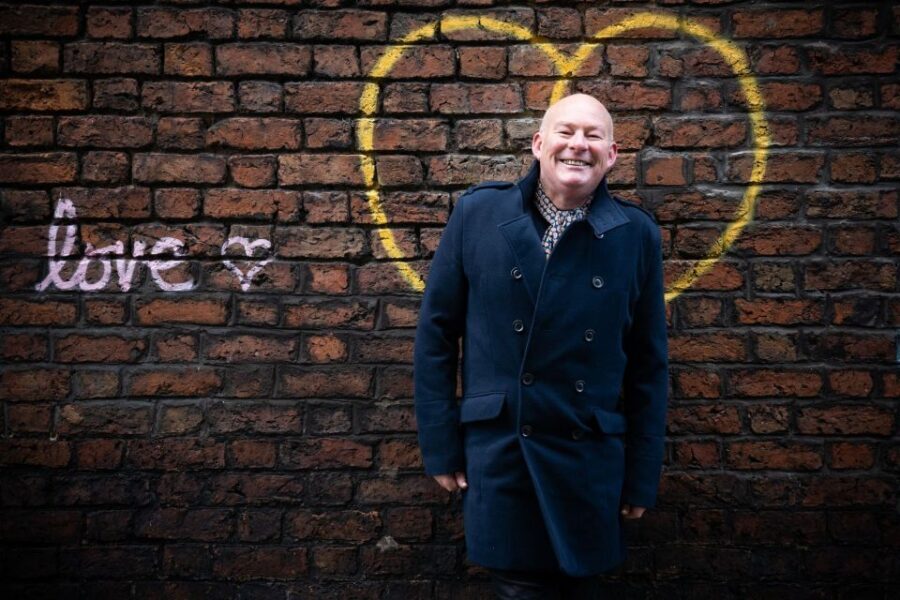
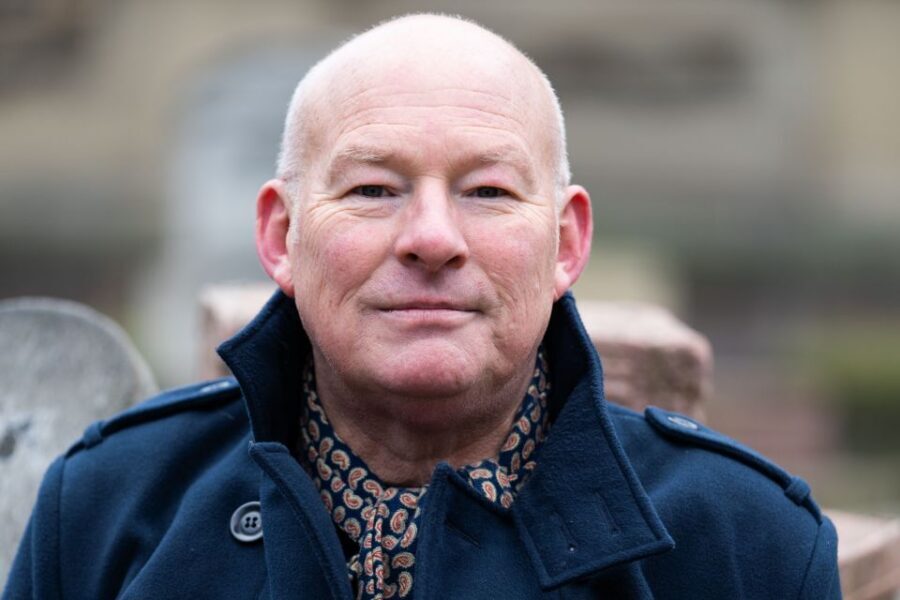
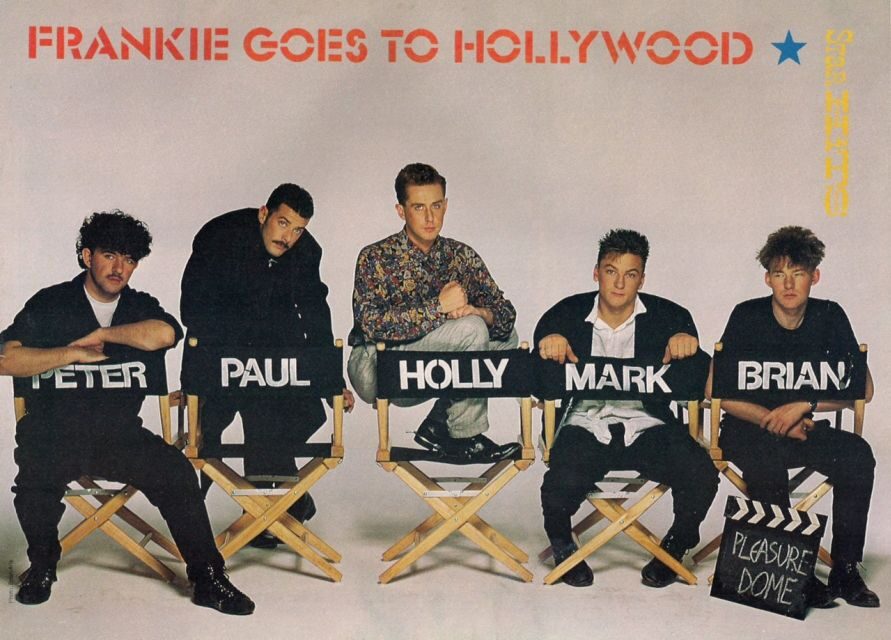
You’re guided by Brian Nash, nicknamed Nasher, the guitarist from Frankie Goes to Hollywood. That matters because he isn’t just pointing at famous buildings. He’s sharing what things were like back when those songs were still getting written, rehearsed, and argued over in rooms you can still find in central Liverpool today.
I also like the tone of the experience. The walk isn’t stiff or scripted. It’s affectionate, with cheeky anecdotes that come from memory, not a brochure. And because the tour caps at 12 people, you’re more likely to get your questions answered instead of being swept along with the crowd.
The pace is also built for comfort. It’s an easy, slow-moving walk designed for listening. If you prefer fast “see it and go” sightseeing, you might feel the difference. But if you want context and stories tied to specific corners, this is a great fit.
You can also read our reviews of more walking tours in Liverpool
Starting at LIPA: The Suitcases Where the Tour Begins
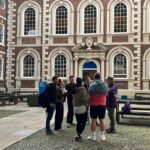
The meeting point is outside the Liverpool Institute for Performing Arts (LIPA), at Mount St (L1 9HF). You’ll meet about 10 minutes early outside the building, by the suitcases at the top of Mount St near Hope St.
From Lime Street Station, plan on about a 15-minute walk. If the weather turns, you can shelter quickly: there’s an entrance area at LIPA roughly 30 seconds away from the suitcases.
This start spot is practical. It’s central, easy to find once you know the exact landmark, and it puts you right in the action. In other words, you start walking almost immediately instead of spending your first hour on transit.
Bring comfortable shoes. You’ll be on foot for a couple of hours, plus time at the end for conversation and photos.
The Walk Through Music Venues and Hangouts You’d Miss on Your Own
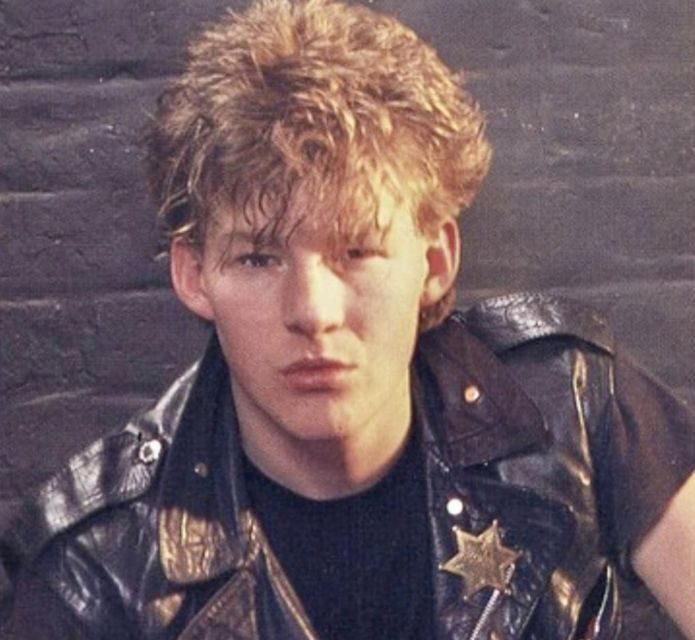
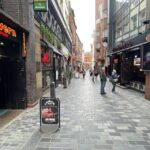
Once you’re underway, Nasher leads a slow, easy walk through central Liverpool with stops tied to the 1980s music scene. You’ll see the kinds of places that don’t usually get a place on standard sightseeing itineraries: gig venues, recording studios, pubs, hangouts, and more.
What makes this portion valuable is not just the locations. It’s the way Nasher connects them. You’ll hear stories about what really happened during that period—so you can picture the city as a working circuit, not a museum.
You’ll also notice how the tour avoids turning into a pure “greatest hits” recap. The point is to show how Liverpool’s music culture functioned: rehearsal rooms, labels, club culture, and the everyday spots where people gathered between shows.
And yes, Frankie Comes up often, especially once you reach the places tied directly to their formation and practice. But the bigger aim is to explain Liverpool as the source, not just Frankie as the destination.
Probe Records and the Second Wave of Liverpool Groups
One of the most useful stops on the route is the location of Probe Records. The tour frames Probe Records as the home of the second wave of Liverpool groups in the 1970s and 1980s.
Even without going inside anything, seeing the spot helps you understand how scenes grow. Labels and studios aren’t glamorous from the outside, but they’re the places where bands get a first real shot at reaching an audience. This stop gives you that missing “how did it happen” layer.
If you like music history, you’ll appreciate how Nasher treats it like a chain reaction. Bands move between rehearsing, recording, and playing. Then a label or promoter helps make the jump from local to noticed. Probe Records is presented as one of those accelerators for Liverpool acts during the era.
It’s also a solid moment for context. You can feel the tour widening out: it’s not only about one band’s success. It’s about how Liverpool produced many acts, and how the city’s ecosystem carried them forward.
Ministry Rehearsal Rooms: Where Multiple Bands Played and Tested Ideas
The most story-heavy stop is the Ministry Rehearsal Rooms. Nasher brings you to this place because it’s linked with a list of major bands associated with Liverpool’s alternative scene in the 1980s.
In the tour info, the Ministry Rehearsal Rooms are connected to Echo and the Bunnymen, Teardrop Explodes, Frankie Goes to Hollywood, The Farm, Wah Heat, Black, Flock of Seagulls, and The Pale Fountains. That’s a big concentration of names, and it’s exactly the point.
Rehearsal rooms are where songs get refined. They’re where bands learn each other’s timing, where a sound becomes a signature, and where ideas get tried before anyone expects them to work on stage. Seeing this location gives you a sense of how many different bands can share the same space and still create separate identities.
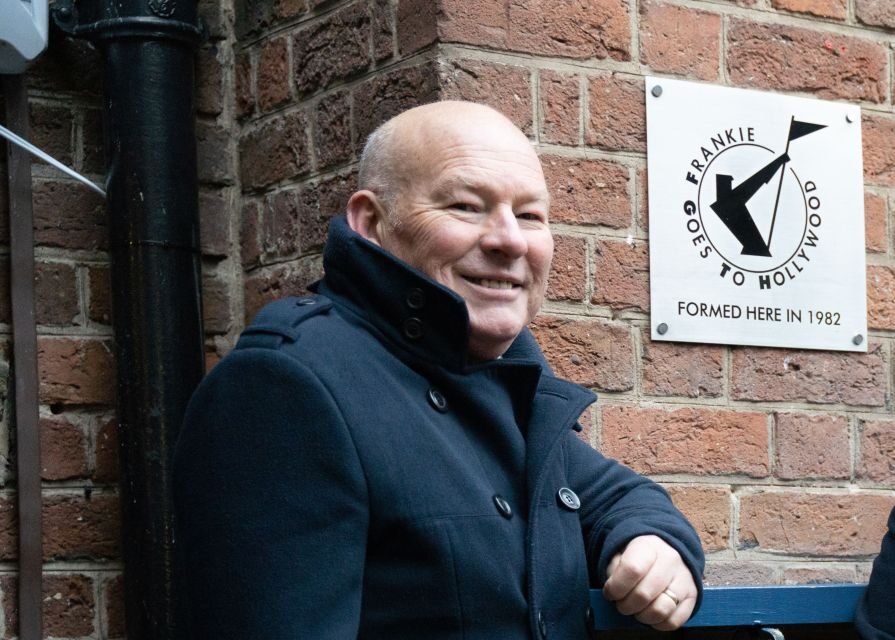
A bonus: in a very positive note from a past participant, the experience highlights a visit connected to where Frankie were formed and rehearsed. Even when tours can’t access every room for obvious reasons, the focus on the formative setting is a standout because it turns famous names into real places.
If you care about how bands develop, this is where the tour feels most like a “real Liverpool” experience rather than a photo scavenger hunt.
The First UK Superclub and Why Dance Music Changed the Scene
Another stop includes a location tied to the first UK superclub that changed the face of dance music in the UK.
The tour doesn’t frame it as a trivia stop. It’s there to show how club culture fed into the broader music scene. In the 1980s, dance music wasn’t just background entertainment. It influenced fashion, nightlife, and how music circulated through cities.
So when you see that location, it helps connect dots between rehearsal spaces and nightlife energy. You start thinking in systems: bands play, clubs amplify, promoters spot talent, and fans discover sounds through nights out.
If you’re into pop history and want the music story to include more than rock bands and chart hits, this part is especially helpful.
Timing, Pace, and What the 2.5 Hours Really Means
The tour is listed as 2.5 hours total. That includes time on the walk and time at the end for conversation and photos.
The core walking portion is described as about a 2-hour walk around Liverpool city centre. In practice, you should plan for a little flexibility. When a guide is open to questions and fans want photos, the schedule can run longer than the printed estimate. That’s not a bad thing on this tour, because the content stays personal and relevant.
Group size also affects pacing. With a max of 12, it’s easier for Nasher to slow down when someone asks a question about a specific band, pub, studio, or street corner. If you’ve ever done tours that feel like a conveyor belt, this should feel more human.
I’d also set your expectations: it’s a listening walk. If your goal is to “collect stamps” at dozens of stops, you might want something with more frequent photo breaks. If your goal is to understand Liverpool’s music world and see specific places tied to it, the timing makes sense.
Ending at a Central Pub: Q&A, Selfies, and Signings
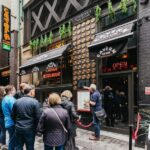
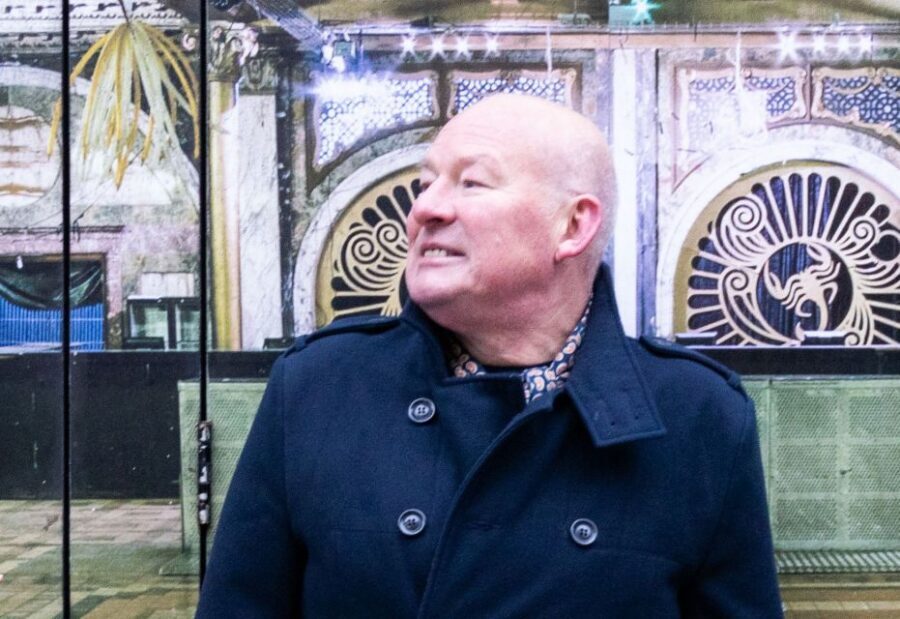
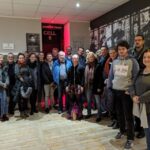
The tour concludes with a personal chat with Brian Nash at a pub closely associated with his life in central Liverpool. This is where you get to relax a bit, ask more questions, and take photos.
You’ll also get a selfie with Nasher at the end of the tour. If you’re hoping for memorabilia, the tour experience description notes that there’s a chance to get pictures or memorabilia signed.
One detail I appreciate: you’re not rushed out at the last stop. The ending is designed as a low-pressure conversation area. So if you’re a fan of the music or curious about the behind-the-scenes side of the scene, you’ll likely leave with more than facts—you’ll leave with stories you can tell later.
Price and Value: Is $80.82 Worth It?
At about $80.82 per person, this isn’t the cheapest way to see Liverpool. But the value depends on what you want.
Here’s what you’re paying for:
- A true “insider” guide: Brian Nash isn’t a generic host; he was part of the era connected to Frankie Goes to Hollywood
- Small group size (max 12): you’re not getting diluted by a big crowd
- Specific stops, not just generic streets: Probe Records location, Ministry Rehearsal Rooms, and the superclub reference
- Time for questions and a selfie: the ending at the pub is part of the experience
If you’re the kind of person who likes music history only when it’s attached to real locations and firsthand stories, the price feels easier to justify. If you’re mostly after wide-ranging sightseeing and scenic photo stops, you might prefer a more general city tour for less money.
I also think the duration matters. 2.5 hours isn’t a short “quick hit,” and because the walk is slow-paced, it gives you time to absorb details rather than just pass by them.
Who This Tour Is Best For (and Who Might Want Something Else)
This walking tour is a strong match if:
- you like 1980s music and want the Liverpool angle explained by someone who lived it
- you’re a Frankie Goes to Hollywood fan, but you also want the scene around Frankie, not only the band
- you enjoy small group tours where your questions have room to land
It might be less ideal if:
- you only want a Frankie-only story with no broader context
- you dislike walking (the tour is easy but still a walking experience)
The guide name alone will sell the tour for some people, but the content is about the city’s music ecosystem. That’s the bigger hook.
Should You Book This Liverpool 1980s Music Walking Tour?
I’d book it if you want an insider-led walk through the places where songs were rehearsed, where labels helped shape careers, and where club culture pushed music into wider life. The combination of Brian Nash’s personal storytelling and the small-group pace is the reason to choose this tour over a generic “sites and photos” option.
Before you go, do two practical things:
- wear shoes you can handle for a couple of hours of walking
- go in ready to listen. This tour rewards attention more than speed
If that sounds like your kind of trip, you’ll likely leave feeling like you saw Liverpool as a working music city, not just a name on a map.
FAQ
How long is the Liverpool 1980s Music Walking Tour with Nasher?
The tour duration is 2.5 hours.
What is the group size?
The tour is limited to a maximum of 12 guests.
Who guides the tour?
The tour is guided by Brian Nasher Nash, the guitarist from Frankie Goes to Hollywood.
Where do I meet the tour?
Meet outside the Liverpool Institute for Performing Arts (LIPA), Mount St (L1 9HF), about 10 minutes before the tour time, by the suitcases at the top of Mount St near Hope St.
How far is the meeting point from Lime Street Station?
It’s approximately a 15-minute walk from Lime Street Station.
What should I bring?
Wear comfortable shoes.
What language is the tour?
The live tour guide speaks English.
Does the tour include a selfie?
Yes, you get a selfie with Nasher at the end of the tour.
FAQ
Is this tour only about Frankie Goes to Hollywood?
No. It focuses on Liverpool through the music that formed Nasher, with Frankie Goes to Hollywood included among other influential bands and moments.
Can I cancel for a refund?
Free cancellation is offered up to 24 hours in advance for a full refund.
What if it rains at the meeting point?
You can shelter in the entrance area of LIPA, about a 30-second walk from the suitcases.
Are there multiple starting times?
Starting times can vary, and you’ll need to check availability to see the current options.