REVIEW · LIVERPOOL
Inspirational Women: Liverpool Past/Present History Tour
Book on GetYourGuide →Operated by Liverpool Famous Walking Tours- Purple Tours · Bookable on GetYourGuide
Liverpool’s women wrote the city’s script. This two-hour walking tour starts at Liverpool Cathedral, where the Lady Chapel stained glass turns history into something you can actually see, and you’ll also spot a major modern female sculptor’s final work.
I love how the story stays grounded in real buildings and real neighborhoods, not just vague names on a wall. That makes the past feel close.
I also like how it links women’s activism to the places you’re already walking past, especially the Everyman Theatre (once Hope Hall) and its connections with the suffragettes and political organizing. Then the tour keeps going toward Mount Pleasant, where the focus shifts to women pushing forward in medicine, education, and health services at the turn of the last century.
One consideration: the route moves at a brisk city pace, and you’ll be in busy areas with some cobbles or uneven ground, so comfy shoes matter.
You meet your guide with Liverpool Famous Walking Tours, wearing purple, and it helps that the narration comes with real energy—one review specifically called out Pam as personable and passionate. Arrive 5–10 minutes early and you’ll get a smooth start.
In This Review
- Key points that make this tour worth your time
- Entering Liverpool Cathedral’s Lady Chapel: stained glass as history class
- Blackburne House: education for girls and women, in a real building
- Rodney Street and the Harley Street of the North angle
- Hope Hall to the Everyman Theatre: suffragettes at a political crossroads
- Mount Pleasant: women fighting for a place in medicine and health services
- Pembroke Place and the meaning of Red Brick universities
- Metropolitan Cathedral of Christ the King: Nightingale links and women’s legal reform
- Lime Street legends, women’s union meetings, and the Walker Art Gallery finale
- St George’s Hall at the end: suffragist connections and a cookery twist
- Price and value: does $28 for 2 hours make sense?
- Who should book this walking tour, and who might skip it?
- FAQ
- FAQ
- How long is the Inspirational Women: Liverpool Past/Present History Tour?
- What is the price per person?
- Where do I meet the guide?
- What’s included in the ticket?
- What is not included?
- What stops will we see during the walk?
- Is the tour wheelchair accessible?
- Can I bring a dog?
- Are kids allowed?
- What should I bring with me?
- What language is the tour in?
Key points that make this tour worth your time
- Lady Chapel stained glass that points to women with lasting influence on Liverpool
- Everyman Theatre and Hope Hall connections to suffragettes and political edge
- Mount Pleasant medicine stories about obstacles women faced in health and education
- Blackburne House and its role in educating girls and women
- Walker Art Gallery finish with women still on display in a major public collection
- A St George’s Hall ending tied to suffragist history and a fun modern-day cookery link
Entering Liverpool Cathedral’s Lady Chapel: stained glass as history class
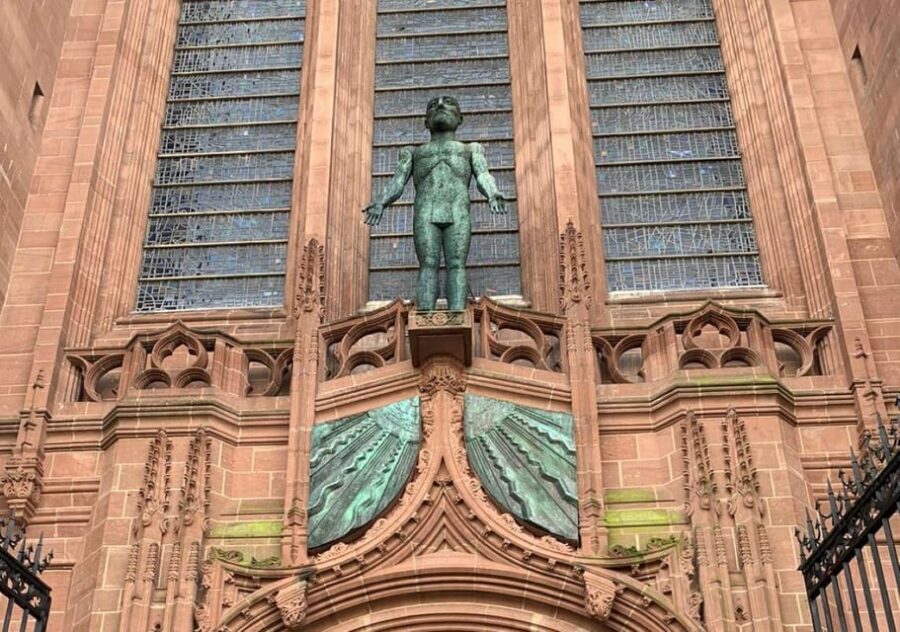
This tour earns its name right away. You begin at Liverpool Cathedral, a place big enough to feel like it can hold the city’s biggest ideas. Then you step into the Lady Chapel area to focus on stained glass that isn’t just decorative. It’s story-telling, with women featured in ways that connect directly to Liverpool’s development.
What I like here is the way the guide uses the glass as a timeline tool. You’re not just looking at colors and shapes—you’re learning who’s depicted and why those figures mattered long after their names first entered local conversations. If you enjoy architecture, you’ll also appreciate how religious design here supports public memory. It’s history you can read with your eyes.
You’ll also be pointed toward a significant modern sculpture associated with a famous female artist of the modern era. The tour treats it like part of the same theme: women making an impact, not hiding behind the curtain.
Practical tip: plan to spend a little extra attention time in the Lady Chapel portion, even if you’re tempted to move on fast. The tour’s best moments here come from slowing down enough to actually look.
You can also read our reviews of more historical tours in Liverpool



Blackburne House: education for girls and women, in a real building
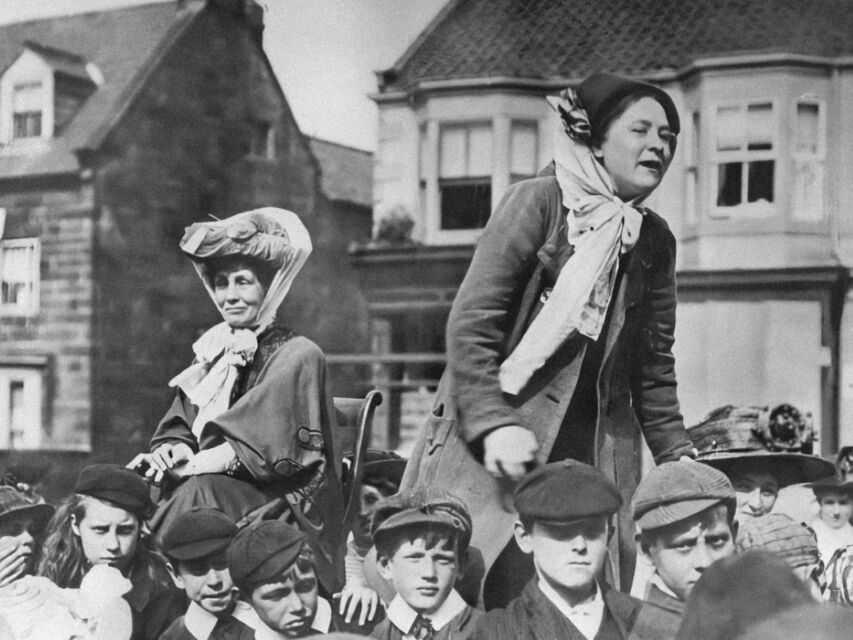
Next the walk moves you toward Blackburne House, a grade II listed building with a long association with the education of girls and women. This stop matters because it shifts the lens from political rights alone to everyday power: schooling.
In many cities, the story of women’s progress gets told as speeches and protests. Here, you get the other side too: institutions and spaces that changed what girls could learn, and how that learning changed the future. The guide brings in the idea of alumni and the building’s role in making opportunities possible.
This is also one of those stops where you’ll probably notice how quickly you can forget older educational spaces exist at all. A building like this in the middle of a busy city reads as ordinary until someone explains what it has been doing for decades.
If you like history you can picture in use—classrooms, corridors, students—this part lands well.
Rodney Street and the Harley Street of the North angle

Then you’re in Rodney Street, known for its medical vibe—often called the Harley Street of the North. That nickname isn’t random. It points to a neighborhood identity tied to health and professional care.
The tour uses that setting to talk about famous female residents. Even if you’re not a deep-doctor-history person, you’ll get why this matters: medicine in Liverpool didn’t grow in a vacuum. It grew through people living, working, and building reputations right here in the city.
This is also a good segment for questions and curiosity. You’ll see how a street name can carry a whole industry’s legacy, and you’ll start looking at street-level geography differently. It’s a small shift, but it makes the rest of the tour click.
Hope Hall to the Everyman Theatre: suffragettes at a political crossroads
The Everyman Theatre stop is where you can feel the tour getting sharper around activism. The guide explains that the theatre has history as Hope Hall, with a bohemian environment and a political edge. That combination matters, because it shows how social movements often need places where people can gather, argue, and organize.
You’ll hear about connections to ground-breaking movements, including the suffragettes. The point isn’t just that women were involved. It’s that specific city locations helped those movements breathe—through meetings, conversations, and energy building in public view.
One reason I value this stop: it reframes cultural venues. A theatre can be entertainment, yes—but it can also be a meeting point and a platform. If you like mixing arts with political history, you’ll probably enjoy how the guide ties these strands together without making it feel forced.
Mount Pleasant: women fighting for a place in medicine and health services
Mount Pleasant is where the tour turns from activism to institutions in the hardest possible way: medicine. You learn about the long association between the area and health work, and then the focus narrows to women who faced serious challenges just to influence medicine, education, and health services around the turn of the last century.
This stop works because it doesn’t treat medicine as a one-line achievement. Instead, it highlights the obstacles—social barriers, access to education, and how hard it was for women to be heard in professional spaces. The guide keeps returning to the idea of impact, not just struggle, so you leave with a sense of what changed and why.
If you’re the type of traveler who likes learning how systems shift, not just individual stories, you’ll appreciate this section. It gives you a clearer picture of how women’s roles in healthcare evolved in Liverpool.
Tip: if you’re prone to getting museum-walk fatigue, this is a good time for short water breaks, because the stories are dense and the walk continues.




Pembroke Place and the meaning of Red Brick universities
The tour then brings you to Pembroke Place, known for giving its name to Red Brick universities. That’s an interesting detail because it ties a specific place to a broader educational identity across Britain.
Here, you also hear about famous female alumni, and that makes this segment more personal than a generic education history chat. You’ll learn about a philanthropist who campaigned successfully for women’s rights and family social in the early 1900s. Again, this is the tour’s pattern: women in public life, but also women shaping support structures for everyday families.
What makes Pembroke Place valuable for your trip is that it adds a layer beyond Liverpool-only history. It helps you see how local education and activism echoed outward, shaping wider cultural and political conversations.
If you want a break from churches and theatres for a moment, this stop offers a different kind of momentum—education and advocacy tied directly to a recognizable part of central Liverpool.
Metropolitan Cathedral of Christ the King: Nightingale links and women’s legal reform
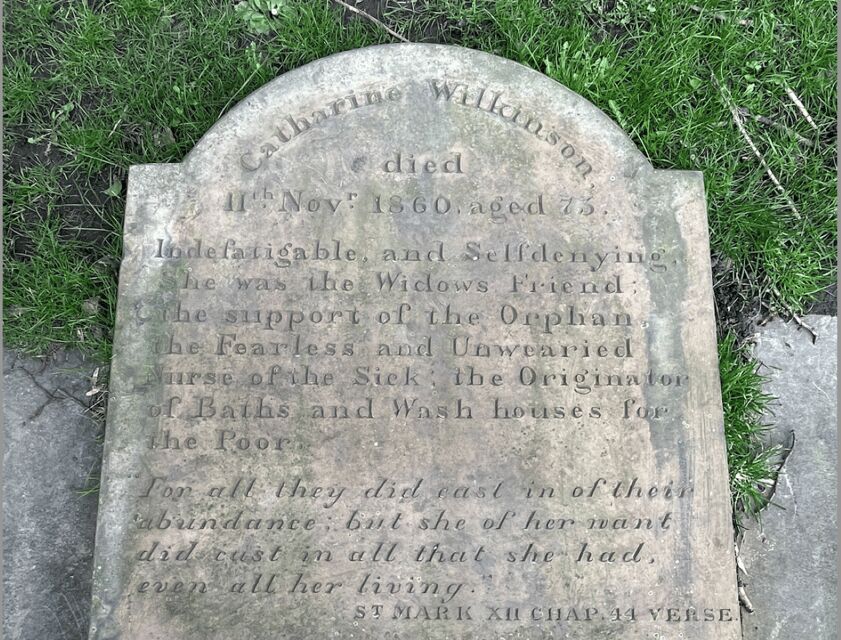
At the Metropolitan Cathedral of Christ the King, the guide layers the story with two threads: connections with the Nightingale nurses, and links to women’s reform in legislation that supported women and families in the 1800s.
This is one of those stops where you learn the difference between tragedy and change. The Nightingale association could be taught as a sad chapter, but the tour pushes beyond that into the work of a leading reformer who helped support legislation affecting women and families.
That angle matters because it connects nursing and healthcare with policy. You’re reminded that health care isn’t only hospitals and bedside skills. It’s also laws, support systems, and the conditions that determine who can access help and protection.
If you’ve ever wondered how big social movements turn into real-world protections, this is the portion that gives you a practical explanation—through a place, a legacy, and a reformer’s role.
Lime Street legends, women’s union meetings, and the Walker Art Gallery finale
Next the tour passes by Lime Street, known for its infamous reputation in the 19th century. The guide connects this area to a particular lady who appears in several famous Liverpool songs. Even if you’re not a lyrics person, you’ll likely enjoy how the tour uses folklore and local memory to show how everyday life feeds art.
As you continue, you’ll pass sites connected to notable women’s social and political union meetings in the early 1900s. This segment feels like the tour’s connective tissue. It ties together the earlier activism with what was happening on the ground—meetings, organizing, and local networks that made louder change possible.
Then comes the Walker Art Gallery, where you learn about the women tied to this publicly owned art collection, described as the national gallery of the North. You’ll see references to fascinating women connected to the gallery, including those still on display.
This finale is smart because it ends with culture and public access. Instead of ending at another monument, you end in a civic space where art is meant to be seen, not hidden.
St George’s Hall at the end: suffragist connections and a cookery twist
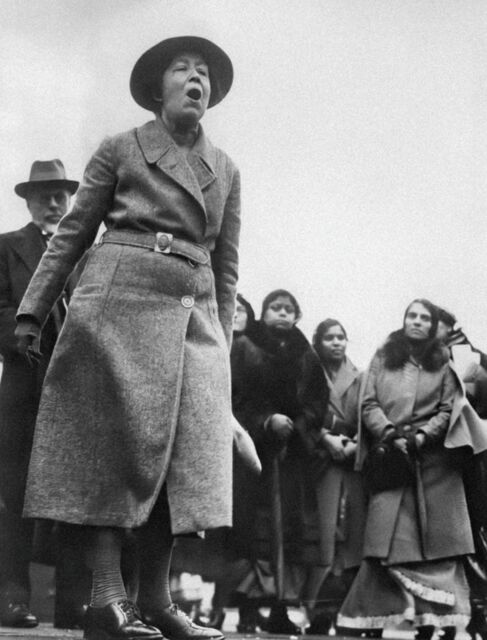
The walking tour finishes near St George’s Hall, a grade I listed building. You’ll learn its place in the history of the suffragist movement, which ties the closing moments back to political organizing and women’s rights.
Then the guide adds an intriguing link to modern-day cookery. The tour doesn’t treat it like a gimmick. It’s a reminder that historic buildings keep living in today’s culture—even when the connection seems sideways at first.
This last stretch is also helpful for orientation. If you’re new to central Liverpool, seeing where St George’s Hall sits relative to everything else helps you build your own map for the rest of your day.
Price and value: does $28 for 2 hours make sense?
At about $28 per person for two hours, the value depends on what kind of traveler you are.
You’re paying for:
- a focused theme (women’s impact in Liverpool across activism, education, and medicine)
- multiple central stops that you’d otherwise just walk past
- an included Liverpool Cathedral element (admission by donation plus a Lady Chapel tour)
- a guide who keeps the stories tied to buildings and specific places
If you’re looking for a general overview of Liverpool, this is probably not the best match. But if you want a specialty walk that turns architecture and neighborhoods into a readable story about women’s influence, it’s a strong use of time.
Also, it’s short enough to pair with other plans the same day. That makes it a good first-time Liverpool activity, especially if you want a morning or early afternoon anchor.
Only drawback is schedule pressure: because it’s a compact walk, you won’t have long independent time at each stop. You’ll get the guided context, then move on.
Who should book this walking tour, and who might skip it?
Book it if you:
- care about women’s history and want it tied to real streets and buildings
- like guided storytelling that explains what you’re seeing
- want a two-hour activity that works well for a first visit to central Liverpool
You might skip it if:
- you hate walking in busy city areas or on uneven surfaces like cobbles
- you want long unhurried museum time at each site rather than a fast, well-led route
- you’re not interested in women’s activism, education, and medicine as themes
FAQ
FAQ
How long is the Inspirational Women: Liverpool Past/Present History Tour?
The tour lasts 2 hours.
What is the price per person?
The price is $28 per person.
Where do I meet the guide?
Meet at the designated meeting location, and please arrive 5–10 minutes early. Your guide from Liverpool Famous Walking Tours will be wearing purple.
What’s included in the ticket?
Admission to Liverpool Cathedral by donation, a tour of the Lady Chapel, stories of influential women in Liverpool’s history, visits to iconic and overlooked sites, and a guided tour with an experienced guide.
What is not included?
Food & drink are not included.
What stops will we see during the walk?
You’ll see Liverpool Cathedral (including the Lady Chapel), Blackburne House, Rodney Street, the Everyman Theatre, Mount Pleasant, Pembroke Place, the Metropolitan Cathedral of Christ the King, Lime Street, the Walker Art Gallery, and you’ll end near St George’s Hall. You’ll also pass sites tied to women’s social and political union meetings.
Is the tour wheelchair accessible?
Yes, the tour is wheelchair accessible. Locations are accessible for strollers/wheelchairs, but you’ll still be walking in a group and may pass through areas with uneven surfaces such as cobbles.
Can I bring a dog?
Well behaved dogs are welcome.
Are kids allowed?
Children under 16 must be accompanied by an adult.
What should I bring with me?
Bring a camera, water, and comfortable clothes.
What language is the tour in?
The tour guide delivers the tour in English.