REVIEW · LONDON
London: 2-Hour Guided Tour of the British Museum
Book on GetYourGuide →Operated by My tour London · Bookable on GetYourGuide
Two hours, and suddenly you see the Museum’s logic. This British Museum tour is interesting because it’s built like a guided story, not a random walk through rooms. I like that you start with Ancient Egypt and quickly learn how artifacts connect to real ideas, like reading hieroglyphs.
My second favorite part is the way the guide strings together Greece, Rome, and beyond in a quick but meaningful route. You’re not just looking at famous objects such as the Parthenon sculptures or the Elgin Marbles. You’re also getting the context for why they still matter in Western culture.
One possible drawback to plan for: if you end up in a bilingual situation (for example, French plus another language), the guide may repeat key explanations. That can slow the pace and mean you see slightly fewer objects in such a short time.
In This Review
- Key points before you go
- Entering the British Museum in a smarter way than self-guided
- The 1-hour ticket window and what to do if you don’t use WhatsApp
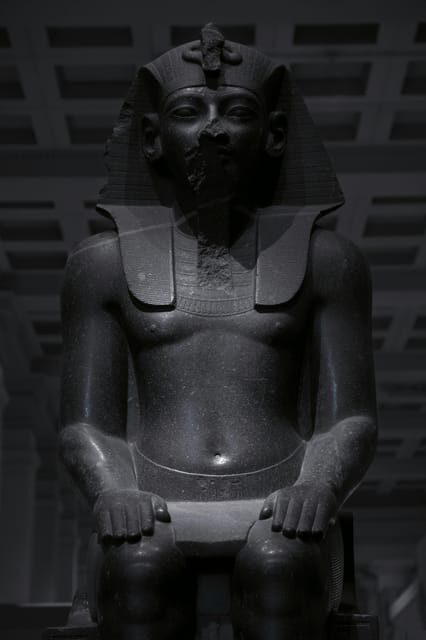
- Egypt first: Pharaohs, hieroglyphs, and the Rosetta Stone
- Greece next: the Parthenon sculptures and ideas that outlived empires
- Rome through mosaics and imperial power: where engineering shows up as art
- A quick but meaningful stop: Sutton Hoo and early English life
- Easter Island’s Hoa Hakananai’a: distant spirituality, up close
- What you’ll actually fit into 2 hours (and how to get the most)
- Price and value: what $64 buys you
- Who this tour suits best
- A note on guides and language: why it can affect your experience
- Should you book this British Museum highlights tour?
- FAQ
- FAQ
- How long is the British Museum guided tour?
- How much does the tour cost?
- Where do I meet the guide?
- Are entry tickets included?
- How do I receive my tickets?
- Is there an express security check?
- What languages are available for the live guide?
- What should I bring?
- Is the tour wheelchair accessible?
- Is free cancellation available?
Key points before you go
- Express security helps you start faster, so your 2-hour window feels full instead of swallowed by lines
- Rosetta Stone training gives you a practical sense of how hieroglyphs were deciphered
- Parthenon sculptures plus inscriptions show how art and ideas traveled forward in time
- A tight lineup includes Ancient Rome mosaics, Sutton Hoo treasures, and the Easter Island Moai Hoa Hakananai’a
- Licensed guide adds interpretation, especially for controversial context like the Elgin Marbles
- Comfortable shoes matter, because you’ll be moving through a big site with lots of ground to cover
Entering the British Museum in a smarter way than self-guided
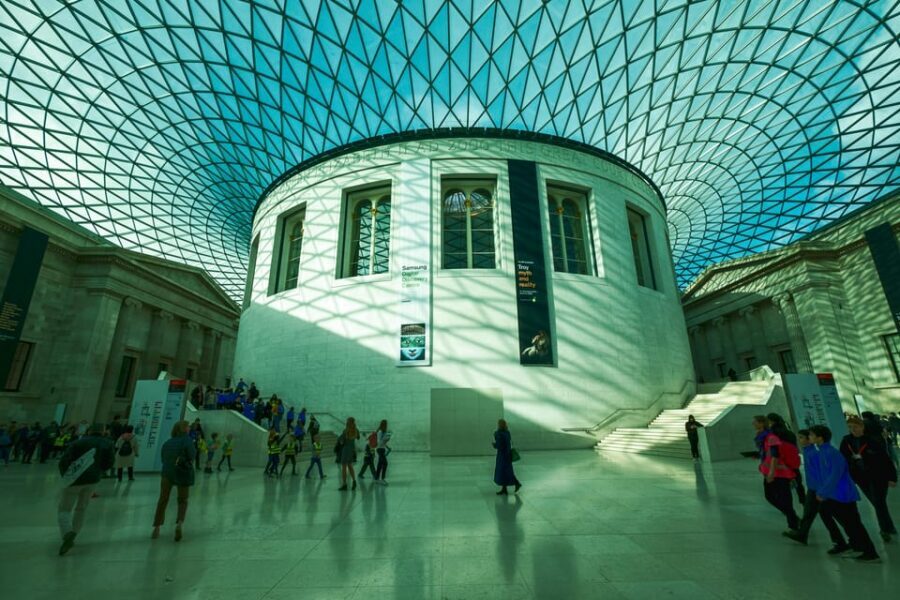
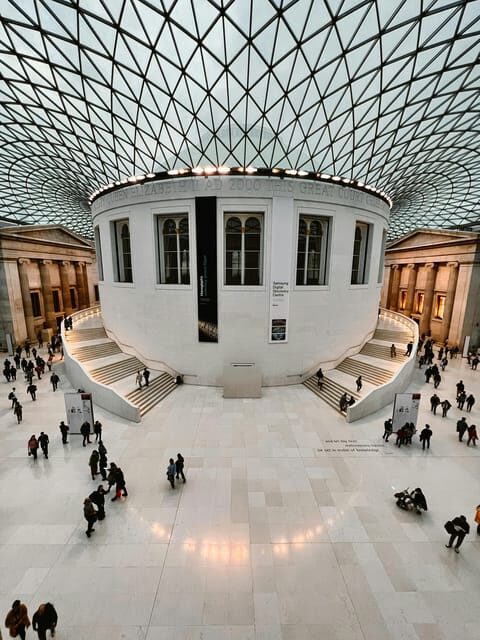
The British Museum is huge. If you go on your own with only a wish list, it’s easy to wander, miss key rooms, and end up tired before you hit the best stuff. This tour is designed to solve that. You get a licensed guide and a set route that favors the Museum’s most significant highlights.
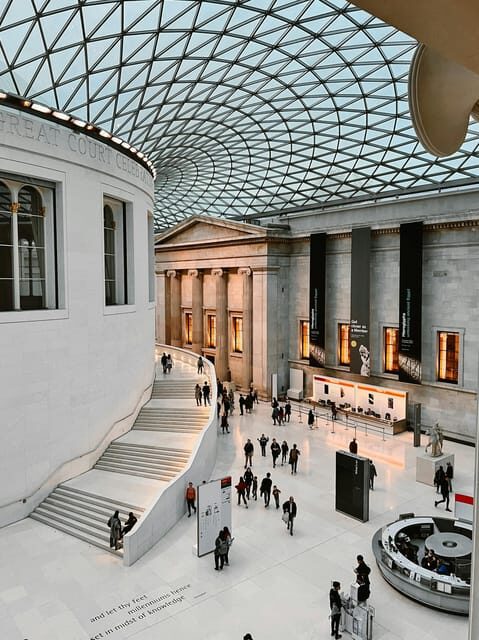
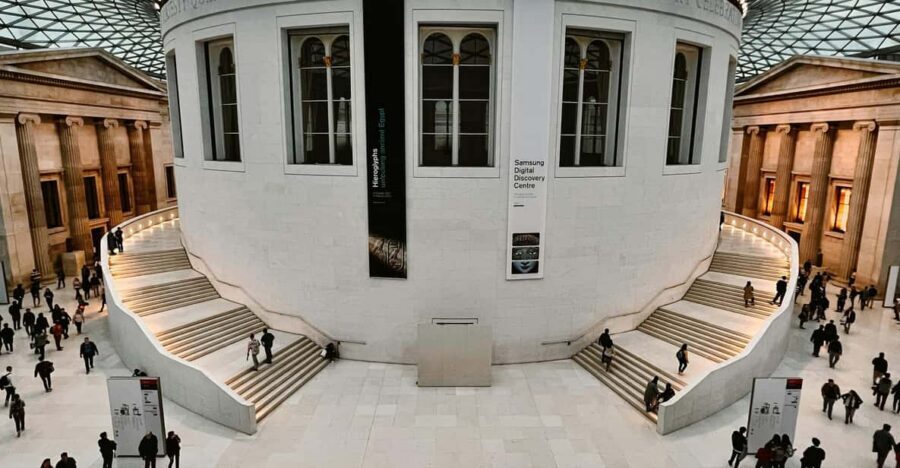
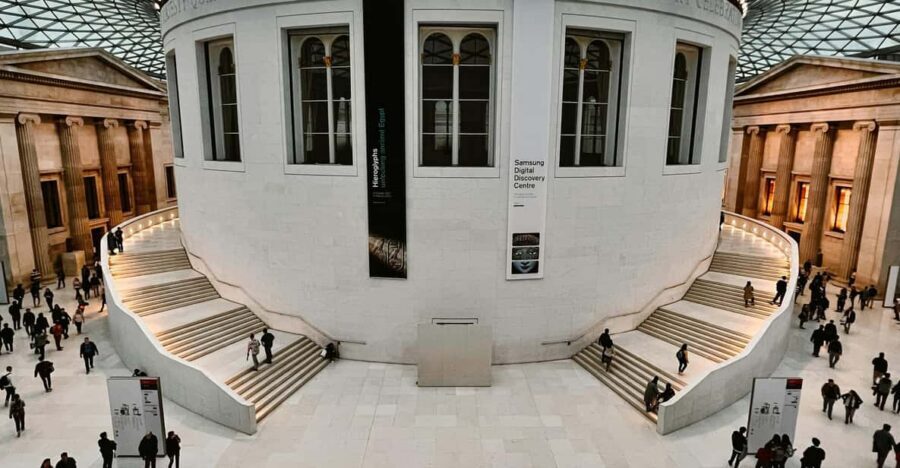
You’ll meet your guide in front of the British Museum portals, on the stairs near the pillars. Importantly, this is after you pass security, and it’s not outside the gates. That one detail saves confusion. The site has lots of entrances, and if you show up outside, you can easily end up waiting in the wrong place.
The tour also includes an express security check. That matters more than it sounds. British Museum security can be time-consuming, and for a 2-hour tour, every minute counts. With the faster lane, you can spend your time where you came for: the galleries.
You can also read our reviews of more guided tours in London



The 1-hour ticket window and what to do if you don’t use WhatsApp
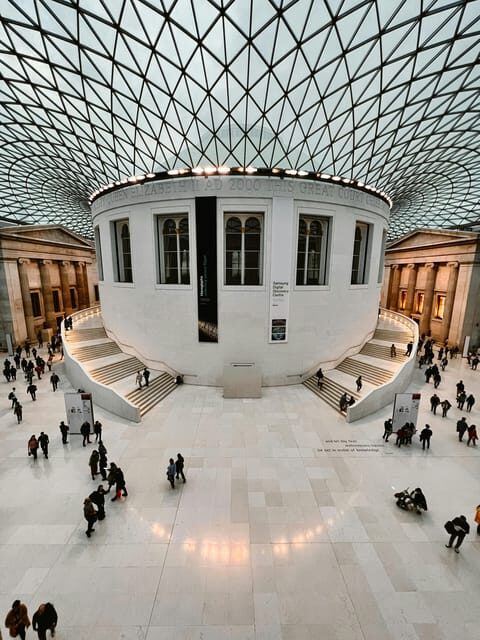
You’ll receive your entry tickets about 1 hour before the tour via WhatsApp. If you don’t have WhatsApp, you’ll contact the provider by email and they can send the entry tickets another way.
This is one of those small logistics items that can make or break your day if you forget it. I’d check your messages the evening before and again close to departure time. If you tend to miss notifications, set a reminder for yourself so you don’t scramble right before you’re supposed to meet the guide.
Also note: the tour is described as including entry tickets in the know-before-you-go details. In practice, that means you still need to show up with the ticket they provide, but you’re not buying Museum entry at the last second.
Egypt first: Pharaohs, hieroglyphs, and the Rosetta Stone
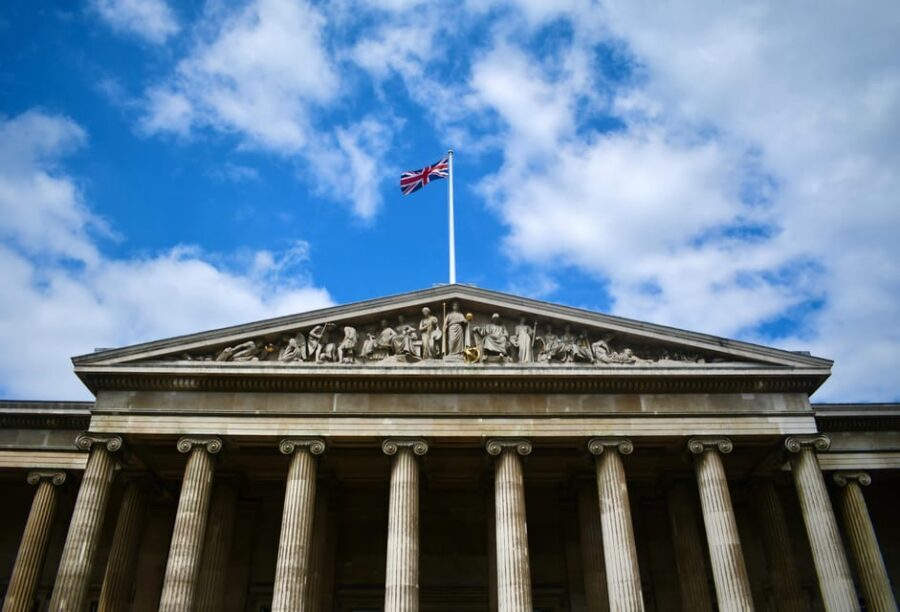
Most people arrive at the British Museum knowing the name Rosetta Stone. Fewer people leave understanding what it did. This tour starts you in the right place to get that clarity.
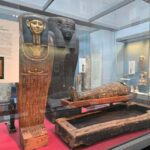
In the Egyptian galleries, you’ll focus on relics linked to the pharaoh world and the moment when ancient writing became readable again. The key stop here is the Rosetta Stone, and the guide’s job is to explain what made it the practical “bridge” for deciphering hieroglyphs.
Why I like this as a starting point: early on, you learn how to read symbols as communication, not just decorative wall patterns. When you later see Egyptian objects and inscriptions, you’re not staring at mystery. You have a framework for thinking about meaning.
If you’re the kind of traveler who enjoys learning the method behind the wonder—rather than just the dates—this portion is a highlight. It also helps you understand why so many Egyptian objects at the Museum feel like they belong together as a single story.
Greece next: the Parthenon sculptures and ideas that outlived empires
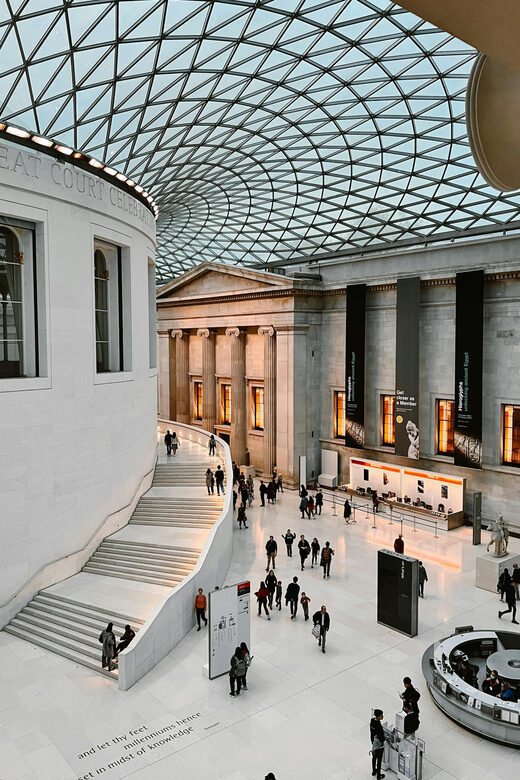
From Egypt, the tour moves into ancient Greece, where art and philosophy became a kind of blueprint for later Western thought. The star here is the Parthenon sculptures, including the ones linked to the Elgin Marbles.
This is one of the most debated parts of the Museum. You’ll hear the story and also the controversy. That makes the experience feel more honest. You’re not being swept along by fame alone.
The guide also connects to the Parthenon’s broader influence: marble inscriptions and how those ideas shaped what later societies argued about—ethics, civic life, and the big question of what art is for. In a short 2-hour format, you may not leave with a full lecture-level education. You will, though, leave with a clear sense of how Greek visual art turned into a long-lasting cultural reference point.
Practical tip: if the Parthenon sculptures are the reason you booked, don’t plan to treat this like a slow photo stroll. This is a guided route where the explanation is the main event.
Rome through mosaics and imperial power: where engineering shows up as art
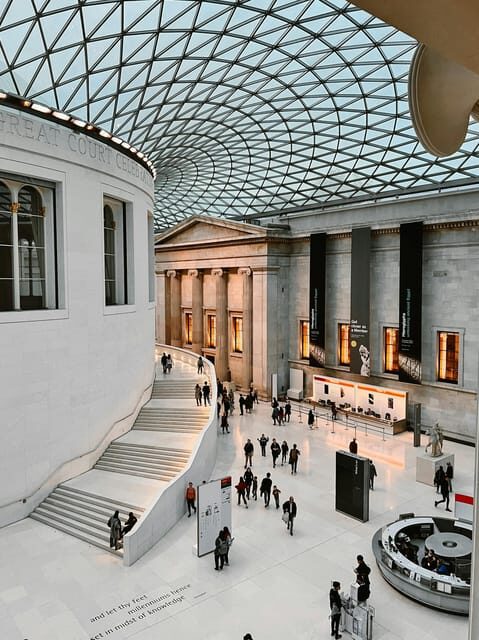
Next comes Ancient Rome, and the tour shifts tone. Greece often feels philosophical and artistic. Rome brings scale and administration, and that shows up in what you’ll see.
You’ll look at relics tied to emperors and the way Roman power operated in everyday life and across huge distances. The tour also highlights Rome’s engineering achievements—often easier to understand when you can connect statues, decorative objects, and the built-world feel of empire.
You’ll spend time on intricate mosaics and statues of gods and heroes. Mosaics can look like decorative filler at first glance. Under a good guide, they turn into evidence of how Romans thought about story, status, and belief—small scenes repeating the idea that the empire’s worldview was everywhere.
If you like when a museum tour explains how people lived and believed (not just what dates a piece is from), Rome is where this tour often hits hardest. It’s human, even when the subject is long gone.
You can also read our reviews of more museum experiences in London





A quick but meaningful stop: Sutton Hoo and early English life
Then the tour jumps to Sutton Hoo, which is a major change in geography and time. Sutton Hoo helps you connect the Museum’s collection to the early story of England.
This is a small space compared with the grand ancient civilizations around it. But the point is strong: you get Anglo-Saxon treasures that give you glimpses into early English life. It’s not only about royalty and wealth—it’s also about craftsmanship, burial practice, and what those objects say about status and belief.
I think this stop works well in a 2-hour tour because it reminds you the British Museum isn’t only a museum of faraway places. It also holds key material for understanding Britain itself.
Easter Island’s Hoa Hakananai’a: distant spirituality, up close
One of the more surprising stops on this route is the Moai from Easter Island, specifically Hoa Hakananai’a. Easter Island feels mythic to many visitors, but a real object removes the fog.
The guide explains the spiritual essence of this far-off civilization—helping you see the moai not as random giant heads, but as part of belief, meaning, and social life. For a short tour, it’s an effective reminder that “human culture” isn’t one straight line. It’s different answers to similar human needs: identity, ritual, remembrance, and belonging.
If you’re traveling with kids or a group that tends to get bored by long ancient timelines, this stop often resets attention. The objects are striking, and the interpretation keeps the experience from turning into a checklist.
What you’ll actually fit into 2 hours (and how to get the most)
This tour is intentionally tight. In two hours, you’re not going to see the full Museum. What you’re doing instead is choosing the most meaningful highlights and getting guide-led interpretation so your time has direction.
That’s the tradeoff. If you want to wander freely, this isn’t built for you. But if you want the Museum’s big stories—Egypt, Greece, Rome, then a pivot to Sutton Hoo and Easter Island—this is a clean way to do it without losing an entire day.
Before you go, decide what matters most to you:
- If you’re here for Rosetta Stone and reading hieroglyphs, this tour is made for you.
- If you’re mainly chasing famous sculptures, you’ll like the Parthenon focus, but you should expect a guided pace.
- If you’re a “show me how people lived” traveler, the mix of Rome plus Sutton Hoo can feel very relatable.
Also bring comfortable shoes. The British Museum has lots of gallery space and you’ll be moving. Two hours goes quickly when you’re walking between rooms and listening closely.
Price and value: what $64 buys you
At $64 per person for a 2-hour guided tour, you’re paying for three things: a licensed guide, a curated highlights route, and faster start time thanks to the express security check.
The value calculation is simple. A ticket to the British Museum can be a cost on its own. Here, you’re not just paying to enter. You’re paying to have someone translate what you’re looking at into something you can actually remember. On a Museum like this, that interpretation can be the difference between seeing famous objects and understanding why they mattered.
The fact that entry tickets are handled via WhatsApp (or email if needed) also reduces friction. You don’t want your day derailed by last-minute buying or confusion about where to meet.
If you’re already a museum person and you’ve read a lot about the Museum’s collections, you might not need a guide for everything. But for most visitors—especially first-timers—a guided 2-hour hit is a smart value. It compresses the best parts into a time window that keeps your energy.
Who this tour suits best
This is a great fit if:
- you want the Museum’s main stories without planning a full research day
- you like clear, guided explanations of famous objects like the Rosetta Stone and the Parthenon sculptures
- you’re comfortable with a faster pace and walking between key galleries
- you’re traveling with mixed interests and want variety in one route
It may be less ideal if you prefer slow viewing, deep reading, or a long self-paced gallery crawl. In a short tour, the guide has to keep moving to reach key stops.
A note on guides and language: why it can affect your experience
The tour offers live guides in English, French, and Italian. That’s helpful if you want explanations in your own language.
One consideration: if your group is bilingual and the guide repeats sections in two languages, you can lose some momentum in a 2-hour schedule. In plain terms, the faster the tour has to switch languages, the fewer objects you may feel you fully processed. If language is a top priority for you, choose your language carefully when booking.
Should you book this British Museum highlights tour?
Yes, if you want a focused introduction and you value a guided story over wandering. This tour gives you a high-impact route through the Museum’s biggest themes, from hieroglyph decoding to Parthenon influence, then across to Rome, Sutton Hoo, and Easter Island.
Book it if:
- you have limited time and want maximum meaning per minute
- you want the Museum’s famous objects explained, not just photographed
- you like the idea of seeing Europe’s ancient connections and getting a global snapshot
Skip it if:
- you want to linger in galleries and read everything at your own pace
- you’re hoping for a full Museum coverage (this isn’t that)
FAQ
FAQ
How long is the British Museum guided tour?
It lasts 2 hours.
How much does the tour cost?
The price is $64 per person.
Where do I meet the guide?
Meet your guide in front of the British Museum portals on the stairs near the pillars after you pass security. It’s not outside the gates.
Are entry tickets included?
Yes. The tour information says entry tickets are included, and they are provided to you in advance.
How do I receive my tickets?
Your tickets are sent about 1 hour before the tour via WhatsApp. If you don’t have WhatsApp, contact the provider by email and they can send the entry tickets another way.
Is there an express security check?
Yes. You’ll skip the line through an express security check.
What languages are available for the live guide?
The tour offers live guiding in English, French, and Italian.
What should I bring?
Bring comfortable shoes.
Is the tour wheelchair accessible?
Yes. The activity is wheelchair accessible.
Is free cancellation available?
Yes. You can cancel up to 24 hours in advance for a full refund.