REVIEW · LONDON
London: British Museum Archaeology Course and Guided Tour
Book on GetYourGuide →Operated by Spirit of Discovery Tours · Bookable on GetYourGuide
One tour can time-travel you in 5.5 hours. This British Museum archaeology course uses an on-the-ground archaeologist to connect famous objects to the real methods behind discovery.
I especially loved the way the guide turns museum glass cases into stories you can explain at dinner, with Egyptian hieroglyphs and Sumerian cuneiform getting real context instead of staying museum-magic.
The one thing to watch is that it’s a long, mostly standing experience with no lunch provided, so you’ll want good shoes and a plan for food.
In This Review
- Key highlights to know before you go
- Why an archaeologist-led British Museum tour feels different
- Getting started at Russell Square: find your guide quickly
- The core journey through human history (and why the order matters)
- Ancient Egypt and Assyria: the hunt for meaning in writing
- Greece, Rome, and the big art-and-power objects you’ll recognize
- Vikings and Aztecs: global perspective without getting lost
- The Royal Game of Ur: where the lesson turns playful
- The science portion: dating objects and why buried sites matter
- Timing, breaks, and the lunch reality
- Price and value: why $81 can make sense
- Who this tour is perfect for (and who might prefer another plan)
- Should you book this British Museum archaeology course?
- FAQ
- FAQ
- Where do I meet the guide?
- How long is the tour?
- What does the tour cost?
- What’s included?
- Is lunch included?
- Can I skip the line?
- What language is the tour in?
- Is it wheelchair accessible?
- What should I bring, and what can’t I bring?
- FAQ
- Should I book if I’m bringing family members?
Key highlights to know before you go
- Qualified archaeologist guide who links artifacts to how we actually learn from the past
- Deciphering ancient writing: how hieroglyphs and cuneiform were cracked
- Science of archaeology: how sites get buried and how objects get dated
- Museum galleries across continents and centuries, from Egypt to Greece, Vikings, and the Aztecs
- You get hands-on fun by playing the ancient board game The Royal Game of Ur
- Smart pacing with guided stops plus breaks, but it still runs about 5.5 hours
Why an archaeologist-led British Museum tour feels different
The British Museum is a place where you can wander for days and still feel like you blinked and missed half the point. This tour gives you a guide who works in the language of fieldwork and evidence, not just facts on placards. That makes the whole visit click.
You’ll move through the museum with a clear storyline: where humans came from, when writing started to matter, how empires rose, and what archaeologists do when there’s no text left to read. I love that the tour doesn’t treat objects like trophies. It treats them like clues.
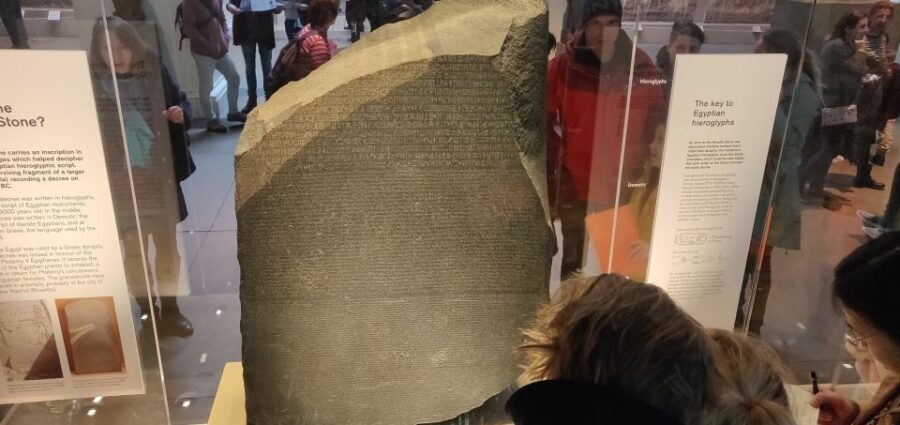
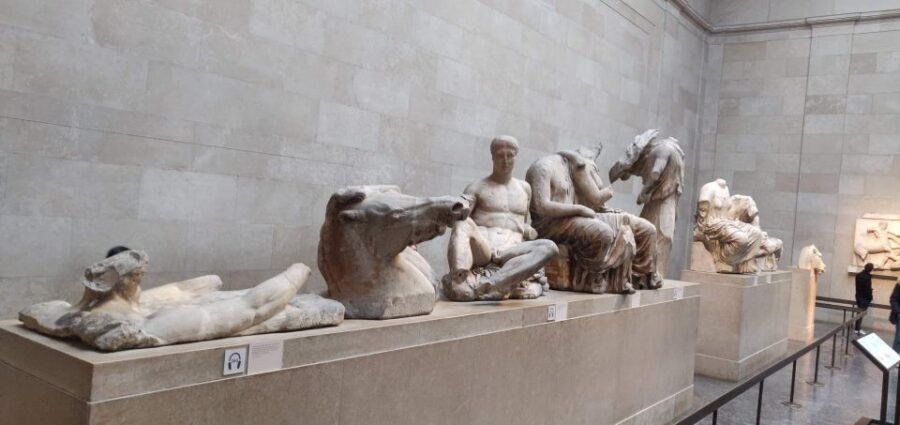
And the big bonus for first-timers: you still get to see world-famous pieces, but you also learn why those pieces matter. You’ll look at things like the Rosetta Stone and the Parthenon Marbles and understand what archaeologists and historians were trying to figure out when those discoveries hit.
Possible drawback: the museum is busy on many days, and this is not a slow sit-down lecture. If standing for long stretches is hard for you, wear supportive shoes and use breaks well.
You can also read our reviews of more guided tours in London



Getting started at Russell Square: find your guide quickly
Your day begins outside Russell Square Station. The guide meets you there holding an iPad with the local partner name on the screen, so you can spot them fast. Arrive about 10 minutes early—this helps avoid the classic London scramble where everyone arrives at the exact same minute.
From there, it’s a short walk to the museum. The tour is designed so you don’t waste time figuring out entrances or fighting crowds. You’ll also use a separate entrance to skip the line, which is a real quality-of-life win at the British Museum.
If you’re traveling with a day pack, you should be fine. Just keep in mind that luggage or large bags aren’t allowed, so don’t show up with a suitcase and hope for the best.
The core journey through human history (and why the order matters)
The tour starts by building the human story in a way that feels chronological, but with archaeologist-level explanations layered in. You go from early human material culture toward major civilizations, then through the rise and fall of empires. The point isn’t to memorize dates. It’s to understand how archaeologists connect evidence across time.
One of the smartest parts is how the guide keeps reminding you that the museum is not just displaying objects. It’s interpreting them. You’ll hear about earliest origins in Africa, early civilizations in Mesopotamia (including how first cities changed everything), and later empires across Egypt, Assyria, Greece, and Rome.
Here’s what I think you’ll appreciate: you’ll stop treating the museum as a random collection. Instead, you start seeing a network—how people, technologies, and ideas travel, mix, and sometimes disappear.
And because it’s timed for about 5.5 hours, you’re not trying to see every gallery. You’re seeing the most important “anchor points” that give you a mental map of the museum.
Ancient Egypt and Assyria: the hunt for meaning in writing
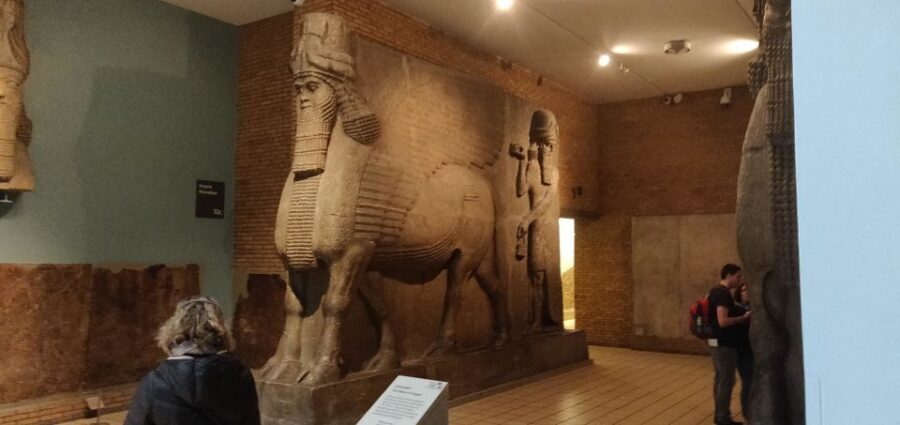
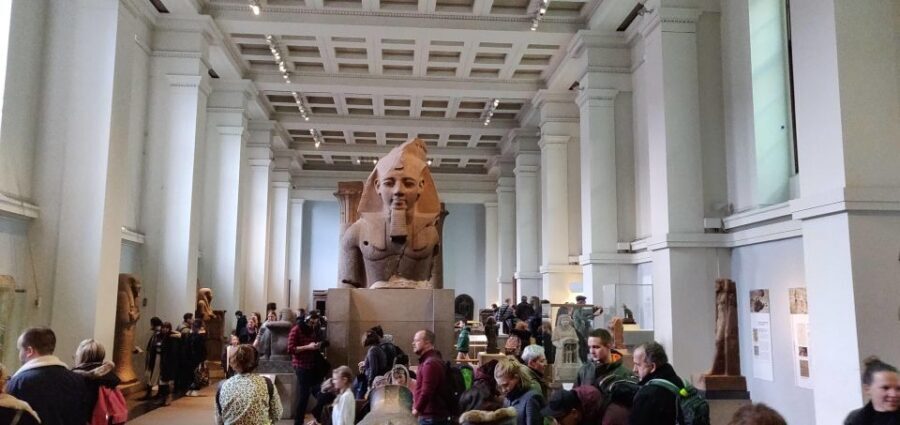
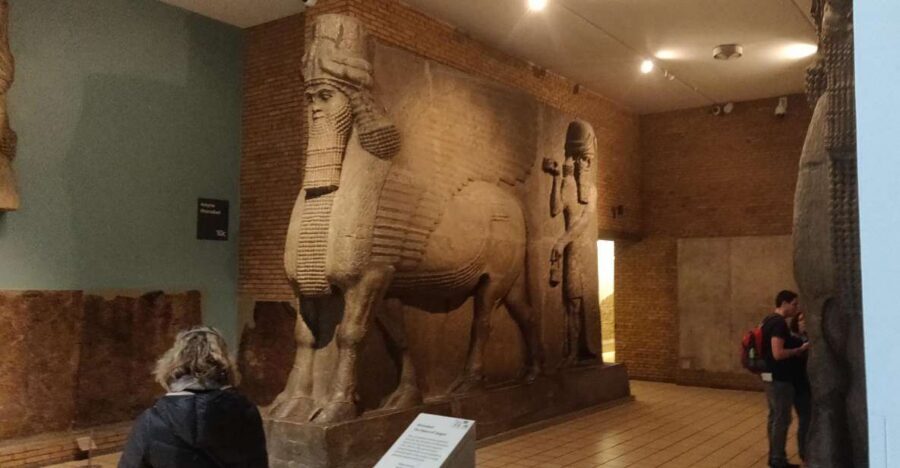
If Egyptian history is your favorite museum topic, this section should click immediately. You’ll spend time in the Ancient Egypt and Assyria areas, with a focus on how ancient languages were deciphered.
The highlight is the story of Egyptian hieroglyphs and Sumerian cuneiform—the world’s earliest writing systems. The guide explains not only what was decoded, but the detective work behind it: comparing evidence, building patterns, and using what’s known to unlock what isn’t.
This is where the tour earns its keep. Many museum visits end at recognition: Rosetta Stone equals “cool.” Here, you learn what the decipherment process actually does. You start to understand writing as a technology that changed administration, religion, and power.
You’ll also get that sense of momentum across the galleries. Egypt and Assyria aren’t presented like isolated civilizations in separate rooms. They feel like connected worlds, each leaving behind objects that later scholars had to learn how to read.
Greece, Rome, and the big art-and-power objects you’ll recognize
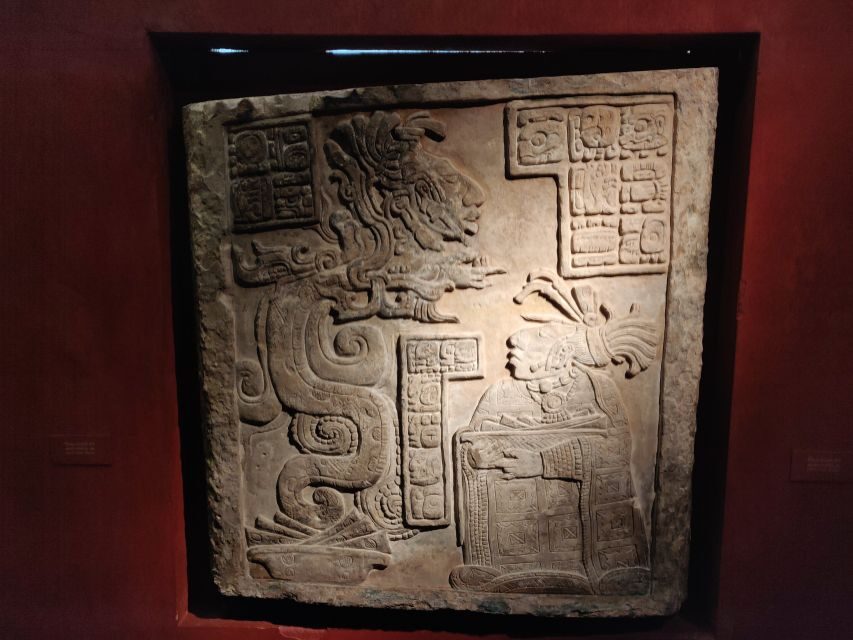
Next comes the Ancient Greece and Rome side of the collection, where the museum’s famous objects start to feel less like ornaments and more like evidence of how societies worked.
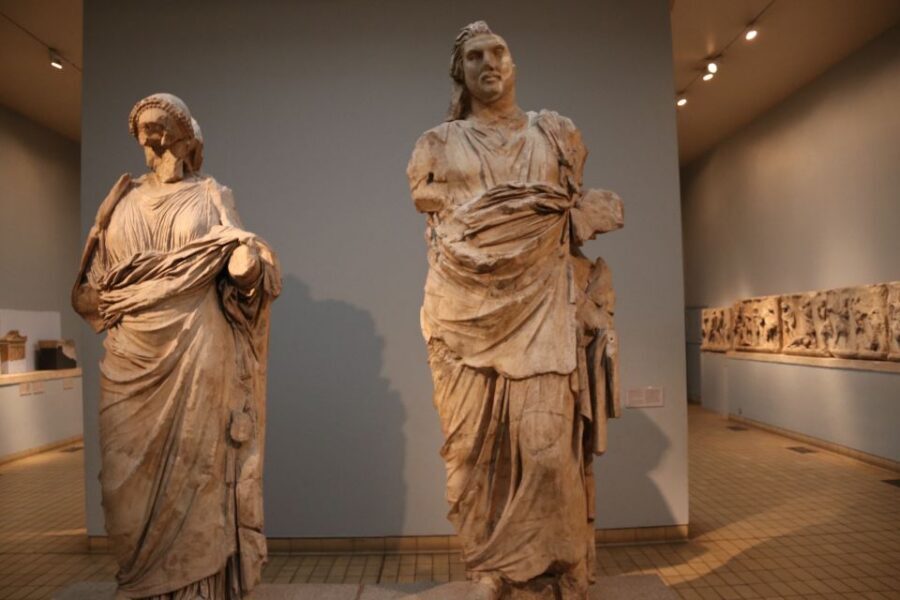
You’ll see major works tied to Greek and Roman history, including the Parthenon Marbles. But the tour approach is the difference-maker: you’re not only told what they are. You’re given the cultural and historical context that makes the objects make sense.
This portion also helps you understand why empires collect and move art. Ancient objects often traveled because power moved. That theme matters when you later connect Mediterranean history to other regions.
And because the guide is trained to explain interpretation, you’ll hear how archaeologists treat clues carefully. Objects can be damaged, moved, or separated from their original settings. The museum helps, but the science behind interpretation is what turns fragments into history.
You can also read our reviews of more museum experiences in London





Vikings and Aztecs: global perspective without getting lost
One of the most enjoyable surprises in this tour is that it doesn’t stay stuck in the Mediterranean. The guided path includes galleries such as Vikings and the Aztecs, so you get a wider “world history” lens.
For the Vikings-focused part, you’ll encounter Lewis Chessmen among the stops. Even if chess isn’t your obsession, these pieces are a great example of how daily-life objects can reveal travel, trade, and identity.
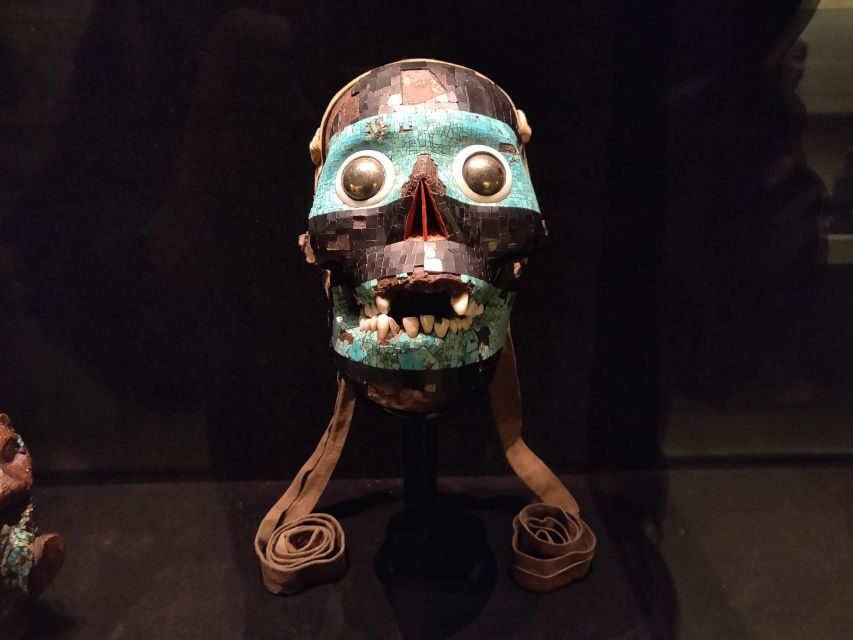
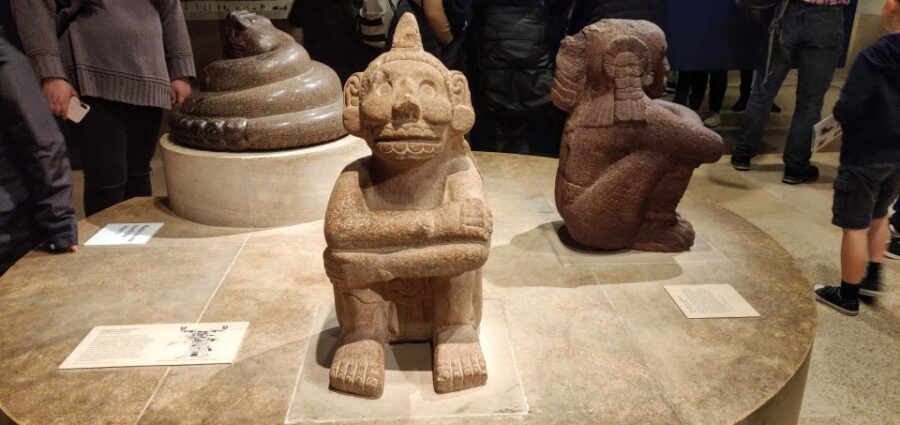
For the Aztecs, you’ll get the kind of context that’s easy to miss when you’re just reading labels. The museum doesn’t present Aztec history as a footnote. In this tour, it’s part of the bigger human story: societies built, cities grew, and objects carried meaning far beyond their physical form.
If you’re worried a single tour can’t cover this much, the guide handles it by prioritizing key ideas and a manageable number of stops. You leave with understanding, not just snapshots.
The Royal Game of Ur: where the lesson turns playful
Near the end, the tour shifts into something fun and very memorable: you’ll play The Royal Game of Ur. This is an ancient board game whose rules were deciphered by British Museum scholars.
I like this part because it turns research into something you can feel. You’re no longer just hearing that scholars reconstructed evidence. You’re using that reconstructed knowledge in real time.
It also works as a brain reset after a lot of history and interpretation. By the time you’re moving pieces around, the tour’s theme makes more sense: archaeology isn’t only about digging. It’s about reconstructing lost systems—languages, dates, and even games.
If you enjoy interactive learning, you’ll probably rate this section as a highlight. Even if you’re not a board-game person, the story behind the game makes it worth paying attention.
The science portion: dating objects and why buried sites matter
The final stretch of the tour leans hard into “how we know.” You’ll learn about how ancient sites get buried, and what that means for what survives. You’ll hear about the basics of dating—how archaeologists figure out when things were made, used, or deposited.
This is the part that makes you see the museum differently after you leave. You start imagining dirt layers, environmental changes, and the chain of evidence that brings an object from the ground to a curated gallery.
And it helps explain why archaeology still has mysteries. Some questions can be answered with strong evidence; others stay open because the surviving record is incomplete. The tour handles that balance well: you get answers, but you also learn what can’t be proven yet.
Timing, breaks, and the lunch reality
This experience runs about 5.5 hours, and it’s built around guided movement plus break time. That’s a good length for a museum course because you get a real storyline, not a quick highlights loop.
The only food catch: lunch isn’t included. You’ll either need to eat on your own before the tour, grab something during museum food options if you can manage the timing, or bring a packed lunch.
Here’s a practical tip that can save your feet: if you need to sit during breaks, the entrance area can offer portable seating options. If you’re bringing older family members or anyone who tires quickly, plan to use breaks early instead of waiting until you’re done.
Also bring water. The tour is active, and you’re in a big indoor space where you still end up walking and standing a lot.
Price and value: why $81 can make sense
At $81 per person, this isn’t the cheapest way to see the British Museum. But it’s also not trying to be. The value is in the specialist interpretation and guided pacing.
You’re paying for three things that most self-guided visits don’t provide:
- A qualified archaeologist connecting objects to methods
- A structured story that helps you make sense of multiple galleries
- Time saved through skip-the-line entry and a course-style flow
Entrance is free, and you’re getting a guided tour, which matters because the British Museum is so big that wandering alone can become a blur. With this tour, you’re not just viewing. You’re learning how the museum builds understanding from evidence.
In plain terms: if you want to walk in, take one look, and call it done, you can DIY. If you want to walk out understanding how archaeologists think, this price starts to feel reasonable fast.
Who this tour is perfect for (and who might prefer another plan)
This tour is a great fit if you’re:
- A history fan who wants more than labels
- Traveling with kids or teens who can handle a steady story (this kind of tour often lands well with ages around 13)
- Curious about how decipherment and dating work, not just what famous objects are
- Visiting the British Museum for the first time and want a mental map fast
It might be less ideal if:
- You hate long periods of standing or walking
- You prefer a totally free-form museum day where you can drift wherever your mood takes you
- You’re arriving with large luggage (since large bags aren’t allowed)
Should you book this British Museum archaeology course?
Yes, book it if you want the British Museum to feel like a connected story instead of a warehouse of masterpieces. You’ll get a clear arc from early human history through major civilizations, with decipherment of writing and the science behind archaeology as the glue.
If you’re on the fence, use this decision rule:
If you like the idea of learning how archaeologists figure things out, especially how we date objects and interpret evidence, this tour is a strong match. If you mainly want to admire and move at your own pace, you might prefer a lighter self-guided plan.
FAQ
FAQ
Where do I meet the guide?
Meet your guide outside Russell Square Station. They’ll be holding an iPad with the local partner name displayed. Arrive about 10 minutes early.
How long is the tour?
The tour runs for 5.5 hours.
What does the tour cost?
The price is listed as $81 per person.
What’s included?
You get a qualified archaeologist guide, entrance, and a guided tour.
Is lunch included?
No, lunch isn’t included.
Can I skip the line?
Yes. The tour includes skip-the-line entry through a separate entrance.
What language is the tour in?
The tour is in English.
Is it wheelchair accessible?
Yes, the tour is wheelchair accessible. The activity is also stated to be suitable for people with limited mobility—if you have special requirements, you should contact the provider.
What should I bring, and what can’t I bring?
Bring comfortable shoes. Luggage or large bags aren’t allowed.
FAQ
Should I book if I’m bringing family members?
If your group enjoys structured history with hands-on moments like playing The Royal Game of Ur, it can be a great choice for families. Just plan for 5.5 hours of walking and standing.