REVIEW · LONDON
London: British Museum Guided Tour
Book on GetYourGuide →Operated by Z-Ocean Tours LLC · Bookable on GetYourGuide
A good guide can turn the British Museum from overwhelming into doable. This tour keeps it focused, with expert-led context and a route built around major civilizations. I like how the guide makes big-name pieces feel human, not just famous, and I also like the discussion time that lets you ask questions as you go.
The trade-off is simple: with only two hours, you won’t get the full museum experience. Also, if certain galleries are closed on your day, the guide may adjust the path, so some expected areas could be swapped for nearby highlights.
In This Review
- Key highlights worth planning for
- First steps: meeting at Starbucks and getting your bearings
- Your guide’s job: make artifacts make sense
- Mesopotamia focus: the cradle-of-civilization thread
- Egypt stop: Rosetta Stone context and what to look for
- Greece highlights: the Elgin Marbles in plain language
- Tiny details that matter: temple carvings like Rosalila Temple
- How the 10-person group stays personal
- Timing and pacing: why two hours can be a smart choice
- Value check: what you’re really paying for at about $90
- Practical logistics: where to stand, what to bring
- Who this tour suits best (and who might prefer another plan)
- Should you book the British Museum guided tour?
- FAQ
- How long is the British Museum guided tour?
- What is the group size?
- What language is the tour guide speaking?
- Where do I meet the guide?
- Is museum entry included in the price?
- What’s included besides museum entry?
- What is not included?
- Is this tour pet-friendly?
- Can I cancel for a full refund?
- Is there a reserve-now and pay-later option?
Key highlights worth planning for
- Small group (up to 10) means more back-and-forth than a mega-tour
- Mesopotamia as the anchor gives you a strong “start here” storyline
- Egypt, Greece, and major showpieces like the Rosetta Stone and Elgin Marbles get real explanations
- Q&A encouraged by the guide keeps the tour interactive instead of lecture-only
- Museum entry included so you pay for guidance, not extra paperwork
First steps: meeting at Starbucks and getting your bearings
You meet your guide in front of a Starbucks, just across from the museum entrance. That matters more than it sounds: the British Museum is easy to wander into, but it’s also easy to lose time once you’re inside.
In the first few minutes, I’d expect the guide to set expectations and steer the group toward the right galleries. This is where the tour’s value shows up: you get a plan, not a map you ignore.
Because the tour is in English and capped at 10 people, you should be able to hear answers without craning your neck. And if you’re the type who likes asking questions mid-walk (not later, at the end), this format is built for that.
You can also read our reviews of more guided tours in London



Your guide’s job: make artifacts make sense
A museum visit can feel like you’re staring at objects behind glass. The real point of a guided tour is turning those objects into evidence: what the piece shows, what it likely means, and how scholars interpret it.
The guides here come across as the kind of people who can connect art history to archaeology without turning it into a textbook. Names you may hear in the group include Wesley, Vincent, and Diana, and each style tends to share the same goal: give you context that helps you “read” what you’re seeing.
I especially like that the tour isn’t presented as one-way facts. You’ll have moments where questions are welcome, and the guide can pivot based on what you care about—whether that’s inscriptions, iconography, or how cultures interacted.
Mesopotamia focus: the cradle-of-civilization thread
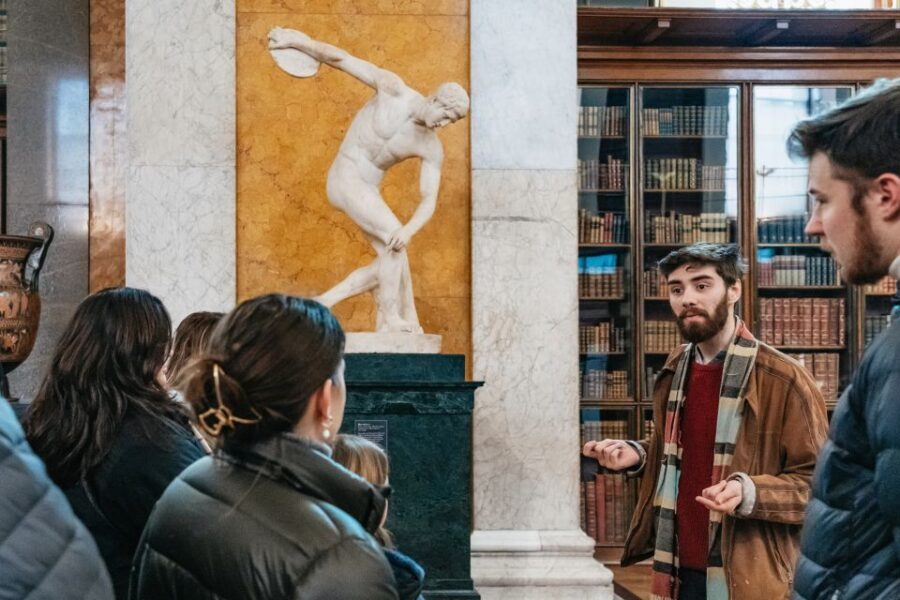
The tour’s backbone is Mesopotamia, framed as one of the best places to start if you want the big-picture story of cities, writing, and early empires. When you walk into Mesopotamian galleries with context, the artifacts stop looking random and start looking connected.
What makes this part work is the way the guide ties objects to everyday human systems—how people organized power, recorded information, and expressed belief. Even if you only know the region from broad history class, the tour helps you see the logic behind the collection.
Practical tip: go in ready to slow down for a few close-looking moments. This isn’t a race through rooms. The point is to understand why certain artifacts are considered anchors for the period.
Egypt stop: Rosetta Stone context and what to look for
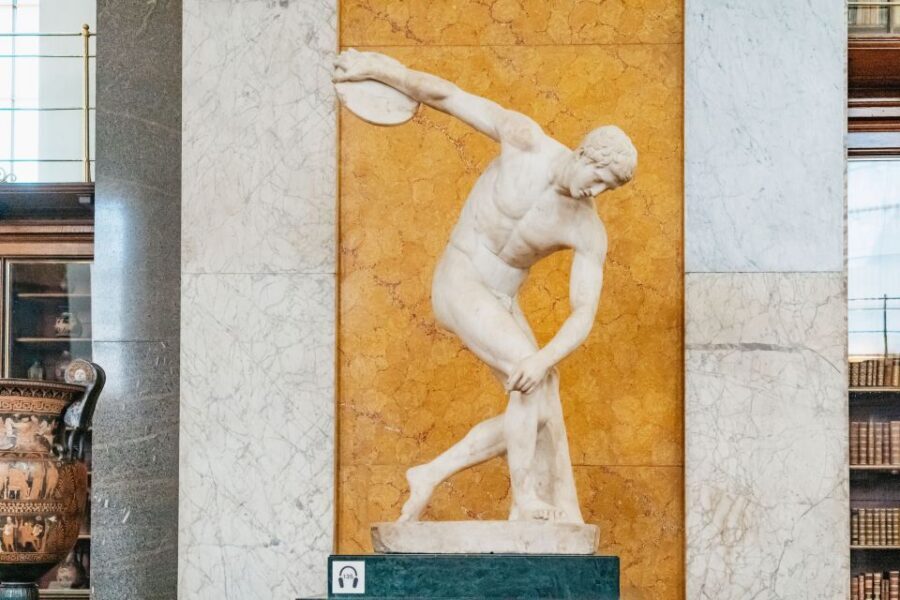
From Mesopotamia, the tour generally moves toward major Egypt highlights, with the Rosetta Stone often used as a key example. This is smart, because the Rosetta Stone isn’t just famous; it’s the kind of artifact that shows how knowledge is built.
With a good guide, you’ll spend less time thinking, I’ve heard of this, and more time thinking, here’s why it matters. The explanation can help you understand how scripts, languages, and translation efforts changed how people accessed the past.
If you’re the type who likes to connect museum objects to real-world outcomes, this is where you’ll feel the payoff. A two-hour format can’t cover everything, but focusing on one interpretive “how we know” moment keeps the time worthwhile.
Greece highlights: the Elgin Marbles in plain language
Next comes Greece, with the Elgin Marbles typically on the radar. This can be a make-or-break stop, because those sculptures often draw people in fast—and then leave them wondering what they’re supposed to notice.
A guide’s job here is to teach your eyes where to look. That might mean discussing style, subject matter, and why these works were collected or moved the way they were. Even if you’ve read headlines about the Elgin Marbles, on-the-ground explanations help you translate debate into what you’re actually seeing.
Balanced reality check: Greek galleries can be visually intense, especially if you’re surrounded by crowds (even in a small group). If you’re easily distracted, lean on the guide to point you to the key details to focus on for each sculpture or panel.
You can also read our reviews of more museum experiences in London





Tiny details that matter: temple carvings like Rosalila Temple
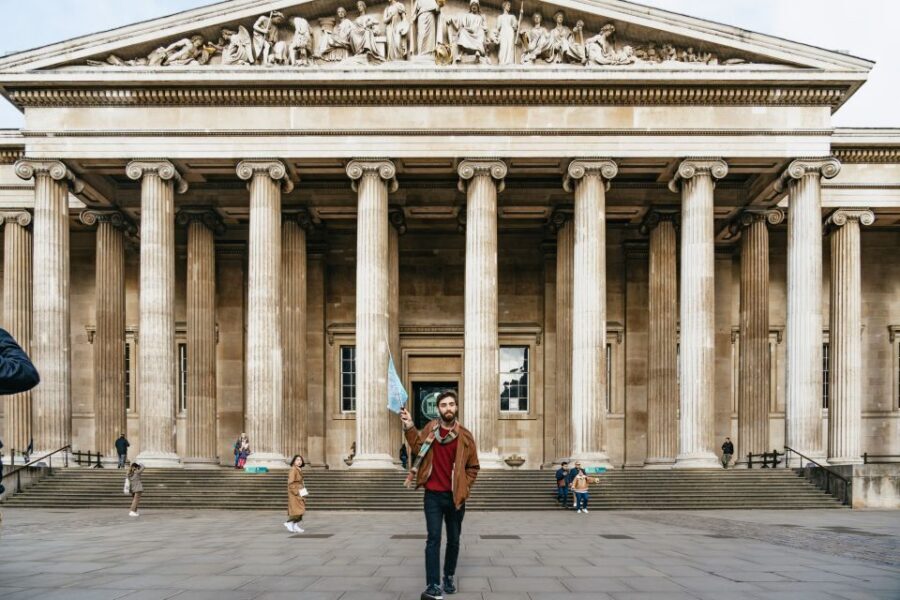
One of the tour’s strengths is the way it brings you back to specifics—surface details that turn an artifact from impressive to meaningful. The tour information you’ll hear may reference intricate work such as details from the Rosalila Temple.
Why does this type of stop matter? Because stone ornamentation and carved storytelling are often where you can see cultural priorities: what a society chose to depict, repeat, or emphasize.
This is also a good moment for you to ask questions. If you’re curious about symbols, design, or how archaeologists interpret fragmentary evidence, this is the kind of section where dialogue pays off.
Just don’t expect this tour to become a conservation lab. It’s a guided walkthrough, so the focus stays on interpretation you can grasp quickly on-site.
How the 10-person group stays personal
Small-group touring sounds good on paper. In practice, it changes everything about how much you can interact.
With a maximum of 10 participants, the guide can:
- notice when someone looks lost,
- answer the same question in a way that fits the group,
- and adjust to interests without losing the thread.
If your preferred style is to ask for clarification on the spot, you’ll likely enjoy this more than audio-only experiences. The group size also helps with pacing, which matters when you’re moving through a museum where some people want to linger and others want to keep moving.
One more real-world note: parts of the museum can be closed on certain days. When that happens, the guide’s value is in adapting—so you still get a coherent storyline rather than just walking around empty space.
Timing and pacing: why two hours can be a smart choice
A two-hour visit is short, but that can be a feature. The British Museum is enormous, and “seeing everything” often turns into “seeing nothing clearly.”
This tour is built around selected themes: Mesopotamia, then Egypt highlights like the Rosetta Stone, and Greece like the Elgin Marbles, plus other interpretive details. That gives you a mental framework you can use later if you want to explore on your own afterward.
If you’re visiting London for the first time or you don’t want to spend half a day doing museum logistics, this is a practical sweet spot. If you love museums and want to read every label, you might find it too fast—so you’d pair it with a longer unguided block.
Value check: what you’re really paying for at about $90
At $90 per person for a 2-hour experience, the headline price is easy to compare—but the value is in what’s included.
What you get:
- Museum entry
- A tour guide
What you don’t get:
- food and drinks
- hotel pickup or drop-off
So yes, you’re paying for the guide. But you’re also buying time saved and meaning created. In a museum like this, the difference between self-guided wandering and guided interpretation can be the difference between seeing objects and understanding why they mattered.
One smart way to think about it: this tour is like paying to get a clear map of the most important storylines—then you can use that knowledge to explore further (if you want) without feeling totally lost.
Practical logistics: where to stand, what to bring
Because you meet at Starbucks across the museum entrance, you don’t need complicated transit planning once you’re already near the museum. Just arrive a few minutes early so you’re not rushing at the start.
Bring:
- comfortable walking shoes (you’ll be moving through galleries),
- a charged phone for quick reference,
- and a way to jot down questions if you’re the kind of person who thinks of them mid-sentence.
Not allowed: pets. If you’re traveling with an animal, you’ll need to plan an alternative.
And because food and drinks aren’t included, I recommend having a simple plan before or after the tour. Two hours can fly by, and you don’t want snack decisions to steal attention from the artifacts.
Who this tour suits best (and who might prefer another plan)
This guided visit is a great match if you:
- want a guided route through major galleries without committing to a full-day museum crawl,
- enjoy explanations that connect archaeology and art history,
- like asking questions and getting tailored answers,
- and prefer a small group pace.
It may be less ideal if you:
- want to read every label and stay in one gallery for a long time,
- expect a full museum sweep,
- or arrive with very specific expectations that require deeper, niche coverage than a two-hour structure can deliver.
Should you book the British Museum guided tour?
Book it if you want the British Museum to feel organized and meaningful fast. I’d choose it for your first trip to the museum, or for any day when you want less stress and more understanding.
Skip it if you’re planning a long museum day and you’re happy to explore independently with patience. This tour is about focus and interpretation, not total coverage.
If you do book, go in with one or two things you’re curious about—Mesopotamia, Egypt, Greece, inscriptions, sculpture details—and you’ll likely get more out of the guide’s flexibility during the walk.
FAQ
How long is the British Museum guided tour?
The tour lasts 2 hours.
What is the group size?
It’s a small group limited to 10 participants.
What language is the tour guide speaking?
The tour is offered with a live English tour guide.
Where do I meet the guide?
The guide meets you in front of Starbucks, just across the museum entry.
Is museum entry included in the price?
Yes. Museum entry is included.
What’s included besides museum entry?
A tour guide is included.
What is not included?
Food and drinks are not included, and there is no hotel pickup and drop-off.
Is this tour pet-friendly?
No. Pets are not allowed.
Can I cancel for a full refund?
Yes. You can cancel up to 24 hours in advance for a full refund.
Is there a reserve-now and pay-later option?
Yes. You can reserve now & pay later.