REVIEW · LONDON
London: British Museum + Guided Tour + Priority Entry
Book on GetYourGuide →Operated by Strabo · Bookable on GetYourGuide
One big museum problem is time. This tour turns the British Museum into a focused walk through a few blockbuster eras, with a live guide steering you to the objects that actually change how you see history. I especially like the way it starts with the Rosetta Stone and then keeps momentum across Egypt, Assyria, and Greece.
Two things I really appreciate are the professional, English-speaking guides and the small, human pace. Names like Strabo and Martina come up with the same theme: they explain clearly, stay calm, and stick around for questions without making you feel rushed.
The main drawback is the same one with any highlights tour: 80 minutes is not enough to see the British Museum in full. If you want to wander every room on your own and read deeply, you’ll need extra time after the guided portion.
In This Review
- Key highlights in plain English
- Why 80 minutes at the British Museum feels like a good deal
- Meet at Montague Place, not by guesswork
- Rosetta Stone: the fastest way to understand hieroglyphs
- Egypt’s afterlife: mummies, coffins, and belief you can picture
- The Parthenon sculptures (Elgin Marbles) and what to look for
- Assyrian lion hunt reliefs: power propaganda you can read
- Lewis Chessmen: a medieval mystery with Viking-era ties
- The pacing: enough highlights to orient you, not enough to exhaust you
- Rules that matter for your comfort (and your photos)
- Price check: does $33 buy real value?
- Who this tour suits best
- Should you book this British Museum highlights tour?
- FAQ
- Where do we meet for the British Museum tour?
- How long is the guided tour?
- Is the tour wheelchair accessible?
- What language is the live tour guide?
- Can I take photos during the tour?
- Are food and drinks allowed inside exhibition rooms?
- Does the tour include priority entry?
- Can I cancel for a refund?
- Can I reserve without paying right away?
Key highlights in plain English
- Priority-style entry helps you avoid the worst waiting and get moving fast
- Rosetta Stone first, so Egyptian hieroglyphs make sense quickly
- Mummies and coffins with the beliefs and routines behind mummification
- Elgin Marbles (Parthenon sculptures) with clear myth-and-history context
- Assyrian lion hunt reliefs that show power carved in stone
- Lewis Chessmen explained as medieval treasures with Viking-era links
Why 80 minutes at the British Museum feels like a good deal
You’re paying $33 for an 80-minute guided introduction to one of the world’s biggest collections. That sounds short until you realize the British Museum is so vast that a self-guided trip can become random walking. This tour fixes that problem by pointing you toward the most meaningfully connected objects.
I like that it doesn’t pretend to cover everything. Instead, it gives you a tight storyline: how civilizations rose, how they ruled, and how their art and ideas survived long enough to be studied today. You’ll spend time where the museum “clicks” for most first-timers—Egyptian writing, funerary belief, Greek sculpture, Assyrian royal propaganda, and a handful of medieval surprises.
And because there’s a live guide, you get context you’d miss by just skimming labels. That’s where the money usually pays back: not in admission cost, but in the time you save and the connections you learn.
You can also read our reviews of more guided tours in London



Meet at Montague Place, not by guesswork
Start by planning your arrival around the meeting point. You’ll meet outside the Montague Place entrance, right by the two stone lions. It’s a straightforward landmark, but in a museum this big, a “nearby” meeting can still turn into a search.
Here’s the practical approach: arrive a little early, find the lions, and wait where the guide is actually expected to appear. If you’re traveling with kids or you’ve got mobility needs, building in a few extra minutes reduces stress fast.
The tour itself is set up for easy participation. It’s wheelchair accessible, though some museum areas may be challenging to navigate. So if you use a chair or mobility aid, it’s smart to go in with a flexible mindset and expect that a few stretches might be awkward.
Rosetta Stone: the fastest way to understand hieroglyphs
The tour starts with one of the museum’s most famous objects: the Rosetta Stone. If you’ve ever seen hieroglyphs and thought, Great, but how do I read this, this is your entry point.
The guide’s job here is to make the Rosetta Stone’s impact feel real. You’ll learn how a single object helped unlock the secrets of ancient Egyptian hieroglyphs, and why that mattered for historians. Instead of treating hieroglyphs like decorative symbols, you start seeing them as a writing system tied to language and power.
This stop works well because it creates a foundation you’ll use later. When you move into Egyptian themes—especially mummification and burial belief—you’ll understand the objects are not just “old stuff.” They’re connected to a worldview that people actually lived by.
Egypt’s afterlife: mummies, coffins, and belief you can picture
Next you’ll shift into the museum’s Egyptian material, with a focus on what ancient Egyptians believed about life after death. You’ll see mummies and coffins, and the guide explains the rituals and techniques behind mummification.
What makes this part valuable is the tone: it’s not just anatomy or shock value. It’s belief-driven. You’ll leave with a clearer idea of why preservation mattered, how funerary practices fit into religion, and how status and identity show up in the objects people buried with.
Also, if you’ve seen Egyptian themes in books or films, you’ll notice how the museum grounds those ideas in physical evidence. Even if you’re not a museum person, this tends to land because it answers a basic human question: what happens to you, and what do you do about it?
A practical note: photography is allowed, but flash photography is prohibited. If you’re planning shots, set your camera to normal light and be ready to move on quickly.
The Parthenon sculptures (Elgin Marbles) and what to look for
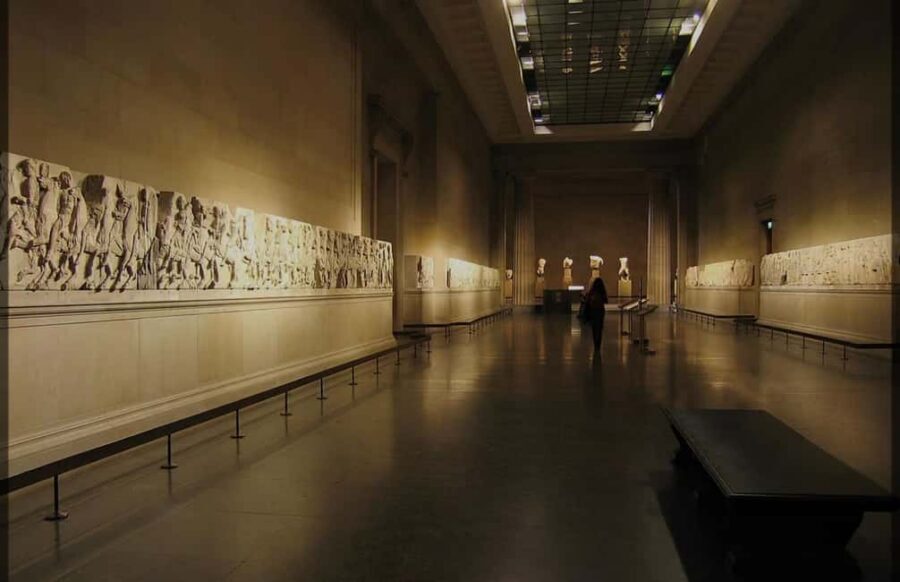
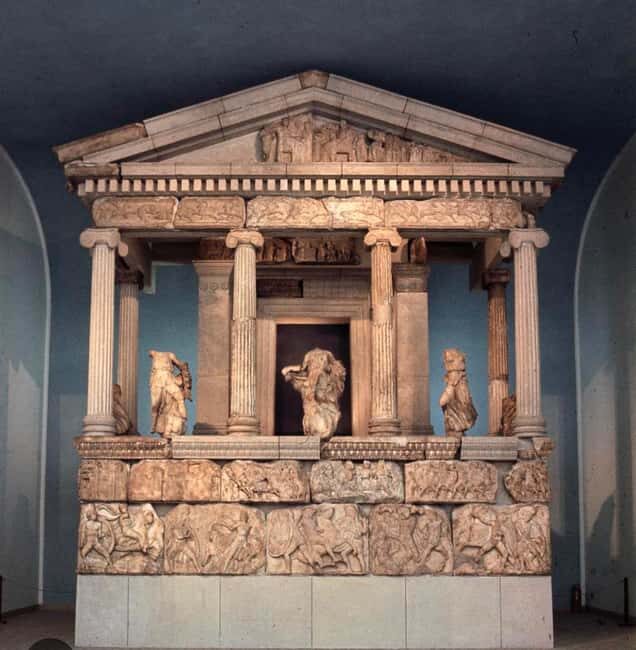
From Egypt you head to Greece, including the famous Parthenon sculptures often called the Elgin Marbles. The tour highlights key pieces from the 5th century BCE and explains why they matter for understanding ancient Greek life and ideas.
This is where I like the guided approach most. These sculptures can look like beautiful stone at first glance, but a guide helps you notice what’s actually happening—poses, expressions, narrative scenes, and myth connections. The tour focuses on scenes tied to Greek mythology, so you’re not just admiring form. You’re also learning how stories were carved into public art.
Even if Greek mythology isn’t your thing, the sculptures are still an art-history masterclass. They show skill, dramatic composition, and the kind of cultural confidence that comes with major civic projects.
You can also read our reviews of more museum experiences in London




Assyrian lion hunt reliefs: power propaganda you can read
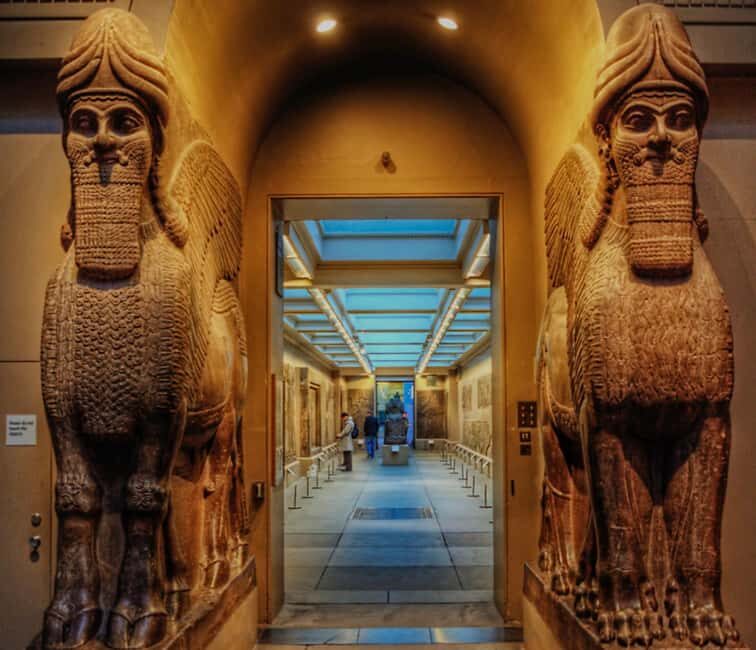
Then you’ll step into the world of the Assyrian Empire and look at the impressive lion hunt reliefs. These carvings are intricate, and they’re not subtle. They show royal power, controlled violence, and the image of a ruler whose strength is meant to be undeniable.
I like how this stop balances the earlier Egyptian and Greek material. Egypt often feels wrapped in religion; Greece leans toward myth and public art. Assyria swings toward state messaging: a visual statement about authority, discipline, and dominance.
When a guide points out the details in the reliefs, the scene stops feeling like decoration. You start noticing patterns in how the figures are arranged and how the hunt is presented as spectacle and proof of capability. That shift is what makes the 80 minutes feel more than a checklist.
Lewis Chessmen: a medieval mystery with Viking-era ties
One of the most interesting course-corrections in the tour is the Lewis Chessmen. You’ll learn about these intricately carved chess pieces discovered on the Isle of Lewis in Scotland, and the guide explains why they matter for understanding medieval games and Viking culture connections.
This stop stands out because it’s less expected than mummies and grand sculptures. It reminds you the British Museum doesn’t just hold ancient empire monuments—it also holds objects connected to daily life, craftsmanship, and cultural blending.
The chessmen themselves are a good way to end the guided experience because they’re approachable. People understand the idea of chess. From there, you can appreciate the artistry and the historical story without needing deep prior knowledge.
The pacing: enough highlights to orient you, not enough to exhaust you
The whole point of the tour length—80 minutes—is that it gives you orientation without draining your will to explore more. You’ll get a structured overview across a few major sections, and the guide keeps the flow moving between the objects that matter most.
You’ll also notice a consistent strength in how guides handle questions. Many people mention that the guide stays patient and answers in a way that keeps both adults and younger visitors engaged. If you’re bringing teens, this matters. Big museums can feel like standing in front of a wall of writing. A good guide turns that into something you can actually talk about.
Still, plan your time after the tour. Once the highlights are done, you’ll likely want to slow down and pick your own path. That’s where the museum becomes yours.
One small perk: you can also check out the gift shop afterward for books, souvenirs, and replicas.
Rules that matter for your comfort (and your photos)
A few museum rules affect the day-to-day experience. Food and drinks are not allowed inside the exhibition rooms, so plan snacks for outside areas and keep water handy where permitted.
Since flash photography is prohibited, don’t rely on bursts. If you want clear pictures, shoot using ambient light and keep expectations realistic; some galleries are darker than you’d guess.
Wheelchair access is listed as available, but some areas may be challenging to navigate. That’s not a dealbreaker, but it does mean you should be ready for uneven surfaces or tighter pathways depending on where the tour goes.
Price check: does $33 buy real value?
$33 for a guided museum hour-plus is not cheap, but it’s usually worth it if you meet the British Museum for the first time, or if you want a guided story instead of label reading.
Here’s the value logic I’d use:
- The museum is huge. A guide saves you from spending your best energy walking in the wrong direction.
- The tour focuses on objects that connect across time: Egyptian writing and belief, Greek narrative sculpture, Assyrian royal imagery, and even medieval chess craftsmanship.
- You get a live English guide who can answer questions, which helps you learn faster than you would alone.
If you’re the kind of visitor who loves reading every label and lingering for a long time in each room, you may feel the tour is just the opening act. But if you want a smart start you can build on, this is a solid way to turn admission into understanding.
And the priority-style entry angle matters. Even small reductions in waiting can make a guided visit feel smooth instead of stressful.
Who this tour suits best
This fits best if you:
- Want a first visit that helps you prioritize the museum’s most memorable moments
- Appreciate learning with a human guide, especially for complex topics like writing systems and funerary belief
- Want a manageable pace that doesn’t force all-day commitment
It may feel less perfect if you:
- Want to spend most of your time in one department (like only Egypt, only Greece, or only medieval Europe)
- Prefer zero structure and total wandering
- Need long, frequent breaks, because this is built for a single 80-minute flow
Should you book this British Museum highlights tour?
Yes—if you want the British Museum to make sense quickly. Book it when you care about the big-name objects, but you also want the context that turns them from impressive things into meaningful stories.
I’d especially recommend it if you’re visiting London with limited time, traveling with mixed ages, or you’d otherwise be stuck choosing between too many galleries. This tour helps you get your bearings fast, then gives you permission to explore afterward at your own pace.
FAQ
Where do we meet for the British Museum tour?
You meet outside the Montague Place entrance, by the two stone lions.
How long is the guided tour?
The guided tour lasts 80 minutes.
Is the tour wheelchair accessible?
The museum is wheelchair accessible, but some areas may be challenging to navigate.
What language is the live tour guide?
The tour guide is live and speaks English.
Can I take photos during the tour?
Photography is allowed, but flash photography is prohibited.
Are food and drinks allowed inside exhibition rooms?
No. Food and drinks are not allowed inside the exhibition rooms.
Does the tour include priority entry?
The experience is described as including priority entry, and some visits are reported as having minimal waiting.
Can I cancel for a refund?
Yes. Free cancellation is available up to 24 hours in advance for a full refund.
Can I reserve without paying right away?
Yes. You can reserve now and pay later, with the option to book your spot and pay nothing today.