REVIEW · LONDON
London: British Museum Highlights Guided Small Group Tour
Book on GetYourGuide →Operated by Babylon Tours London · Bookable on GetYourGuide
You can’t wing the British Museum. In just 2 to 2.5 hours, this small-group tour brings you to the objects that anchor 6,000 years of human history, with stories that make each gallery feel connected.
I love the way the guide locks onto a few standout works and explains what you’re actually looking at. I also love seeing the museum through the lens of big themes, like translation and power, with moments such as the Rosetta Stone and the Assyrian lion hunt reliefs.
The main drawback is time. You’ll get highlights, not every room, and there’s a small amount of walking plus no time for slow drifting.
In This Review
- Key highlights to expect from this tour
- Beating British Museum overload, one gallery at a time
- Rosetta Stone: the real artifact behind the translation story
- Assyrian lion hunt reliefs: when art is basically propaganda
- Parthenon Sculpture: myth, politics, and human theater
- Lewis Chessmen and Royal Game of Ur: board games with empire-sized footprints
- Oxus Treasure and the Mummy of Katebet: trade routes and afterlife beliefs
- Samurai armor, plus the tour’s theme-first method
- Is $112 good value for a British Museum highlight tour?
- Tips so you don’t waste your two-hour window
- Should you book the British Museum Highlights Guided Small Group Tour?
- FAQ
- How long is the British Museum highlights tour?
- How much does the tour cost?
- What’s included in the price?
- Is hotel pickup or drop-off included?
- Are food and drinks included?
- How big is the group for the semi-private option?
- Is the tour wheelchair accessible?
- Do I need to bring ID?
- Is luggage allowed?
- Is the tour available every day, and can I cancel?
Key highlights to expect from this tour
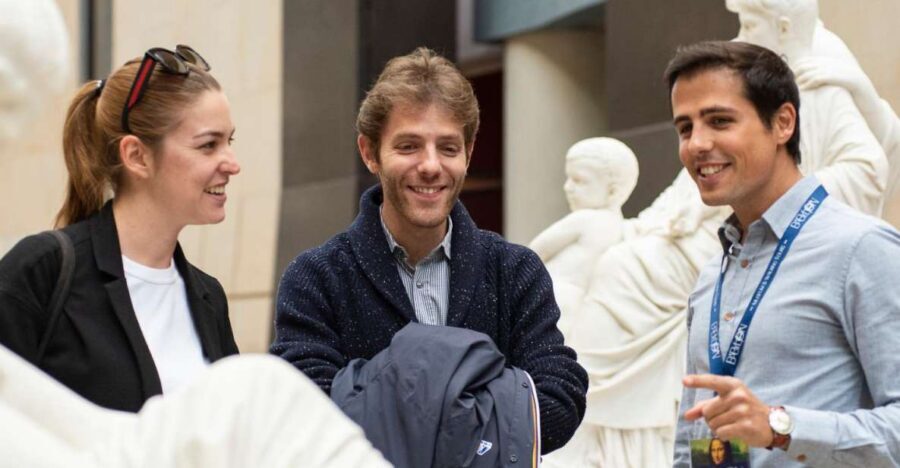
- A tight highlight circuit in 2–2.5 hours so you don’t leave overwhelmed
- The Rosetta Stone, including the fact it’s the actual rock, not just the idea of translation
- Assyrian Lion Hunt reliefs where you can read politics and pageantry in stone
- Parthenon Sculpture with context that helps Greek art feel alive
- Lewis Chessmen and Royal Game of Ur style board-game history in the same museum brain
- Oxus Treasure that shows how far trade and craftsmanship traveled
Beating British Museum overload, one gallery at a time
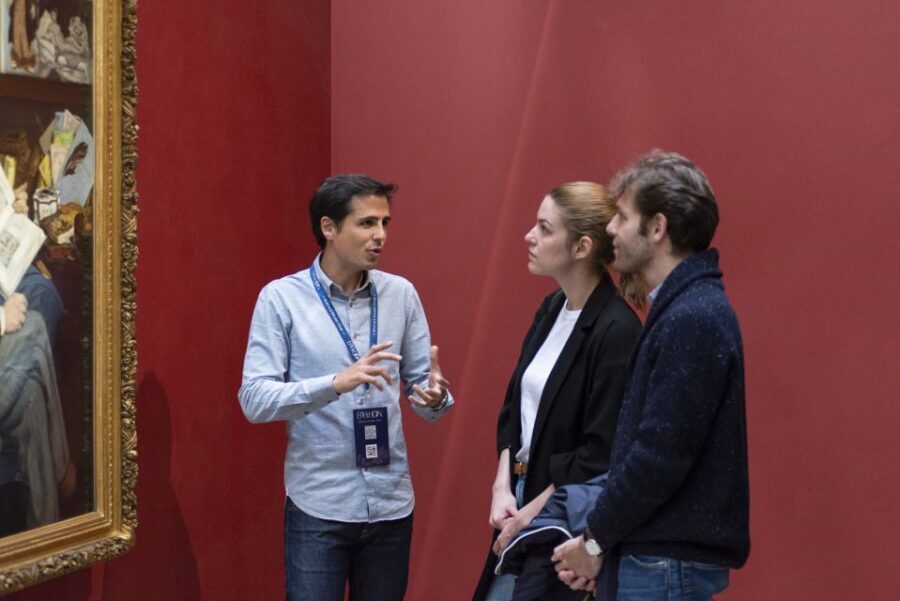
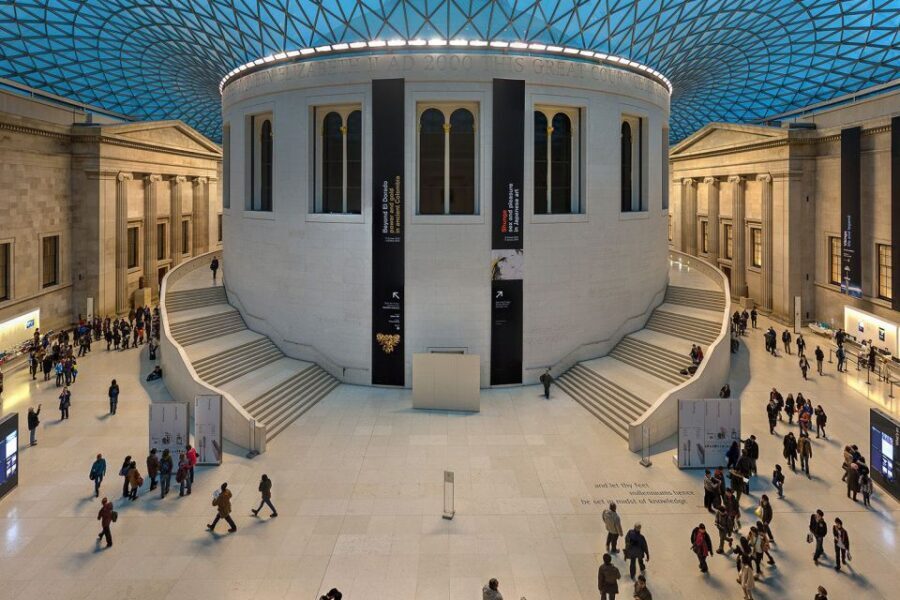
The British Museum is huge in a way that messes with your plans. You might feel like you’re constantly walking past major stuff without knowing what matters most. This tour solves that problem with a short, focused route that points you to the museum’s biggest names and gives you just enough background to see them clearly.
The timing is the whole deal. At 2 to 2.5 hours, you’re not trying to “see everything.” You’re trying to catch the highlights, understand why they matter, and leave with a story you can repeat later. For me, that’s the smartest way to start a museum visit when you only have a half-day.
Group size also matters here. Semi-private options cap at 8 guests, which keeps the guide from turning into a microphone on a stick. Private options exist too, which is a big plus if you want quieter pacing or a more tailored experience.
One more practical thing: you’ll walk some, and there’s no hotel pickup. So wear shoes you’d wear for a real sightseeing stretch, and plan to arrive at the meeting point with enough time to get settled.
You can also read our reviews of more guided tours in London



Rosetta Stone: the real artifact behind the translation story
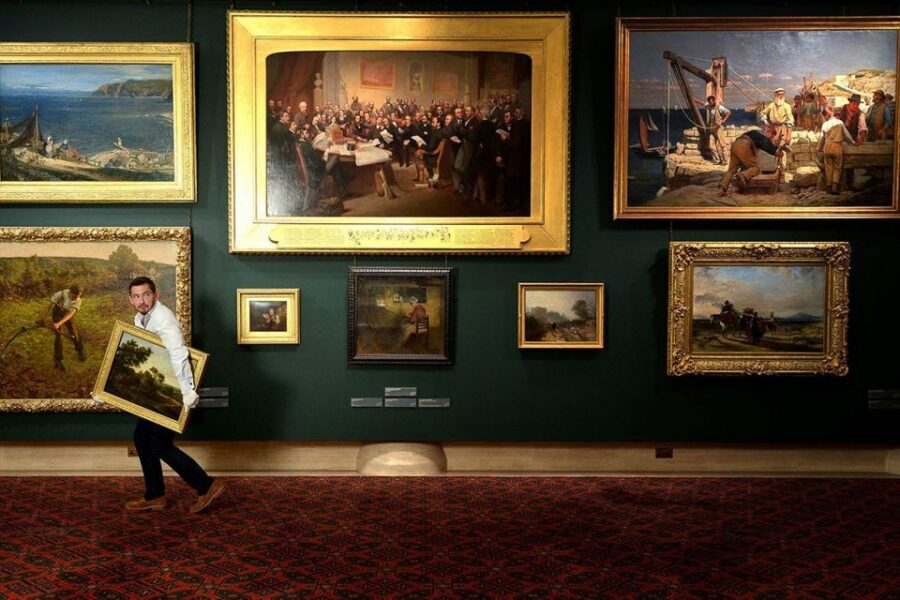
You’ll spend time on the Rosetta Stone, and it’s worth how the tour frames it. This isn’t a “word lesson” tour that treats the stone like background trivia. The tour emphasizes the object itself, which helps you notice details you’d otherwise gloss over.
Even if you’ve heard of the Rosetta Stone, it’s easy to reduce it to one famous outcome. The guide’s approach turns it into a more grounded story: how knowledge travels, how empires leave artifacts behind, and how later scholars use what they find. That makes the stone feel less like a poster and more like a real surviving document.
And here’s the payoff for you: once you’ve got the Rosetta Stone in your head as a physical link across cultures, the rest of the museum starts clicking. You begin seeing patterns instead of isolated masterpieces. That’s the difference between “I saw that” and “I understood why it mattered.”
Assyrian lion hunt reliefs: when art is basically propaganda
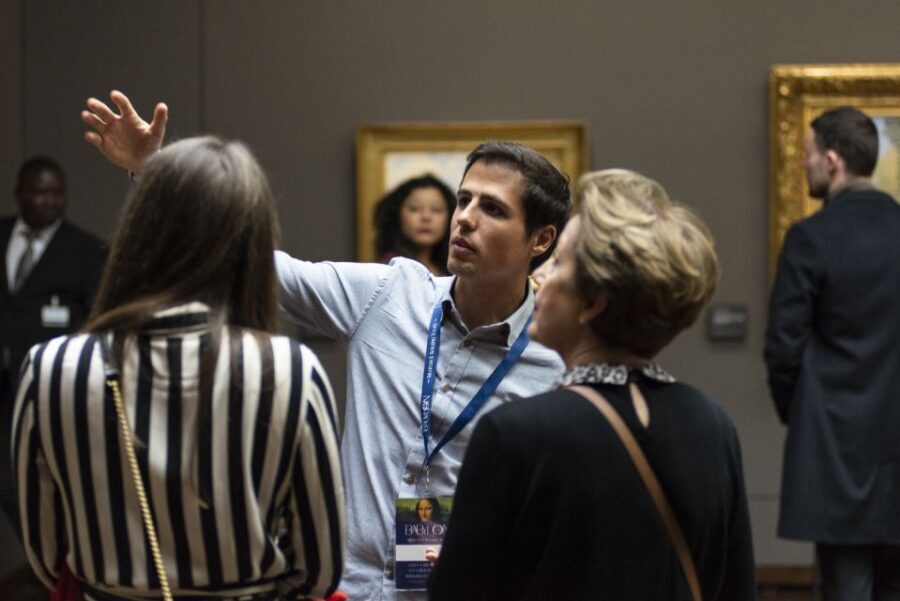
Next comes one of the most dramatic themes in the whole museum: power made visible. The Assyrian Lion Hunt reliefs show rulers performing control, not in text, but in imagery.
What I like about this stop is how the guide helps you read action. You’re not just looking at carved animals. You’re looking at a controlled scene meant to communicate dominance, bravery, order, and reach. Once you see the intent, the reliefs start telling you a political story, not only an artistic one.
This also sets you up for other “rule and conflict” themes later in the tour. The museum has items from across continents, but the human urge to celebrate authority looks surprisingly familiar. The guide keeps that thread going without turning it into a lecture.
Parthenon Sculpture: myth, politics, and human theater
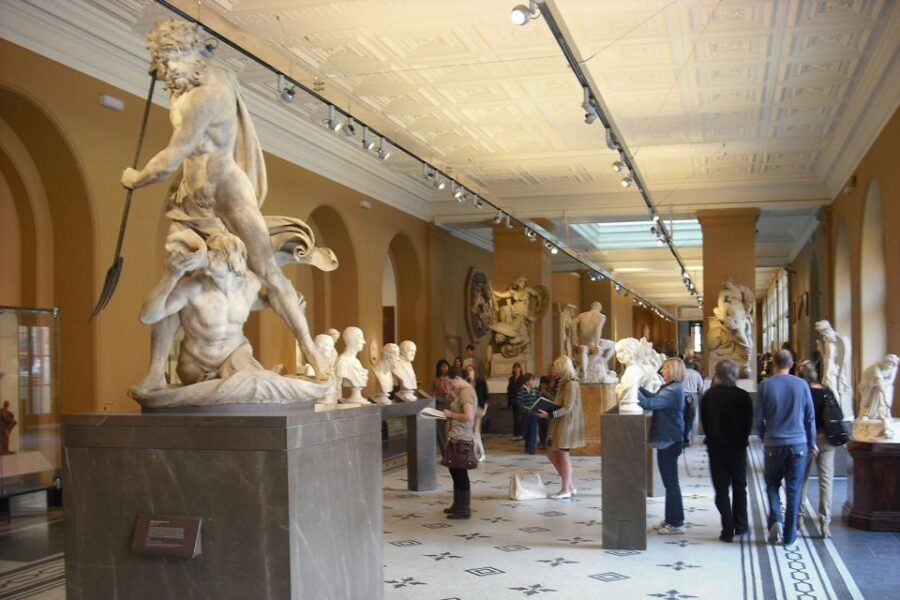
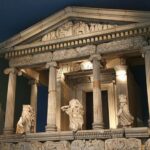
The Parthenon Sculpture stop is a reminder that Greek art isn’t stuck in a museum bubble. The sculptures bring stories to life through poses, expressions, and the sense that something is happening right now.
This is where a good guide earns their keep. Without context, you can get lost in names and dates. With the tour’s approach, you understand why the sculptures were made, what they were meant to project, and how they fit into the bigger world of Greek culture. You end up looking longer because you know what you’re hunting for.
If you’re visiting with teens, this is often the moment where attention clicks. The guide’s tone is serious, but not stiff. Humor and conversation show up, and that helps young people stay engaged instead of checking out after ten minutes.
If you only do one “big art” lesson at the British Museum, this is the one I’d prioritize.
Lewis Chessmen and Royal Game of Ur: board games with empire-sized footprints
The tour includes time with the Lewis Chessmen, and it’s such a smart contrast to the war-and-rule energy of the earlier stops. Chess feels universal now, but the story behind these pieces is where history gets fun.
You get to see how a game can carry culture. These aren’t just pretty miniatures. They’re evidence of trade, craftsmanship, and the way ideas travel between societies. Even if you don’t play chess, you can still enjoy the human side: people making time for strategy, competition, and story.
The tour also references other game-related objects, like the Royal Game of Ur, which helps you see that games weren’t invented recently or only in one place. This is the kind of stop where you’ll notice details more because the guide ties them to real human behavior.
For you, the practical benefit is simple: if you’re worried the museum is all heavy stuff, this segment gives your brain a breather without losing educational value.
You can also read our reviews of more museum experiences in London



Oxus Treasure and the Mummy of Katebet: trade routes and afterlife beliefs
The Oxus Treasure is another highlight that changes how you picture the museum. It’s a reminder that the “British Museum story” isn’t only Britain, Greece, or Egypt. Central Asia shows up through objects that reflect skill, materials, and connections between regions.
The guide’s framing helps you connect the treasure to movement: who had access to what, how luxury traveled, and why objects like these matter for understanding historical networks. It’s not just beauty on a stand; it’s evidence.
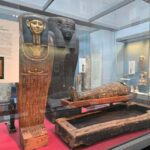
Then there’s the Mummy of Katebet, which adds a very different emotional tone. Where the Oxus Treasure points toward craftsmanship and exchange, the mummy brings you into the human world of belief and preservation. The tour keeps things respectful and grounded, with the goal of helping you understand what humans expected life to mean beyond the end.
If you like museums that don’t shy away from the big questions, this pairing works. You leave with a sense that history isn’t only “what happened,” but also “what people believed.”
Samurai armor, plus the tour’s theme-first method
One of the neat things about this tour is how it uses objects to build a single big picture. You might see Samurai armor on the route, and it helps broaden the idea of “authority” beyond one geography. It’s not just warrior aesthetics. It’s a window into identity, discipline, and how societies organized power.
The overall method is theme-first rather than room-by-room memorizing. Instead of you collecting random facts like souvenir magnets, you’re guided to understand connections. That’s why people walk out talking about what they learned rather than only what they saw.
And yes, the guide style is a major factor in the experience. Guides on different days have been described as funny, engaging, and quick to involve the group. Some have even been praised for going beyond dates and facts into storytelling that makes the objects feel real. If you’re bringing kids or teens, that conversational energy is often the difference between boredom and curiosity.
Is $112 good value for a British Museum highlight tour?
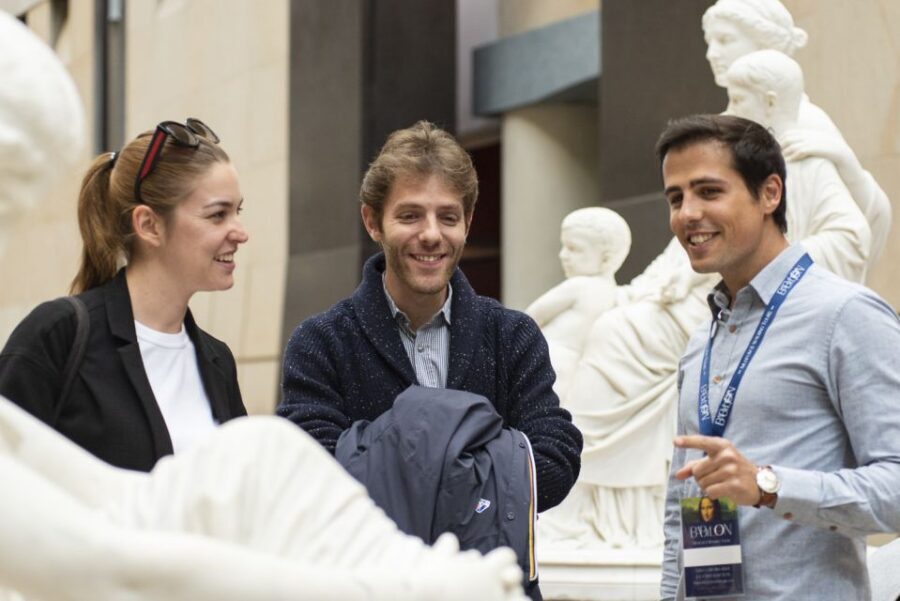
At $112 per person for 2 to 2.5 hours, the price only feels right if the tour saves you from the museum’s biggest trap: wandering without a plan. The British Museum can chew up half a day fast, and you can end up with a visit that feels like walking past impressive things with no real takeaways.
This tour’s value is that you pay for direction and context. You’re not paying for someone to point at labels. You’re paying for someone to help you see how objects connect, what details matter, and why each piece belongs in the wider story of human history.
Also, small-group sizing matters for value. In an 8-person semi-private group, the guide can still address questions and keep attention from splintering. That means more time with the objects and less time waiting for the whole group to regroup.
If you’re someone who likes museum visits but doesn’t want to spend weeks researching first, this tour is a good “high yield” way to get oriented. It’s also ideal if this is your first time at the museum and you don’t know where to start.
Tips so you don’t waste your two-hour window
Before you go, set your expectations. This is a highlight tour. You’ll see major works, but you won’t see everything. Plan to treat the visit as the start of your relationship with the museum, not the final word.
Bring:
- Passport or ID card
- Comfortable walking shoes
- A light mindset. The guide will do the heavy lifting in explaining what you’re seeing.
Leave behind:
- Luggage or large bags, since they’re not allowed.
If you’re traveling with teens, keep the pace interactive. The best results come when you ask a question or share what surprised you at the last stop. Guides are set up to involve the group, and that makes the time go faster.
Accessibility note: the tour is not listed as suitable for wheelchair users unless you book a private wheelchair tour. If accessibility is a priority, confirm the option type before you lock anything in.
Should you book the British Museum Highlights Guided Small Group Tour?
I’d book this if you want the British Museum’s best hits in a short time frame and you care about understanding, not just taking pictures. The highlights are iconic for a reason, and the tour’s theme-first method turns those icons into a coherent story about power, belief, craft, and exchange.
It’s also a great pick if you’re visiting with younger people. The guide style has been described as funny and engaging, and the pace is built for keeping attention without turning into a marathon.
Skip it if you’re the type who needs solitude to enjoy museums, or if you want to spend hours in one wing comparing everything on your own. This tour is designed to guide your attention, not replace your independent wander time.
If you’re aiming for value, the calculation is simple: pay for context and direction now, then use the rest of your day (or next trip) to explore deeper where you felt the most curious.
FAQ
How long is the British Museum highlights tour?
It runs for about 2 to 2.5 hours.
How much does the tour cost?
The price is $112 per person.
What’s included in the price?
You get a professional local tour guide. The tour is offered in private or semi-private formats.
Is hotel pickup or drop-off included?
No, hotel pickup and drop-off are not included.
Are food and drinks included?
Food and drinks are not included unless specified for your option.
How big is the group for the semi-private option?
The semi-private tour allows a maximum of 8 guests.
Is the tour wheelchair accessible?
Wheelchair tours are only available as a private tour. The small-group option is not suitable for wheelchair users.
Do I need to bring ID?
Yes. Bring a passport or ID card.
Is luggage allowed?
No. Luggage or large bags are not allowed.
Is the tour available every day, and can I cancel?
It’s available daily. Free cancellation is offered up to 24 hours in advance for a full refund, and there’s also a reserve now and pay later option.