REVIEW · LONDON
London: Jack The Ripper Walking Tour
Book on GetYourGuide →Operated by See The Sights Tours · Bookable on GetYourGuide
Fog and fear walk with you in Whitechapel. This London Jack the Ripper walking tour takes you to real crime scenes around Whitechapel and the East End, then weighs the clues and competing theories about who the killer might have been. I also like the way the guide keeps the focus on the victims, not cheap spooky theatrics, while you learn what Victorian London looked like. One possible drawback: if it’s cold or rainy, you may be out on the streets for most of the 150 minutes with limited breaks for warmth.
The tour’s hook is local detail. You start near Aldgate Station (look for the guide with a yellow umbrella), and you move through key East End stops that help you understand why these murders gripped the city and the wider world. If you get a guide like Carolina, you’ll notice the tone stays respectful and clear, with a steady, easy-to-follow pace.
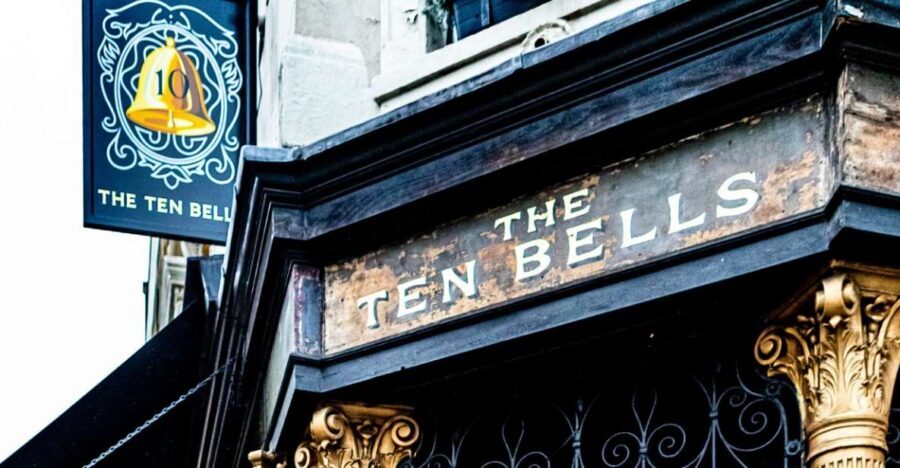
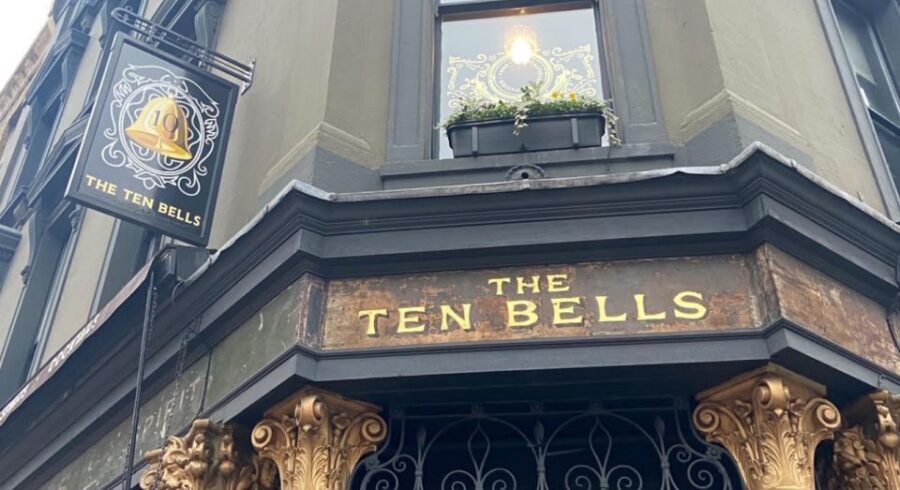
It also has a nice “last chapter” feel. You finish at The Ten Bells in Spitalfields, where you can grab a drink and keep talking about what you just learned—whether you’re into true crime or just curious about London’s darker corners.
In This Review
- Key things I’d bet on
- Real Whitechapel streets: what makes this tour work
- Starting at Aldgate High Street and finding your guide fast
- Whitechapel on foot: how the tour keeps you oriented
- The clue part: theories and evidence, presented as a puzzle
- Mitre Square, Petticoat Lane, and the feel of daily life
- Spitalfields Market and Old Spitalfields Market: the neighborhood lens
- Brick Lane: a practical way to picture the era
- The canonical five: why the victim focus matters
- The Ten Bells finish: how to turn a walk into an evening
- Price and logistics: value for $18 and how to prepare
- Who should book this Jack the Ripper walking tour?
- Should you book it?
- FAQ
- FAQ
- How long is the London Jack the Ripper walking tour?
- Where does the tour start?
- Which station should I use: Aldgate or Aldgate East?
- How do I recognize the tour guide?
- How much does the tour cost?
- What areas will the tour cover?
- Does the tour include The Ten Bells?
- Is the tour suitable for children?
- Are pets or large bags allowed?
- Can I cancel for a refund or reserve with pay later?
Key things I’d bet on
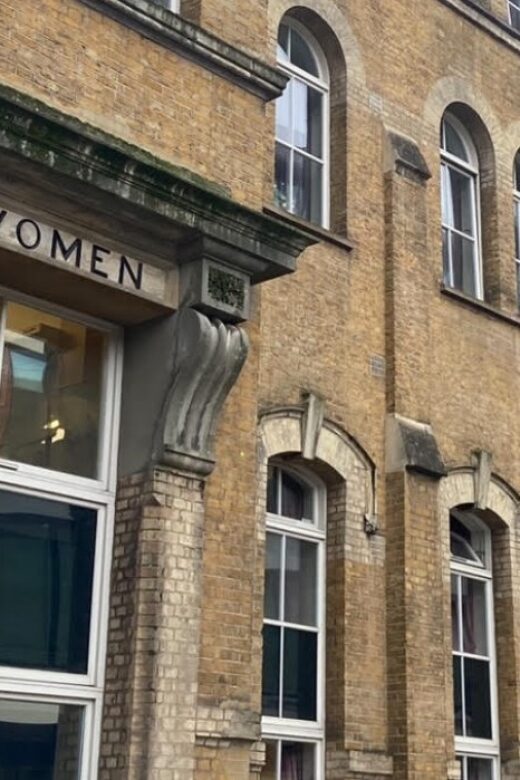
- Real Jack the Ripper sites in Whitechapel and the East End, not staged replicas
- Victims-first storytelling, with a respectful tone for the canonical five
- Clues and theories presented alongside the social context of Victorian London
- East End landmarks like Spitalfields Market and Brick Lane, for better place-based understanding
- A classic finish at The Ten Bells, easy to extend the evening on your terms
Real Whitechapel streets: what makes this tour work
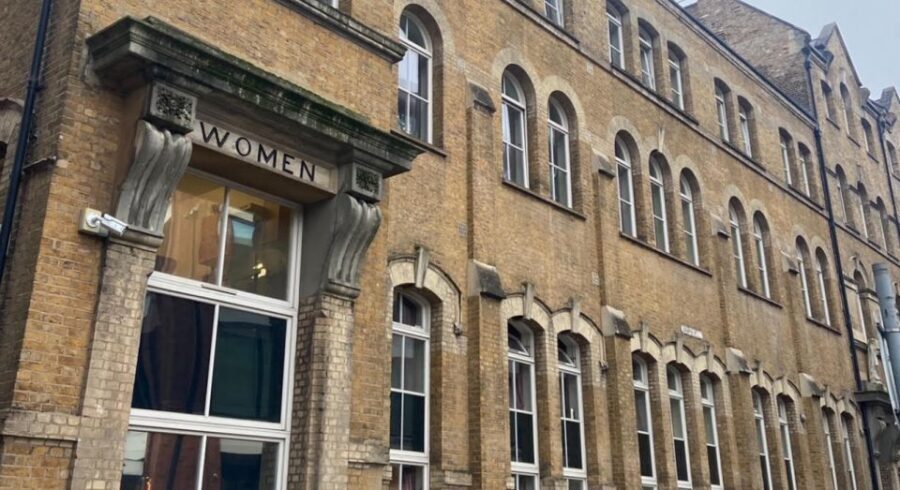
This is the kind of tour where the setting does half the job. You walk in the Whitechapel and East End area where the events played out, and that “you are here” feeling matters. It turns a famous mystery into something grounded in streets, neighborhoods, and daily life.
I like that you don’t just hear a timeline. You get the wider picture: Victorian conditions, the police investigation that became public attention, and the long shadow these unsolved murders cast. Even if you don’t have strong opinions about the identity, you’ll leave with a clearer sense of why the case became so persistent.
The emotional tone is another big reason this works. Multiple guides in the mix are known for treating the victims as people first, not just plot devices. That’s a relief on a subject that can easily slide into sensationalism.
You can also read our reviews of more walking tours in London



Starting at Aldgate High Street and finding your guide fast
The tour begins at 9 Aldgate High St, right by Aldgate Station. You should go to Aldgate Station, not Aldgate East Station, and you’ll see the guide holding a yellow umbrella.
This sounds small, but it’s the difference between a smooth start and a stressful one. Aldgate is busy, and “close to X” can still be confusing if you arrive late or distracted. Give yourself a little buffer so you can take your bearings and be ready when the group gathers.
What to bring depends on the weather. The tour lasts about 150 minutes and stays outdoors, so dress for London conditions, not your home forecast. If you’re cold-sensitive, pack layers, and if rain is on the menu, bring a hood or compact umbrella you can handle in a crowd.
Whitechapel on foot: how the tour keeps you oriented
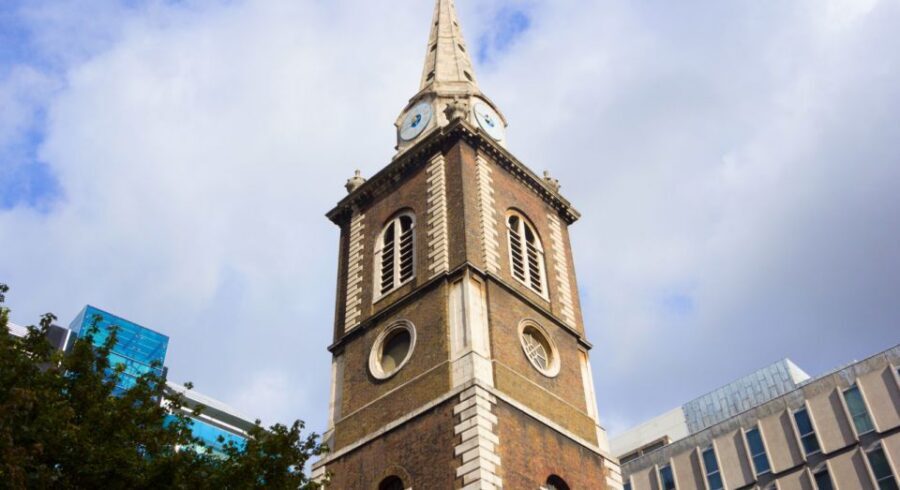
As you head into Whitechapel, the tour’s structure helps you keep your sense of direction. You move from one recognizable location to the next, then slow down for the story: what happened nearby, what people might have noticed, and what clues people argued over afterward.
You also get stops tied to the neighborhood feel, not just the most famous address. Places like Mitre Square and Petticoat Lane help anchor the case in an area that was busy, crowded, and socially complicated. That matters because the Ripper story is inseparable from how people lived, worked, and traveled through the East End.
Expect a walking pace that’s meant for 2.5 hours of street time. There’s no hint here of a “sit in comfort and watch a screen” format. If you have low fitness or mobility limits, it can be tough to do the full walk comfortably.
The clue part: theories and evidence, presented as a puzzle
The tour isn’t trying to force one answer. The point is to compare ideas: what people believed at the time, what later writers argued, and what the case files and evidence can (and can’t) support. You’ll hear theories and clues tied to the identity question, then get nudged to think critically about how each theory holds up.
This is where I think the tour is at its best for beginners. You get enough detail to understand why the case remains unsolved, without turning the experience into an exam. The guide’s job is to keep it clear, and on good days it feels like you’re building a case in real time.
If you’re a true-crime fan, you might enjoy the way it frames evidence and context together. The East End setting isn’t window dressing; it explains why the case became such a public obsession. The police investigation grabbed attention beyond local streets, and that wider reaction is part of the story too.
Mitre Square, Petticoat Lane, and the feel of daily life
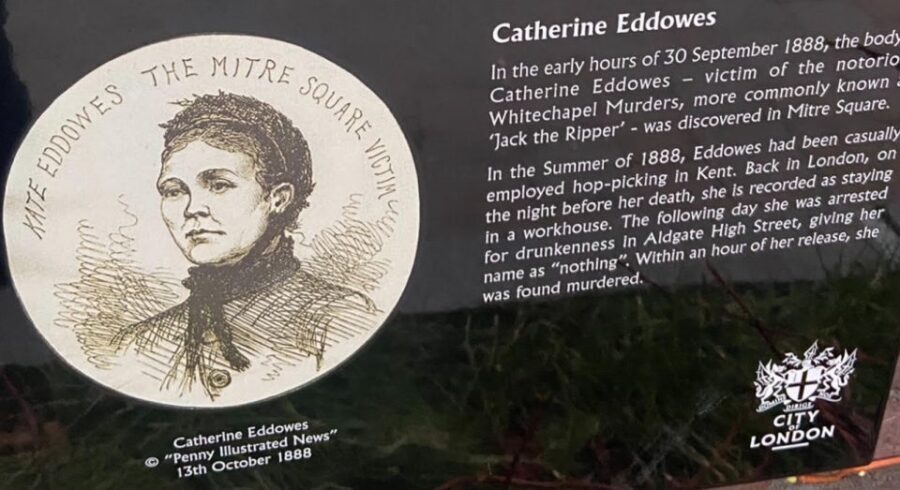
Some stops are famous because they’re linked to the murders. Others are valuable because they show you the neighborhood texture. Mitre Square and Petticoat Lane help you see how close ordinary routines could be to extraordinary horror.
When you stand on places like these, you can understand something uncomfortable: these crimes didn’t happen in a vacuum. They happened inside a community where people lived side by side, where poverty, overcrowding, and social inequality were real forces, not just background noise.
This is also a good moment to notice how the guide balances tone. The best versions of this tour keep moving without turning tragedy into entertainment. You should feel the weight of the subject without being dragged through shock for shock’s sake.




Spitalfields Market and Old Spitalfields Market: the neighborhood lens
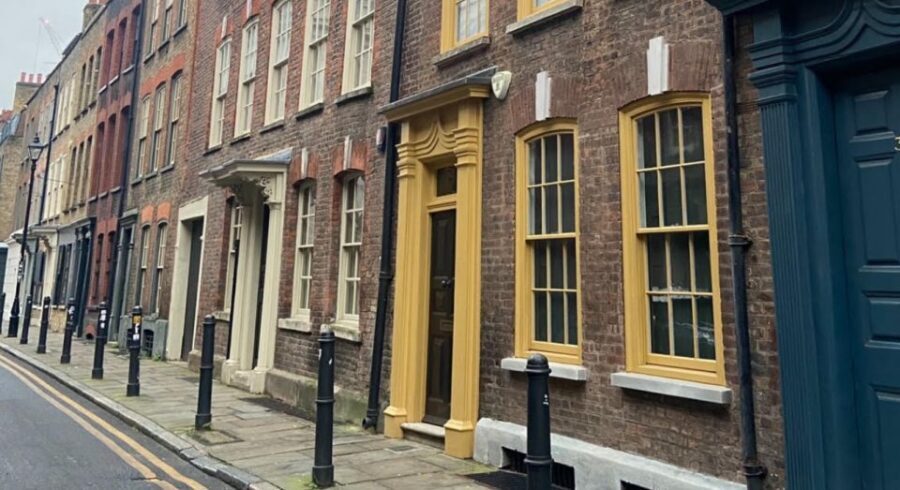
Spitalfields is one of those areas where the past and present overlap. On this tour, you stop near Spitalfields Market and the Old Spitalfields Market area, so you can connect the Ripper story to a broader East End pattern: trade, migration, and changing streetscapes.
Even though the murders are the main draw, the market stops make the whole case easier to understand. Markets weren’t just shopping locations; they were social hubs. They also shaped how people moved through the area during busy hours, which helps you picture the environment around the crimes.
This is the part of the walk that can feel less grim and more educational. It’s still tied to the overall story, but you get a break from pure murder-location focus.
Brick Lane: a practical way to picture the era
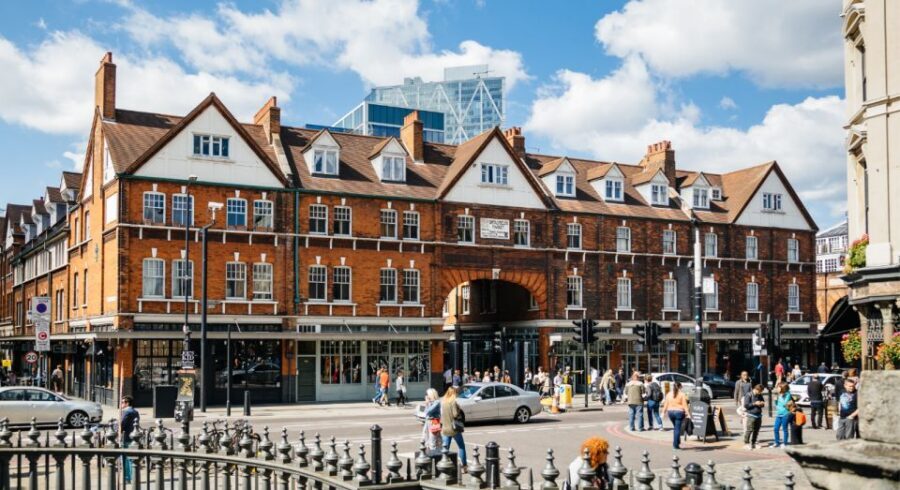
Brick Lane can be a mood shift from the darkest story beats. It also works as a sense-check for your own imagination: you’re now thinking about the East End not only as a crime scene, but as a lived-in neighborhood.
Brick Lane’s value on this tour is that it helps you widen your mental map. Instead of only thinking in terms of “stop A equals murder,” you start seeing the connections: routes, gathering areas, and the way people would have experienced the streets day to day.
If you’re hoping for atmosphere and place-based understanding, this is one of the more satisfying segments.
The canonical five: why the victim focus matters
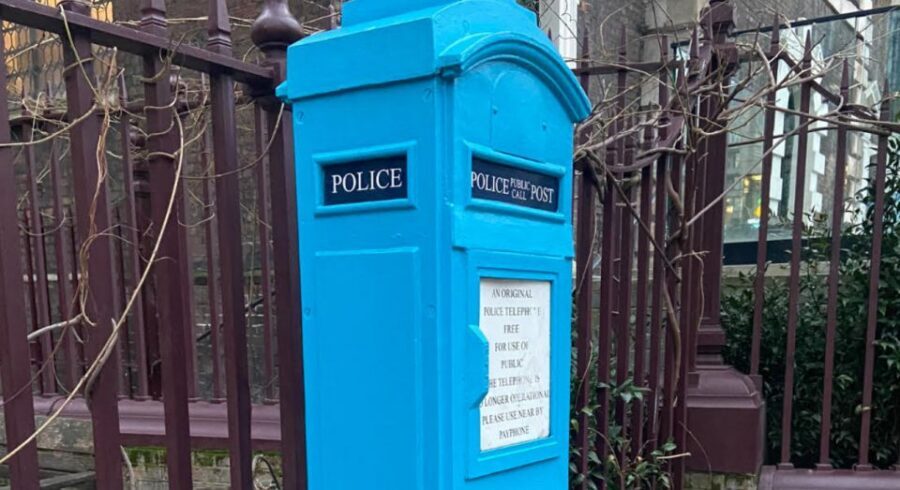
The tour highlights the five victims that are most commonly grouped as the canonical cases. I really appreciate that the tone stays respectful. You’re not asked to treat their suffering like a storyline twist.
This approach changes the entire feel of the walk. When a guide centers the victims and their lives, you understand the case as human loss, not just puzzle-solving. It also fits the best kind of London history: gritty, uncomfortable, and grounded in real people.
From the guides described in the experience notes, there’s an emphasis on factual background and contextualizing Victorian London. One guide profile—Carolina—was praised for being clear and audible, plus for giving context that makes the neighborhood and era feel real rather than abstract. Another guide profile—Erik or Eric—was described as paying special attention to the victims rather than turning the story into spooky lore. That’s exactly what you want on a subject like this.
The Ten Bells finish: how to turn a walk into an evening
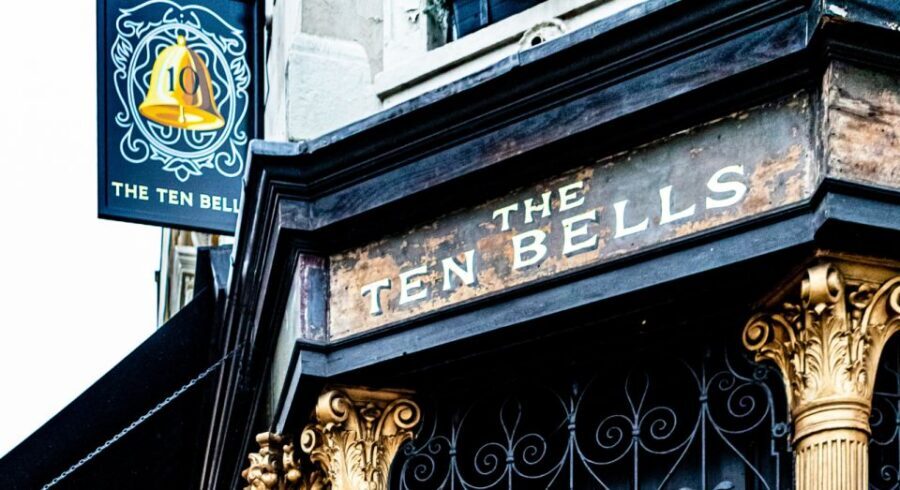
At the end, you finish at The Ten Bells in Spitalfields. It’s a very practical choice. You get a clean endpoint for the 150 minutes, and then you can decide what comes next without rushing.
If you want a drink, this is your moment. The highlight notes this as a famous Jack the Ripper spot, so it makes sense to stop in and talk through theories while the stories are still fresh. If you don’t drink, you can still treat it as a casual meeting place to reflect and swap notes with your group.
A small tip: plan your post-tour timing. The area can be active, and if you’re heading elsewhere right after, give yourself a short buffer for getting a table or just finding your exit.
Price and logistics: value for $18 and how to prepare
At $18 per person for about 150 minutes, this tour offers solid value if you care about more than a quick ghost-story walk. You’re paying for a guided explanation of the real sites, plus discussion of theories and the victims’ stories, plus East End landmarks that help you understand the case’s context.
You’re also getting a structured route around the area. That’s not trivial in London. Without a guide, it’s easy to miss how the streets connect. With a guide, the walk becomes a coherent story with clear stops like Aldgate Station, Mitre Square, Petticoat Lane, Spitalfields Market, Old Spitalfields Market, and Brick Lane, then the Ten Bells finish.
Logistics to keep in mind:
- The tour is about walking, so wear shoes you’d trust for uneven sidewalks.
- Pets aren’t allowed, and luggage or large bags aren’t allowed.
- The tour covers murder and prostitution themes. It’s not a light, kid-friendly outing.
- Children’s participation is at a parent or guardian’s discretion, and the recommendation is age 14+ because the guide will not adjust the tour just for kids in attendance.
Also note who it may not suit well. It’s not suitable for people with mobility impairments or wheelchair users, and it’s not ideal for those with low level of fitness.
Who should book this Jack the Ripper walking tour?
You’ll likely love this tour if you want:
- Real locations in Whitechapel and the East End, with a guide who connects the dots.
- A respectful approach that keeps the focus on victims as people.
- A mystery framework that compares theories and evidence without demanding you believe one specific answer.
You might skip it if:
- You want lots of indoor time or warm breaks in bad weather.
- You need accessibility accommodations for mobility limitations.
- You’re looking for a purely light and entertaining history walk.
If you’re traveling with a partner or small group and enjoy street-level history, this is a strong fit. It’s also a good choice for first-timers who want the basics with enough detail to go deeper on your own afterward.
Should you book it?
Yes, if you’re coming to London hungry for story-based walking and you appreciate a victim-respectful tone. The $18 price for a 150-minute guided route through Whitechapel and key East End stops is a good deal, especially if you want both murder-site context and neighborhood landmarks like Spitalfields and Brick Lane.
Just be honest about conditions. If you’re prone to freezing or hate standing around in rain, plan for weather. Bring layers, and treat the outdoor time as part of the experience.
FAQ
FAQ
How long is the London Jack the Ripper walking tour?
The tour lasts 150 minutes.
Where does the tour start?
It starts at 9 Aldgate High St, near Aldgate Station.
Which station should I use: Aldgate or Aldgate East?
Use Aldgate Station, not Aldgate East Station.
How do I recognize the tour guide?
The guide will be holding a yellow umbrella.
How much does the tour cost?
The price is $18 per person.
What areas will the tour cover?
You’ll visit Whitechapel and the East End, including landmarks such as Spitalfields Market and Brick Lane.
Does the tour include The Ten Bells?
Yes. The tour finishes at The Ten Bells in Spitalfields, and it’s listed as a famous Jack the Ripper spot for grabbing a drink after.
Is the tour suitable for children?
Children’s participation is at parents’ or guardians’ discretion, but the recommendation is children aged 14+ since the guide will not adjust the tour due to children in attendance.
Are pets or large bags allowed?
No. Pets are not allowed, and luggage or large bags are not allowed.
Can I cancel for a refund or reserve with pay later?
There is free cancellation up to 24 hours in advance for a full refund. You can also reserve now and pay later.