REVIEW · LONDON
London: Kensington and Chelsea Guided Walking Tour
Book on GetYourGuide →Operated by Shimeji Creatives Ltd. · Bookable on GetYourGuide
Stroll from museums to mews in 2 hours. This is a smart, good-value South Kensington to Chelsea walk that strings together grand Victorian culture with quieter, tucked-away streets. I like how the tour starts in the museum district around Exhibition Road, then shifts to peaceful Kensington Gardens with iconic landmarks like the Albert Memorial and the exterior view of Kensington Palace.
I also like the way the guide threads the story into the streets you can actually see: Knightsbridge’s luxury edges, then Chelsea’s mews lanes and private-squares feel. One thing to consider: the depth and style of the storytelling can vary, so if you’re expecting a heavy, building-by-building lecture, you may want to come with a flexible mindset.
In This Review
- Key Points to Know Before You Walk
- South Kensington Station and the Albertopolis Idea
- Victoria & Albert Museum Zone: Great Exhibition Legacy, Made Visible
- Kensington Gardens Break: Albert Memorial, Kensington Palace Exterior, and a Reset
- Knightsbridge: Harrods, Luxury Facades, and Diplomatic Edges
- Chelsea Mews Streets and the Private-Squares Feeling
- Ending at Sloane Square and the King’s Road Gateway
- Price and Value: Is $26 Worth Two Hours of Walking?
- Pacing, Comfort, and What to Bring
- Language Options: English, German, Italian
- Should You Book This Kensington, Chelsea and Knightsbridge Walk?
- FAQ
- How long is the London: Kensington and Chelsea Guided Walking Tour?
- Where do I meet the guide?
- Where does the tour end?
- What is included in the price?
- Are museum entrance fees included?
- Is the tour wheelchair accessible?
- Is it suitable for solo travelers?
Key Points to Know Before You Walk
- Albertopolis origin story: how Prince Albert’s Great Exhibition legacy shaped the museum zone.
- Photo-friendly route: planned stops for architecture views, plus the guide is happy to take phone pictures for you.
- Kensington Gardens landmarks: the Albert Memorial and the exterior of Kensington Palace.
- Knightsbridge contrast: from red-brick heritage feel to global-brand shopping around Harrods.
- Chelsea mews and private-squares vibe: stables-turned-homes, Georgian/Victorian townhouses, and blue-plaque-style context.
- Relaxed, step-free touring: comfortable shoes still matter, but the pace and route aim to be accessible.
South Kensington Station and the Albertopolis Idea
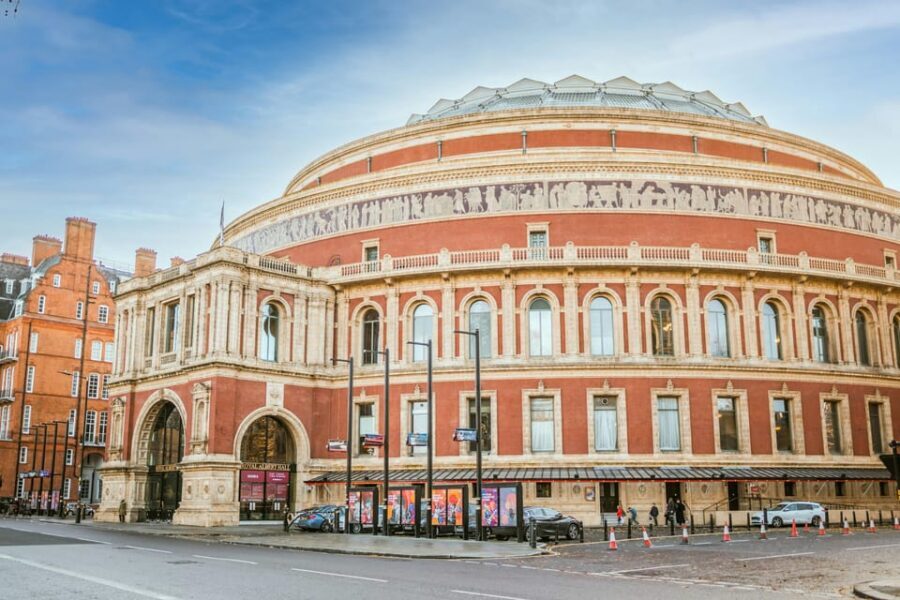
Your tour begins outside South Kensington Station, on Thurloe Street, in front of Viandas, with the guide holding a sign for easy spotting. This is a handy start point because you’re right where locals and visitors naturally funnel into the museum area, so you don’t waste time hunting your way through backstreets.
The big theme here is Albertopolis, a Victorian plan that treated education, art, and science like civic pride. As you walk along Exhibition Road, you’re not just looking at impressive facades—you’re getting the context for why this part of London was built the way it was. That helps you see the museums as a designed district, not random buildings placed near each other.
If you’re someone who likes to understand why a place looks the way it does, this opening sets you up well. Even if you’ve visited South Kensington before, the focus on the original idea behind the museum zone changes the way you read the street.
You can also read our reviews of more walking tours in London



Victoria & Albert Museum Zone: Great Exhibition Legacy, Made Visible
The route includes a stop around the Victoria & Albert Museum, tied to the legacy of the Great Exhibition. Even if you don’t go inside, you’ll pick up the “why” behind the museum’s presence in this cluster: Prince Albert’s influence and the dream of public learning driving a whole district.
Here’s what I’d pay attention to as you stand near the museum: the surrounding scale and spacing. Victorian London was great at building statements—streets, entrances, and institutional architecture all working together. When you understand that the museums were meant to inspire learning in a public way, the exteriors start to feel less like scenery and more like a plan.
This is also where the tour tends to feel most satisfying for culture-lovers who want a narrative spine. The guide’s pacing matters too. On a walking tour like this, the best moments come when you get just enough detail to make the next street make sense.
One practical note: museum district sidewalks can be busy, so keep an eye on shoe choice. You’ll be on your feet for the full two hours, even with photo stops.
Kensington Gardens Break: Albert Memorial, Kensington Palace Exterior, and a Reset
After the museum area, the tour shifts into Kensington Gardens, which is a welcome change of tempo. London parks can feel like a different city, and this one is especially photogenic because of the grand monuments and royal-adjacent feel.
You’ll pause for the Albert Memorial, one of those landmarks that looks even better in person than on a postcard. The stop matters because it gives your brain a rest after the institutional architecture. Then, you’ll see the exterior of Kensington Palace and hear how the surrounding landscape and ambitions shaped the district.
Why this part is valuable: Kensington Gardens creates an easy “contrast lesson.” You go from a district built to teach and display, to a park shaped by design and royal priorities. The result is a smoother understanding of how London layers power, culture, and public space.
Also, because the pace is described as relaxed and the route is step-free, this garden section is a good place to slow down, take photos, and catch your breath before heading back into town.
Knightsbridge: Harrods, Luxury Facades, and Diplomatic Edges
Then you roll into Knightsbridge, where London’s style goes from museum grandeur to high-end shopping streets and heritage architecture. You’ll pass through an area defined by historic buildings, embassies, and luxury retail, including the famous department store area around Harrods.
This is where the tour becomes less about one monument and more about texture. Look at the red-brick heritage alongside the big-brand modern presence. That mix is the point. Knightsbridge isn’t just expensive shops; it’s also a neighborhood with long-standing streetscape character and international influence.
If you like people-watching, this is one of the easiest segments for it. The sidewalks feel like a constant flow of locals, shoppers, and visitors. It’s also where the walk naturally breaks into smaller viewpoint moments—ideal for phone photos and quick fact-building between streets.
A small consideration: if you’re hoping for deep interior access or a long sit-down explanation, this part is structured for walking and exterior storytelling. You’ll get place context, not full-on museum-ticket depth.
Chelsea Mews Streets and the Private-Squares Feeling
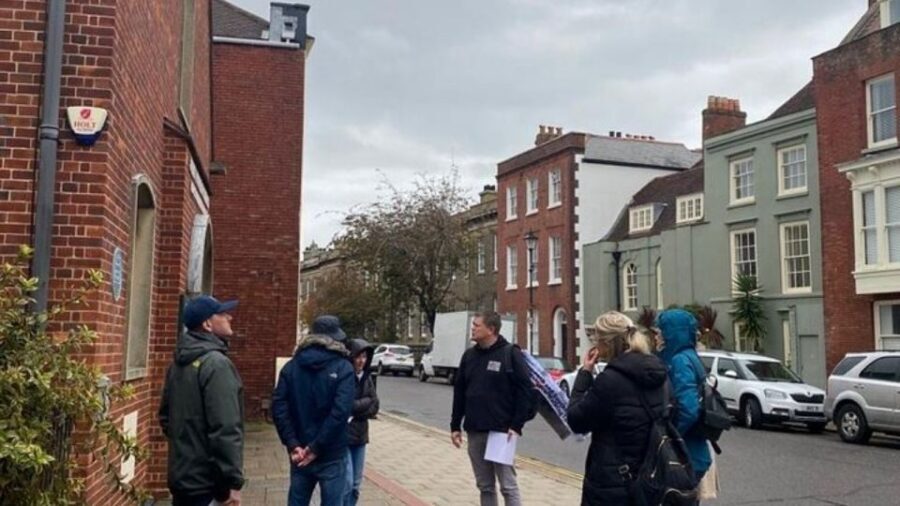
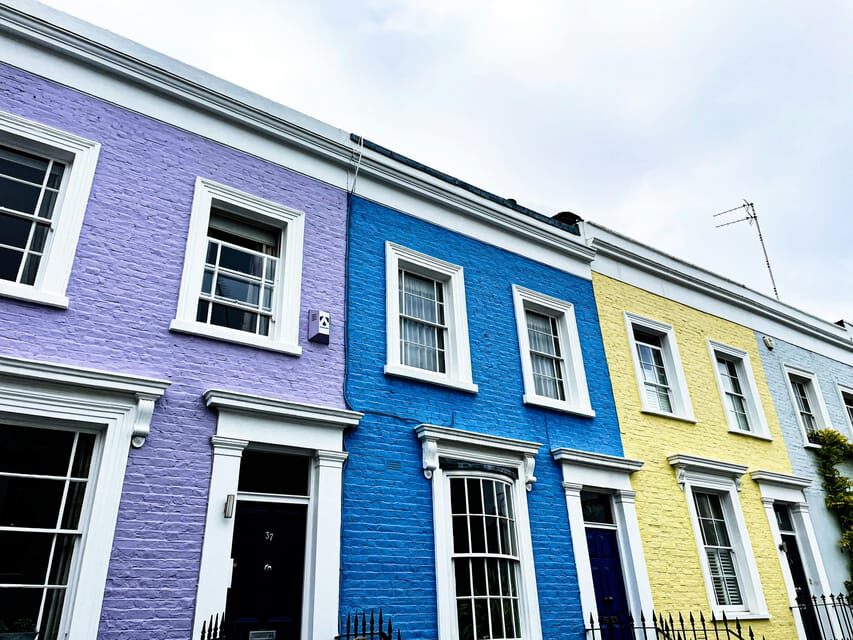
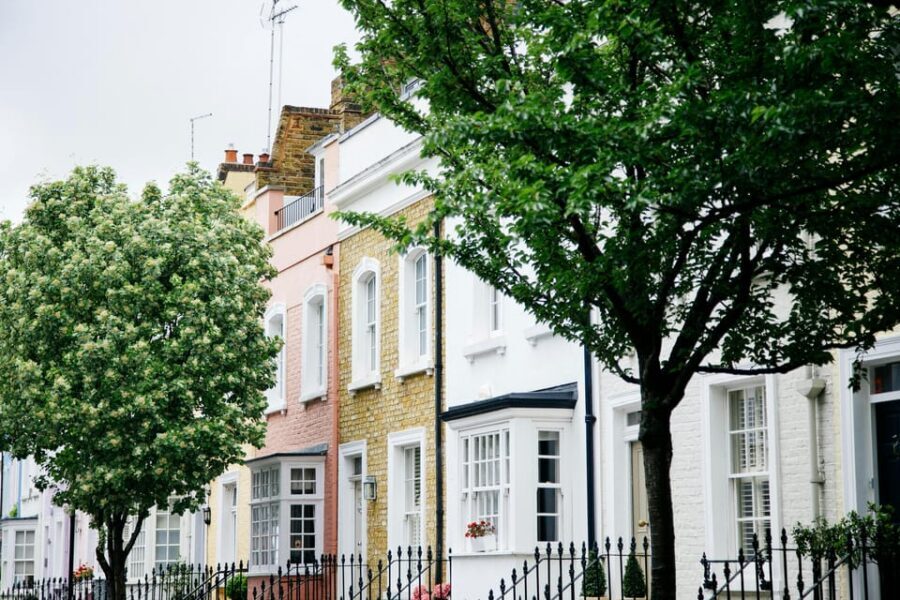
Chelsea is where the tour turns more intimate. You’ll notice the change quickly: the vibe shifts from grand, public-facing streets to narrower lanes and the sense of “this place holds secrets.” That’s especially true around mews streets, which started as stables and became prized residences over time.
The mews look charming because they’re compact, and because the architecture reads like London’s long memory. Georgian and Victorian townhouses line parts of the route, and the blue-plaque-style context helps you understand that Chelsea has drawn artists, writers, designers, and other creative-minded people for a long time. The tour gives you the thread that connects quiet lanes with famous names, without needing you to hunt down facts on your phone.
Then there are the private garden squares. You don’t typically get to wander inside, but you do get glimpses and explanations that help you understand why these squares became such a coveted Chelsea feature. Even a brief look can change how you see the neighborhood’s layout.
One review highlight that really fits this segment: a guide named Simona stood out for connecting the details—design, architecture, and local customs—in a way that worked even with small children. That’s a big deal. It suggests the guide doesn’t only speak in facts; she also knows how to keep younger attention moving, which makes the Chelsea portion less of a lecture and more of a story you can follow.
You can also read our reviews of more guided tours in London





Ending at Sloane Square and the King’s Road Gateway
The tour finishes at Sloane Square, which is a practical end point. It’s right on the edge of King’s Road, once known as a hotspot for fashion and rebellion in the 1960s, and still a lively stretch for independent boutiques, cafés, and galleries.
Ending here gives you an easy next step. If you want to keep exploring, you can roll into King’s Road on your own with fresh context. If you’re short on energy, Sloane Square still offers an easy way to get transport without needing a trek back across the city.
This “gateway finish” is one of the smartest things about the route. It ends not with a dead-end street corner, but with a neighborhood that’s still easy to enjoy on foot.
Price and Value: Is $26 Worth Two Hours of Walking?
At $26 per person for a two-hour guided walk, you’re paying for something simple: guided orientation plus storytelling. The value is strongest if you enjoy walking with an expert who can point out what you’d otherwise miss—like how Albertopolis ties to the Great Exhibition legacy, why Kensington Gardens and royal spaces matter, and how Chelsea’s mews started as stables.
You should also factor what’s not included. Entrance fees aren’t part of the deal, and you won’t be doing museum admissions during the walk. That’s fine, but it means this tour is about seeing from the outside and understanding what you’re looking at.
In other words: if you want tickets and galleries, plan to add those separately. If you want a guided map of the neighborhoods plus context for what to do next, the price-to-time ratio is pretty reasonable.
Also, consider the guide fit. With an average rating around the mid-3s based on a handful of reviews, I’d treat it as a good but not guaranteed “deep-story-only” experience. Some guides seem to shine with engaging, story-driven explanations; others may focus more on the feel of the area than on long, historical dives. If you’re the type who wants very specific building history, ask yourself whether you’ll be happy with an overview that helps you navigate and spot details.
Pacing, Comfort, and What to Bring
This tour is described as relaxed and includes opportunities to stop for photographs. It’s also step-free, which is a real plus if you’ve ever tried to do London on uneven sidewalks and stairs.
Bring:
- Comfortable shoes (London will test you, even in two hours)
- Camera or phone
- Water
If you travel alone, you’re covered. The guide is happy to take photos for you using your phone, which can feel like a small thing until you’re trying to get a clean shot at Albert Memorial or along the mews.
If you’re visiting with kids, you may find this format works well because it’s visual and street-based. One guide (Simona) was specifically praised for keeping two small children engaged, which hints that the storytelling can be flexible rather than stiff.
Language Options: English, German, Italian
The tour guide operates in English, German, and Italian. That matters because London tours can sometimes feel awkward when your guide has limited language coverage. Here, you have three major options, which improves your odds of getting a full experience rather than a “watch-and-guess” version.
If you’re booking for a group, it’s worth matching the language to the person who cares most about understanding the details, since the most memorable parts tend to be the explanations between photos.
Should You Book This Kensington, Chelsea and Knightsbridge Walk?
Book it if:
- You want a 2-hour introduction to South Kensington, Kensington Gardens, Knightsbridge, and Chelsea without juggling multiple tickets.
- You like architecture and streetscape details, especially mews lanes and private-square style neighborhoods.
- You want a guided start that helps you explore King’s Road after the tour ends.
Skip or adjust expectations if:
- You’re looking for a very deep, people-and-events historical lecture every step of the way. Some reviews suggest the guide’s storytelling focus can be more about the area’s feel and personal observations than dense building biographies.
- You’re set on museum entrances. This walk is about exterior views and context, not ticketed access.
My honest take: for the money and time, this is a solid way to see four of London’s most distinct neighborhoods connected into one clean route. If you come with the right mindset—good shoes, a camera, and curiosity about how the city’s institutions and private spaces evolved—you’ll likely leave with a better sense of where you’re standing and why it looks the way it does.
FAQ
How long is the London: Kensington and Chelsea Guided Walking Tour?
The tour lasts 2 hours.
Where do I meet the guide?
Meet outside South Kensington Station on Thurloe Street, in front of Viandas.
Where does the tour end?
The tour ends at Sloane Square.
What is included in the price?
You get a walking tour with a live guide.
Are museum entrance fees included?
No. Entrance fees are not included.
Is the tour wheelchair accessible?
Yes. The route is wheelchair accessible and described as step-free.
Is it suitable for solo travelers?
The tour generally requires a minimum of two participants. If you can’t book as a solo traveler, you can reach out to ask about available time slots.