REVIEW · LONDON
London: National Gallery Guided Tour
Book on GetYourGuide →Operated by The Great Weekender · Bookable on GetYourGuide
Great art, explained simply. This 2.5-hour National Gallery experience is interesting because you get a certified guide and a tight route through major highlights, not a vague wandering loop. I like that the tour stays small (8 people max), so the guide can actually answer questions and point out details you’d otherwise miss. One thing to keep in mind: the galleries involve plenty of walking, and the tour notes are a bit mixed on suitability for mobility needs.
What I also like is the way the guide ties big names to what you’re seeing right now—so you’re not just collecting artist names, you’re learning how to look. You’ll be guided past standout works like The Virgin of the Rocks (Leonardo da Vinci), The Madonna of the Pinks (Raphael), Bathers at Asnières (Georges Seurat), Venus and Mars (Sandro Botticelli), The Ambassadors (Hans Holbein), and the iconic Arnolfini Portrait (Jan van Eyck). The only real drawback is that specific artworks can vary if pieces are on loan or in restoration.
For me, this kind of guided visit is best when you want momentum. In one session you cover a broad sweep of European painting history—while still getting hands-on interpretation of individual works—right in the museum’s world-famous setting at Trafalgar Square. Just plan to come in ready to walk and look closely, and you’ll leave with several new favorites.
In This Review
- Key highlights worth planning around
- Finding the starting point by Sainsbury’s Wing
- Inside the National Gallery: what 2.5 hours feels like
- Leonardo da Vinci and Raphael: why the Renaissance rooms hit hard
- Seurat, Botticelli, and the gallery’s range in one stop
- Holbein and Van Eyck: portraits that reward close attention
- Learning the museum’s language: how the guide changes your looking
- Practical tips before you go: shoes, camera, and no backpacks
- Price and value: is $93 worth a guided 2.5-hour highlights tour?
- Quick health-and-mobility note you should check
- Should you book this National Gallery guided tour?
- FAQ
- How long is the London National Gallery guided tour?
- How many people are in each group?
- Is there a guide, and what language is the tour?
- Where is the meeting point?
- What’s the entry process like?
- What should I bring?
- What items aren’t allowed during the tour?
- Can I expect to see the exact same artworks every time?
- Is food included in the tour price?
- Is it suitable for wheelchair users or mobility impairments?
Key highlights worth planning around
- Small group of 8 max: more conversation, less crowd pushing
- Certified, English-speaking guide: art explanations you can follow in real time
- Big-name works on one route: da Vinci, Raphael, Seurat, Botticelli, Holbein, Van Eyck
- Trafalgar Square location: easy to connect with the rest of central London
- Express security access: quicker entry so you spend more time inside
- Rules that protect the experience: no flash photography and no backpacks
Finding the starting point by Sainsbury’s Wing
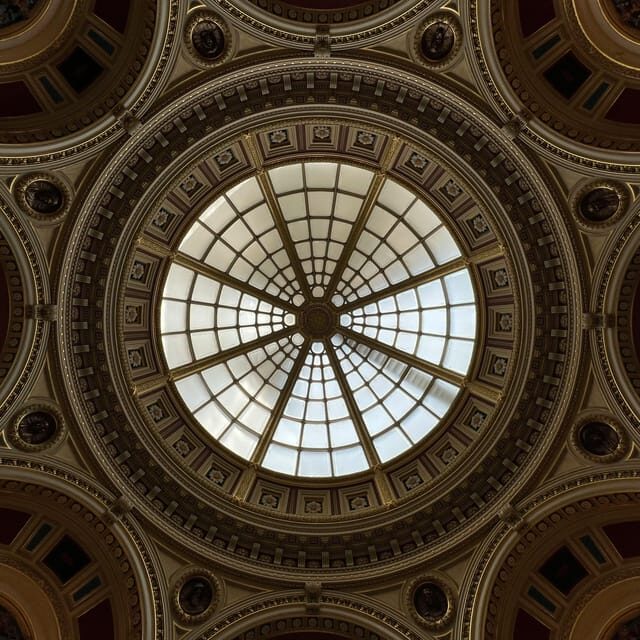
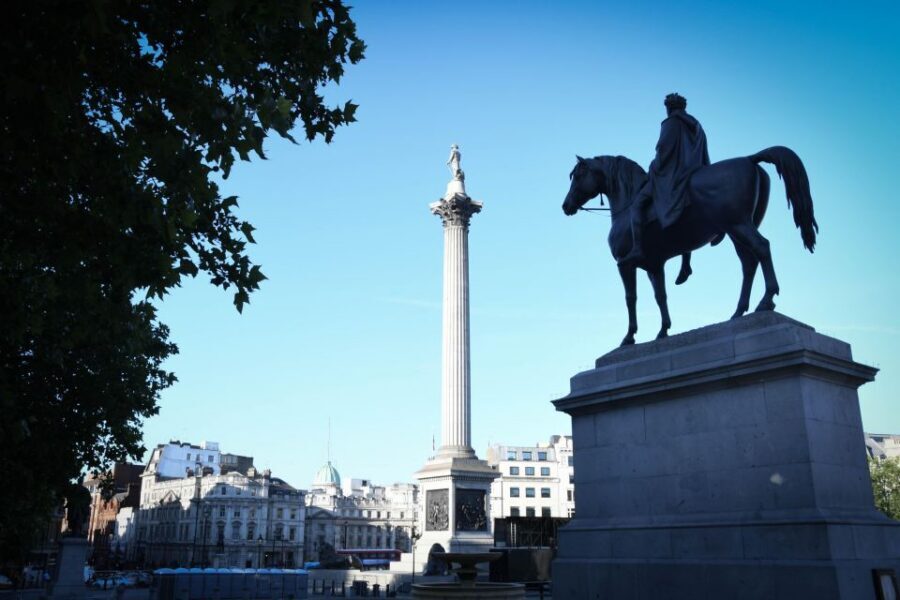
This tour starts at the National Gallery area by Trafalgar Square, and the meeting point is clearly set: outside the Telephone Box by the Sainsbury’s Wing, on the right-hand side of the Gallery. I like this because it’s a landmark you can spot without playing guessing games in an underground maze.
If you arrive a little early, you’ll have time to get your bearings, use the restroom, and settle your camera/water plan. A short buffer matters here because the experience is only 2.5 hours, and you don’t want to waste it standing around figuring out where to gather.
Also note that the tour operates in English. If English isn’t your strongest language, this could affect how much you get out of the explanations—this one is built around the guide talking you through what you’re seeing.
You can also read our reviews of more guided tours in London



Inside the National Gallery: what 2.5 hours feels like
This is a walking tour through the National Gallery’s rooms, paced for a short, focused visit. With a time window of 2.5 hours, the goal is highlights, not everything. That’s a good thing. When a museum visit tries to cover too much, you end up tired and slightly numb. Here, the route is designed to keep your attention sharp on the works that matter most.
The biggest practical benefit is the guide’s direction. The National Gallery has plenty of paintings, so walking in without a plan can lead to random choices. With a guide, you’re more likely to see a balanced mix—Renaissance to later European painting—while still learning how to look at each piece.
Small group size is part of the magic. When there are no more than 8 participants, the guide can steer the conversation, adjust pacing, and help you notice something specific in front of you instead of giving a speech to a crowd.
Leonardo da Vinci and Raphael: why the Renaissance rooms hit hard
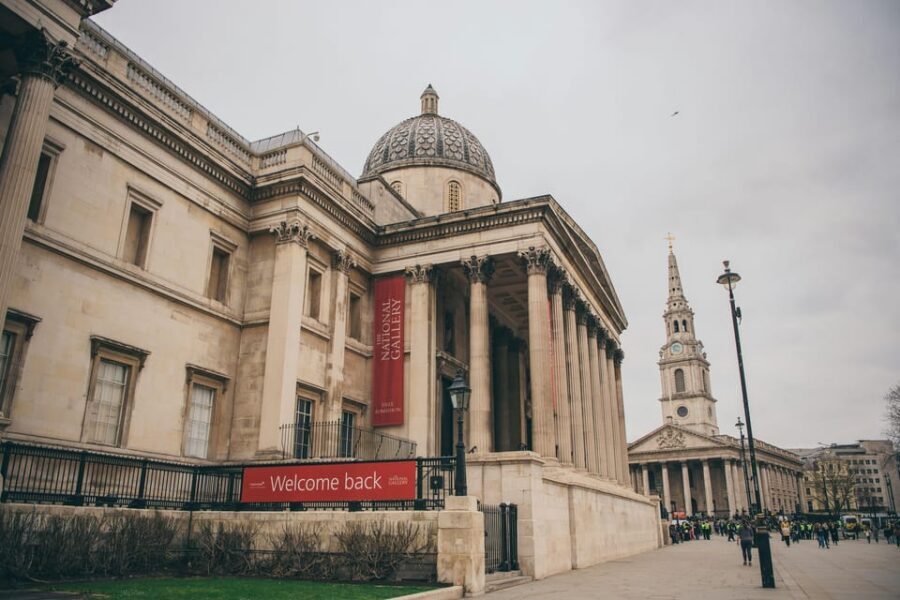
One of the reasons this tour works so well is how it spotlights the heavyweights—especially the Renaissance masters. You’ll see The Virgin of the Rocks by Leonardo da Vinci and The Madonna of the Pinks by Raphael, and the guide uses those works to teach you how artists build meaning with composition, focus, and expression.
What I like about this approach is that you get to compare. Leonardo and Raphael are famous names, but the real payoff comes from noticing what’s different in the way they present figures and scenes. A good guide helps you move from recognition to understanding.
You’ll also get museum context along the way—how the National Gallery grew into one of the UK’s major art museums, with a collection that dates back to the mid-13th century. That timeline isn’t just trivia. It helps you see why the gallery’s highlights are organized the way they are, and why these paintings still pull people in today.
For anyone who’s ever stood in front of a famous artwork wondering what they’re supposed to see, this is the fix: the guide turns looking into a skill.
Seurat, Botticelli, and the gallery’s range in one stop
This isn’t a single-style tour. It helps you understand that the National Gallery isn’t just a Renaissance museum—it’s a place where different eras and approaches sit side by side.
You’ll encounter Bathers at Asnières by Georges Seurat, and that’s a great contrast to the Renaissance rooms. Even without getting technical, the change in painting style can feel like a shift in how people used art to observe modern life. A guide can help you spot the choices that make the work feel structured and deliberate rather than casual.
Then you’ll see Venus and Mars by Sandro Botticelli. That painting gives you a different angle on storytelling—myth, symbolism, and drama in a single scene. When a tour hits both myth and modern observation, it prevents that common “same-y museum fatigue” where every room feels like the same lesson.
This range is part of the value. You don’t leave thinking you only got through a narrow slice. You leave thinking you got a tour of the gallery’s best arguments for why art matters across time.
Holbein and Van Eyck: portraits that reward close attention
If you want at least one moment on the tour where you feel yourself slow down, look for the portraits. This tour includes The Ambassadors by Hans Holbein and Arnolfini Portrait by Jan van Eyck.
Portraits can be tricky because they’re not just about faces. They’re also about status, symbols, and the world around the people being shown. A certified guide’s job here is to give you a framework so you’re not just scanning for what looks familiar.
I especially like that the tour focuses attention on multiple kinds of portraiture and representation. When you see different approaches back to back, it’s easier to understand why portrait art stayed important and how artists used detail to create presence.
And because this is a small group, you’re more likely to get the guide’s explanations close to the painting, when you can actually compare what’s being discussed to what’s in front of you.
You can also read our reviews of more museum experiences in London





Learning the museum’s language: how the guide changes your looking
The tour is built around one core idea: art is easier to understand when someone helps you practice looking. The guide provides engaging insights into the art and artists, and the experience is designed so explanations connect directly to the works in front of you.
You’ll hear a lot of “notice this” and “watch how this works” style guidance. In other words, you don’t just get facts—you get a way to see. That’s why people often walk out saying they developed new favorite artists. It’s not because they suddenly became experts. It’s because the guide made the paintings feel readable.
One detail that matters: the guide is described as concise and helpful, and that’s the right style for a short tour. Long lectures can drain you. Clear points, given at the right moment, keep you engaged and moving.
Practical tips before you go: shoes, camera, and no backpacks
This one is straightforward, but it’s worth planning so the walking doesn’t steal your focus.
Wear comfortable shoes. The tour notes warn there’s a lot of walking, and you’ll enjoy the art more when your feet aren’t protesting. Bring water and a camera if you want photos—just remember the museum rules: no flash photography.
One more practical thing: no backpacks are allowed. If you’re traveling with a day bag, plan ahead so you’re not stuck carrying it in an awkward way at security.
And consider that artwork availability can change. The tour states that what you see may vary due to loans or restoration. It’s not a failure; it’s how major museums operate. Still, it’s smart to go in flexible and focused on the guide’s experience of the highlights rather than a strict checklist.
Price and value: is $93 worth a guided 2.5-hour highlights tour?
At $93 per person for a 2.5-hour small-group tour, you’re paying for three things: a certified guide, a focused route through major works, and time saved on entry via an express security check.
If you love museums and you’re the type who reads labels for fun, you might feel you could do this solo. But if you want more than a surface scan—if you want to learn how to interpret what you’re seeing—this price starts to make sense fast. In a short visit window, a guide can prevent wasted time and help you see more meaning per minute.
The small-group format is also part of the value. With 8 people max, you’re not competing with noise and crowding for attention at key paintings. That kind of access can feel like “worth it” even if you’ve paid less for other tours.
If you’re trying to cut costs, another approach is to browse the National Gallery on your own first—then choose a guide when you feel you need structure. But for many people, paying up front for guidance is the simplest way to get a high-quality visit without overthinking it.
Quick health-and-mobility note you should check
The tour information says wheelchair accessible, but it also states it is not suitable for people with mobility impairments and wheelchair users. That contradiction matters.
If accessibility affects you, don’t assume. Contact the operator or check directly what the walking route and viewing areas will be like for your specific needs. For everyone else, just treat it as a walking-focused museum experience and wear shoes accordingly.
Should you book this National Gallery guided tour?
I think you should book if you want a smart, efficient way to see major works without turning your museum visit into a stressful checklist. It’s especially a good fit for first-timers who feel a little intimidated by big-name art and want someone to translate the experience into something you can actually enjoy.
I’d skip it if your favorite museum style is slow, free roaming with minimal conversation. This tour is built around a guide-led path and active looking, so you’ll get more out of it when you’re ready to engage.
Final check: if you’re visiting central London and want a high-impact art stop near Trafalgar Square, this format makes planning easy. Book when you want clarity, context, and a small group setting that keeps the focus where it belongs—on the paintings.
FAQ
How long is the London National Gallery guided tour?
It lasts 2.5 hours.
How many people are in each group?
The group is small, with a maximum of 8 participants.
Is there a guide, and what language is the tour?
Yes. The tour includes a live tour guide speaking English.
Where is the meeting point?
Meet by the Telephone Box outside the Sainsbury’s Wing at the National Gallery, on the right-hand side of the Gallery.
What’s the entry process like?
The tour includes express security check (skip the line through express security).
What should I bring?
Bring comfortable shoes, a camera, and water.
What items aren’t allowed during the tour?
Flash photography is not allowed, and backpacks are not allowed.
Can I expect to see the exact same artworks every time?
Artwork availability may vary due to loans or restoration.
Is food included in the tour price?
No. Food and drinks are not included.
Is it suitable for wheelchair users or mobility impairments?
The details provided say wheelchair accessible, but they also state it is not suitable for people with mobility impairments and wheelchair users. You should verify directly for your situation.