REVIEW · LONDON
London: The Courtauld Gallery at Somerset House Entry Ticket
Book on GetYourGuide →Operated by The Courtauld · Bookable on GetYourGuide
London’s art scene gets better with quiet rooms. The Courtauld Gallery at Somerset House is one of the easiest ways to see big-name paintings in a calm, elegant setting. I especially like the Impressionist pull of the LVMH Great Room and the way the second-floor Blavatnik Fine Rooms shift you into Renaissance and beyond. One thing to consider: this entry ticket covers the permanent collection only, so you’ll miss any temporary exhibitions.
I also like that the experience comes with an English audio guide, which helps when you’re moving between styles and centuries. You’re not stuck with a rigid schedule, and the collection spans paintings, prints, and drawings, so the museum doesn’t feel like one long highlight reel. If you’re someone who needs one fixed route, you might find yourself needing to choose what to prioritize.
In This Review
- Key points to know before you go
- Courtauld Gallery at Somerset House: the setting makes it easier
- Starting in the LVMH Great Room: where the museum hits hard
- Manet and Van Gogh highlights you can plan around
- What makes the Courtauld collection feel special: more than famous names
- Blavatnik Fine Rooms: a second-floor shift into Renaissance and 18th century
- Botticelli, Rubens, and friends: pick your Renaissance pathway
- Ruddock Family Gallery: medieval and early Renaissance perspective
- The Courtauld’s 20th-century rooms and the Bloomsbury Group
- Audio guide in English: your best tool for an easy day
- Pacing tips for a one-day permanent-collection visit
- Price and value: is $16 per person a fair deal?
- Who this Courtauld entry ticket suits best
- Should you book the Courtauld Gallery entry ticket?
- FAQ
- What does the Courtauld Gallery entry ticket include?
- Are temporary exhibitions included with this ticket?
- How much is the ticket?
- How long is the ticket valid, and do I need to pick a start time?
- Is an audio guide included, and is it in English?
- Where is the Courtauld Gallery?
- Is the museum wheelchair accessible?
- Can I cancel for a refund?
Key points to know before you go
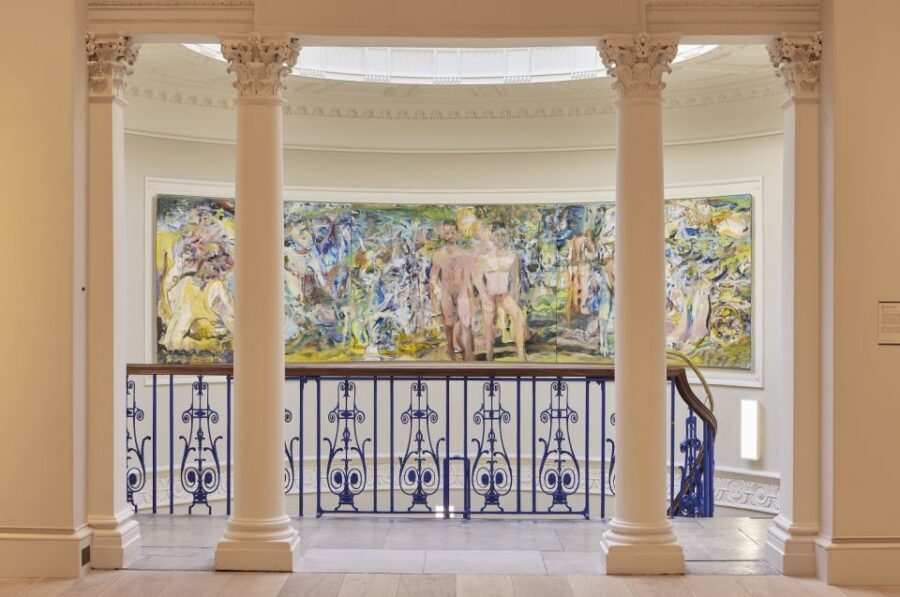
- Somerset House setting: the museum lives in a stylish, historic complex that makes the whole visit feel more like wandering than rushing.
- LVMH Great Room focus: start with Impressionist and Post-Impressionist masterpieces, including Manet and Van Gogh.
- Blavatnik Fine Rooms jump in time: a smooth shift into Renaissance to 18th-century art on the second floor.
- Don’t skip the Medieval spaces: the Ruddock Family Gallery gives you early art context without feeling like a chore.
- 20th-century displays: you’ll end up in a different creative world, including the Bloomsbury Group.
- Permanent collection only: great value for the core museum, but check plans if you only care about temporary shows.
Courtauld Gallery at Somerset House: the setting makes it easier
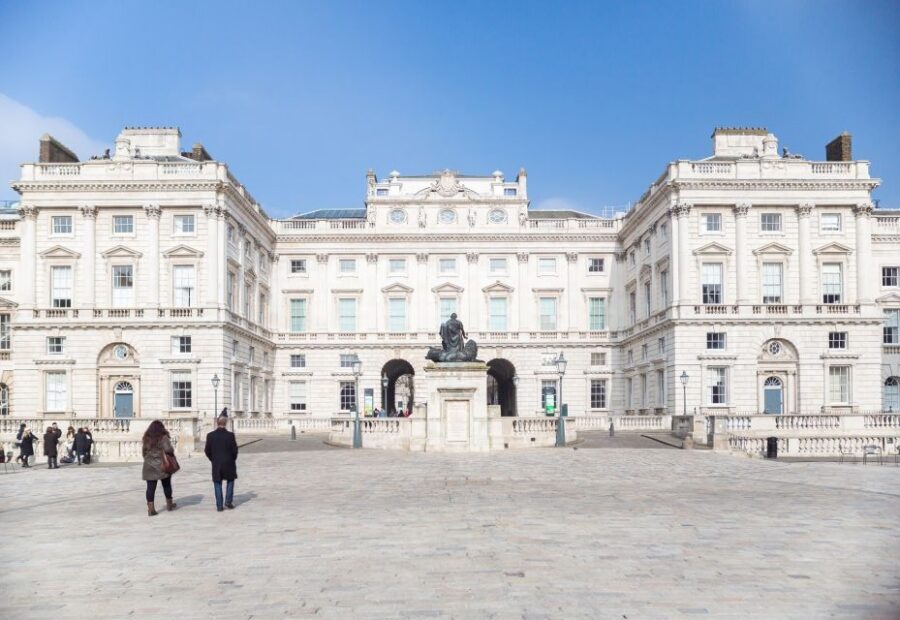
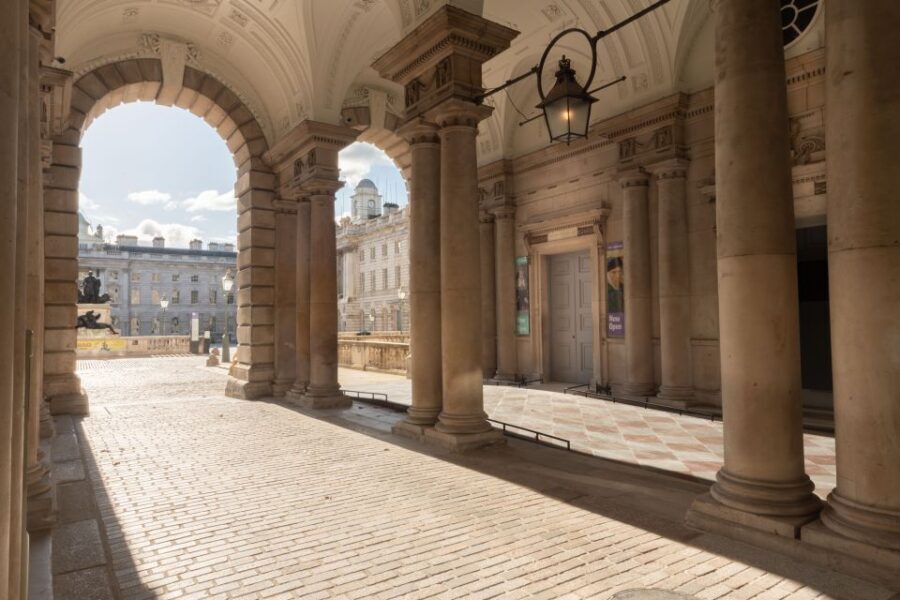
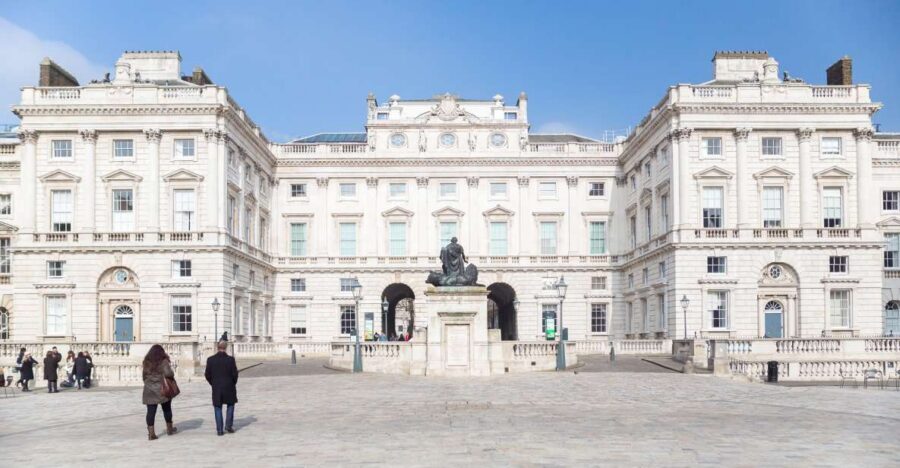
The Courtauld Gallery is inside Somerset House, and that matters more than you might think. The architecture gives you a sense of order as you move from exterior space into galleries. Instead of fighting the museum-monster vibe, you get rooms that feel designed for looking slowly.
I also like the practical angle: this is a straightforward one-day ticket. You can plan your time based on your interests instead of trying to fit a full multi-day museum marathon into a tight schedule. And because the gallery is wheelchair accessible, the layout is meant to work for a wider range of visitors.
One small reality check: you’re paying for a permanent-collection visit. If temporary exhibitions are the main reason you want to go, you’ll need a separate ticket for those.
A few more London tours and experiences worth a look


Starting in the LVMH Great Room: where the museum hits hard
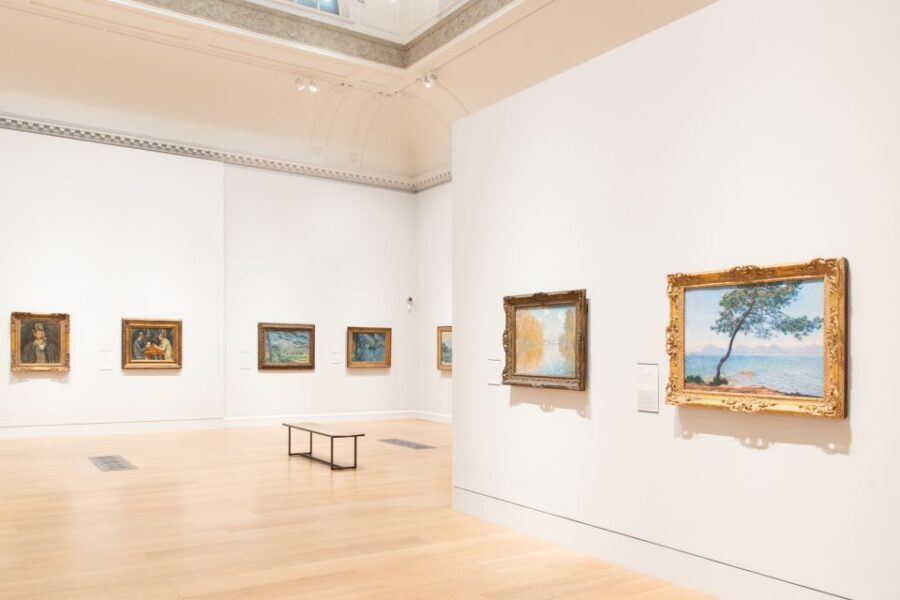
Your visit really has a natural opener: the LVMH Great Room, where the collection leans into Impressionist and Post-Impressionist work. This is the part of the museum that helps people understand why the Courtauld has a reputation for quality over quantity.
Here, you’re looking at the kind of art where small details matter—brushwork, lighting, and how painters structure a scene. If you’ve ever felt like Impressionism goes by too fast, this room is a good fix. Take your time with one or two key works first, then use that as your anchor while you move to the next paintings.
This is also where the Courtauld gives you recognizable names and then rewards you for noticing what makes them distinctive. You’re not just ticking boxes. You’re comparing styles in a focused setting.
Manet and Van Gogh highlights you can plan around
If you want a “can’t-miss” strategy, this is it: aim for Manet and Van Gogh early, then let the rest of the rooms build momentum.
Manet’s A Bar at the Folies Bergère is the kind of painting that makes you stand still. The scene feels staged, but the paintwork carries movement and tension. It’s a great choice for your first big artwork because it sets a tone: this museum doesn’t treat the classics like museum wallpaper.
Then go to Van Gogh’s Self-Portrait with Bandaged Ear. It’s personal, direct, and visually intense. In a room like this, you’ll likely find yourself slowing down more for Van Gogh than you expect, because the artwork’s energy pulls you in even when you’re surrounded by other famous names.
And while you’re there, the Courtauld also has a strong hold on Cézanne. You get a UK treasure trove of his works, which is a smart add-on if you’re interested in how artists move from observation toward structure.
What makes the Courtauld collection feel special: more than famous names
The Courtauld doesn’t just collect paintings. It also has prints and drawings, which changes how you experience the museum. When a museum includes works on paper, you get a chance to see artists thinking—sketching, refining, experimenting.
That matters for your planning. If you’re the type who gets tired of staring at large canvases in one go, you can switch mediums and refresh your eyes. If you’re the type who loves technique, the prints and drawings can give you that extra layer of understanding without needing a lecture.
The big win here is variety inside a tightly organized collection. You’re not bouncing randomly across departments. You’re moving through rooms that connect.
Blavatnik Fine Rooms: a second-floor shift into Renaissance and 18th century
After the Impressionist punch, the second floor is the dramatic change of pace. The Blavatnik Fine Rooms are a haven for Renaissance to 18th-century art, and the shift can feel like someone changed the soundtrack while you were walking.
This is where the Courtauld becomes a museum of transformation. You go from modern color and visual immediacy into compositions shaped by symbolism, anatomy, and religious storytelling. The room design also supports that shift, so you don’t feel like you’re cramming centuries into one blurry hour.
If you only have limited time, I’d still prioritize this floor. The value isn’t just in famous names. It’s in seeing how artistic priorities change when the centuries do.
You can also read our reviews of more museum experiences in London





Botticelli, Rubens, and friends: pick your Renaissance pathway
In the Blavatnik Fine Rooms, you’re seeing major works that people travel for. Lucas Cranach’s Adam and Eve is a strong early stop because it brings the Renaissance back to essentials: figures, narrative, and symbolism in a clear format.
Rubens’ The Descent From The Cross is another key anchor. When you stand in front of a work like that, you notice how Rubens builds energy through composition and expression. It’s not gentle. It’s dramatic and physical.
Then comes Botticelli’s The Trinity with Saints. This is the kind of painting people often describe as ethereal for good reason: the figures and the overall design have a delicate logic to them. It’s also a smart counterpoint to Rubens. You get intensity and then you get beauty-with-structure.
If you’re also into storytelling through landscape detail (literal landscape in the painting), Pieter Bruegel the Elder’s Landscape with a flight into Egypt offers that wide-world feeling. It’s also a useful way to reset your eyes after focusing on religious figures and close composition.
Ruddock Family Gallery: medieval and early Renaissance perspective
The Ruddock Family Gallery is for Medieval and Early Renaissance art. This part of the museum helps you place what you’ve just seen into a bigger timeline.
Even if you’re not a medieval-art specialist, this gallery can still work because it gives you context. Think of it like seeing the roots of later European painting choices: how artists handled religious themes, proportion, and visual storytelling.
This is also a good place to take a breather. Some museums stack masterpieces back-to-back until your attention gets tired. Here, the change of era gives your brain a natural pause.
The Courtauld’s 20th-century rooms and the Bloomsbury Group
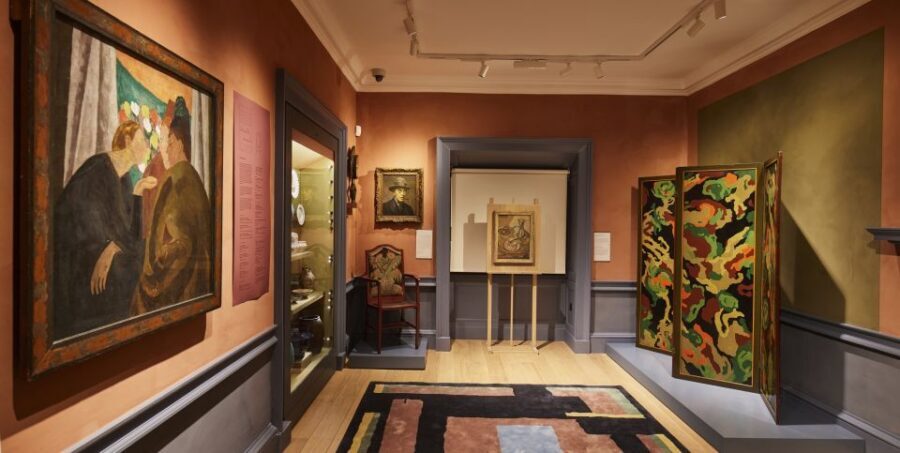
After all the older art, the museum turns toward the 20th century. You’ll see ever-changing displays dedicated to that period, including the Bloomsbury Group.
This is where you get a different kind of “how art works” experience. Instead of classic religious narratives driving the visual language, you get modern ideas and modern ways of representing people, culture, and thought.
If you like museums that don’t trap you in one era, this is a satisfying ending. It keeps the day from feeling like a lecture about the past. You leave with your perspective expanded across styles.
Audio guide in English: your best tool for an easy day
An English audio guide is included, and that’s a practical win. In a museum with multiple centuries, audio narration helps you keep names, themes, and context from slipping away.
Here’s how I’d use it efficiently: don’t let the guide run your whole schedule. Use it to support your looking, especially on the big named works like Manet’s A Bar at the Folies Bergère and Botticelli’s The Trinity with Saints. When you pause the audio and look first, then press play to confirm what you’re noticing, you’ll get more from each stop.
Also, because the experience covers the permanent collection, the audio guide helps you stay oriented even if the temporary exhibitions aren’t part of your visit.
Pacing tips for a one-day permanent-collection visit
With a one-day ticket, your main enemy is not time. It’s attention fatigue.
I’d plan your day in two layers:
- First layer: pick your anchors. For most people, that means the LVMH Great Room highlights and at least two works on the second floor.
- Second layer: fill in with the rooms you’re most curious about, not every room you can physically reach.
If you try to rush everything, the museum becomes a blur of famous names. If you spend a little longer on the anchor works, the rest of the collection clicks into place.
Comfort tip that sounds boring but matters: wear shoes you can stand in. Courtauld days are mostly standing and looking. This is not a sit-everywhere kind of museum.
Price and value: is $16 per person a fair deal?
At about $16 per person, this is strong value for what you get. You’re paying for entry to the Courtauld’s permanent collection, which includes major works across Impressionist, Post-Impressionist, Renaissance, Medieval, and 20th-century art.
The value logic is simple:
- If you want core masterpieces and you don’t specifically need temporary exhibitions, the price makes sense.
- If temporary exhibitions are your priority, then the ticket alone won’t cover your wishlist, and your effective cost goes up.
For most art-focused visitors, $16 is a reasonable entry fee into a world-class set of rooms. And for couples, solo travelers, and anyone squeezed into a short London itinerary, it’s a practical use of one day.
Who this Courtauld entry ticket suits best
This experience fits best if you want:
- Major art by famous artists like Manet and Van Gogh, without needing a multi-day museum plan.
- A day that shifts eras in a meaningful way, from Impressionism to Renaissance to the 20th century.
- An English audio guide to help you understand what you’re seeing.
If you’re the type who loves big canvases and also wants some paper-based work, you’ll appreciate the mix of paintings, prints, and drawings. If you prefer guided tours with a rigid script, you might find the open museum style requires a bit more personal planning.
Should you book the Courtauld Gallery entry ticket?
I’d book it if you want a high-quality permanent-collection visit in one day, inside Somerset House. The combination of the LVMH Great Room, the Renaissance pull of the Blavatnik Fine Rooms, and the sweep into later art gives you a full art-history arc without needing extra add-ons.
Skip it or reconsider if temporary exhibitions are the main reason for your visit. And if you’re only looking for one small slice of art history, you might feel like the day is broader than your interests.
If you like art in a beautiful setting and you want your money to buy access to the museum’s core strengths, this is a smart choice.
FAQ
What does the Courtauld Gallery entry ticket include?
The ticket includes entry to the Courtauld Gallery permanent collection. It does not include entry to temporary exhibitions.
Are temporary exhibitions included with this ticket?
No. Temporary exhibitions are not included, so you’d need separate access if you want to see them.
How much is the ticket?
The price is listed as $16 per person.
How long is the ticket valid, and do I need to pick a start time?
The ticket is valid for 1 day. Availability shows starting times, so you’ll want to check what times you can choose.
Is an audio guide included, and is it in English?
Yes. An audio guide is included, and it’s available in English.
Where is the Courtauld Gallery?
The Courtauld Gallery is located within Somerset House.
Is the museum wheelchair accessible?
Yes, it is wheelchair accessible.
Can I cancel for a refund?
Yes. Free cancellation is available up to 24 hours in advance for a full refund.