REVIEW · ENGLAND
Beginner Foraging Walk: Wild food walking tour & tasters
Book on GetYourGuide →Operated by Fieldstudy LTD · Bookable on GetYourGuide
Wild plants, zero guesswork, and tasty proof. This Isle of Wight beginner foraging walk is led by lifelong forager Joseph Thurbin, and you practice identifying edible plants and fungi in the field. I especially love how hands-on it is, with quick stops for real looking and easy-to-follow tips.
You’ll also appreciate the nibbles made from wild ingredients as you learn what’s safe and useable. The route is about 2 miles, starting at The Buddle Inn in Niton, with countryside views that make you slow down and actually notice what you’re standing next to.
The only catch: it’s still a 1.5-hour walk over outdoor ground, so it’s not suitable for wheelchair users or people with mobility impairments, and it isn’t aimed at very low fitness levels.
In This Review
- Key highlights I’d plan around
- A beginner foraging tour on the Isle of Wight, minus the stress
- The Buddle Inn start: where the walk really begins
- How you learn to ID edible plants and fungi in the wild
- Why this works for beginners
- Photography practice: using your phone to ID at home
- Tastings along the way: turning wild finds into kitchen ideas
- What you should expect from the tasting
- The 2-mile route and what to pack for British weather
- What to bring (from the guidance)
- Price and value: is $33.67 fair for wild food skills?
- Who should book this foraging walk (and who might skip it)
- Should you book this beginner foraging walk?
- FAQ
- Where does the foraging walk start?
- Where does it end?
- How long is the tour?
- How far do you walk?
- Who is the guide?
- What will I learn during the tour?
- Is there food or tasting included?
- What should I bring?
- Is this tour suitable for children?
- What is the cancellation policy?
Key highlights I’d plan around
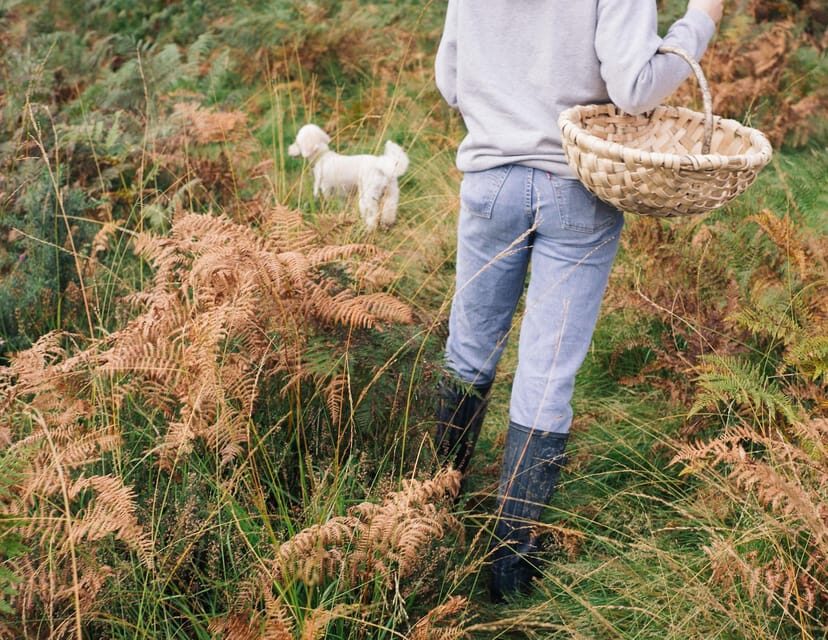
- Joseph Thurbin teaches beginner ID for edible plants and fungi
- A 2-mile, 1.5-hour walk with tastings of wild ingredients
- Photo tips for identifying at home using your phone
- Niton countryside stops where you’ll learn what to look for
- You’ll need practical gear for wet, changeable British weather
- Value focused on real skills, not just a sightseeing stroll
A beginner foraging tour on the Isle of Wight, minus the stress

If you’ve ever looked at a patch of hedgerow and thought, I wonder what that is, this kind of tour is built for you. The biggest win here is that you’re not just walking for views; you’re learning how to identify wild edible plants and fungi with a guide who’s spent a lifetime with the stuff.
I like that the whole experience is framed as confidence-building. You start with basics, you practice observing along the way, and you leave with ideas for using what you’ve learned in the kitchen. And yes, you also get to try wild food along the route, which helps everything click in your brain faster than reading a list.
One thing to keep in mind: foraging is serious business. Even when a tour is beginner-friendly, your goal on day one isn’t to go full chef. Your goal is to learn how to spot and verify—then build a safer routine at home.
You can also read our reviews of more walking tours in England

The Buddle Inn start: where the walk really begins
The walk begins at The Buddle Inn, Niton, with the meeting point at the large car park opposite the pub. Your guide comes carrying a foraging basket, which is a small detail but a good signal: this isn’t a vague nature talk. It’s a working-foraging session, just done at a friendly pace.
Right away, you’ll be thinking about what you can safely identify and what you’ll need to remember later. That’s why you’re encouraged to bring a charged smartphone (for photographing) and something to take notes with—either a notebook or your phone. The guide will also point out how to photograph plants and fungi so you can identify them at home, which is one of the most practical pieces of the whole tour.
Because the walk returns to the meeting point, there’s a clear rhythm: start outside, learn in the field, nibble as you go, then wrap up back at the car park. For a first foraging experience, that simple loop matters.
How you learn to ID edible plants and fungi in the wild
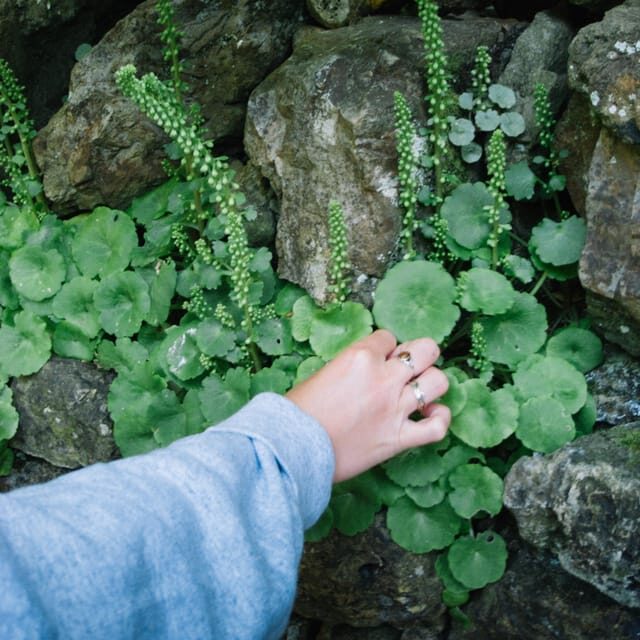
This tour is built around teaching plant identification basics and then applying them outdoors. You’ll learn how to identify multiple edible species, including both plants and fungi, which is a nice step-up from tours that focus on only one category.
Joseph Thurbin brings the perspective of a lifelong forager and filmmaker. That mix matters. You get the kind of guidance that feels designed to translate what you see into something you can repeat later. It’s not just, here’s a plant; it’s more like, here’s how to look, then how to connect the photo and the features back to an ID.
You’ll make your way along a route in a secluded part of the Isle of Wight countryside (about 2 miles total). Along the way, expect multiple pauses where you can inspect what the guide shows you. Those pauses are where the beginner learning happens: you see the same type of plant or fungus in context, you hear what makes it look the way it does, and you can ask questions in the moment rather than guessing later.
Why this works for beginners
Beginner foraging tours often fail in two ways: they move too fast, or they don’t teach you what to watch for. Here, the focus is on building the habit of identification—so you’re not relying on luck or memory.
Still, your own caution matters. The tour gives confidence, but it doesn’t turn you into a foraging authority overnight. I’d treat the outing as training wheels, then keep learning through practice and careful checking before eating anything again.
Photography practice: using your phone to ID at home
One of the most useful parts is the emphasis on how to photograph plants and fungi so you can identify them later. If you’ve ever tried to remember a wild plant from a quick glance, you already know the problem: memory is fuzzy, and lighting changes everything.
During the walk, you’ll learn how to take photos with enough detail to help you match what you saw. You’re also encouraged to carry your phone fully charged, which tells you this isn’t a casual suggestion. The guide expects you to use your device as a learning tool.
Then, once you’re back home, those photos become your second classroom. Instead of only thinking, I might have seen nettles / I think that was something edible, you can compare and work from your own images.
Practical tip: if your phone has limited storage, clear a bit of space before you go. You’re taking photos of multiple specimens, not just one “pretty plant” shot.
You can also read our reviews of more food & drink experiences in England
Tastings along the way: turning wild finds into kitchen ideas
The tour includes nibbling snacks made with wild ingredients as you go. That matters more than it sounds. Foraging knowledge can feel abstract until you taste something and think, Oh—this is actually edible and pleasant.
In the experience, there’s also a clear theme of inspiration. One of the standout takeaways from people who enjoy this style of tour is the motivation to keep learning and cooking with plants they used to ignore. For example, there’s a specific nod to nettles from a past participant—exactly the kind of plant that makes people feel like they found a new tool for their pantry.
What you should expect from the tasting
You’re getting tasters, not a full meal. The value is that the tasting reinforces what you’ve just learned in the field, so you can connect identification with real-world use.
Just remember the tour is not suitable for people with food allergies. If you have any allergy concerns, you’ll need to sit this one out.
Also, follow the tour rules: intoxication and alcohol/drugs aren’t allowed. That’s not only about safety—it helps keep everyone focused during plant and fungi identification, which is the real job here.
The 2-mile route and what to pack for British weather
This is a 1.5-hour walk on a 2-mile route. That’s short in distance, but you’re still walking outdoors and stopping often. It’s not described as wheelchair-friendly, and it isn’t suitable for people with mobility impairments, so choose footwear and pace accordingly.
The tour strongly recommends you prepare for British weather. I’d treat that as code for: wear what you’d wear if it’s damp, possibly muddy, and possibly chilly. Sturdy waterproof shoes and a raincoat aren’t optional “nice-to-haves”; they’re the difference between enjoying the walk and spending half the time thinking about wet socks.
What to bring (from the guidance)
- Comfortable shoes
- Water
- Comfortable clothes
- Charged smartphone
- Notebook or phone for taking notes
One more small practical note: bring the kind of attention span you’d use on a guided museum. You’ll get more out of it if you’re watching, not drifting.
Price and value: is $33.67 fair for wild food skills?
At $33.67 per person, this isn’t an impulse bargain, but it also isn’t priced like a luxury experience. What you’re paying for is the combination of:
- A guided field session with Joseph Thurbin
- Beginner training in identifying edible plants and fungi
- Photo coaching so you can keep learning at home
- Wild ingredient tastings during the walk
That package is the core value. You’re not just buying a walk; you’re buying skills you can practice. And because the tour is short—about 1.5 hours—you can fit it into a day on the Isle of Wight without sacrificing your whole schedule.
The main extra cost to watch for is parking. Parking fees aren’t included if applicable, so if you’re driving, budget a little extra beyond the ticket price.
Who should book this foraging walk (and who might skip it)

This tour is a great match if you want to start foraging with structure. It suits you best if you:
- Are a true beginner and want the basics of identification
- Like learning outdoors and don’t mind paying attention during stops
- Want to take photos for later practice
- Enjoy tasting what you’re learning (not all skill tours include food)
It’s a poor fit if:
- You have food allergies
- You need wheelchair access or have mobility impairments
- You’re looking for something kid-friendly (it’s not suitable for people under 18)
- You have very low fitness expectations (the walk is about 2 miles)
If you’re the sort of person who wants to immediately start foraging independently after one walk, you might still feel excited—but I’d keep your expectations grounded. The tour gives confidence and the starter tools, and then you grow from there.
Should you book this beginner foraging walk?
Yes, I think it’s worth booking if you want a beginner-first introduction to wild edible plants and fungi with tastings and photo-led follow-through. The combination of guided identification practice, Joseph Thurbin’s field approach, and the chance to taste wild ingredients makes it feel like a real learning experience rather than a casual nature stroll.
Skip it if accessibility or food restrictions apply, or if you’re expecting a long hike or a heavy science lecture. This is a friendly, practical introduction—exactly the kind of tour that can turn curiosity into a useful skill.
If you’re visiting the Isle of Wight and want an authentic outdoor experience that doesn’t require any prior knowledge, this is a smart use of your time. Bring waterproof shoes, charge your phone, and go in ready to notice details. The countryside will do the rest.
FAQ
Where does the foraging walk start?
The tour starts at The Buddle Inn in Niton, with the meeting point at the large car park opposite the pub.
Where does it end?
The activity ends back at the meeting point, at the car park opposite The Buddle Inn.
How long is the tour?
The duration is about 1.5 hours.
How far do you walk?
The walk is about 2 miles.
Who is the guide?
The guide is Joseph Thurbin.
What will I learn during the tour?
You’ll learn the basics of plant identification, including how to identify wild edible plants, and you’ll also learn about edible plants and fungi.
Is there food or tasting included?
Yes. You’ll nibble on tasty snacks made with wild ingredients during the walk.
What should I bring?
Bring comfortable shoes, water, comfortable clothes, and a charged smartphone. You’ll also want something for taking notes (notebook and/or your phone), and the tour advises being prepared for British weather.
Is this tour suitable for children?
No. It is not suitable for children under 18 years.
What is the cancellation policy?
You can cancel up to 24 hours in advance for a full refund.