REVIEW · LONDON
British Museum & National Gallery Highlight Tour 8 guests 5h
Book on GetYourGuide →Operated by Babylon Tours London · Bookable on GetYourGuide
Two museums, one clear path, and no aimless wandering. This semi-private highlight tour is a strong fix when you want live commentary and major art you actually understand, not just major rooms you quickly forget. I especially like how it turns big artist names into specific paintings at the National Gallery, with guides who keep the stories moving (people have praised guides like Matilda and Becky).
The one real thing to keep in mind is logistics: there’s moderate walking, museum lines can be long, and you’ll need to navigate a lot of galleries in a short window. Also, lunch is on your own, and the tour avoids luggage or large bags.
In This Review
- Key highlights at a glance
- How the 5.5-hour format keeps London from swallowing you
- National Gallery: turning famous names into paintings you can describe
- Lunch between museums: how to keep the day from losing speed
- British Museum: the Rosetta Stone moment and why it works
- Guide-led magic: what you should look for in live commentary
- Pace, walking, and what to pack so the day feels easy
- Price and value: is $206 per person worth it?
- Who this tour is best for
- Potential snags to know before you book
- Should you book this British Museum & National Gallery Highlight Tour?
- FAQ
- How long is the British Museum and National Gallery highlight tour?
- Is this tour private or small group?
- How many museums are visited during the tour?
- Is lunch included?
- Is the tour suitable for wheelchair users?
- What should I bring to the tour?
- What’s not allowed during the tour?
Key highlights at a glance
- Small group size (max 8) keeps the experience from feeling like cattle herded through rooms
- National Gallery focus on specific masterpieces including The Arnolfini Portrait and The Rokeby Venus
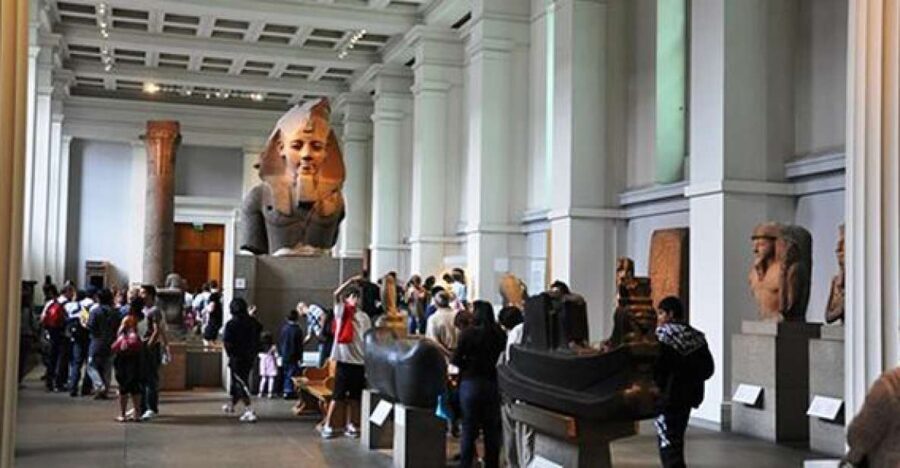
- British Museum object-led storytelling with must-sees like the Rosetta Stone, Parthenon Sculpture, and the Lewis Chessmen
- Two top sites in 5.5 hours saves you the planning headaches of doing both solo
- Lunch break between museums means you should plan where you’ll eat rather than winging it
- Pack light for entry since luggage or large bags aren’t allowed
How the 5.5-hour format keeps London from swallowing you
This tour is built for attention. Five and a half hours sounds short until you remember how huge both museums are. The trick here is that your guide does the heavy lifting: they point you toward the most meaningful works first, then connect them so you start seeing patterns instead of random frames on walls.
I like that the pace is “highlight, explain, repeat.” You’re not expected to read every label. You’re given the context to make the labels make sense. That matters at the National Gallery, where a visitor can easily spend 45 minutes staring at one painting—and still leave without understanding why it’s famous.
It also matters at the British Museum, where the collection is so vast that many people end up doing museum math: Which wing is open? Which room is closest? Which object is actually worth the detour? A good guide turns that into a single narrative.
You can also read our reviews of more museum experiences in London


National Gallery: turning famous names into paintings you can describe
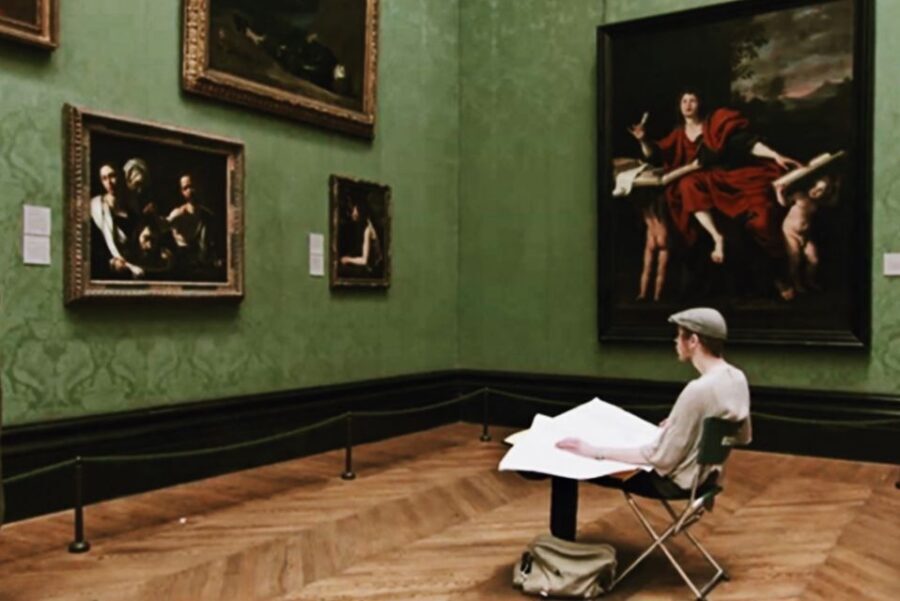
If you’ve ever stood in front of a work and thought, I know this artist, but what am I looking at, this is the part that helps most.
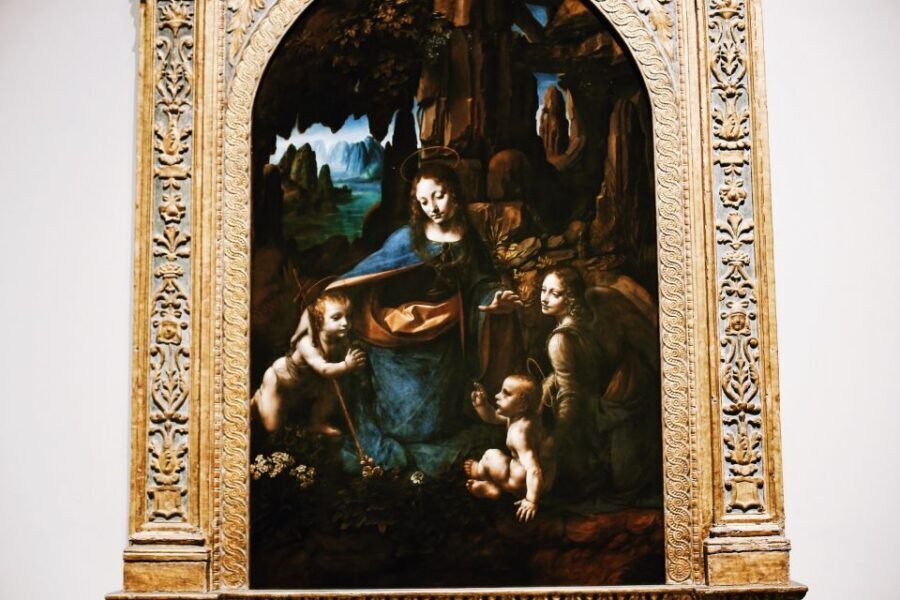
At the National Gallery, the emphasis is on artists from roughly the 1300s onward, and on paintings you’ll recognize instantly once you see them in context. You get a path through several standout works, including A Young Woman Standing at a Virginal, Sunflowers, The Madonna of the Pinks (La Madonna dei Garofani), The Toilet of Venus (The Rokeby Venus), The Virgin of the Rocks, The Ambassadors, The Arnolfini Portrait, and Venus and Mars. Even if some names feel blank at first, the tour is designed so that by the end, those names connect to style, subject, and era.
Here’s what I find most valuable: the guide doesn’t just say, “This is important.” They help you notice what changes over time. For example, you might look at a da Vinci work like The Virgin of the Rocks, then shift to Seurat’s Bathers at Asnières style so you can feel the differences in approach—without needing an art history degree.
Practical tip: when you stop for each painting, take 30 seconds to study details before you move on. The tour works best if you let each artwork land. Otherwise, it becomes a blur of “big names” rather than “big meanings.”
Lunch between museums: how to keep the day from losing speed
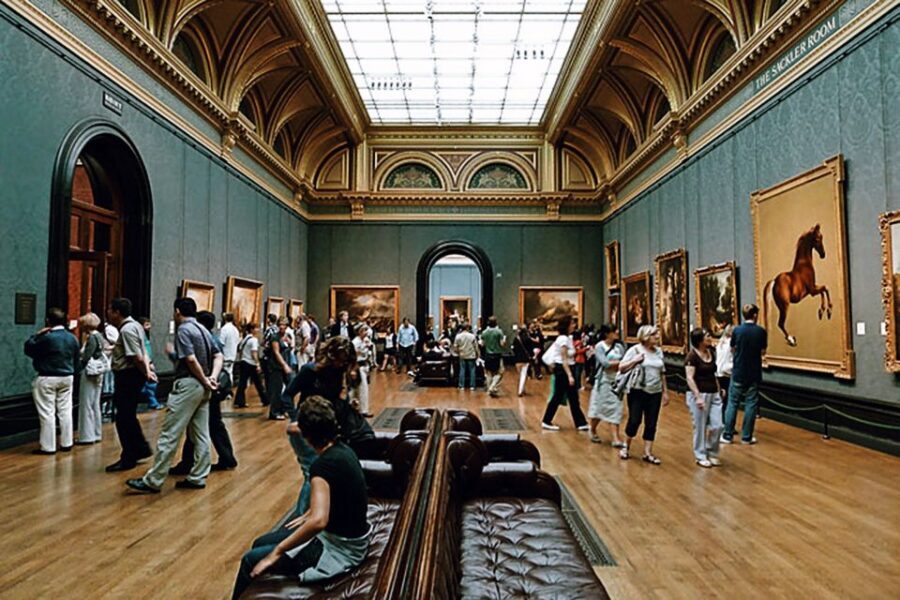
There’s a break for lunch between the two museum visits, but it’s at your own expense. That means you have control—if you plan for it.
In practice, you’ll want something fast that doesn’t lock you into a long sit-down. Think simple, close-by, and convenient. The goal is to return to the second museum feeling ready, not hungry and scattered.
Also, keep your priorities straight: you’re there for objects and paintings, not a leisurely day out. If you go too far for lunch, you’ll come back behind schedule, and the whole point of a highlight tour is that it keeps you on track.
British Museum: the Rosetta Stone moment and why it works
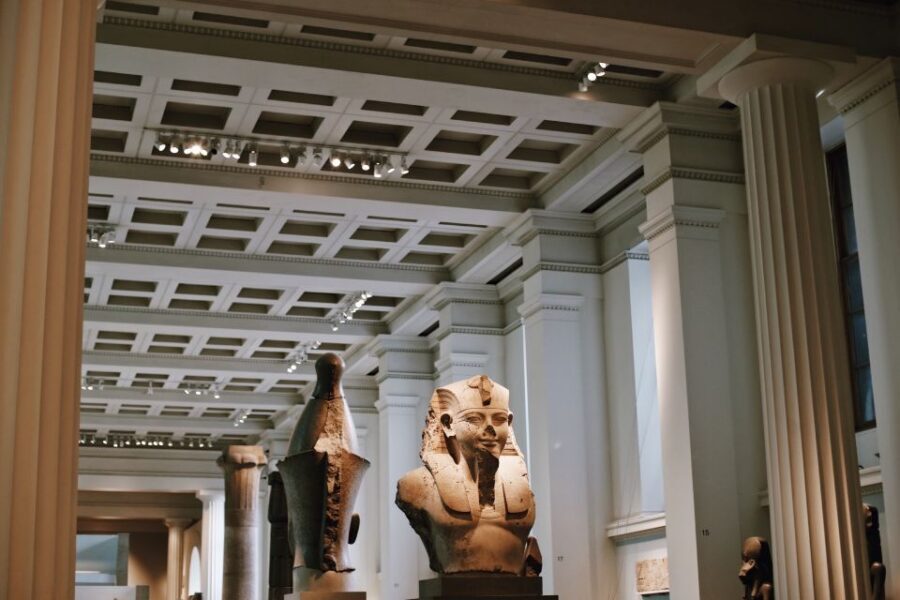
Then you jump from painting to artifacts, and the British Museum delivers on scale in a way that can feel overwhelming without guidance. The guide helps you treat the museum like a Rosetta Stone—one place that lets you decode multiple civilizations at once.
You’ll see iconic objects that anchor the story of human culture, including the real Rosetta Stone. That’s the kind of stop that changes how you see a museum: it’s not just something old; it’s something that explains how we learned to read the past.
From there, you’re led through carefully selected galleries and themes across thousands of years. Expect highlights such as Parthenon Sculpture, Assyrian lion hunt reliefs, the Lewis Chessmen, and major treasures like the Oxus Treasure and the Royal Game of Ur. You may also encounter the Mummy of Katebet and Samurai armor—objects that instantly expand your idea of what counts as history.
What’s especially useful is the way the guide connects the “wow” to the “so what.” Samurai armor isn’t just impressive metal. It represents craft, status, and a particular world of rules. The Assyrian reliefs aren’t just dramatic scenes. They’re political messaging carved into stone. The tour helps you catch those layers quickly.
Practical tip: if you’re tempted to rush through after a big lunch, resist. The British Museum is where you get the most payoff from slowing down for one or two meaningful objects. Let the guide’s explanation do the work.
Guide-led magic: what you should look for in live commentary
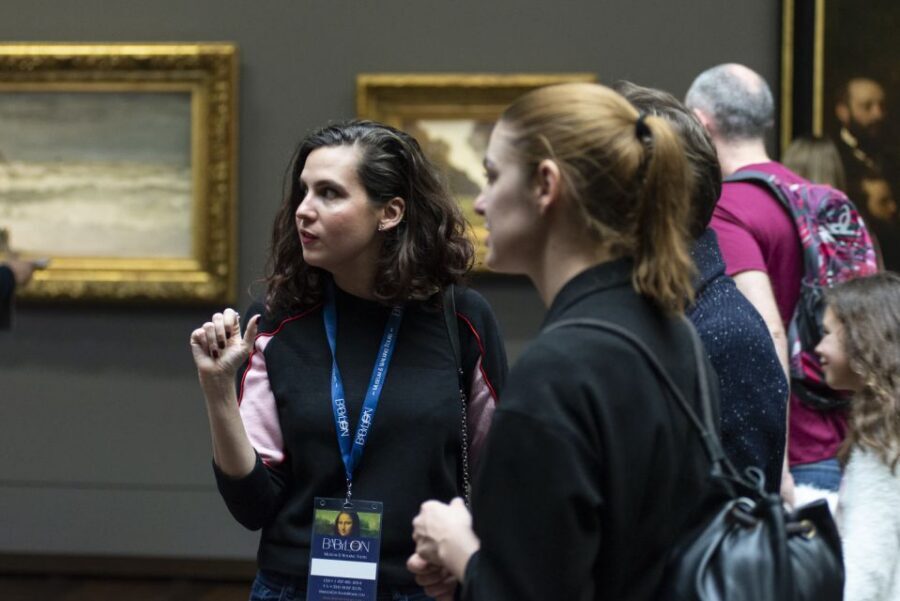
The best part of this tour is the live guide, and the difference between a good guide and a great guide shows fast.
The strongest guides are the ones who turn questions into answers. They keep you from getting stuck on trivia and instead point you toward what you’ll actually notice: why a scene looks the way it does, what an artifact tells you about daily life, and how styles shift across centuries.
From the praise the tour has received, names like Matilda and Becky come up again and again. If you have any option to choose or request a guide, it’s worth trying—good commentary can make the time feel double.
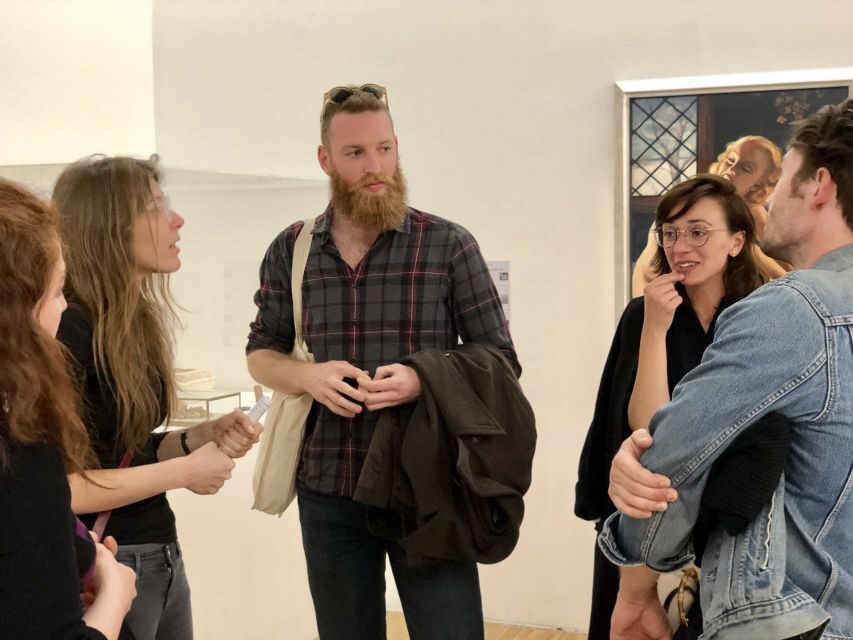
Also, use your group’s size. In a max-8 setup, you’re more likely to get eye contact and direct answers. Don’t be shy about asking where to look next. A highlight tour works best when you interact.



Pace, walking, and what to pack so the day feels easy
This is a museum day with a moderate amount of walking. So don’t plan it with a “casual stroll” mindset.
Pack smart:
- Wear comfortable shoes with grip. You’ll be moving between rooms and floors.
- Keep bags minimal. Luggage or large bags aren’t allowed.
- Bring your passport or ID card.
If you’re worried about access, here’s the mixed-but-important note to take seriously: it’s listed as not suitable for wheelchair users, but tours for wheelchair users may be available on request. If mobility matters, contact the operator before you book so you don’t end up stuck with a mismatch between what you need and what’s offered.
Price and value: is $206 per person worth it?
At $206 per person for about 5.5 hours, this isn’t a budget “just show me the sites” deal. You’re paying for a guide to connect two major institutions and point you toward the highest-impact works and objects.
Here’s the value logic that makes sense:
- You’re saving planning time. You’re not figuring out routes and priority stops on your own.
- You’re getting interpretation, not just access. The guide’s job is to explain what you’re seeing and why it matters.
- You’re seeing two different “languages” of culture—painting and artifacts—without losing a whole day.
Where value gets weaker is if you truly prefer to wander with zero structure. If you love slow museum wandering, you might spend more time than the tour allows, and you could feel rushed. If you want a guided path that teaches you how to look, then the price starts to feel fair.
One more practical thing: the included items list confirms a professional local tour guide, but it doesn’t spell out every ticket detail. Before you go, check what you personally need to bring to enter—especially if you’re working from a voucher.
Who this tour is best for
I’d point you toward this tour if you:
- Want big-name art and famous museum objects without needing to research everything first
- Prefer a set plan that still leaves space to look closely
- Learn best with live explanations and a guide who can answer questions in real time
- Are short on time but don’t want a “check-the-box” day
It’s also a good choice if you’re traveling with someone who’s curious but not sure where to start. The guide’s stories give both of you something to talk about after you walk away.
Potential snags to know before you book

No tour is risk-free. The British Museum in particular can be sensitive to entry issues and long lines. If your booking includes a voucher, make sure you know exactly what form you’ll present at the door.
Also, remember the tour is small and timed. If you arrive late or can’t keep up with the walking, you’ll feel it quickly because the day’s schedule is tight. And because luggage isn’t allowed, you’ll want to plan how you’ll store anything you bring with you.
Finally, note the lunch break is at your own expense. If you assume lunch is included and it isn’t, that can turn into a stressful scramble.
Should you book this British Museum & National Gallery Highlight Tour?
If you want a smart, guide-led “greatest hits” day, I think this is a solid booking. The combination of National Gallery masterpieces and British Museum anchor objects (including the real Rosetta Stone) is exactly how you get both variety and meaning in one afternoon.
Book it if you:
- Like structure with room to actually see things
- Want live commentary and a guide to keep you from getting lost in museum scale
- Are okay with moderate walking and a lunch break you handle yourself
Skip it or at least ask more questions first if you:
- Need step-free or wheelchair access and want certainty for your specific mobility needs
- Prefer deep, slow museum wandering over highlights
- Don’t want any schedule pressure at all
If you go in with comfortable shoes and a willingness to look closely at a few key works, you’ll leave with a much clearer idea of what you saw—and why it still matters.
FAQ
How long is the British Museum and National Gallery highlight tour?
The tour duration is 5.5 hours.
Is this tour private or small group?
It’s offered as either a private tour or a semi-private tour, with a maximum of 8 guests for the semi-private option.
How many museums are visited during the tour?
You visit two museums: the National Gallery and the British Museum.
Is lunch included?
There is a lunch break between the museum visits, but food and drinks are not included unless specified.
Is the tour suitable for wheelchair users?
The information lists wheelchair users as not suitable, but it also says tours for wheelchair users may be available on request. If accessibility is important, confirm with the operator before booking.
What should I bring to the tour?
Bring your passport or ID card.
What’s not allowed during the tour?
Luggage or large bags are not allowed.