REVIEW · LONDON
London: 3 Most Famous Art Galleries Tour
Book on GetYourGuide →Operated by Top Sights Tours LLC. · Bookable on GetYourGuide
Three galleries, one smart plan. This 3-hour London art loop strings together the National Gallery and its master painters, the National Portrait Gallery, and then the scale of Tate Modern’s Turbine Hall.
What I like most is the story-focused guide that explains meaning and backstory, and the way the route mixes big-name works with a portrait obsession you don’t usually get in one afternoon. One thing to consider: transport between stops isn’t included, so you’ll want a contactless card or an Oyster card ready.
In This Review
- Quick hits before you go
- The 3-galley route: why this order works in just 3 hours
- The main “value” idea
- National Gallery Sainsbury Wing: Botticelli through Van Gogh (with the meaning explained)
- What you’ll get out of the National Gallery focus
- A practical tip for this stop
- National Portrait Gallery: why faces matter more than you think
- How the portrait collection changes your viewing
- Who will enjoy this stop most?
- Tate Modern: Turbine Hall scale plus a modern art hit list
- What to expect when modern art gets strange (on purpose)
- The guide experience: what the tour does for your brain
- A small realism check
- Price and logistics: is $91 worth it?
- What to bring so the day feels easy
- Who should book this London art tour?
- Should you book this tour?
- FAQ
- Where is the meeting point for the tour?
- What is the nearest Underground station?
- How long is the tour?
- Is entry to the galleries included in the price?
- What’s included in the tour price?
- What should I bring for the tour?
- Is transport between galleries included?
Quick hits before you go
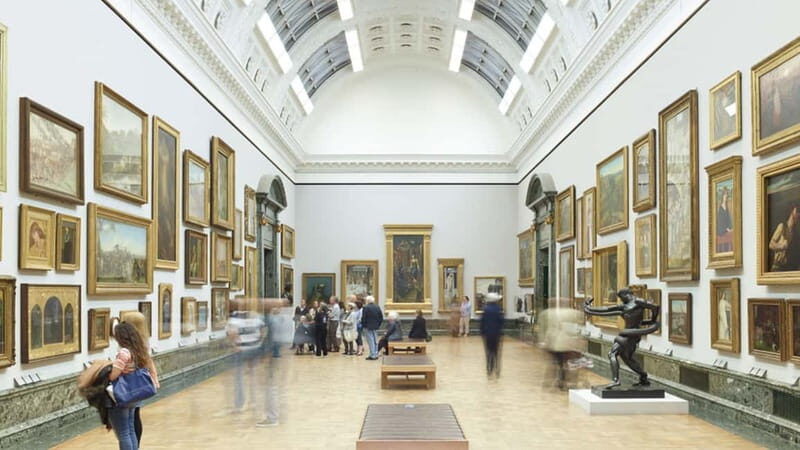
- National Gallery classics: You’ll see works associated with Botticelli, Leonardo da Vinci, Rembrandt, Gainsborough, Turner, Renoir, and Van Gogh, with the story behind what you’re looking at.
- Portrait Gallery faces: The National Portrait Gallery is home to the world’s largest collection of portraits, from the late Middle Ages to today.
- Tate Modern’s big space: The Turbine Hall stretches the length of the building, and that scale changes how you experience modern art.
- Surrealism and more: Expect surrealist artists such as Dalí, plus modern standouts including Cézanne, Matisse, Picasso, Rothko, Pollock, Warhol, and Bourgeois.
- Free entry to keep it affordable: Entry is free at all three galleries, with an optional small donation at the door.
The 3-galley route: why this order works in just 3 hours
This tour is built for people who want the big London hits without spending your whole day zigzagging or hunting for what to look at. In three hours, you’ll go from old-school painting masterworks to faces and then into modern and contemporary art. It’s a good pace because each stop answers a different question: what artists painted, who they represented, and how artists break rules later on.
You’ll start outside the National Gallery Sainsbury Wing, which is convenient for getting your bearings fast. The nearest Underground options are Charing Cross or Leicester Square. From there, you’re basically following the art-story arc: Renaissance-to-19th-century painting, then portraits as identity, then modern art as a bigger experiment.
You can also read our reviews of more museum experiences in London


The main “value” idea
At $91 per person, you’re not paying for museum entry tickets. You’re paying for a guided route that helps you actually read what you see—history, meaning, and the stories behind famous works. If you’ve ever walked into a museum and felt like you were guessing, that’s what you’re paying to fix here.
National Gallery Sainsbury Wing: Botticelli through Van Gogh (with the meaning explained)
The National Gallery stop is where the tour gets grounded. You’ll focus on paintings by major names such as Botticelli, Leonardo da Vinci, Rembrandt, Gainsborough, Turner, Renoir, and Van Gogh. That’s a lot of heavyweight art in a compact time window, so the guide’s job matters: you’re not just looking at famous names, you’re learning how and why these paintings were made and what they meant to their audiences.
What you’ll get out of the National Gallery focus
- You’ll learn the story behind famous works, not just the surface facts. The tour is designed to explain history, meaning, and the narrative context you might miss if you walk in cold.
- You’ll get contrast across eras, because the National Gallery’s collection spans different artistic styles and periods. That makes it easier to understand how “great painting” evolves, rather than feeling like one long sameness.
A practical tip for this stop
Comfortable shoes are a must. Even with a guide keeping you moving, you’ll still need to pause often enough to really look. Also keep an eye on your photo habits: flash photography isn’t allowed, so plan on phone photos without flash if that’s part of your routine.



National Portrait Gallery: why faces matter more than you think
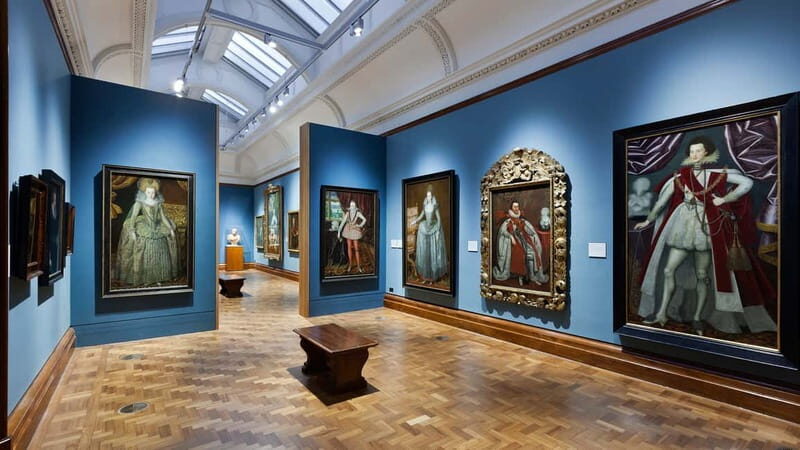
Then you pivot to portraits, which is a clever shift because it changes the art question from What did they paint? to Who are they showing, and how? The National Portrait Gallery houses what’s described as the world’s largest collection of portraits, covering personalities and faces from the late Middle Ages to the present day.
You’ll see works connected with artists such as Holbein to Hockney, and the British Monarchy is on display here. That matters because portraits aren’t only about art style—they’re about power, reputation, and how people wanted to be remembered.
How the portrait collection changes your viewing
A portrait tour can easily turn into a blur of faces unless someone explains the logic. The value here is that the guide helps you connect the images to the personhood behind them—why certain details were emphasized, and what audiences might have taken from the pose, costume, or setting.
Also, the timeline is long. Late Middle Ages to present day means you’re basically watching changing ideas of identity. Even if you’re not a history buff, you’ll likely feel the difference in how artists frame authority, personality, and status.
Who will enjoy this stop most?
If you love people-focused art, fashion in historical context, or you’re curious about how Britain tells its own story through faces and figures, this is the middle stop that often feels most “alive” because you keep finding recognizable themes across centuries.
Tate Modern: Turbine Hall scale plus a modern art hit list
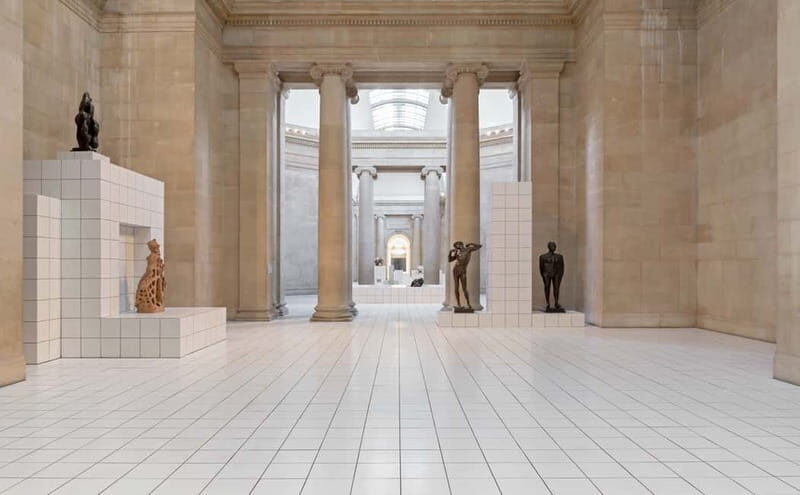
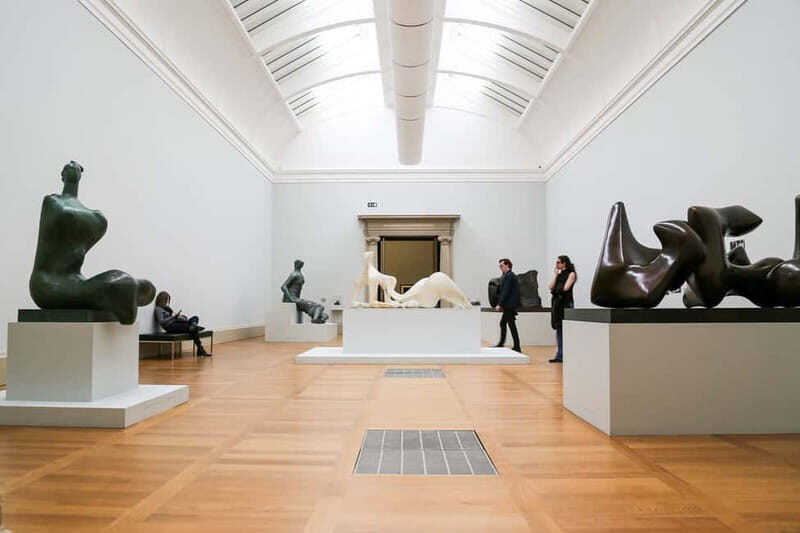
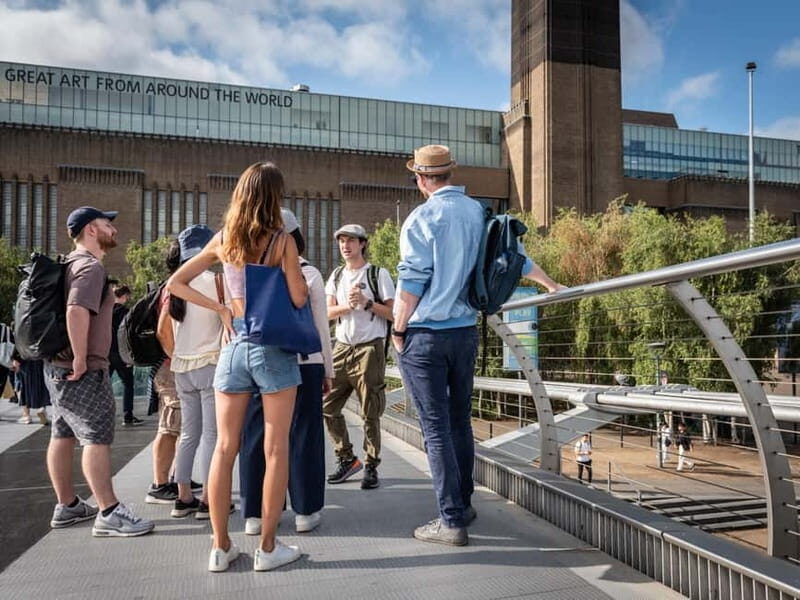
The last stop is Tate Modern, Britain’s national museum of modern and contemporary art from around the world. The headline detail is the Turbine Hall, which runs the length of the building. That scale is not a small thing. It affects how you navigate, how you pause, and how the art lands in your brain.
You’ll see major modern artists including Cézanne, Bonnard, Matisse, Picasso, Rothko, Dalí, Pollock, Warhol, and Bourgeois. And since surrealist artists like Dalí are called out, you can expect at least some artworks that feel like dreams—or like they’re testing your comfort level.
What to expect when modern art gets strange (on purpose)
Modern and contemporary art can feel intimidating if you expect a single correct interpretation. In this tour, the guide helps you slow down enough to understand what you’re reacting to—color, composition, symbolism, and the artist’s intent. You’re not being asked to become an art critic. You’re being guided to notice what matters.
The Turbine Hall also changes the experience physically. Because it’s huge, you often get a sense of artwork as part of a bigger architectural moment, not just an object behind glass. That’s why a guide helps: it’s easy to wander here without knowing what to look for first.
The guide experience: what the tour does for your brain
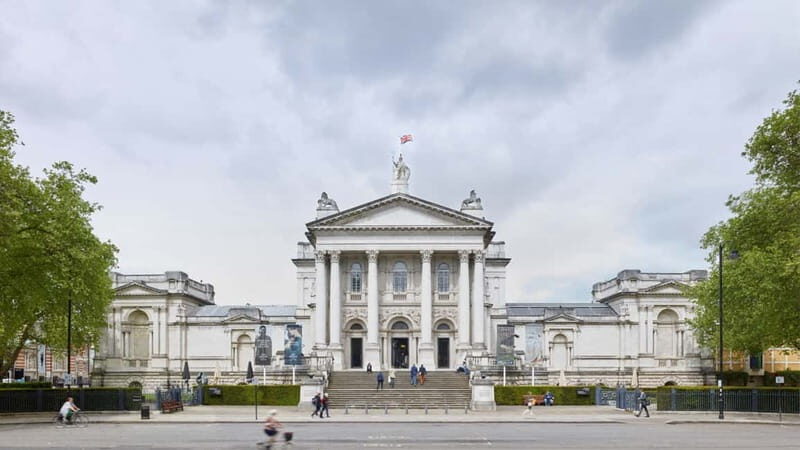
This isn’t a “walk in, look around, leave” museum stop. The highlight is the live local art guide who shares the stories behind what you’re seeing. Across all three galleries, the pattern is similar: history, meaning, and narrative context tied to famous artists and artworks.
That’s the biggest reason I think this tour works for first-timers. You get a framework. When you later browse a gallery on your own, you’re more likely to know what to pay attention to because the guide gives you the tools.
A small realism check
Three hours is still three hours. You won’t see everything in any one museum. Instead, you’ll see a curated slice of famous names and key ideas, with explanations attached. If you’re the type who wants to stare at one painting for 30 minutes, you’ll probably wish the tour lasted longer. But for most people, the payoff is the momentum: you leave knowing what you just saw and why it mattered.
Price and logistics: is $91 worth it?
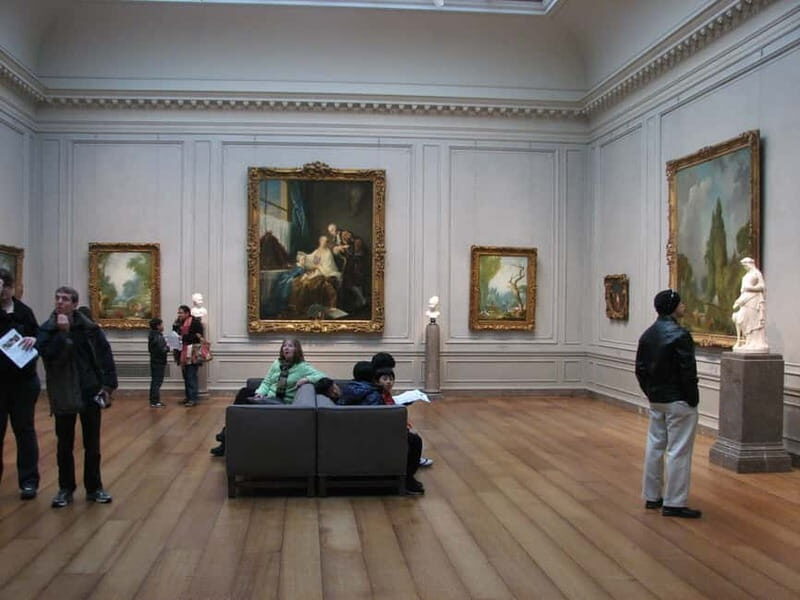
Let’s talk value like adults. The price is $91 per person for a 3-hour guided tour across three big-name museums. Entry to the galleries is free of charge, so the cost is mainly for the guide and the structured route.
That makes it good value if:
- you want someone to explain the meaning and history
- you’d rather do a tight plan than spend time deciding where to start
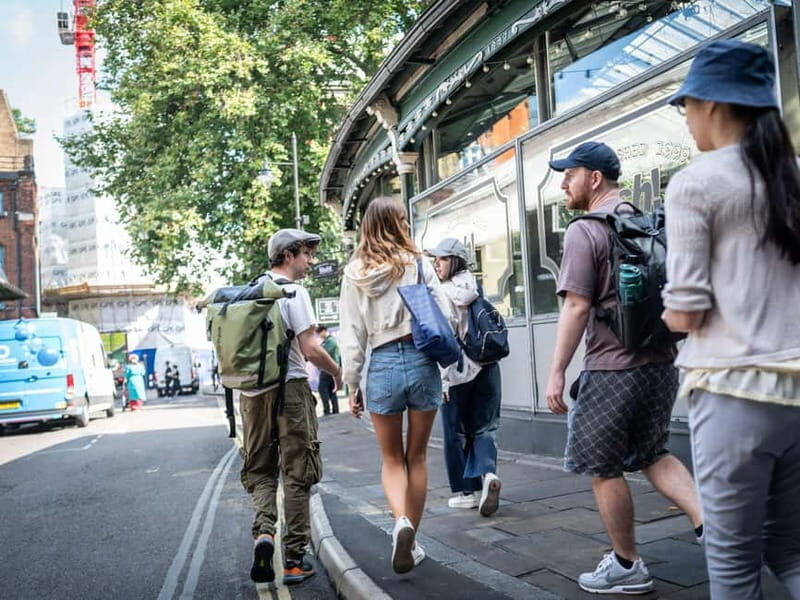
- you’re okay using public transit between stops
It’s less ideal if:
- you don’t need explanations and you’d rather explore on your own
- you’re trying to minimize paid time with a guide
- you’re not comfortable using the Tube/bus and prefer everything to be handled for you (since transport between galleries isn’t included)
One logistics note that’s actually important: luggage or large bags aren’t allowed, so travel light. And since transport isn’t included, bring a contactless credit/debit card or an Oyster card for getting around.
What to bring so the day feels easy
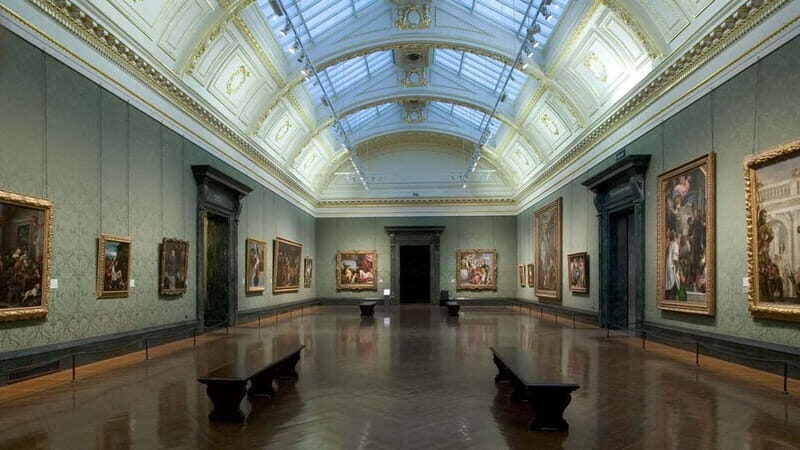
This tour is simple, but it runs on comfort.
- Comfortable shoes: you’ll be on your feet across three central galleries
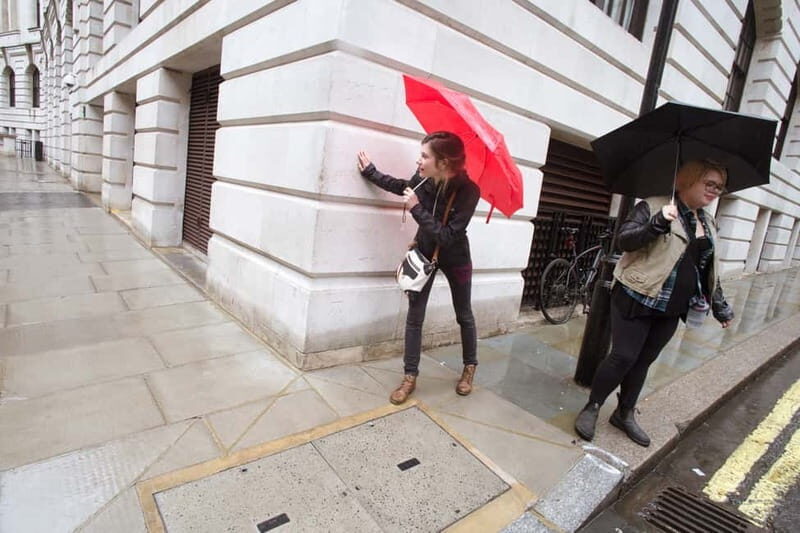
- Weather-appropriate clothing: London weather loves plot twists
- No luggage/large bags: plan for carry-size only
- No flash photography: phone photos without flash are your friend
Also, since the galleries are free to enter, you’re not fighting over ticket lines for paid admission during your visit. The experience is about the guide’s timing and focus.
Who should book this London art tour?
I’d recommend this tour if you fall into one of these groups:
- You’re a first-time London visitor who wants the art heavy-hitters in a short window
- You like famous names, but you also care about what the art is saying
- You want a guided route that moves you from painting to portraits to modern art without planning fatigue
- You want a structured afternoon that still feels flexible enough to keep exploring afterward on your own
If you already know art history deeply and you’re looking for very specific works or long gallery reading, you might find the pace too fast. But if your goal is to understand, connect themes, and see major collections in one go, this tour is well aimed.
Should you book this tour?
Yes, if you want a guided art plan that makes three iconic London stops feel coherent instead of overwhelming. The best part is the way the guide connects history and meaning to major artists—from National Gallery classics to portraits and then into Tate Modern’s modern and contemporary scale.
If you hate transit hops between sites or you’re traveling with luggage/large bags, you’ll probably want to adjust your approach. But if you can travel light and you’re ready to use Tube travel between the three galleries, this is a strong value way to get oriented fast and leave with a clearer sense of what you just saw and why it matters.
FAQ
Where is the meeting point for the tour?
You meet outside the National Gallery Sainsbury Wing.
What is the nearest Underground station?
The nearest Underground stations are Charing Cross or Leicester Square.
How long is the tour?
The tour lasts 3 hours.
Is entry to the galleries included in the price?
Entry to the galleries is free of charge. You can choose to make a small donation at the door to help with upkeep, but there’s no pressure.
What’s included in the tour price?
The price includes guided tours of the National Gallery, National Portrait Gallery, and Tate Modern, plus a fun local art guide.
What should I bring for the tour?
Bring comfortable shoes and weather-appropriate clothing.
Is transport between galleries included?
Transport between galleries is not included. Bring a contactless credit/debit card or an Oyster card for travel.