REVIEW · LONDON
London: Brutalist Architecture & History Walking Tour
Book on GetYourGuide →Operated by explorabilia · Bookable on GetYourGuide
London’s concrete icons make instant sense.
This Brutalist Architecture & History Walking Tour is interesting because you’re not just looking at buildings, you’re learning how post-war ideas, engineering, and politics shaped what’s still standing in Central London. I like that you get a practical outside-only route with standout stops like the National Theatre and the Institute of Education. I also like the guide approach: small group (max 6) means Evan can connect the buildings to the bigger story without turning it into a lecture. One possible drawback: if you expect lots of material interaction or a hyper-technical breakdown of every construction detail, the tour can feel more like a guided history walk than a deep engineering lab.
Here’s the thing: Brutalism is either love-at-first-sight or it makes you wince.
This tour leans into both reactions. I think you’ll enjoy the way Evan explains concrete as both an engineering choice and an architectural statement, and how global events pushed London’s post-war direction. Just note one caution from the real-world experience: the tour is driven by explanation, and like any live interpretation, a couple of specific claims can be debated by architecture nerds.
In This Review
- Key things I’d pay attention to before you go
- Concrete, controversy, and why this tour hits in 2.5 hours
- Starting at Russell Square and planning for the one Tube ride
- The Brutalist landmarks you’ll see: National Theatre and Institute of Education
- National Theatre: concrete as drama
- Institute of Education: form tied to purpose
- Additional stops along the route
- Brutalism 101: how concrete and Modernism shaped post-war London
- Beyond style: the social, political, and environmental impacts you’ll hear about
- Evan’s small-group teaching: why the tour feels personal
- Price and value: $47 for a guided architecture walk
- Practical considerations: who this fits, and who should skip
- Should you book this Brutalist architecture tour?
- FAQ
- Where is the meeting point?
- How long is the London Brutalist Architecture & History Walking Tour?
- What is the price per person?
- What’s included in the ticket?
- What should I bring?
- Do you visit the interiors of buildings?
- Does the tour use the Tube?
- How big is the group and what language is the tour in?
- Who is this tour not suitable for?
- Can I get a full refund if plans change?
Key things I’d pay attention to before you go
- Evan’s guide style: enthusiastic, personable, and able to adapt if your interests lean more historical or more architectural
- You’ll focus on concrete and Modernism: how Brutalism uses raw materials to communicate ideas, not just aesthetics
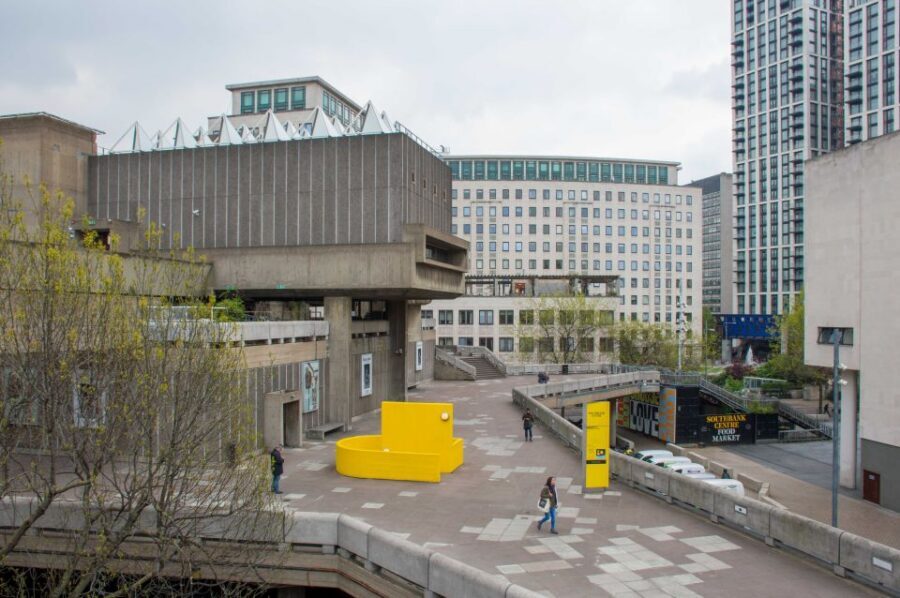
- Photo-friendly exteriors: you’re outside for dramatic buildings, with plenty of chances to frame the National Theatre and other landmark façades
- The broader argument about future use: you’ll hear how authorities, preservation groups, and residents clash over what these buildings should become
- A short Tube hop once: plan for a Zone 1 trip and bring what you need so you’re not scrambling mid-walk
- No interiors: you’ll study shapes, scale, and materials from the street, not inside rooms
Concrete, controversy, and why this tour hits in 2.5 hours
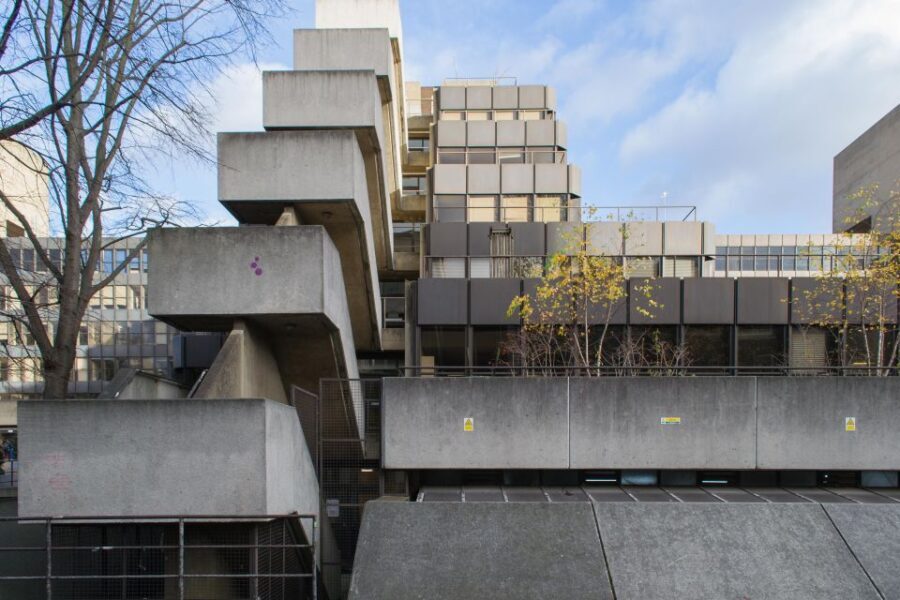
Brutalism has a reputation, and this tour doesn’t try to soften it. In Central London, the style can look like a fortified machine from the outside—big planes, heavy massing, and concrete that’s clearly doing the structural work. That instant visual punch is exactly why a walking tour works: you can react in real time, then have your reaction explained.
I like the pace. At 2.5 hours, you’re not committing to an all-day schedule, but you still get enough time to connect the dots between concrete, Modernist thinking, and the way London rebuilt itself after major upheavals. The best value here is that you’re guided through ideas you might miss if you just read a plaque and walk on.
One more reason it feels efficient: you’re not trying to cram in museum time. You’re outdoors, which means you can stay mobile, take photos, and keep your attention on façades, proportions, and materials.
You can also read our reviews of more walking tours in London



Starting at Russell Square and planning for the one Tube ride
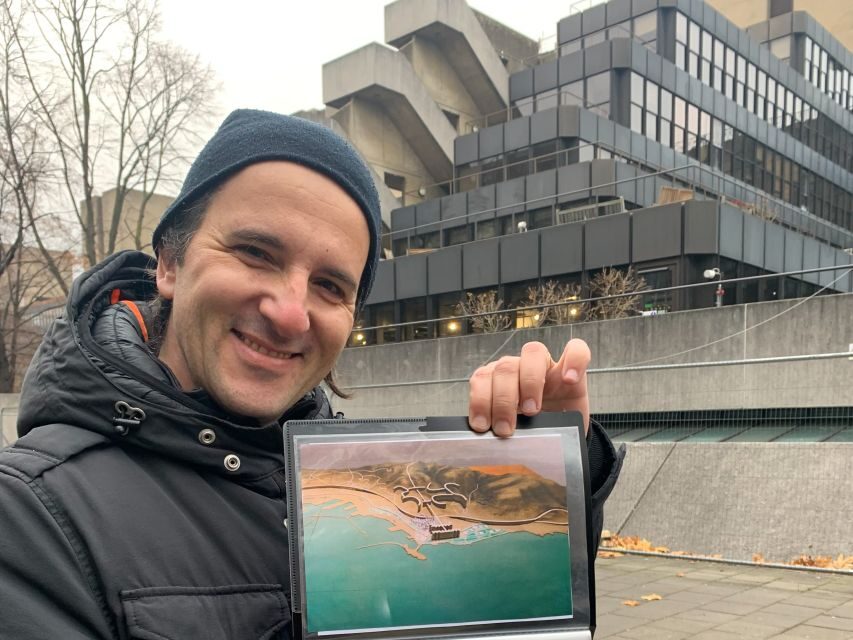
The meeting point is outside Russell Square Underground Station (Piccadilly Line). That’s a practical start because the station is easy to find, and it puts you in a central pocket that works well for a compact architecture route.
The tour uses the tube once for a short journey. The key practical note is that you should make sure you have enough credit for one trip within Zone 1. I’d treat this as part of your logistics plan the same way you’d plan walking shoes: if you arrive with the right transport setup, the walk stays smooth.
The group size is limited to 6 participants, which changes the vibe. With a small group, you’re less likely to feel shuffled along, and Evan can slow down when someone wants clarification. It also helps on tight sidewalks where bigger groups can spread out or block views.
The Brutalist landmarks you’ll see: National Theatre and Institute of Education
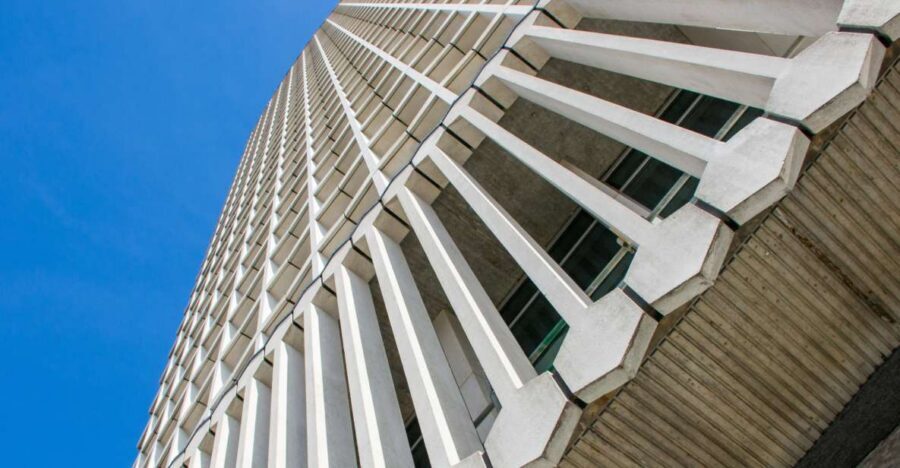
This is the kind of architecture tour where the biggest payoff is the exteriors. You’ll see notable Brutalist buildings in the heart of Central London, including two headline stops: the National Theatre and the Institute of Education.
National Theatre: concrete as drama
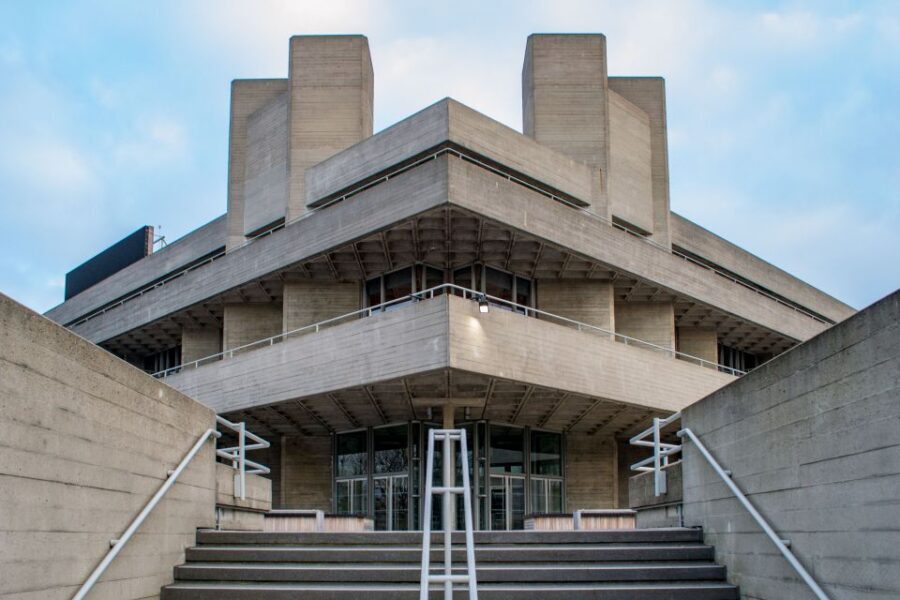
The National Theatre is a photo magnet, but the tour also frames it as more than a camera shot. Evan’s emphasis is on how Modernist monumental design uses mass and material to project cultural confidence. You’ll look at the building’s hard geometry and think about what it meant—socially and politically—to put something so assertive in a major public space in the post-war era.
If you like architecture that looks like it has an opinion, this stop will click fast.
Institute of Education: form tied to purpose
The Institute of Education is another strong example because it helps you understand Brutalism beyond spectacle. The concrete isn’t just a visual style—it’s part of the building’s engineering and its institutional role. You’ll spend time thinking about how design choices reflect practical needs while still making a statement.
You can also read our reviews of more historical tours in London


Additional stops along the route
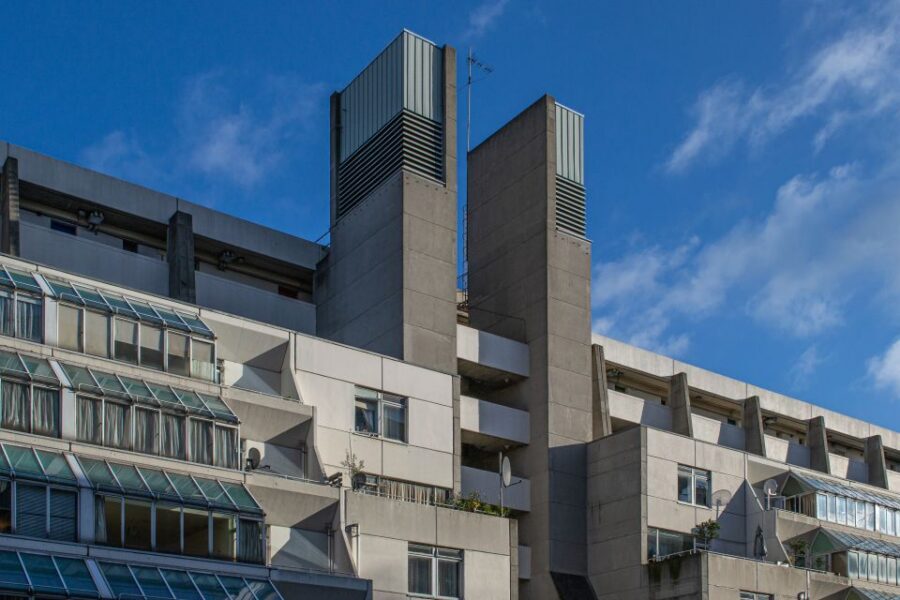
Beyond those named landmarks, the walk includes a sequence of other Brutalist buildings you’ll recognize by their heavy, rugged feel. One detail I’d remember is that Evan has an eye for specific local features—there’s even mention of a Brunswick-related stop where the explanation and attention to details really land.
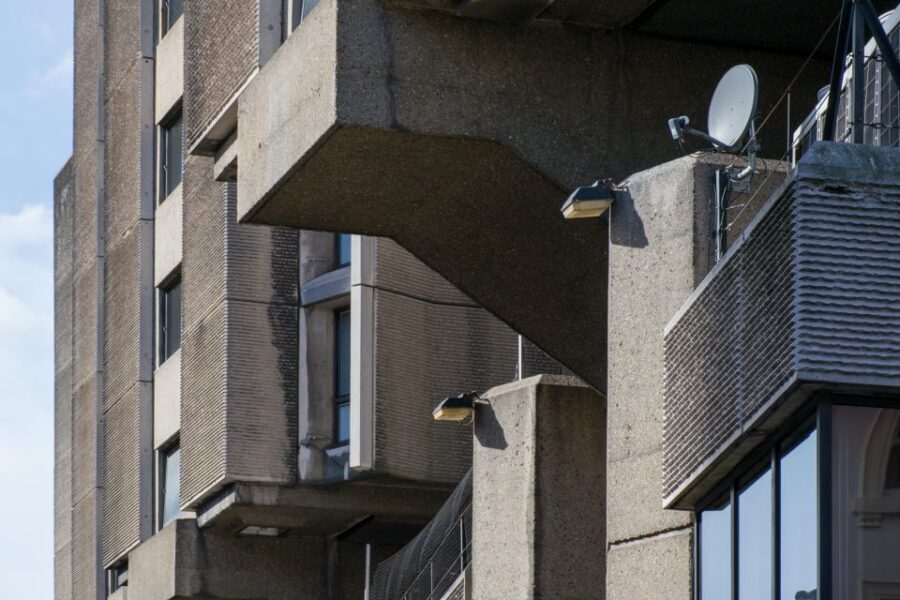
Because you’re not doing interiors, your job as a viewer is to look outward: façade rhythm, structural repetition, and how the building sits in the street.
Brutalism 101: how concrete and Modernism shaped post-war London
Brutalism can feel like an argument in concrete. This tour helps you read that argument.
You’ll learn about the use of concrete in engineering and architecture in modern times, and you’ll connect it to the broader rise of Modernist monumental building. Evan’s approach is to explain not only what the buildings look like, but why concrete became a useful, symbolic material during periods of rebuilding and change.
What’s especially helpful is the link to context: the tour talks about global events that influenced London’s post-war architecture. That matters because Brutalism doesn’t come from nowhere. It grows out of the era’s priorities—reconstruction, social pressure, economic constraints, and new thinking about how cities should function.
You’ll also hear about key characters in European Modernism (without you needing to already know names to enjoy it). The point is to place London’s buildings in a wider intellectual movement, then bring it back down to what you’re looking at on the pavement.
And yes, you may get a moment where Brutalism makes sense, even if you’re still not sure you like it. That’s part of the value: the tour gives you tools to interpret rugged urban fortresses as intentional designs rather than random ugliness.
Beyond style: the social, political, and environmental impacts you’ll hear about
A lot of architecture tours stop at aesthetics and dates. This one pushes into consequences.
You’ll discuss the cultural, social, and environmental impact of Modernist monumental architecture. That means you’ll hear how these buildings were shaped by public needs and public debate, not just by design trends. You’ll also get the sense that Brutalism arrived during a time when cities were trying to solve big problems quickly.
One of the most practical ideas you’ll take away is that buildings like these don’t stay frozen in time. They face real-world pressure over use and upkeep. The tour includes the ongoing struggle among local authorities, preservation societies, and residents about how best to use distinctive buildings in the future.
That’s important for you as a visitor, because it changes how you view what you’re seeing. You’re not just looking at history; you’re looking at something actively negotiated.
Evan’s small-group teaching: why the tour feels personal
Evan is the guide for this experience, and the tone around the tour is consistently that he’s fully invested in the subject. He’s described as enthusiastic and engaging, and the style matters: explanations land better when the guide can connect design choices to human ones—who benefits, who resists, and why.
In a small group of up to 6, you also get a more conversational rhythm. One useful detail is that the tour can adapt depending on what you already know. If you’re bringing a parent, a friend, or someone who’s new to architectural history, Evan can shift the emphasis without turning the experience into a one-track presentation.
I also appreciate that the tour isn’t framed as just names and dates. You’ll hear facts that go past the basics—details that help you see Brutalism as a real system of design decisions rather than a single visual style.
Price and value: $47 for a guided architecture walk
At $47 per person for 2.5 hours, the value comes from three things you actually feel during the experience:
- You get a live guide who explains concrete-driven Modernism, with time for questions in a small group
- You’re covering major Central London landmarks without paying for a longer, more complicated trip
- You get structured context for buildings that are usually understood in extremes (love it or hate it)
You’re also saving money on the “hidden costs” that can eat up value on city tours. This one includes the walking tour and the guide. The only obvious extra you’ll plan for is local transport costs, plus you’ll want a public transport ticket for the tube segment.
If you enjoy architecture, this is a focused spend. If you’re mostly in London for museums, it can still be worth it because Brutalism is one of those city-wide “read the skyline differently” experiences.
Practical considerations: who this fits, and who should skip
This tour is listed as not suitable for children under 16 and for people with mobility impairments. That’s worth taking seriously before you book, since it’s a walking experience and interiors aren’t visited.
If you’re picky about your architectural facts, here’s one consideration. In at least one instance, some specific claims about window bricking and the political framing of a figure (Isaac Hayward) were questioned. That doesn’t ruin the tour, but it’s a reminder: you’re hearing an interpretation in real time. If you want ironclad technical accuracy down to every citation, you might want to pair the walk with your own reading afterward.
Also plan for weather. The walk may be postponed or canceled if conditions are unfavorable.
Should you book this Brutalist architecture tour?
Book it if you want a guided, outside-only way to understand London’s post-war concrete era. I think it’s a great fit if you like street-level architecture, photos, and explanations that connect buildings to real-world events and debates.
Skip it if you need access to interiors, if your group includes someone under 16, or if mobility limits would make a 2.5-hour walk tough. Also skip (or go with open expectations) if you only enjoy highly technical engineering analysis—this tour leans more toward historical and architectural context than hands-on construction detail.
If you’re on the fence about Brutalism itself, this is still a solid bet. The experience is designed to help you see why people argue about these buildings—and why that argument keeps running.
FAQ
Where is the meeting point?
The tour meets outside Russell Square Underground Station (Piccadilly Line).
How long is the London Brutalist Architecture & History Walking Tour?
It lasts 2.5 hours.
What is the price per person?
The price is $47 per person.
What’s included in the ticket?
The ticket includes a walking tour and a guide.
What should I bring?
Bring a public transport ticket, since the tour uses the tube once for a short journey.
Do you visit the interiors of buildings?
No. The interiors of buildings are not visited.
Does the tour use the Tube?
Yes, the tour uses the tube once for a short journey, and you should have enough credit for one trip within Zone 1.
How big is the group and what language is the tour in?
The group is limited to 6 participants, and the tour is a live guide in English.
Who is this tour not suitable for?
It’s not suitable for children under 16 and not suitable for people with mobility impairments.
Can I get a full refund if plans change?
Yes. There is free cancellation and you can cancel up to 24 hours in advance for a full refund.