REVIEW · LONDON
London: Jack The Ripper Walking Tour and Ripper Museum Entry
Book on GetYourGuide →Operated by Top Sights Tours LLC. · Bookable on GetYourGuide
A few streets in London have a long, dark afterlife. This tour pairs the Jack the Ripper Museum with a walk through the Whitechapel backstreets so you can connect what you see on exhibit boards to what’s still standing in the neighborhood. I like the museum’s evidence-style presentation, and I also like how the walk focuses on specific places like alleyways, doorways, and even the pubs tied to victims’ daily lives. The main drawback to plan for is the pace: the walking part can feel pretty brisk, and you’ll want solid English to follow every detail clearly.
The best part is the feeling that you’re moving through the same kind of tight streets people once used, not just viewing them from a brochure. I also appreciate that the tour is built around a live local guide, not just a self-guided audio experience. One thing to keep in mind: the museum portion is multi-floor and detail-heavy, so if you prefer a slower museum browse, you may find yourself moving fast.
In This Review
- Key highlights that matter on the ground
- Entering the East End with a museum warm-up
- The meeting point and how to stay on time at Cable St
- Jack the Ripper Museum: photos, evidence, and the clue that gets repeated
- What you’ll notice once you know what to look for
- Audio help: useful if you’re comfortable with English
- Whitechapel walking route: narrow lanes that still feel Victorian
- What the guide points out on the walk
- A note on pacing and darkness
- The human factor: what a great guide changes
- When guide style might be a mismatch
- Price and value: is $60 a fair trade for four hours?
- What to bring for comfort on Victorian streets
- Who should book this tour, and who might feel off-balance
- How to make the most of the route (without getting lost in the drama)
- Should you book Jack the Ripper Museum + East End walk?
- FAQ
- How long is the London Jack the Ripper walking tour?
- What’s included in the $60 per person price?
- Where is the meeting point?
- Do I need to use a GetYourGuide voucher to enter the museum?
- What should I bring with me?
- Is the tour conducted in English?
- Is the tour wheelchair accessible?
- Is free cancellation available?
Key highlights that matter on the ground
- Museum-first setup so the street walk makes sense before you step outside
- Evidence and police photos featured in the museum, with real “what’s the clue” discussion
- Narrow Victorian East End lanes where the buildings and alleyways have hardly changed
- Doorway clue focus tied to the only clue described during the tour
- Pubs, workplaces, and homes in the route so you see daily life, not just crime scenes
- A fast, live-guide format that works best if you’re comfortable listening to English explanations
Entering the East End with a museum warm-up
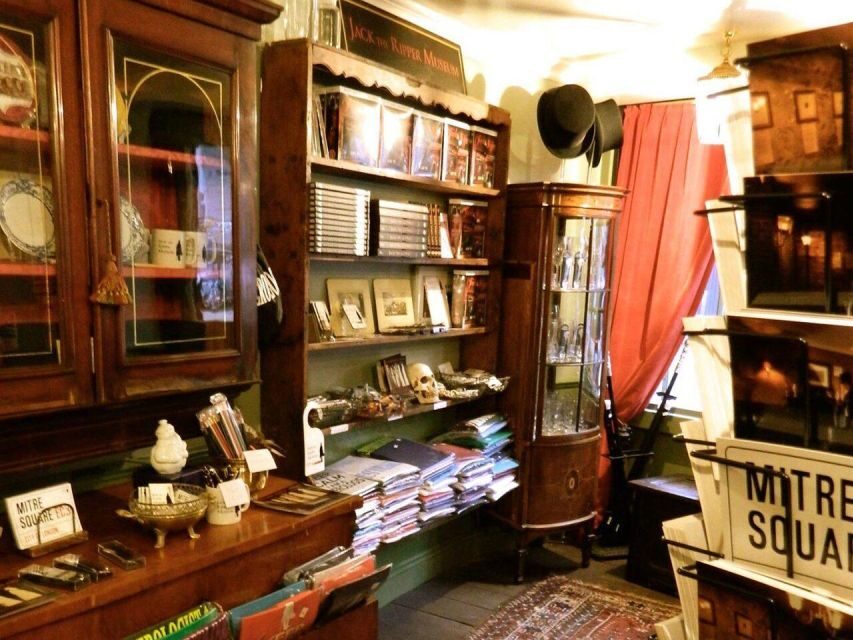
If you start in Whitechapel first, the whole story can feel like a blur of names and dark corners. Starting with the Jack the Ripper Museum is the clever move here because it builds your mental map before you hit the streets.
The museum visit is about learning how the late 1880s murders are explained today, including how investigators tried to make sense of what happened. You’re not just looking at artifacts behind glass; you’re getting a guided walkthrough style experience that sets up the walk so you know what you’re hunting for outside.
You’ll also see a lot of visual material, including police photos of victims and evidence. That matters because it changes the way you look at the surrounding streets. Instead of thinking only about spooky history, you start noticing “place” details that the guide points out while you walk.
You can also read our reviews of more walking tours in London



The meeting point and how to stay on time at Cable St
The tour starts at 12 Cable St, and the museum is your check-in anchor. Your ticket is emailed to you, and you’re meant to show that ticket at the Jack the Ripper Museum entrance.
Here’s the practical tip that prevents stress: do not try to use a GetYourGuide voucher to enter the museum. If you show the wrong thing at the door, you can waste precious minutes while everyone else is moving.
You’ll also want to think about footwear from the start. The route goes through narrow areas and alleyways, and the tour runs for about 4 hours total. Plan for standing and walking time, not sitting time.
Jack the Ripper Museum: photos, evidence, and the clue that gets repeated
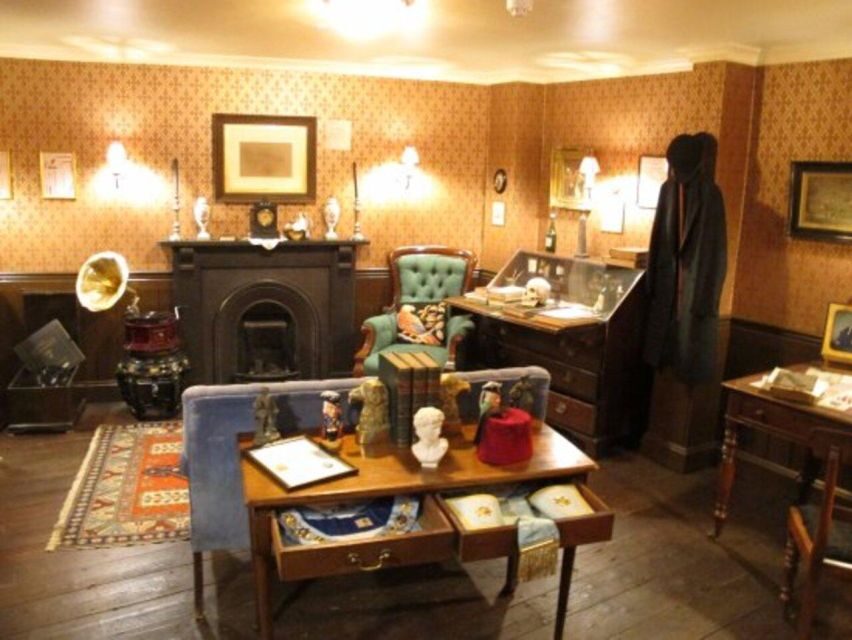
The museum visit is built as a story sequence: you move through multiple sections and you’ll likely spend a good chunk of your time inside. One review specifically notes that the museum goes over multiple floors with lots of details, and that there’s a small brochure available.
That’s useful to know if you’re the type who likes to verify details while you go. You can treat the brochure like a companion, not a replacement for listening to the guide’s pacing and emphasis.
What you’ll notice once you know what to look for
The museum includes:
- Police photos of victims
- Evidence tied to the case explanations
- A highlighted discussion of the doorway where the only clue was found
These points aren’t just “facts on posters.” They guide your attention when you step outside. When the guide later mentions an alleyway or a street corner, you’ll already have a framework for what they mean by clue, evidence, and location.
Audio help: useful if you’re comfortable with English
There’s also an audio guide in English. One review says it can be skipped if your English isn’t perfect, because the overall tour explanation may carry more weight than a separate listening track.
My advice: if you feel like your English is strong enough to follow a live guide, skip the audio. If you want extra reinforcement, bring it up later rather than trying to multitask while the group is moving.
You can also read our reviews of more museum experiences in London





Whitechapel walking route: narrow lanes that still feel Victorian
Once you’re done with the museum, the tour shifts into street mode with a live guide. This is where the experience becomes more than museum content and turns into place-based history.
The route focuses on the Victorian East End, including streets, buildings, and alleyways that have hardly changed since 1888. That phrase is doing real work. When you’re looking at real doorways and tight lanes, your brain has a harder time dismissing the past as “long ago.” You start seeing how geography shapes the story.
What the guide points out on the walk
Expect the walk to include:
- Locations where victims were murdered and found
- Streets and corners where the guide ties in dates and context
- Areas connected to where victims drank, worked, and lived
- Pubs and buildings that show how ordinary life sat next to danger
This is one reason the museum-first approach helps. If you know what the guide is trying to highlight (a specific doorway clue, police evidence photos, and how the case narrative unfolds), the street walk feels like it has direction instead of being a general horror-history loop.
A note on pacing and darkness
One review mentions the tour starts near dusk, which can make the route feel even more atmospheric. If your start time is in that window, you’ll likely find the streets darker and the mood more intense, which can be a big plus for immersion.
The tradeoff is pace. Another review notes that the walking tempo is fairly fast. If you’re someone who hates feeling rushed, you’ll still survive, but you’ll want to come with energy and comfortable shoes.
The human factor: what a great guide changes
A walking tour stands or falls on the guide. This one gets strong marks for how well the route is explained and how comfortably the guide can connect people, places, and the story.
In particular, one review names Sam as a standout guide. The praise isn’t vague either. It focuses on how Sam knows the area and the details about the victims included in the tour narrative, and it reads like genuine passion rather than a script read off a card.
That’s what you should look for when booking a history walk: a guide who can make you understand why a street corner matters, not only what happened there. The best moments tend to be when the guide slows down long enough for you to actually see the doorway, the alleyway, or the building line, then ties it back to what you just saw in the museum.
When guide style might be a mismatch
The reviews also include negative experiences, including a mention that one guide didn’t show up on time for a museum start. There’s also an account of a guide who kept the group movement extremely restrictive.
I can’t predict how your guide will handle your group. Still, my advice is simple: be ready to move at the tour pace, and keep your expectations grounded. This isn’t a sit-and-stroll tour, and it’s not a choose-your-own-adventure history walk.
Price and value: is $60 a fair trade for four hours?
At about $60 per person for a 4-hour experience, you’re paying for two things you can’t easily replicate on your own: museum context plus a guided route through a complicated part of London on foot.
The museum entry ticket is included, so you’re not paying separately just to access the exhibits. And the walking tour component includes the guide’s explanations while you’re standing in place, looking at the same street geometry that shaped the original events.
Is it cheap? No. Is it fair for what you get? It can be, especially if you like structure. If you prefer to explore East End sites independently, you might find you’re paying for the narrative thread more than for “new” sights. But if you want that thread tied directly to doorways, alleyways, and evidence imagery, the price starts to feel reasonable.
What to bring for comfort on Victorian streets
This tour clearly expects you to walk a fair bit through narrow parts of the area. So pack like a practical London walker.
Bring:
- Comfortable shoes (non-negotiable)
- Umbrella if rain is on the forecast
- Food and drinks if you want a personal buffer during a few hours of movement
Also think about quick weather layering. Even if it’s not freezing, you may be outside near dark in parts of the route, and your pace can be fast.
Who should book this tour, and who might feel off-balance
This is a great fit if you:
- Enjoy history that’s connected to real places you can walk to
- Like a structured route rather than wandering
- Want museum evidence material (photos, evidence, and clue discussion) before the street walk
- Are comfortable following explanations in English
It might be a tougher fit if you:
- Need slow pacing and lots of stops to read at leisure
- Struggle with spoken English, since at least one review notes you should understand English fairly well to keep up
- Prefer a lighter mood. This is crime-history territory, and the tour includes discussion of murders and victims
How to make the most of the route (without getting lost in the drama)
If you want this to feel less like a “tour bus story in a trench coat” and more like real place-meaning, do this:
First, focus on the guide’s “why here” moments. The museum sets up what to pay attention to, especially the discussion around evidence and the doorway clue. Then, on the street, look for the same kind of details the guide emphasizes: tight passageways, building fronts, and the way the streets connect.
Second, don’t overpack your brain. You’ll get a lot of information in a few hours. If you try to memorize every detail, you’ll end up exhausted and miss the best visuals. Instead, choose a handful of anchor points: doorway clue, evidence photos, and one or two street locations the guide keeps referencing.
Finally, accept the pace. A fast tour can still be enjoyable if you come ready to move and you let the guide keep the storyline going.
Should you book Jack the Ripper Museum + East End walk?
Book it if you want a museum-to-streets experience where evidence-style context turns into real-world location spotting in Whitechapel. The best version of this tour is when your guide is passionate and clear, and the route makes the neighborhood feel like more than a postcard.
Skip or consider a different option if you prefer slow walking, minimal listening, or you know you’ll struggle to keep up with English explanations. Also keep your expectations realistic: there have been reports of issues with a guide not showing at the agreed time, so be punctual and double-check your ticket and start instructions.
If you’re excited by Victorian East End streets and you like your history with strong place-based storytelling, this is one of the more focused ways to experience it for a single afternoon.
FAQ
How long is the London Jack the Ripper walking tour?
The total duration is listed as 4 hours.
What’s included in the $60 per person price?
You get the East End walking tour with a live local guide and entry ticket access to the Jack the Ripper Museum.
Where is the meeting point?
The starting location is 12 Cable St, and you show your ticket at the museum entrance.
Do I need to use a GetYourGuide voucher to enter the museum?
No. The instructions say to show your Jack The Ripper Museum ticket at the entrance, and not to try to use the GetYourGuide voucher.
What should I bring with me?
Bring comfortable shoes, an umbrella, and food and drinks.
Is the tour conducted in English?
Yes. The live tour guide is listed as English.
Is the tour wheelchair accessible?
Yes, it is listed as wheelchair accessible.
Is free cancellation available?
Yes. You can cancel up to 24 hours in advance for a full refund.