REVIEW · BELFAST
Belfast Troubles : Murals, Street Art, and Peace Wall Tour
Book on GetYourGuide →Operated by Belfastology Walking Tours · Bookable on GetYourGuide
Murals can make a city speak. This Belfast Troubles: Murals, Street Art, and Peace Wall tour connects what you see on walls in West Belfast with why it exists, from street art by international names to the political imagery that shaped daily life. I especially like that you get both street art and the Peace Wall stops, so the walk isn’t just a photo tour—it’s a guided story you can actually walk through with your feet.
The main drawback is that this is inherently political and sometimes emotionally heavy. You’ll pass through areas where tensions are part of the backdrop, and the murals can be controversial, even when the guide keeps the tone balanced.
In This Review
- Key takeaways before you go
- Murals that explain Belfast’s past without needing a lecture
- Meet Marti at 10 Exchange St W: where the tour’s context starts
- Shankhill Road: loyalist murals and the streets that hold the story
- Re-imaging murals: when communities choose what appears on walls now
- Peace gates and the Peace Wall: confronting a border you can walk toward
- Falls Road: political murals, international context, and the art’s message
- Divis Road and finishing near Royal Avenue: seeing the city after the walls
- Value for $35: why this isn’t just a mural walk
- Who should book this, and who might not love it
- Practical advice so your photos and comfort land well
- Should you book the Belfast Troubles murals and Peace Wall tour?
- FAQ
- How long is the Belfast Troubles murals and Peace Wall tour?
- How much does it cost?
- Where do I meet the guide?
- How large is the group?
- Is the tour only in good weather?
- What language is the tour delivered in?
- What should I bring, and is there a cancellation option?
Key takeaways before you go
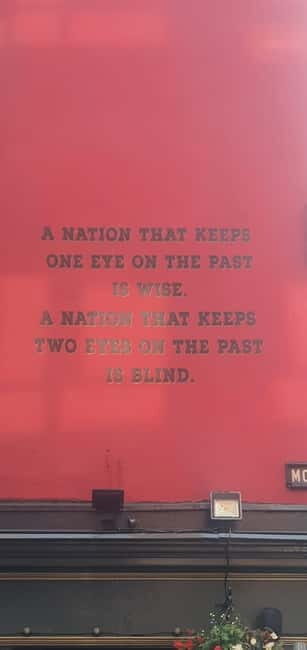
- Small group (max 8) means you can ask questions and pause for photos without feeling rushed.
- Marti leads in English with detailed background at the start, helpful if you want the context behind the paint.
- You cover both sides of West Belfast, including Shankhill and the Falls Road, plus the peace lines.
- Re-imaging murals show how local communities are shaping what goes up on walls now.
- Expect lots of walking—people have clocked around 7,500 steps in the 3-hour window.
- The tour works even in weather that changes fast, since it runs rain or shine.
Murals that explain Belfast’s past without needing a lecture
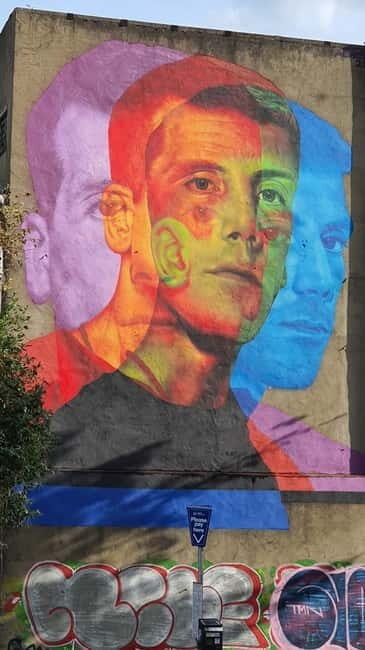
Belfast can feel complicated fast. One reason this tour works so well is that it uses a street-level language you already understand: walls, symbols, faces, and typography. You don’t just see artwork—you learn what the images were doing in their own time, and what they’re trying to do now.
What I like is the balancing act. You get history, yes, but the walk repeatedly brings you back to the practical question: how do communities keep living together while remembering what happened? That’s why stops around the peace lines matter. They’re not just scenery. They’re visible answers to a real question Belfast has been working through for decades.
Also, the pace helps. It’s three hours, in a compact route, with frequent visual moments. You’ll look at murals long enough to understand them, not just glance and move on. And because the group stays small, your guide can tailor explanations when your curiosity lands on one theme more than another.
A few more Belfast tours and experiences worth a look
Meet Marti at 10 Exchange St W: where the tour’s context starts
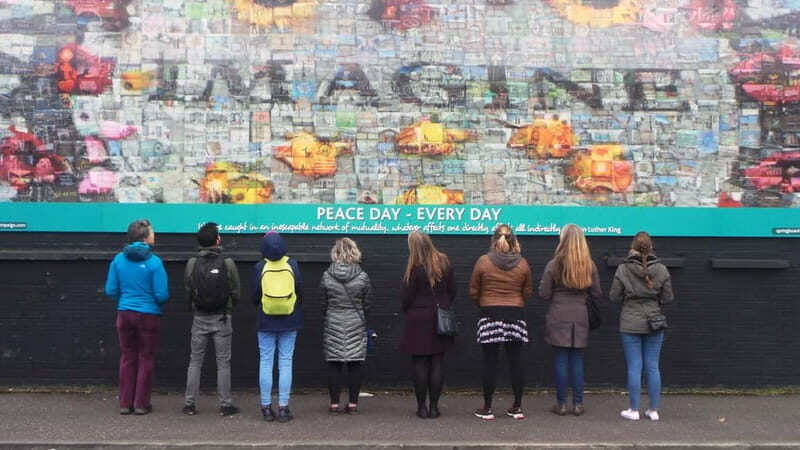
You start near 10 Exchange St W, with the guide meeting you at the entrance to the Mac. Look for the guide with a blue checkered backpack. That first moment matters: this walk isn’t built as an info dump on a bench. It begins by setting context early, before you’re standing in front of political imagery.
Marti’s approach—based on how the tour is described and what people consistently say—leans on clear storytelling and a balanced tone. He explains the Troubles as background you can use, not trivia you forget. In particular, I like that he doesn’t treat murals as isolated art objects. He links them to political movements, community identity, and how people use visuals to communicate when everyday conversation is harder.
One practical benefit: you learn how to read the street details before you hit the denser parts of the route. That makes your photos better too. Instead of shooting a wall full of paint, you’re framing symbols you can later explain.
Shankhill Road: loyalist murals and the streets that hold the story
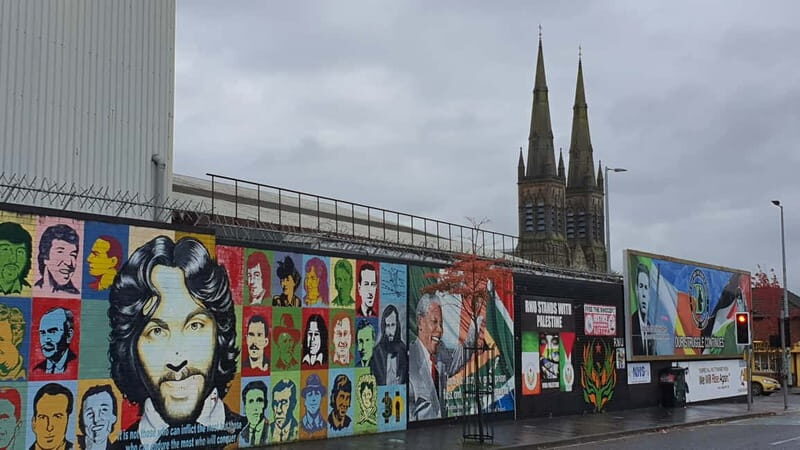
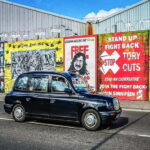
From the start area, you head into West Belfast and make your way toward Shankhill Road. The walk through this part of town includes scenic views along the way, but the real focus is what’s on the walls and what that art represents.
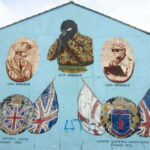
This is where the tour’s value shows up for people who think they already know what political murals are. Murals here aren’t decorative. They’re messages. They mark belonging, honor, resistance, and grief. Your guide’s job is to help you connect the visual cues to the human and political story behind them, without turning the tour into a debate club.
A thing to keep in mind: Shankhill-area streets can feel busy and normal, even when the murals carry heavy meaning. That contrast is part of what makes the walk powerful. You’re seeing how history lives inside everyday life, not frozen in a museum.
Photo note: take your time. The guide’s explanations are what you’ll want later when you review your camera roll. If you rush to snap everything, you’ll miss the part where context clicks.
Re-imaging murals: when communities choose what appears on walls now
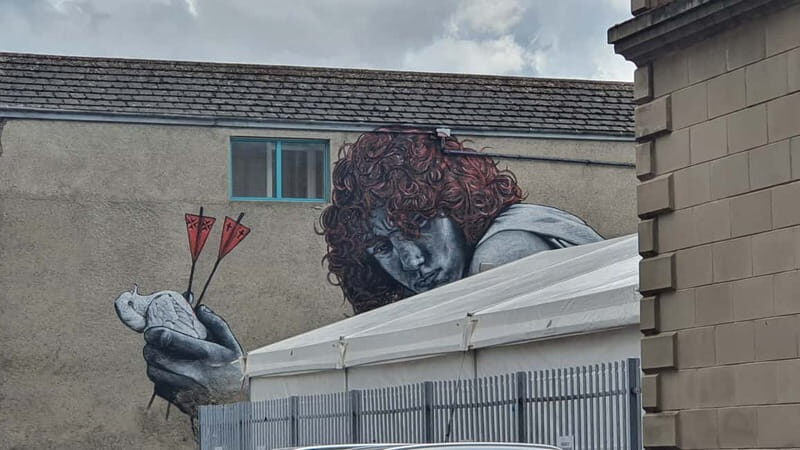
A standout element on this route is the re-imaging project. This isn’t just a label thrown in for variety. It’s presented as a shift in how murals are used—toward art that local communities actually want to share with everyone walking by.
This stop (and the surrounding segments where the guide highlights similar community-driven projects) helps you see the city in motion. Belfast isn’t only looking backward at conflict. The city is also trying to build public conversation through murals that reflect today’s hopes, identities, and relationships.
I find this section especially helpful if you’re worried the tour will only focus on painful history. It does cover the Troubles and political movements, but it keeps returning to the idea of managing peace and supporting communities in the present.
If you’re the type who likes your travel experiences to have a future-facing angle, this part will land well. And even if you’re here mainly for art, it changes the way you look at what you see next—because you’re paying attention to who is shaping the message, and why.
Peace gates and the Peace Wall: confronting a border you can walk toward
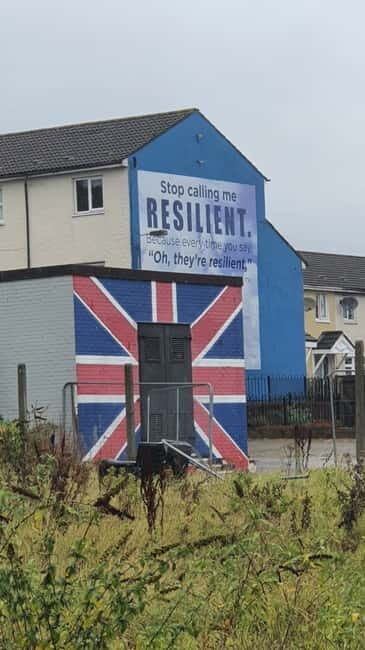
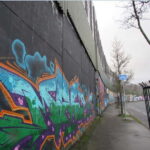
Next comes one of the most talked-about segments: the Peace Walls. You’ll walk to the peace gates and then see the Peace wall itself. The tour also mentions viewing the international wall and the political murals around the nationalist/republican Falls Road area.
Standing near a Peace wall changes your scale. You stop thinking in terms of street art and start thinking in terms of lived separation—physical barriers that shaped how people moved, met, and raised kids. This is where the guide’s balanced framing matters most. You don’t want a one-sided script; you want a clear explanation of what the wall represents and why it became part of Belfast’s everyday geography.
The walk itself is short (about 20 minutes), but it feels longer because it’s visually dense and emotionally loaded. I suggest slowing down here. Don’t try to photograph everything at once. Pick a view, listen, then take a couple of deliberate photos.
Practical tip: if you’re visiting during rain, the wall area is still the wall area. Weather won’t cancel meaning, but it will affect comfort, so plan for it. Comfortable shoes and a jacket that handles wind make a big difference.
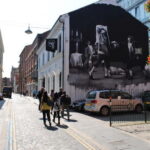
Falls Road: political murals, international context, and the art’s message
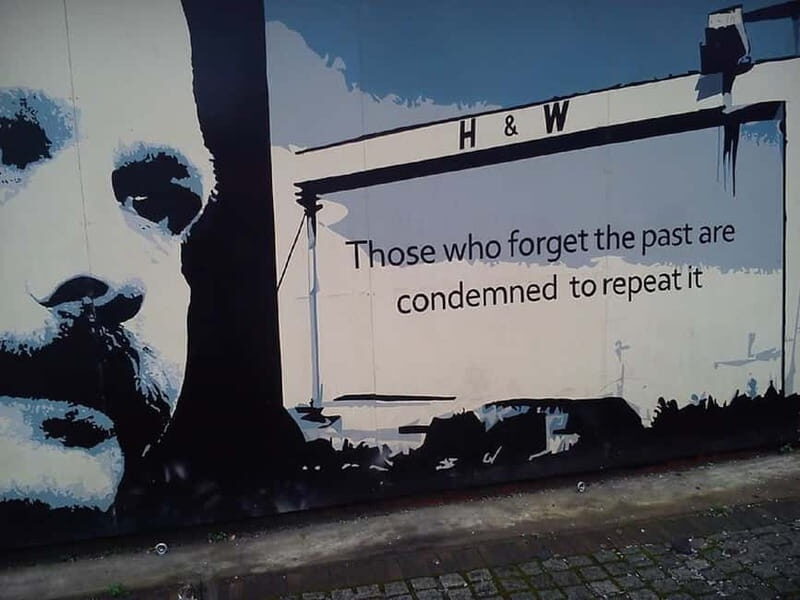
After the Peace Wall segment, you continue through the route that brings you back into the Falls Road side. This is where you’ll see the political murals linked to nationalist/republican history, alongside what’s described as the international wall and other murals in the area.
This part is valuable because it completes the conversation your eyes started earlier. If Shankhill-area murals showed one side of political identity, Falls Road murals show the other. The murals are different in style and symbolism, but they serve a similar purpose: communicating meaning in public space.
One of the reasons this tour gets such strong feedback is that the guide connects the murals to movements and then makes room for complexity. You’re not being pushed toward a single moral. You’re being given tools to understand why people formed identities around political causes, and how those identities still show up in art.
If you like street art beyond politics, this is where you’ll also notice modern influences. People have highlighted the international street art element—so even if you came for history, you’ll likely end up liking the art itself more by the time you leave.
Divis Road and finishing near Royal Avenue: seeing the city after the walls
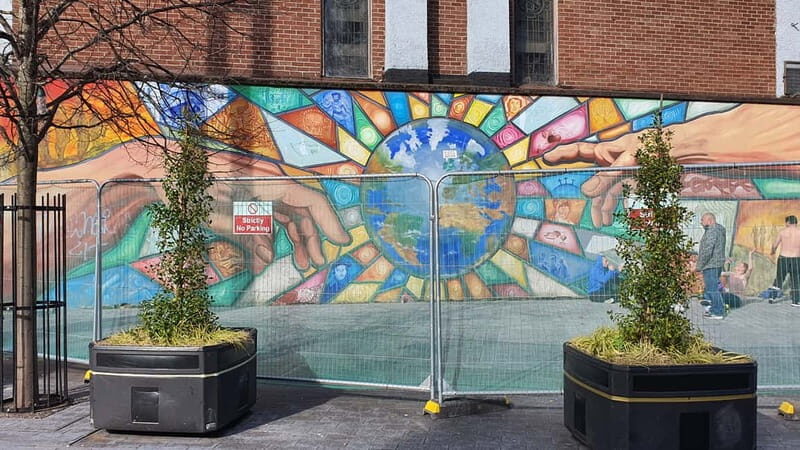
The last stretch includes Divis Road sightseeing for about 20 minutes, then you finish around 2 Royal Ave. Ending near Royal Avenue helps because it transitions you out of the most mural-saturated zones and back toward Belfast’s center.
Divis Road functions like a viewpoint into the city’s geography and daily life after the symbolic heavy stuff. The murals and peace lines are central, but Divis adds context about the wider neighborhood patterns—how people live around barriers and messages, and how the city’s story keeps unfolding block by block.
By the time you reach the finish point, you’re also in a good position to continue exploring. Many people find the walk is a strong first-day move because it gives you bearings fast. You understand why certain areas look the way they do. You also start recognizing the difference between murals that reflect political memory and murals that reflect current community priorities.
And if you want to keep the momentum, use the guide’s local suggestions. The tour experience is designed to point you toward what to do next, not just what to see during the three hours.
Value for $35: why this isn’t just a mural walk
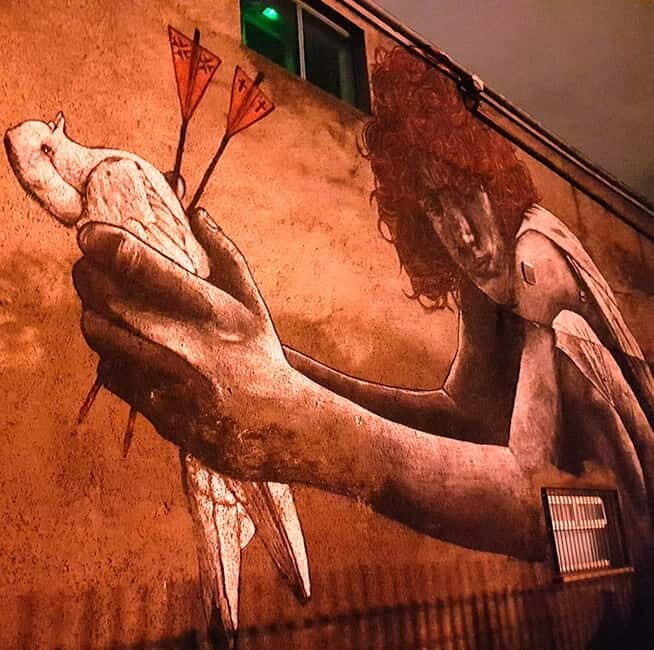
At $35 per person for a 3-hour guided route, the best way to judge value is not the price tag—it’s what you get for it. You’re buying:
- A route that covers major mural clusters you wouldn’t naturally stitch together on your own.
- Interpretation, including an early explanation of the Troubles and ongoing context during stops.
- A small group format, limited to 8 participants, so you can ask questions and pause.
- High photo payoff, since the tour is built around lots of photographic opportunities.
The biggest value is the guide’s ability to explain the “why” behind the “what.” If you walk these neighborhoods without context, you’ll still see impressive art. But you won’t get the layered meaning—especially around the political murals and peace-line symbolism.
Also, English instruction is part of the deal, and the tour notes that participants should have a good level of English. That matters because the explanations are described as complex and detailed at the start. If your English is solid but you want to avoid frustration, show up ready to listen closely and ask for clarification if something feels unclear.
Who should book this, and who might not love it
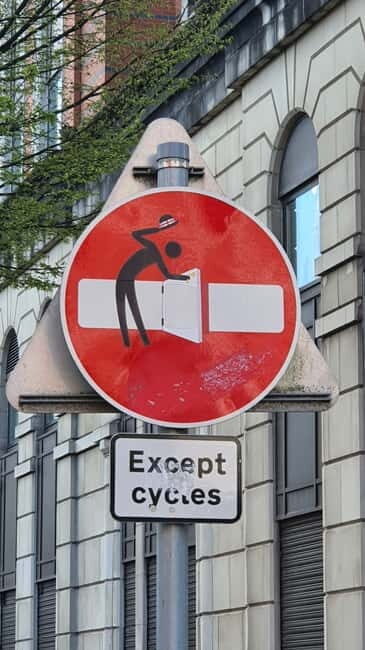
This tour is a great fit if you want Belfast beyond guidebook highlights. It’s also a smart choice if you care about how art functions socially—how it communicates identity, grief, politics, and hope.
It’s especially suitable for:
- People who like walking tours with serious context.
- Art lovers who want political murals explained in a respectful, balanced way.
- First-timers who want to understand why Belfast looks the way it does.
It might be less ideal if you want a light, purely entertainment-focused afternoon. This walk includes controversial imagery and the emotional weight of the Troubles. You should be ready for that, and you should be comfortable walking through neighborhoods where people have lived with those realities.
Practical advice so your photos and comfort land well
The tour runs rain or shine, and Belfast weather really can change quickly. Plan for that. Wear shoes you’re happy to walk in for several hours on uneven sidewalks and in slick conditions if it rains.
Bring:
- A charged phone or camera, and a small pack for weather.
- A jacket you can layer, since wind can make it feel colder than it looks.
- Patience for pauses—good photos come after good listening.
Etiquette tip: take photos without blocking walkways. When you see the peace-line areas, keep a respectful distance and follow the guide’s cues. These places matter to local communities, even when you’re just passing through.
Should you book the Belfast Troubles murals and Peace Wall tour?
Yes, if your goal is to understand Belfast through street art and the public language of politics, this is a strong pick. The small group size, the guided context from Marti, and the mix of political murals with community-driven projects like re-imaging makes it more than sightseeing.
Consider skipping it (or booking with extra mental readiness) if you’re looking for a casual day with no heavy subject matter. You’ll see controversial murals and walk near peace-line structures, and you should expect that to feel intense.
If you do book it, treat it as the foundation for the rest of your trip: after the walk, you’ll have better instincts for what you’re looking at, where to spend extra time, and what questions to ask next.
FAQ
How long is the Belfast Troubles murals and Peace Wall tour?
It lasts 3 hours.
How much does it cost?
The price is $35 per person.
Where do I meet the guide?
Meet at the entrance to the Mac at 10 Exchange St W. The guide has a blue checkered backpack.
How large is the group?
It’s a small group, limited to 8 participants.
Is the tour only in good weather?
No. The tour runs in rain or shine, so dress for changeable Belfast weather.
What language is the tour delivered in?
The tour is delivered in English.
What should I bring, and is there a cancellation option?
Bring comfortable shoes for walking. You can cancel up to 24 hours in advance for a full refund.