REVIEW · LONDON
Westminster Abbey Skip-the-Line Entry and Private Tour
Book on GetYourGuide →Operated by Urban Saunters Ltd · Bookable on GetYourGuide
Westminster Abbey hits different when you skip the crowd. In just 2 hours, you get a private, guided sweep through coronation history, royal burial spots, and famous graves—from Chaucer to Hawking—plus a guided look at the 700-year-old coronation chair.
Two things I really like about this tour are the focus on big moments with names you actually recognize, and the way the guide turns stone, text, and symbols into a story you can follow. One thing to consider: the Abbey is a working church, and short-notice closures can happen, so plan to stay flexible if your timing is tight.
Key highlights you should care about
- Skip-the-line access via a separate entrance so you spend less time stuck at the gate
- Coronation timeline from William the Conqueror through Charles III, not just random stops
- Royal tomb focus, including the Tudor dispute between Queen Elizabeth and Mary
- Famous authors and scientists: Chaucer, Kipling, Dickens, Newton, Hawking, and Darwin
- Architecture stops for flying buttresses, gargoyles, and views from the 13th-century triforium
- Big-photo moments indoors without hunting—Henry VII Chapel and the stonework details are built in
In This Review
- Westminster Abbey in 2 hours: how the story actually lands
- Meeting point and skip-the-line flow that saves your energy
- Coronations: from William the Conqueror to Charles III
- The 17 royal weddings angle and why it feels different here
- Tudor feuding at the tombs: Elizabeth and Mary
- Famous graves: Chaucer, Kipling, Dickens, Newton, Hawking, Darwin
- Galleries secrets, Henry VII Chapel, and the stonework details
- Flying buttresses, gargoyles, and triforium views
- Price and value: what $337 per person is really buying
- Who should book this private Westminster Abbey tour
- Should you book? My straight answer
- FAQ
- How long is the Westminster Abbey skip-the-line private tour?
- Where do I meet the guide?
- What’s included in the price?
- Can I take photos or record video inside?
- Is the tour suitable for wheelchair users or mobility impairments?
- What should I bring?
Westminster Abbey in 2 hours: how the story actually lands
Westminster Abbey can feel like overload. There’s so much to see that it’s easy to end up doing the museum version of sightseeing: glance, move, forget. This private format helps you avoid that. You’re not just ticking off sights—you’re walking through a guided line of meaning.
You’ll get an overview of about 1000 years of British history and culture, tied to the places inside the church. That matters because Westminster isn’t a theme park. The building is the archive. When someone points out why a coronation place matters, or who is buried where, it suddenly turns into a coherent timeline rather than a list.
And the tour’s “name density” is part of the appeal. Seeing burial places connected to royalty, authors, and scientists in one guided flow means you leave with a sense of how power, culture, and ideas crisscross here.
Meeting point and skip-the-line flow that saves your energy
You meet your guide outside the official Westminster Abbey shop at the base of the western side of the Abbey. The guide will be holding an Urban Saunters sign. Getting this right at the start is half the battle—Westminster is crowded, and navigation mistakes cost real time.
The main practical win is the skip-the-line entry through a separate entrance. In plain terms: you trade waiting in the public queue for starting your tour and settling into the story faster. That’s a big deal on a 2-hour schedule, because every minute counts.
One more practical note: you’ll want comfortable shoes. You’re walking inside a historic complex that’s not designed for long, casual wandering. Bring water, and dress for rain or shine since the tour runs in bad weather too.
You can also read our reviews of more private tours in London


Coronations: from William the Conqueror to Charles III
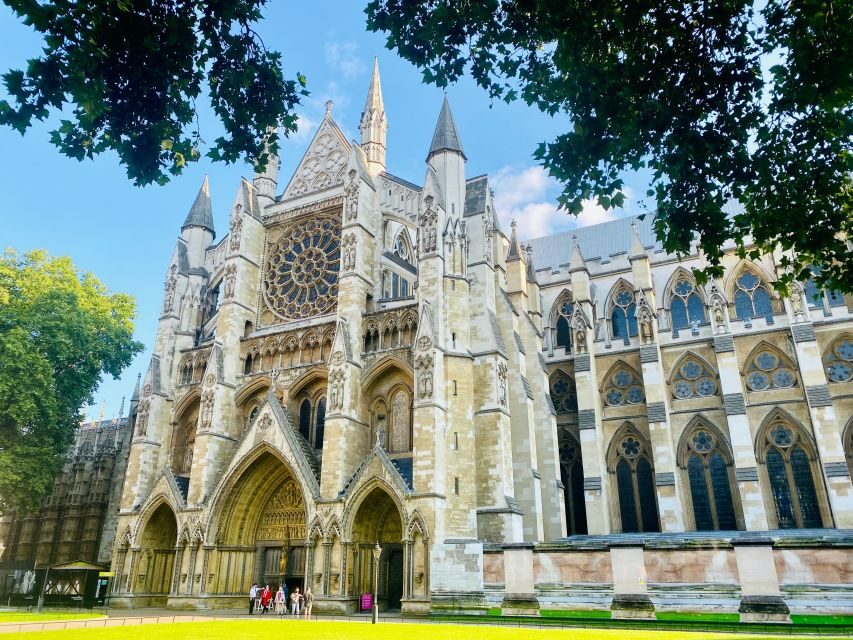
If you’ve only seen Westminster Abbey in pictures, you might think it’s mainly royal tombs. It’s also a coronation stage that shaped the country’s image of legitimacy. This tour makes that connection fast.
You’ll find out where every coronation from William the Conqueror to Charles III took place. The names alone carry weight, but the real value is learning the location logic inside the Abbey—because coronations weren’t just “events.” They were carefully staged statements, and Westminster Abbey was the setting that turned those statements into tradition.
A standout stop is the 700-year-old coronation chair. Even if you know the phrase coronation chair, seeing it as a physical object tied to ceremony helps you understand why people treated these rituals as serious national theater.
The 17 royal weddings angle and why it feels different here
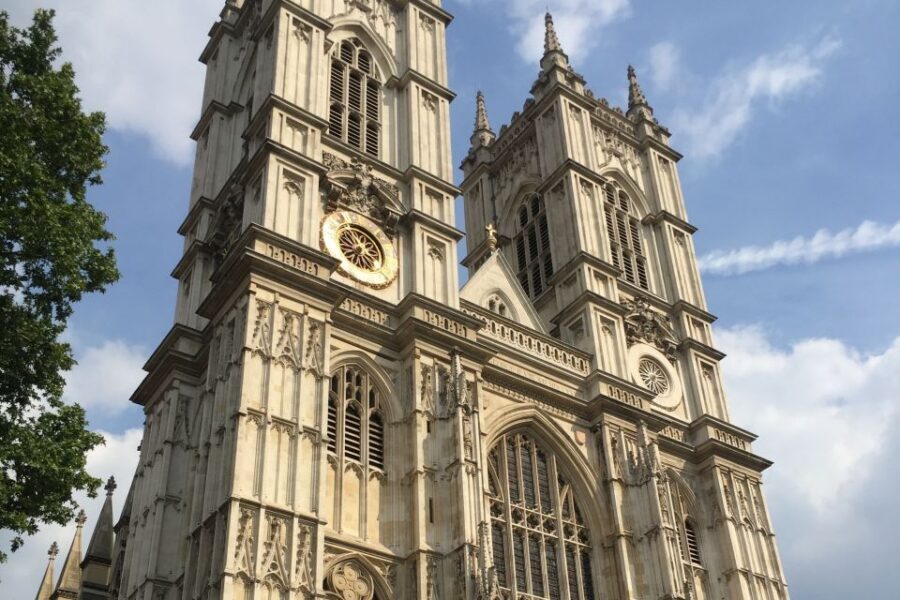
The Abbey isn’t only about coronations. It’s also about marriage as a public political event. Your guide will bring you through the “romance of the setting” for seventeen royal weddings, including the wedding of William and Kate.
Here’s why that matters: in Westminster, the same rooms and chapels that carry power also carry emotion. When you connect the ceremony dates and the family connections to the architecture, you stop seeing it as a cold building and start seeing it as a stage where history happened in real people’s lives.
If you’re coming with someone who’s not into church buildings for their own sake, this section is often the easiest sell. It’s more relatable than pure genealogy.
Tudor feuding at the tombs: Elizabeth and Mary
This is one of the most dramatic-feeling areas of the tour. You’ll be shown the burial place connected to the Tudor siblings, Queen Elizabeth and Mary.
Tudor history is packed with conflict, and it’s not just political trivia. It shows up in how the past is remembered and claimed. Watching the guide link the tombs to the broader struggle gives you context for why their names still land hard in modern conversations.
Also, don’t treat these stops like simple sightseeing. The Abbey’s layout encourages you to notice symbols and relationships—who is near whom, where memorials sit, and how space is used. That’s where the private guide format pays off. You’ll get explanations tied to what you can actually see in front of you.
Famous graves: Chaucer, Kipling, Dickens, Newton, Hawking, Darwin
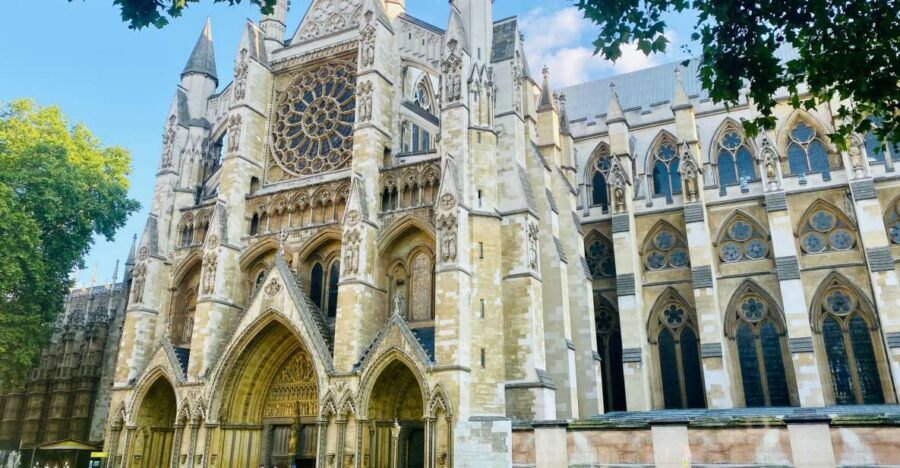
This is the part that surprised me as a concept—because the Abbey’s story isn’t only monarchs and bishops. Your tour will take you to the final resting places of Geoffrey Chaucer, Rudyard Kipling, Charles Dickens, Isaac Newton, Stephen Hawking, and Charles Darwin.
It’s a powerful mix: literature, science, ideas, and belief. And Westminster becomes a reminder that public life in Britain wasn’t only about rulers. It was also about writers who shaped language and thinkers who changed how people understood the world.
The practical benefit for you is clarity. If you’re trying to sort out who belongs in the “Abbey story,” this tour does that sorting in one go. You don’t need to guess. Your guide connects names to locations and tells you what to look for.
A few more London tours and experiences worth a look





Galleries secrets, Henry VII Chapel, and the stonework details
Beyond the main spaces, the tour includes the galleries and the chance to see the Abbey’s “secrets” in the places many people miss. This is where you start noticing how the building works as a system—height, sightlines, and architectural decisions that influence what people experienced when they were there.
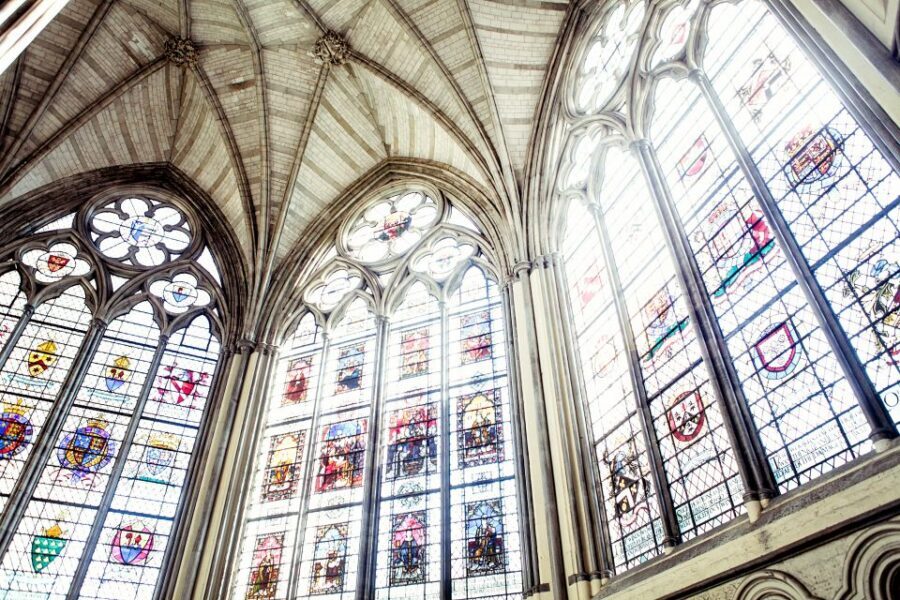
You’ll also visit major highlights such as the Henry VII Chapel, along with stops tied to 16th-century stonework and portraits of modern martyrs. The chapel is visually impressive, but the real value is understanding why those decorative choices matter. They’re not just ornament; they guide attention and communicate messages about faith, status, and remembrance.
If you’re worried about getting lost in a huge church, this is a tour win. Your route is already shaped around the most meaningful interior spaces.
Flying buttresses, gargoyles, and triforium views
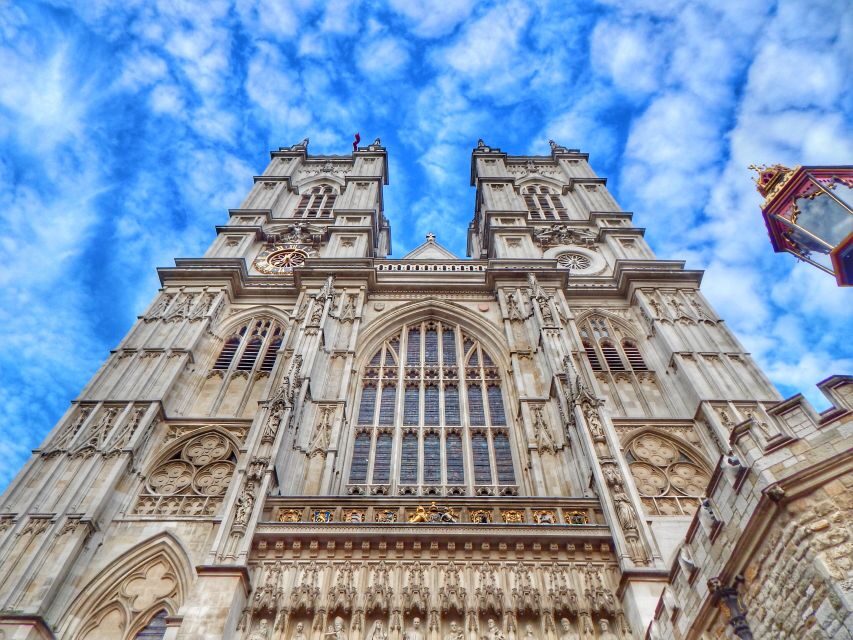
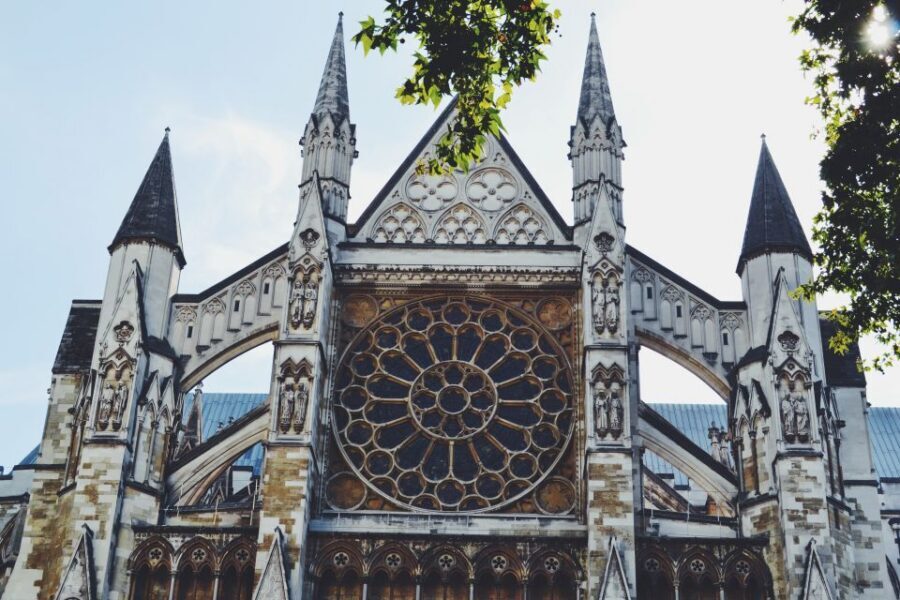
Let’s talk about the outside shell, because it’s more than background. You’ll see the flying buttresses and ornately carved gargoyles—details that can look like pure decoration until you learn what role they play in keeping the structure standing and communicating craftsmanship.
Then there’s the view from the 13th-century triforium. Triforium views tend to give a different perspective on church space—more layered, more architectural, less “flat looking down.” It helps you understand how Westminster Abbey is built for both gathering crowds and awe-inspiring sightlines.
One quick caution: the Abbey is an active church and parts can be affected by opening hours or short-notice closures. If something is temporarily closed, your guide may adjust on the spot.
Price and value: what $337 per person is really buying
At $337 per person for a 2-hour private tour, this isn’t a budget activity. So the real question is value, not cost.
You’re paying for three things that add up fast:
- A Blue Badge guide (English-speaking) who keeps the story straight
- Entrance tickets included, so you’re not juggling add-ons
- Skip-the-line entry that matters a lot in a time-limited visit
If you like guided explanation and want to see specific graves and coronation-related spaces without spending your entire day researching, the price starts to make sense. If you’re the type who enjoys wandering quietly and reading everything slowly, you might get more satisfaction with self-guided time.
Also, because it’s a private group, you can adapt pace to your questions—one of the best parts of paying for a guide, even when you’re short on time.
Who should book this private Westminster Abbey tour
This tour is a good fit if:
- You want the Abbey to feel like a coherent story, not a checklist
- You care about specific names and eras, like the Tudors and major writers/scientists
- You’d rather spend your limited time on guided access than queueing and figuring things out
It’s likely not a good fit if:
- You need wheelchair access or mobility support, since it’s listed as not suitable for wheelchair users or people with mobility impairments
- You expect to record video or take photos inside, because video recording and photography inside aren’t allowed
From the practical side, it’s also ideal if you’re traveling with kids who need structure. One standout detail from the guide praise: Trudy is highlighted for making the tour fun for three daughters (ages 8, 11, and 14) while still keeping the information clear.
Should you book? My straight answer
Book it if you want maximum meaning per minute. Skip-the-line access plus a private guide is a smart combo for Westminster Abbey, especially when you already know you want the coronation chair, major chapels, and the graves connected to well-known names.
Skip it if your style is slow and independent. If you’re happy to wander and read on your own, a self-guided visit could feel less restrictive. Also, if your schedule is extremely rigid, remember the Abbey is a working church and can face short-notice changes.
FAQ
How long is the Westminster Abbey skip-the-line private tour?
It lasts 2 hours.
Where do I meet the guide?
Meet your guide outside the official Westminster Abbey shop at the base of the western side of the Abbey. The guide will be holding an Urban Saunters tour sign.
What’s included in the price?
The tour includes an English Speaking Blue Badge Guide and entrance tickets.
Can I take photos or record video inside?
No. Video recording and photography inside are not allowed.
Is the tour suitable for wheelchair users or mobility impairments?
No. It is listed as not suitable for people with mobility impairments and wheelchair users.
What should I bring?
Bring passport or ID card (and children’s ID as well), comfortable shoes, water, and weather-appropriate clothing. The tour runs rain or shine.