REVIEW · BATH
Bath: Private Walking Tour
Book on GetYourGuide →Operated by Footprints Tours · Bookable on GetYourGuide
Bath rewards slow walking. This private tour is a simple, effective way to see the city’s top landmarks while a guide adds stories that make the stones feel personal.
I especially like the customizable feel of the walk, because you can nudge the route toward what you care about most. I also like the one-on-one attention—it’s the kind of setup where questions don’t get lost in a crowd, and the guide can keep things clear even when you’re tired from sightseeing.
One thing to consider: if you’re hoping for a deep, Jane Austen–heavy experience, the time is limited. You’ll hear about her connection to Bath, but the walk stays broad across Bath’s major sites.
In This Review
- Key highlights to look for
- Bath Abbey to Pulteney Bridge: the walk starts strong
- Roman Baths orientation: seeing the 2,000-year story in order
- Thermae Bath Spa and the reason people came for the water
- Bath Abbey entry: Edgar window stories that change the mood
- Jane Austen connection and Royal Crescent: ending with architectural drama
- What $101 gets you: value for a private 2-hour walk
- Who should book this Bath private tour?
- Should you book this Bath Private Walking Tour?
- FAQ
- Where does the tour start?
- How long is the private walking tour?
- Is the tour private?
- What does the ticket include?
- Will the tour run in bad weather?
- Is it wheelchair accessible?
Key highlights to look for
- Meeting at Bath Abbey so you start with the city’s spiritual and architectural core
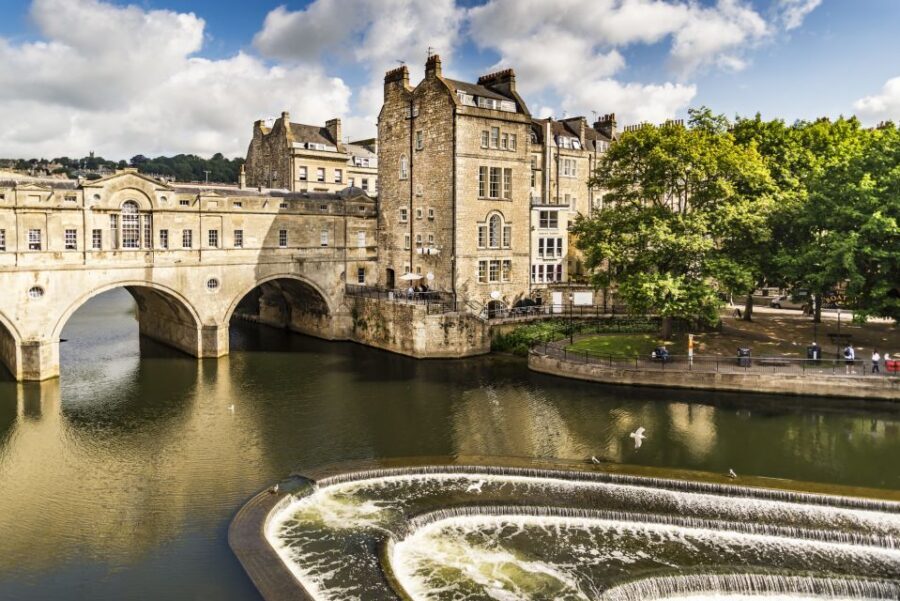
- Pulteney Bridge crossing that sets the tone with dramatic views right away
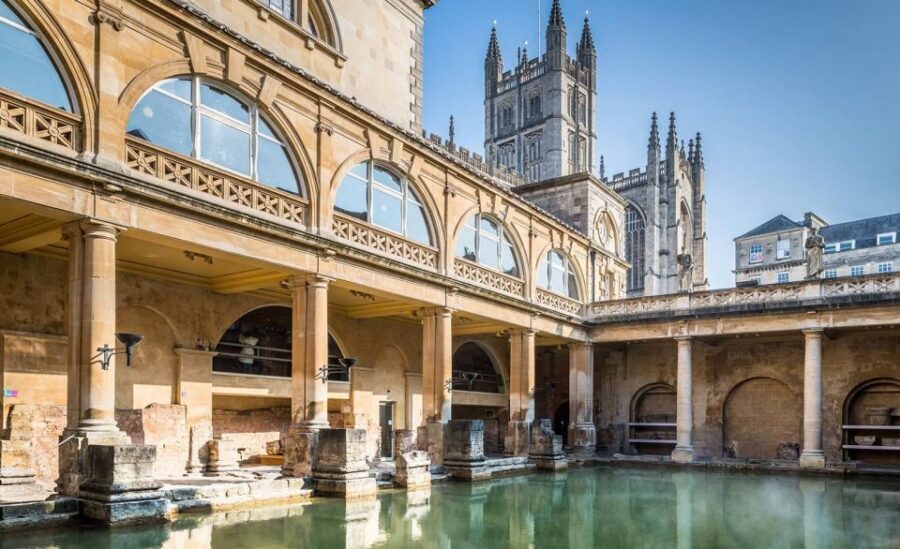
- Roman Baths context that helps you understand what you’re looking at, even if you don’t go deep inside
- Thermae Bath Spa pass-by views that explain why Bath’s waters mattered for centuries
- Bath Abbey’s Edgar window and stories that add punch to the building’s complicated past
- Royal Crescent finish that closes the tour on a big, photo-ready architectural statement
Bath Abbey to Pulteney Bridge: the walk starts strong

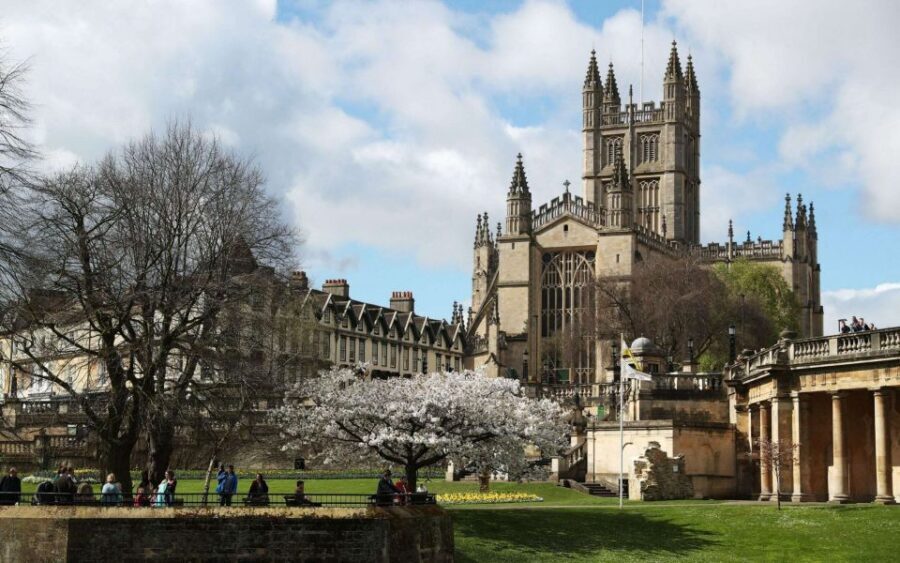
The tour meets outside the main door to Bath Abbey. It’s a smart starting point because it anchors you in Bath right away: you’re not just walking past sights, you’re starting with one of the city’s most recognizable symbols and working outward from there.
From the start, the vibe is practical. You’ll meet your guide, then get moving on foot. And since it’s rain or shine, the route is designed for real weather, not perfect conditions and perfect photos. I’d wear good walking shoes—Bath’s old streets can be a little uneven underfoot, especially if the weather turns.
Right after that, you’ll cross Pulteney Bridge. This is one of those Bath moments where architecture does the talking. The bridge gives you a classic sense of the river crossing, and it also acts like a visual warm-up: once you’ve crossed, the rest of the city’s Roman-era and Georgian-era features start clicking together in your head.
If you like mornings, this tour can fit nicely. One review referenced an early start at 8:30am, with the city feeling almost deserted—ideal for spotting details without weaving through large crowds. Even if your start time differs, the early-day advantage is real in Bath.
You can also read our reviews of more walking tours in Bath



Roman Baths orientation: seeing the 2,000-year story in order
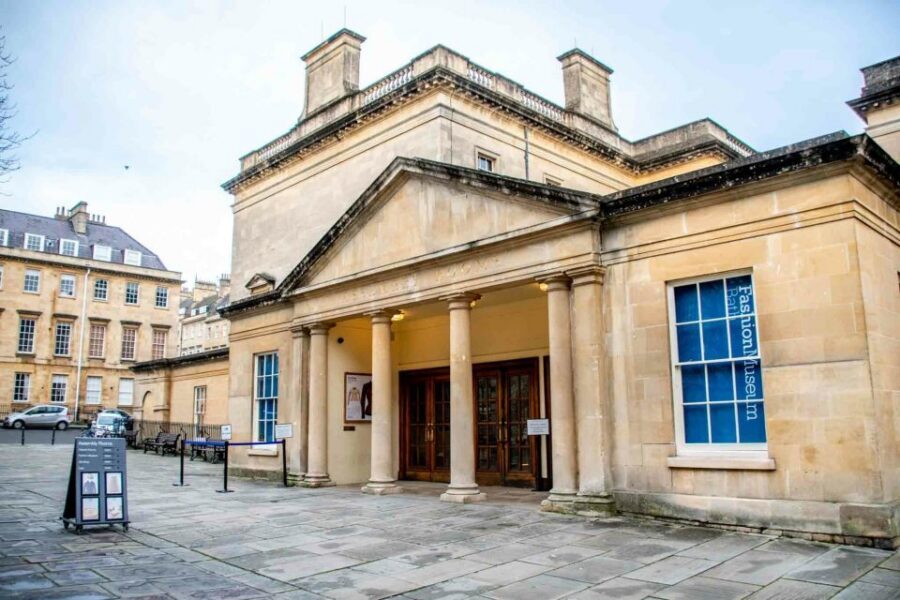
Bath’s UNESCO status isn’t just a label—it’s a promise that the city has layers, and your guide helps you read those layers in a way that feels logical. After Pulteney Bridge, you’ll move into the area tied to the Roman Baths, where you’ll learn about what the site meant and how it fit into Bath’s long timeline.
Here’s why this part matters: the Roman Baths are famous, but they can also be confusing if you just show up and look. A guide’s job is to connect the dots so you understand what you’re seeing—how the Roman presence shaped Bath’s identity, and why people came to this place long before modern tourism showed up.
You’ll also get a sense for how Bath’s later eras built onto the older city. Bath doesn’t feel like one straight period of time. It feels like someone kept adding chapters to the same story, and each chapter leaves visible fingerprints. The tour keeps that sense of chronology clear, without turning it into a lecture.
You may not spend a lot of time inside every single site on this walk (the big entrance included is for Bath Abbey), but the guide’s explanations are timed to what you can actually see from the street and nearby viewpoints. That makes it more efficient, especially if you only have two hours.
Thermae Bath Spa and the reason people came for the water
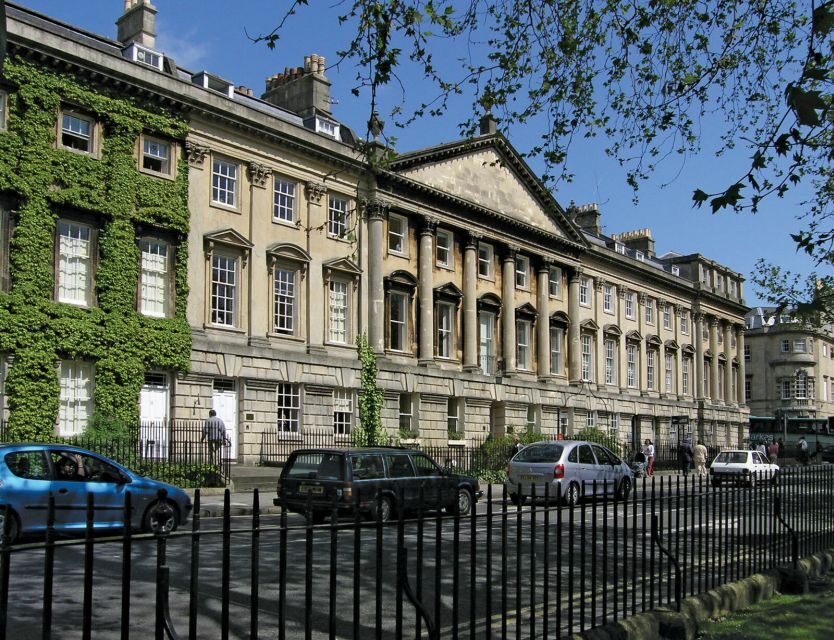
As you continue, you’ll pass the Thermae Bath Spa. Even from the outside, the spa helps explain something Bath does better than many English cities: it connects beauty to a reason.
Bath’s thermal water isn’t a side story. It’s a core reason the city mattered—historically and culturally. When you hear how Bath’s thermal heritage is tied to public bathing traditions and long-term health beliefs, the city starts making more sense. The spa building itself also gives you a clean visual marker for where modern Bath stands in relation to its ancient roots.
I like this stop because it keeps the tour from becoming only “look at the historic stuff.” Instead, you get a human reason—why people were here in the first place. It’s the difference between sightseeing and understanding.
Also, it’s a good moment for photos. The architecture near the spa area gives you strong shapes and recognizable Bath vibes, and your guide can point out angles and details so you don’t waste time hunting.
Bath Abbey entry: Edgar window stories that change the mood
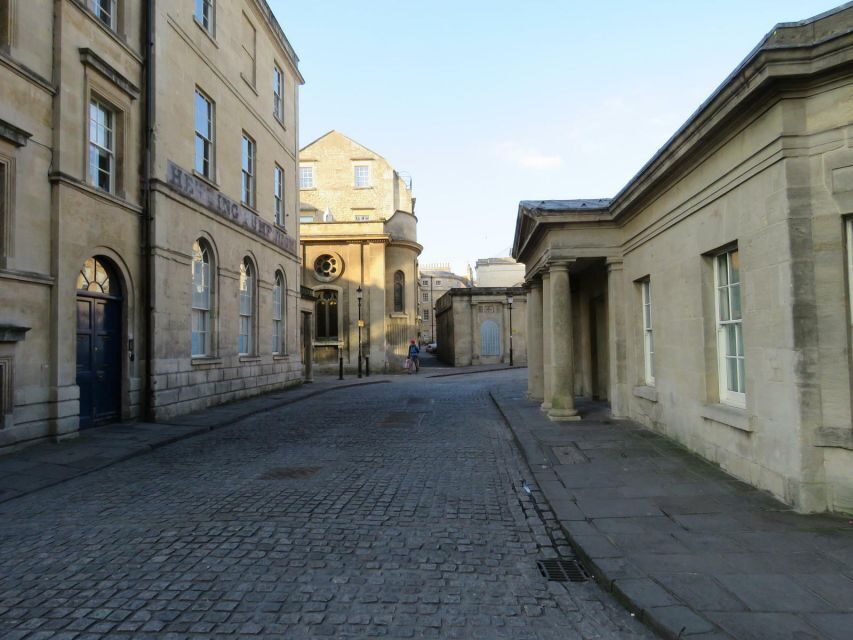
The highlight of the cultural grounding is Bath Abbey, and this tour includes entrance to Bath Abbey. That matters for value: you’re not just passing it and reading a sign. You get access to the interior features while your guide points out what to notice.
One major focus is the Edgar window in Bath Abbey. The guide shares stories about its presence and the building’s more complicated, turbulent past. Even without going heavy into technical detail, these kinds of stories make a huge difference. They shift the Abbey from an attractive building into a place that has survived change—repairs, setbacks, and eras of attention that all left marks.
I’ve found that when a guide ties a specific feature (like a window) to the broader building story, you remember it longer. You’re not just looking at a pretty interior. You’re learning what it represents and why it carries that visual weight.
If you’re traveling with kids, this kind of stop can work well. One family specifically called out how their two children (aged 12 and 10) enjoyed the tour—often because guides can tailor explanations on the fly and keep the pacing moving.
And since the tour is private, you can slow down inside Bath Abbey if you want a bit more time with the details.
Jane Austen connection and Royal Crescent: ending with architectural drama
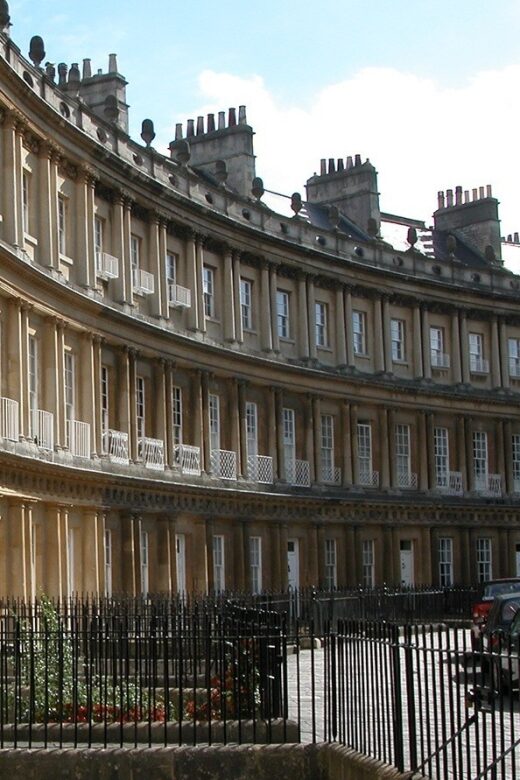
Near the end, you’ll hear about Jane Austen’s connection to Bath. This is a nice add-on if you enjoy British literature tied to real places. It’s also a good reminder that Bath wasn’t just a spa city for the Romans. It kept evolving into a place where social life and culture mattered too.
That said, it’s worth aligning expectations. A review noted there wasn’t a lot of Jane Austen detail, and if that’s your main interest, you may want to plan additional time in the city afterward. For people who like literature but also want the big architectural icons, the Austen mention is a satisfying thread—not the whole sweater.
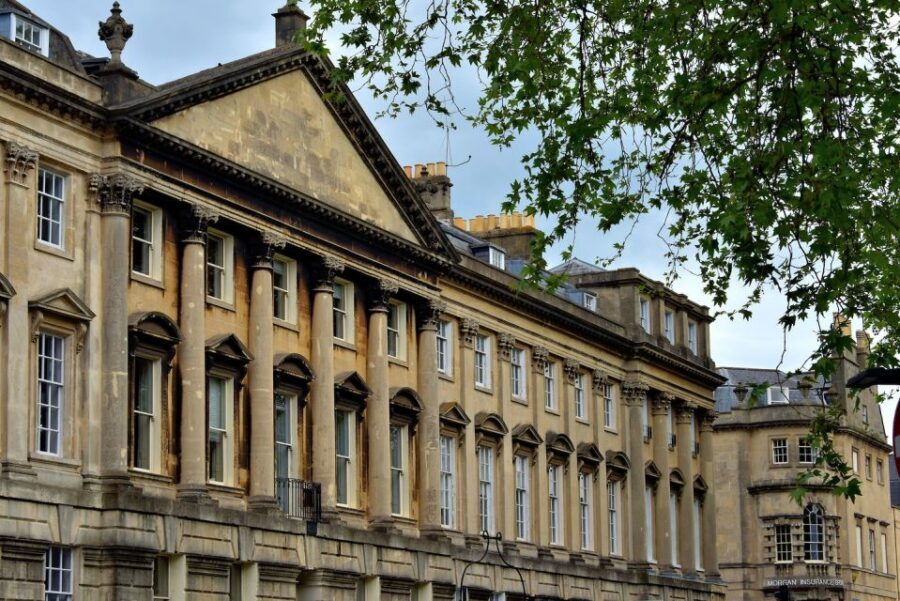
Then comes the big finish: Royal Crescent. Ending here is a smart move because it’s one of Bath’s most iconic visual statements. The crescent layout, the symmetry, the sheer presence—it’s all built for you to take a step back and absorb it.
By the time you reach Royal Crescent, you’ll have already crossed the bridge, learned Roman Bath context, passed the spa, and visited the Abbey. So when you see the crescent, it doesn’t feel random. It feels like the final chapter in how Bath developed from thermal attraction and religious center into a signature Georgian cityscape.
I also like that the tour ends outdoors at a landmark like Royal Crescent. It lets you keep walking afterward at your own pace for photos, coffee, or a quick linger if the light is good.
You can also read our reviews of more private tours in Bath






What $101 gets you: value for a private 2-hour walk
At $101 per person for a 2-hour private walking tour, the value comes down to two things: access and attention.
First, it’s private. That means you’re not stuck with a rigid group pace, and your guide can adjust based on what you care about. When you’re covering major sights like Pulteney Bridge, the Roman Baths area, Bath Abbey, and Royal Crescent in a short window, private time is what keeps you from feeling rushed or lost.
Second, it includes Bath Abbey entrance. For many walking tours, you pay for the tour and then pay again for entry. Here, one key indoor experience is included, which helps justify the price.
Third, your guide is a student guide, and the reviews strongly point to friendliness and clear, confident explanations. Guides like William and Cameron are mentioned in the feedback as on-time and easy to understand, with a style that works well across languages. If you want history that feels human and understandable, this format tends to deliver.
One more value angle: with a customizable route, you can spend your limited time where it matters most to your group—especially if you’re with kids or you’re traveling with specific interests.
Who should book this Bath private tour?
This tour fits best if you want structure without boredom. You like seeing the major landmarks in the right order, and you want a guide to connect the story dots so you don’t leave with a pile of names but no meaning.
It’s also a good choice if:
- You prefer walking over bus tours and want to feel the city’s layout on foot
- You want one-on-one answers and a pace that matches your group
- You’re bringing kids who do better when someone keeps things lively and interactive
- You want wheelchair accessibility since the tour is listed as wheelchair accessible
One practical tip: because it’s a walking tour, plan for comfort. Two hours is short, but Bath’s streets are old. If anyone in your group needs frequent breaks, you’ll appreciate the private setup because you can adjust as you go.
Should you book this Bath Private Walking Tour?

If your goal is to see Bath’s most famous highlights with an intelligent, friendly guide—without spending half your day figuring out where to go—I think it’s a great book. The route is built around the city’s biggest identity markers: Roman-era Bath (Roman Baths area), the story of the city’s religious landmark (Bath Abbey), and the Georgian showpiece finish (Royal Crescent). That sequence gives you a satisfying sense of the city as one connected place.
Book it especially if you like the idea of customization and you value clear explanations more than you value checking a long list of attractions.
Skip it (or plan extra time elsewhere) if your priority is a deep Jane Austen program. You’ll get a connection to her story, but the tour’s focus stays on the wider Bath essentials.
FAQ
Where does the tour start?
Meet your guide outside the main door to Bath Abbey.
How long is the private walking tour?
The tour lasts 2 hours.
Is the tour private?
Yes, it’s a private group experience.
What does the ticket include?
The tour includes a private walking experience with a student guide, plus entrance to Bath Abbey.
Will the tour run in bad weather?
Yes. The tour runs rain or shine.
Is it wheelchair accessible?
Yes, the tour is listed as wheelchair accessible.