REVIEW · BELFAST
Belfast Black Taxi Tour
Book on GetYourGuide →Operated by Top Class Travel Belfast · Bookable on GetYourGuide
Belfast has a way of sticking in your mind. This Belfast Black Taxi Tour uses the city’s own streets, murals, and “peace walls” to explain the Troubles without turning it into a textbook. I love that it’s led by local drivers who can connect what you see with what it felt like day to day. One thing to keep in mind: the subject matter is emotional, and the pace is tight, so you may not catch every optional stop you’d like.
You start in the center at Belfast City Hall, then head out to both sides of the old divide—Falls Road and Shankill Road—where the murals are basically a public diary. After that, you get a photo moment at Titanic Belfast, which helps you place modern Belfast beside its past. If you’re looking for a relaxed, everything-unhurried tour, this may feel a bit like getting the highlights at high speed.
In This Review
- Quick hits you’ll feel on day one
- Belfast City Hall is the smart starting line
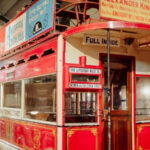
- Riding in a luxury Mercedes minivan with a live guide
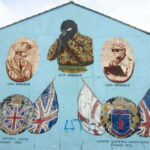
- Falls Road: murals, memory, and a neighborhood that explains itself
- Shankill Road: peace walls and the other side of the divide
- The emotional weight of The Troubles (and how the best guides handle it)
- Titanic Belfast after the Troubles: why that photo stop clicks
- Time management: what you get in 1.5 hours (and what can feel missing)
- Price value: what $94 buys, and how extra pickup can affect it
- Guides make the difference: what to ask before you roll
- Who should book this tour, and who might want another option
- Should you book the Belfast Black Taxi Tour?
Quick hits you’ll feel on day one
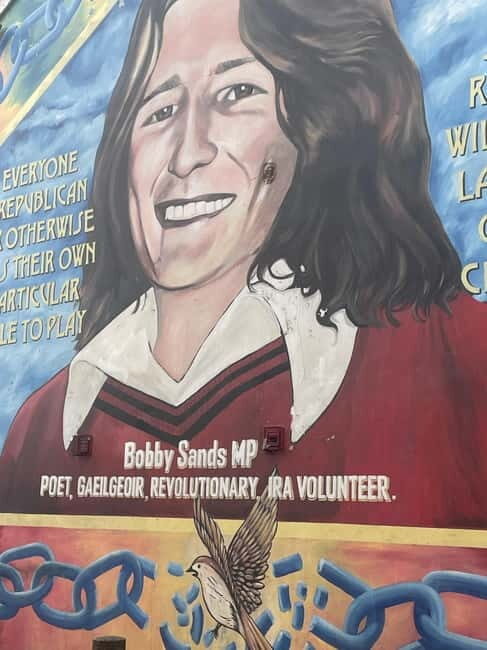
- Falls Road murals with context: you’ll see how memory is displayed in public, street-by-street.
- Shankill Road perspective side-by-side: the route matters because you’re not seeing just one community’s story.
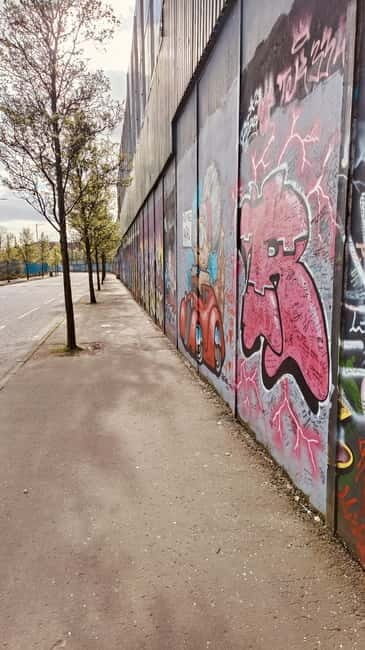
- Peace walls you can spot instantly: these aren’t background scenery; they shape daily life.
- Private black taxi-style touring: you ride in a luxury Mercedes minivan with a live English guide.
- Titanic Belfast photo stop: a clean break from the Troubles narrative into Belfast’s 1912 story.
- Guides with lived connection: names that come up often include Robert Doyle, Chris, Mark, Branden, Gary, David, John, and Paul.
Belfast City Hall is the smart starting line
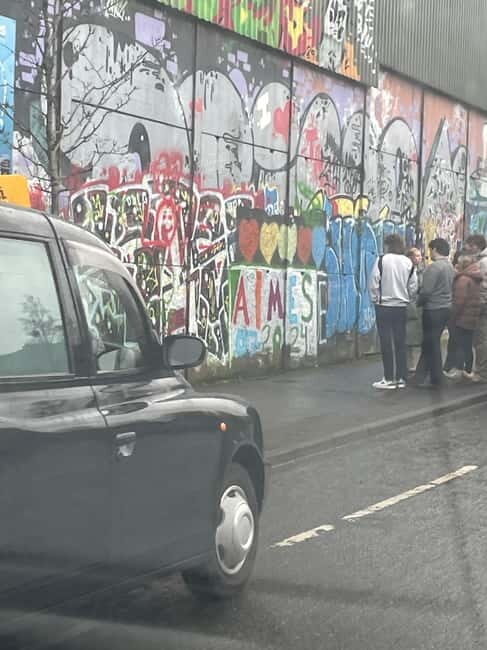
Belfast City Hall is an Edwardian landmark in the city center, so it’s a handy point to meet and orient yourself. From there, the tour moves quickly from the polished look of the center into working-class neighborhoods that were shaped by sectarian division during the Troubles.
What I like about starting here is practical: you’re not “wandering” into the story. You’re pointed in the right direction early, then driven to where the murals, walls, and memories sit right in the streets.
You can also read our reviews of more tours and experiences in Belfast.


Riding in a luxury Mercedes minivan with a live guide
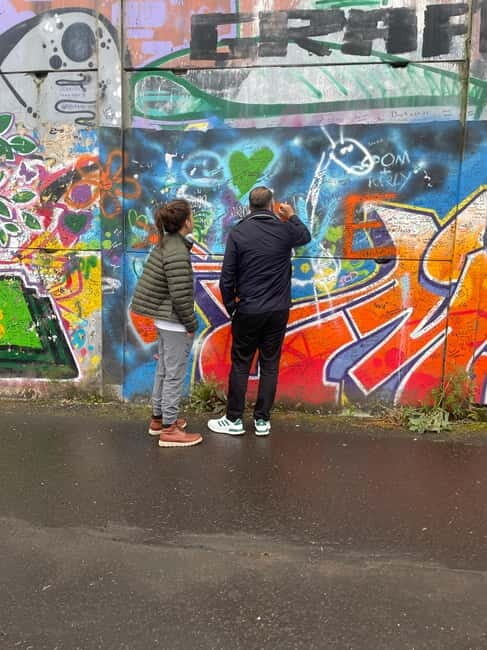
This tour is built around a simple idea: you learn by seeing. Instead of a bus crawl with constant stop-starts, you’re in a luxury Mercedes minivan, plus a live guide speaking English.
That comfort matters more than you might think. The tour is short—about 1.5 hours—so you want the ride to be easy on your back and your patience. The water and WiFi are a nice touch too, especially if you’re making connections with other parts of your day.
Falls Road: murals, memory, and a neighborhood that explains itself

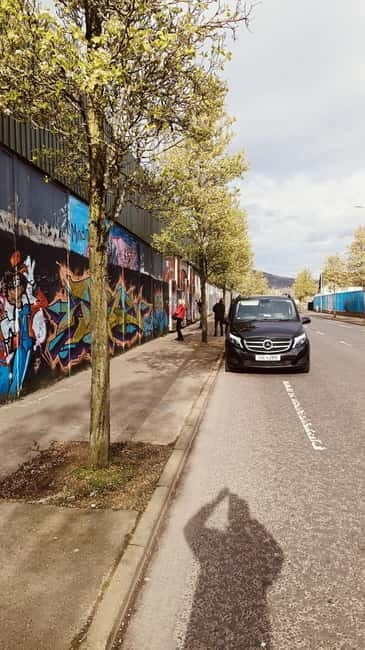
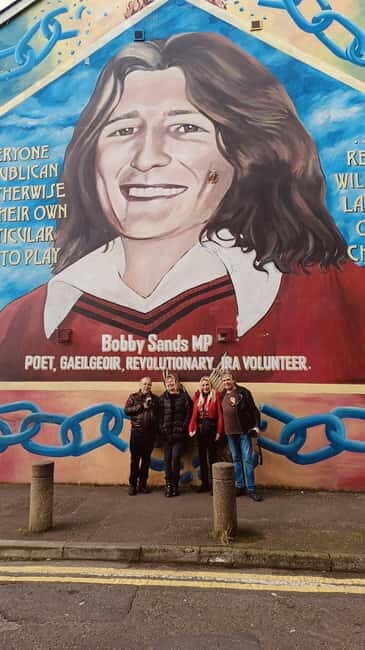
Falls Road is one of the key areas you’ll visit, and it’s a place where public art carries heavy meaning. Expect a guided segment where you’re not just looking at paint on walls. You’re getting the “why” behind why certain images, names, and symbols show up in specific spots.
The value here is clarity. The Troubles weren’t one single event; they were years of fear, retaliation, grief, and politics, all tangled together. In a short format, murals help you grasp the way communities remember—without you needing to translate everything from a guidebook.
If you’re the type who likes to ask questions, bring that energy. The tour’s best moments are when your guide can connect what you see outside the window to what people experienced inside their lives.
Shankill Road: peace walls and the other side of the divide
Then you head to Shankill Road. This is the other half of the route, and it’s why the tour works. You’re seeing the divide from both communities, not just one angle.
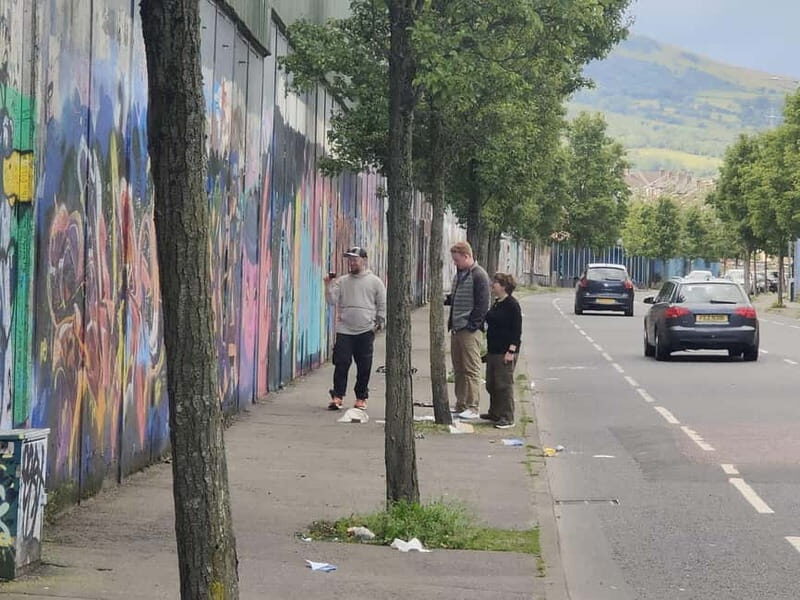
The peace walls are usually the first visual surprise, because they’re so physical—built to separate areas that once felt permanently at odds. They don’t just mark history; they still affect how people move through space and how neighborhoods relate to each other.
I also like that this isn’t presented as a debate club. The tone tends to be explanatory and human. You’ll hear about the conflict and the long shadow it cast, with an emphasis on how everyday life was shaped by political and sectarian lines.
The emotional weight of The Troubles (and how the best guides handle it)
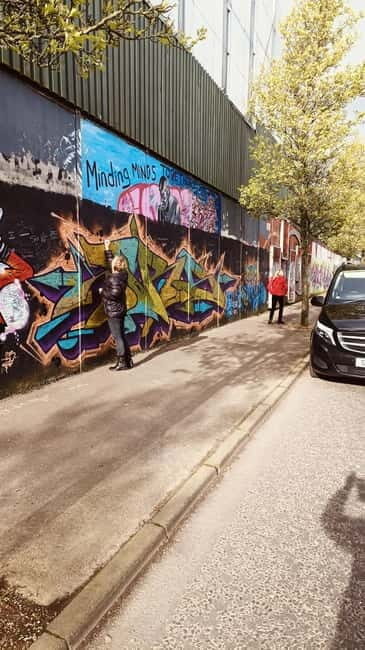
Let’s be honest: this is not a light sightseeing loop. The Troubles involved real harm, real loss, and long-running community trauma. Many of the guides mentioned in traveler feedback—people like Robert Doyle, Chris, Branden, Gary, David, John, and Paul—are repeatedly praised for explaining sensitive topics clearly and with empathy.
That matters because this story can slide into slogans if it’s handled badly. The better guides keep it grounded: they explain events, but also explain reactions. They’ll answer questions, slow down when someone needs clarification, and treat the subject with respect rather than performance.
Possible drawback: if you’re already hoping for a quick, casual tour where nothing hits hard, this one may feel intense. It can get emotional, and that’s not a defect—it’s the reality of what you’re learning.

Titanic Belfast after the Troubles: why that photo stop clicks
After the neighborhood segments, you’ll see Titanic Belfast, the museum dedicated to the RMS Titanic, which was built in Belfast and sank in 1912. You’re there mainly for a photo opportunity, so don’t expect a full museum visit during this 1.5-hour window.
Still, it’s a useful pivot. Belfast didn’t only become Belfast through conflict. It also has deep industrial roots, global connections, and a story of invention and ambition. A quick Titanic stop gives you a “Belfast beyond the Troubles” moment—just enough to keep the day from feeling one-note.
Time management: what you get in 1.5 hours (and what can feel missing)
The schedule is focused: you’re spending guided time at Falls Road and Shankill Road, then wrapping back in Belfast, with that Titanic photo stop in the mix.
Here’s the tradeoff. In a shorter tour, you might not hit every related site you’ve heard about, like specific memorials or other well-known stops. One common complaint pattern is that some people wanted more than the standard two-neighborhood route.
So think of this tour as the best “first read” of Belfast’s recent history. It’s ideal when you want a big understanding fast. If you want a checklist of every major stop, you may need a longer, customized add-on later.
Price value: what $94 buys, and how extra pickup can affect it
At about $94 per person for a 1.5-hour private tour with a live guide, WiFi, and water, the price isn’t just “transport.” You’re paying for guided context in neighborhoods that are hard to understand without local framing.
There’s also the question of pickup. City center hotel pickup is included, and pickup points can be anywhere within Belfast. For cruise terminal passengers, there may be an extra cost payable to the driver/guide—shown as £20 each way in the provided details.
My practical take: if you’re staying in the city center, you’ll likely feel like you got good value. If you’re coming from a cruise terminal, confirm the pickup cost up front so the final bill doesn’t surprise you.
Guides make the difference: what to ask before you roll
Because this tour is private group style, your questions matter more than you might expect. The best tours happen when you guide your guide.
When you get in the van, consider asking:
- What should I notice first on the murals and wall areas?
- How did the division shape daily life, not just politics?
- What changed after the conflict, and what still feels different today?
From the feedback, guides often take pride in answering questions and giving extra context. Some people even noted guides sharing extra references afterward, like old documentary links—helpful if you want to keep learning after the ride.
Also, if you care about balance, ask for it directly: you’re visiting both Falls Road and Shankill Road, so you’re already set up for two perspectives.
Who should book this tour, and who might want another option
This tour is a strong match for you if:
- You want an introduction to The Troubles that connects street-level visuals to real meaning.
- You like guided history more than self-guided wandering.
- You prefer private touring over sharing a vehicle with strangers.
It may be less ideal if:
- You want a “happy museums only” day.
- You need lots of walking time between many separate sites.
- You’re hoping to see every possible attraction in and around the conflict sites in one compact stop.
That’s not a dealbreaker. It just helps you choose the right expectations.
Should you book the Belfast Black Taxi Tour?
If it’s your first time in Belfast and you want the city’s modern identity explained through its most visible reminders—murals and peace walls—this is an excellent starting point. The short duration, private format, and local-led framing make it a practical way to get oriented fast.
Book it if you’re curious, willing to hear hard stories, and you like asking questions. Skip or pair it with something else if you’re building a “must-see list” of specific additional sites beyond the two-neighborhood focus. In short: for understanding Belfast quickly, this taxi tour earns its reputation.