REVIEW · BELFAST
The Troubles Tour -Two Stories, One Journey
Book on GetYourGuide →Operated by Yellow Umbrella Tours · Bookable on GetYourGuide
The Troubles in Belfast can feel far away until it shows up on your feet. This tour is special because you don’t get just one side of the story—you hear two women’s experiences from Republican and Loyalist communities.
What I like most is the mix of street-level context and firsthand emotion: you’ll walk past the famous West Belfast murals while your guides connect them to daily fears, family pressure, and the long push toward peace. And the guides are local, with lived context that makes the history hit harder.
One thing to consider: the tour can run closer to 3 hours than the 2-hour label, and the content is heavy, including details that may feel intense for some people.
In This Review
- Key highlights worth packing your curiosity for
- Two women, one journey: what makes this tour different
- Starting in West Belfast at the red-and-white 20-story landmark
- Murals on the Falls Road: street-level history you can read up close
- Meeting the Loyalist perspective on the Shankill side
- Memorial Gardens of West Belfast: where loss becomes specific
- The guides: personal storytelling with a push toward objectivity
- A peace-process thread you can connect to today
- End stop and museum context: leaving with something more than images
- Price and time: is $27 really good value?
- Who should book this Troubles Tour, and who might skip it
- Tips to get the most out of your two-guide experience
- Should you book The Troubles Tour: Two Stories, One Journey?
- FAQ
- How long is the tour?
- Where do I meet the tour?
- How much does it cost?
- Who leads the tour?
- Is the tour wheelchair accessible?
- What language is the tour in?
- Are refreshments or food included?
- Is it suitable for children?
- Is cancellation available?
Key highlights worth packing your curiosity for
- Two-guided perspectives: one Republican and one Loyalist woman share their own lived experience
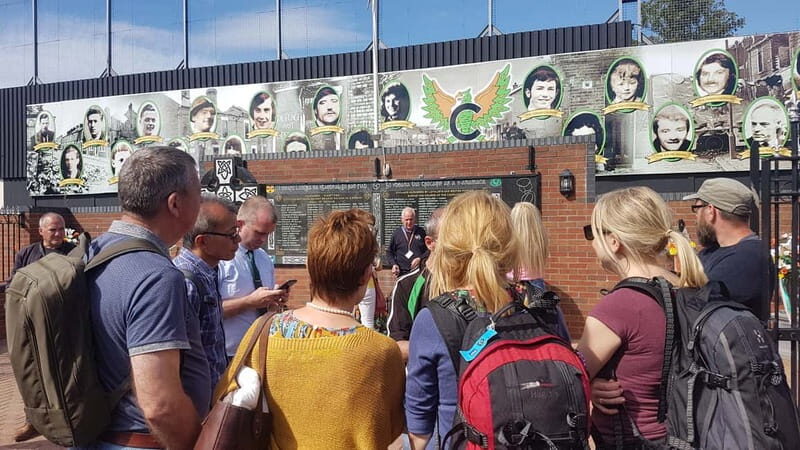
- World-famous murals on the Falls Road and the West Belfast memorial areas
- Memorial Gardens of West Belfast: a space where names and loss stay in focus
- Guides who still live with the story: examples include Barbara and other local leaders you may meet on tour
- Photo opportunities with meaning, not just sightseeing
- A peace story told by people who lived the conflict, not just observers
Two women, one journey: what makes this tour different
Belfast’s Troubles are usually explained like a timeline. This tour treats them like a life—messy, personal, and full of decisions made under pressure. The big difference is that you hear the journey from two communities through the voices of women who grew up with barricades, fear, and the constant question of what happens next.
I also like how the framing stays human. This isn’t just about bombings and shootings. Your guides focus on mothers, sisters, daughters, neighbors, and the daily “how do we keep everyone safe” math that families had to do for years.
And yes, you’ll still see the politics in the streets—murals aren’t subtle—but the tour’s emotional core is the effort to live with dignity and raise children without giving up hope. That makes it feel less like a museum visit and more like a conversation you can’t forget.
You can also read our reviews of more tours and experiences in Belfast.


Starting in West Belfast at the red-and-white 20-story landmark
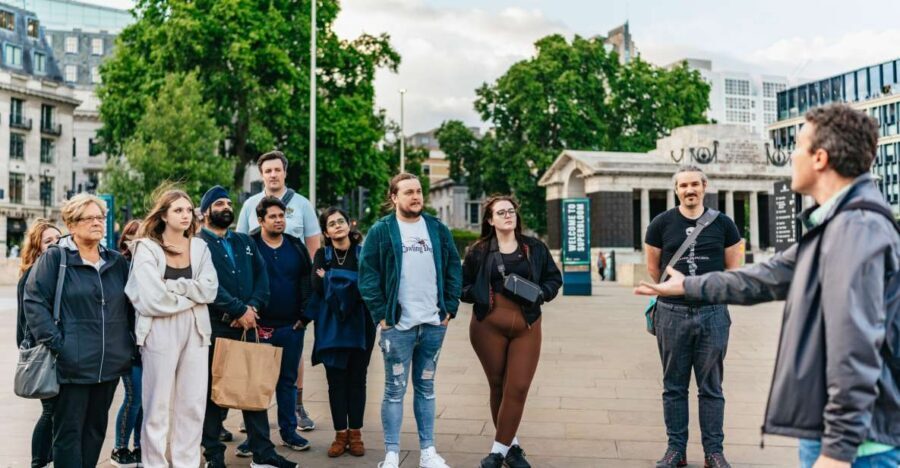
You meet in front of a large red-and-white apartment building that’s described as the only 20-story building in the area. It’s an easy landmark to spot, and it helps you get your bearings fast before you start walking.
Timing matters here. The tour is listed as 2 hours, but multiple groups report it taking longer, around 3 hours. That extra time usually comes from good group energy—questions, pauses to look closely at artwork, and the guides slowing down to make sure the stories land.
You’ll also want to plan around comfort. This is a walking tour, with lots of stopping, and the emphasis on personal stories means you’ll often stand still and listen. Wear shoes you trust. Bring a layer; Belfast weather loves a surprise.
Murals on the Falls Road: street-level history you can read up close
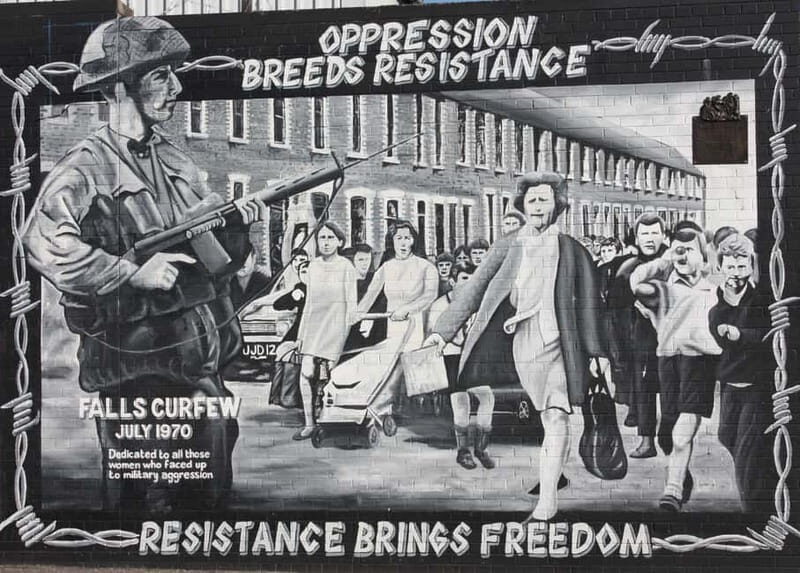
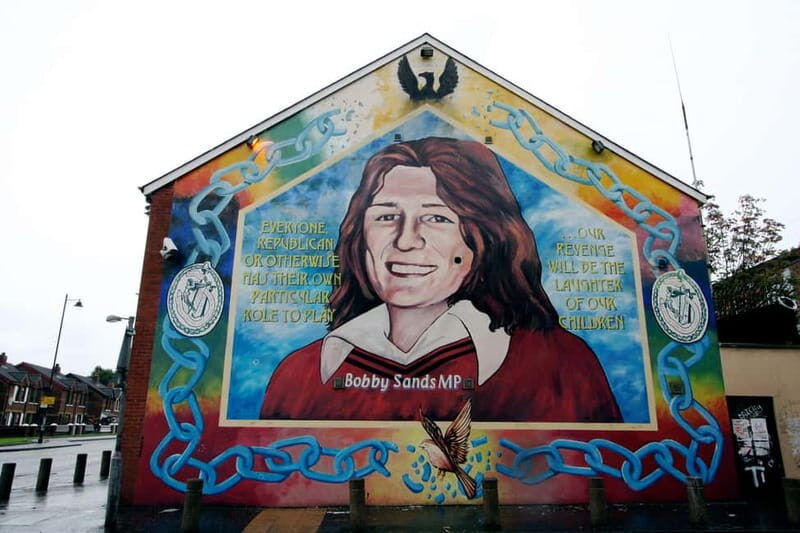
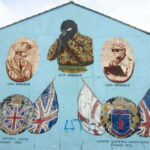
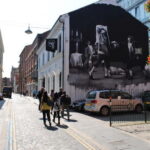
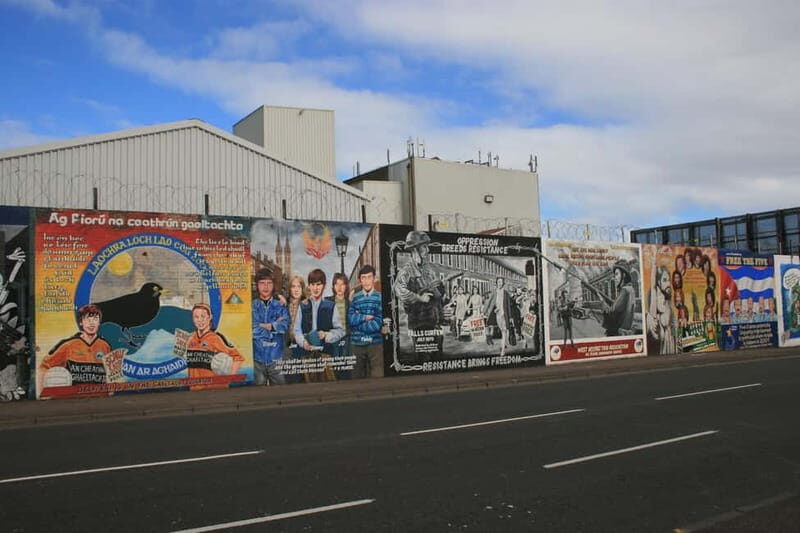
The Falls Road is famous for a reason: it’s like an outdoor archive. During this tour, you’ll see murals that reflect social and political identity, memory, and resistance—painted large enough that they can’t be ignored, but detailed enough that you’ll notice new things every time you look again.
What makes the murals more than photos is how your guide connects them to lived experience. Instead of explaining symbols from a distance, the story comes with context: what it felt like to grow up surrounded by the conflict, what daily life shaped people into, and how families coped when news felt dangerous and ordinary life felt unstable.
Your guide may also point out how grief and pride share space in the same wall. One moment is about survival; another is about remembering. That mix is part of why people keep coming back to these streets, even after the violence stopped.
If you care about photography, this is a strong stop. You’ll likely have enough time to frame shots without feeling rushed, and the murals can make even cloudy days look dramatic.
Meeting the Loyalist perspective on the Shankill side
Half the point of this tour is that it refuses the one-sided version of Belfast. You hear a second narrative—through a guide from the Loyalist community—so you can compare how identity, fear, and responsibility shaped daily life on each side.
This isn’t just “two viewpoints for balance.” It’s more practical than that: it shows you how the same city can produce different truths depending on where you grew up, who taught you what was safe, and what you were trained to expect from the other side.
In the streets around Shankill and West Belfast, you may also notice the physical reminders of separation. Even after the peace process, you can see how boundaries were built to manage danger—and how those boundaries left long shadows. One reviewer highlighted the contrast with fences and locked access points, and that’s exactly the kind of detail you should pay attention to while you’re here.
Your guide should encourage questions, not silence. I’d treat that as part of the experience. If something doesn’t make sense, ask. That’s often when the story becomes clearer.
Memorial Gardens of West Belfast: where loss becomes specific
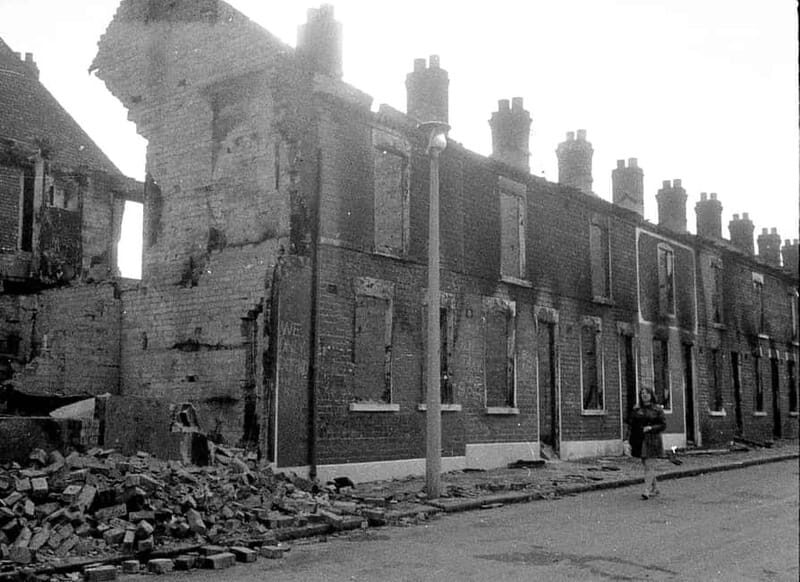
The tour includes the Memorial Gardens of West Belfast, and this is where the tone shifts from street history to direct remembrance. Murals explain identity. Memorial spaces focus on names, impact, and the fact that people weren’t abstract.
This stop matters because the Troubles aren’t only about events. They were about real losses that shaped families, routines, and community trust for decades. When guides talk about surviving, the memorial setting turns personal memory into something you can witness rather than just hear.
Expect emotion. Even when you keep your distance, it’s hard not to feel it in a place built for remembering. If you’re the type who powers through heavy topics, this is still the kind of stop that slows you down.


The guides: personal storytelling with a push toward objectivity
One of the most praised aspects is how the guides hold their stories with care. Guides like Barbara come through as engaging and emotionally honest, while also giving broader background so you can place what you’re hearing into context. Another guide you might meet on a given day can be named Paul (and others are mentioned as well), reinforcing that this isn’t a one-person performance.
What stands out is not just that they lived through the period. It’s that they try to stay fair in tone. Several accounts mention that the guides remain impartial and encourage you to understand the other side, even when their own history is deeply rooted.
This is where the tour earns its title: two stories, one shared journey. The community stories diverge, but the human goals overlap—safety, dignity, and a future where children can grow up without constant dread.
A peace-process thread you can connect to today
The tour doesn’t stop at the violence. It tracks what changed when a peace process took shape, and it highlights how women from both sides continued working for reconciliation.
You may hear specific references to the Good Friday peace agreement as part of that shift from conflict to a new Belfast reality. The takeaway for you is simple: peace didn’t arrive like a switch. It was built through long work, and people still carry the consequences.
And even when today looks calmer, the emotional residue is real. One review notes that pain hasn’t vanished, and you’ll feel that message in the way guides speak and the way the memorial and murals “hold” the past.
End stop and museum context: leaving with something more than images
Many tours like this end with a quick goodbye. Here, you’ll likely finish with a small museum or museum-like context stop, adding layers that street murals can’t fully explain on their own.
One practical bonus: you get some real-world tips about the area afterward. A couple of accounts mention tips for Derry, and that’s the kind of extra value that makes a tour feel like it ends with local guidance instead of a stamp and a walk away.
If you’re the type who likes to keep learning after the tour, this ending helps. You can convert the stories you heard into a more structured understanding without losing the personal edge.
Price and time: is $27 really good value?
At $27 per person for around 2 hours (often running closer to 3), the value comes from two things:
First, you’re paying for two local guides, not one. That matters because it changes the “information density.” You’re not just getting more facts; you’re getting a built-in comparison between communities.
Second, the tour includes some of Belfast’s most recognized visual history—murals plus the Memorial Gardens—and you get the stories that explain why those images exist.
What’s not included is also part of the calculation. Food and refreshments aren’t provided, so you’ll want to plan for a drink or snack before or after. And because it can run longer than expected, having water helps.
If you’re staying a short time in Belfast and want the most meaningful use of your time, this is one of the better “bang for your walk” choices.
Who should book this Troubles Tour, and who might skip it
This tour fits best if you:
- want a human explanation of the Troubles, not only dates and headlines
- care about how identity and community safety shaped daily life
- enjoy walking and looking closely at murals
- prefer listening to local voices with firsthand context
It may not be your best match if you:
- want a light, casual sightseeing experience
- don’t handle emotionally heavy stories well
- are traveling with children under 12, since the tour isn’t suitable for that age group
Language is English, and the tour is listed as wheelchair accessible, so it can work for more people than some neighborhood walks.
Tips to get the most out of your two-guide experience
Here’s how to make this tour land well:
- Come with one or two questions you genuinely want answered. Guides can explain details fast when they know what you’re curious about.
- Take mural details slowly. Read them like a page, not like a backdrop.
- If you’re doing this alongside other Belfast stops, give yourself space. This tour is emotionally serious enough that you might not want an intense history program back-to-back.
- Have a snack plan. Since food isn’t included, you’ll enjoy the stories more if you’re not stuck thinking about hunger halfway through.
Should you book The Troubles Tour: Two Stories, One Journey?
Book it if you want Belfast to make emotional sense—not just historical sense. The two women’s voices are the main reason, and the murals plus memorial gardens give the experience a strong sense of place.
Skip it if you’re chasing only quick sightseeing or you’re looking for a neutral, low-emotion walk. This tour takes the Troubles seriously, and that’s exactly why it stays with you.
If you’re debating what to do in Belfast for two or three hours, this is the kind of experience that gives you context you can’t get from plaques alone. For many first-timers, it becomes the anchor point for everything else they see after.
FAQ
How long is the tour?
The duration is listed as 2 hours, but some groups have reported it taking closer to 3 hours.
Where do I meet the tour?
Meet in front of the large red-and-white apartment building described as the only 20-story building in the area.
How much does it cost?
The price is $27 per person.
Who leads the tour?
It’s led by two local guides—one from the Republican community and one from the Loyalist community.
Is the tour wheelchair accessible?
Yes, the tour is listed as wheelchair accessible.
What language is the tour in?
The tour is in English.
Are refreshments or food included?
No. Food and drinks are not included.
Is it suitable for children?
It’s not suitable for children under 12.
Is cancellation available?
Yes. Free cancellation is offered up to 24 hours in advance for a full refund.